








 Official manufacturer image
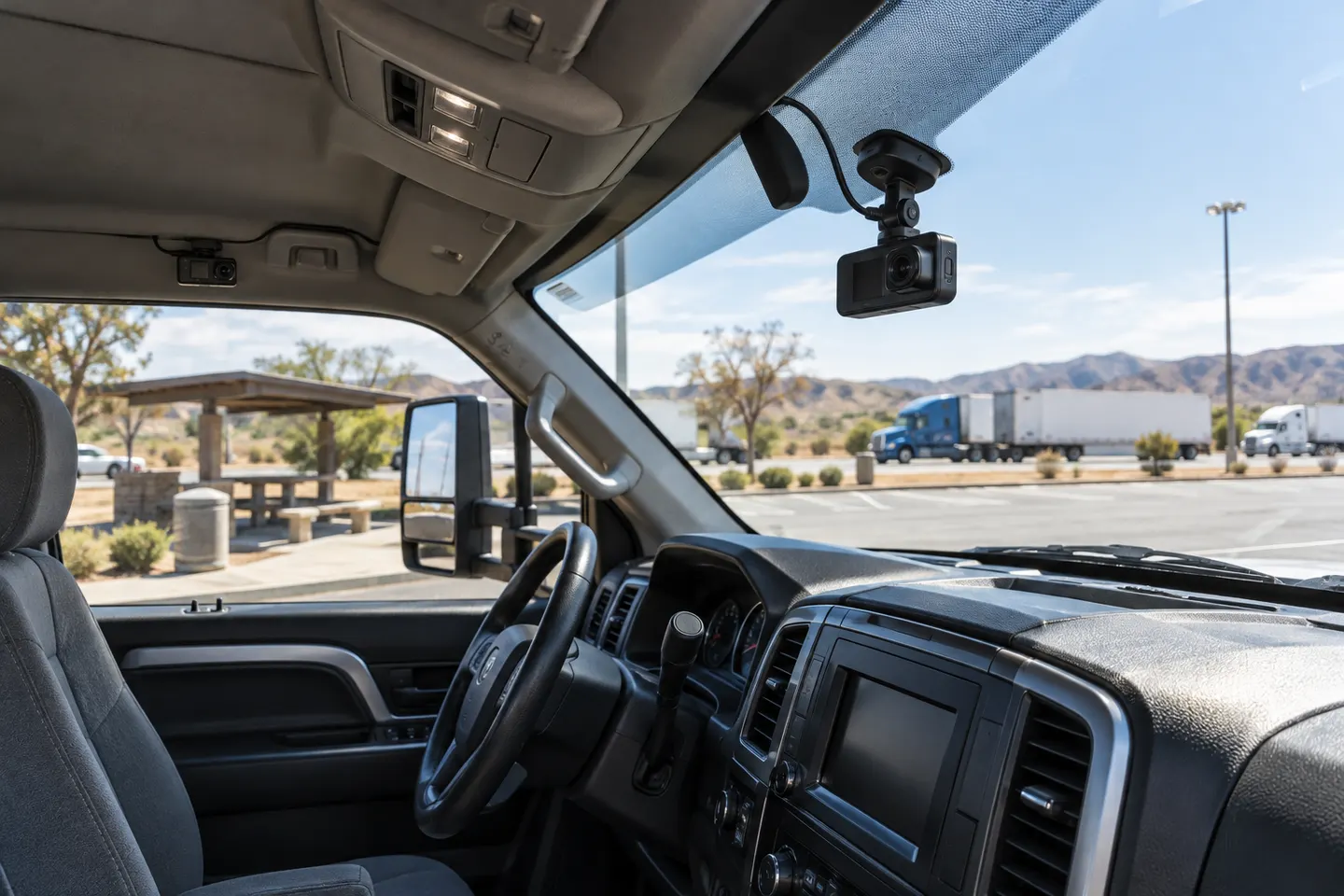
Our picks
Top picks
Official manufacturer image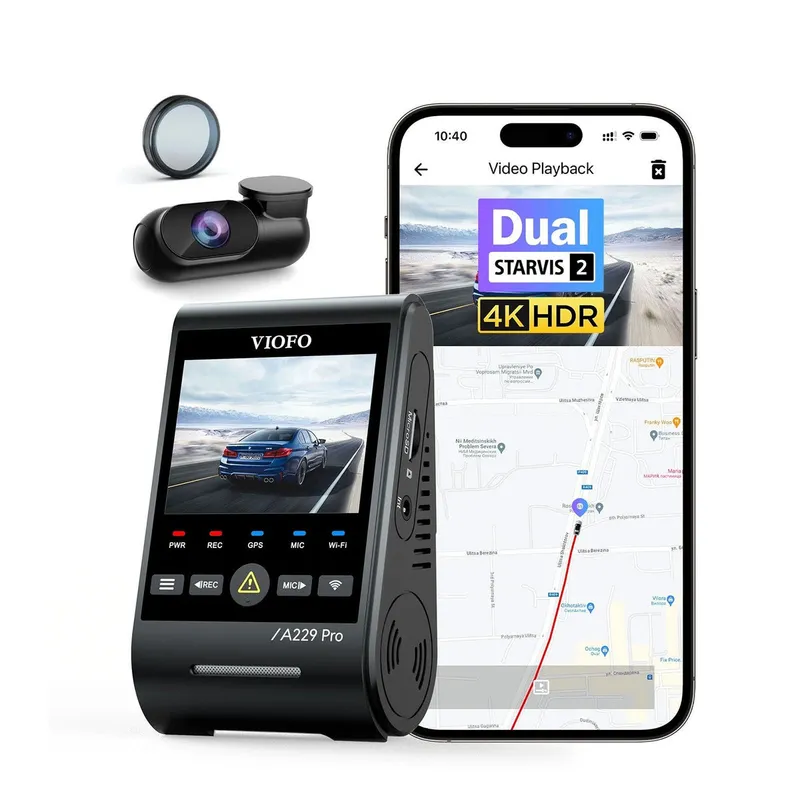 Official manufacturer image
VIOFO A229 Pro 2CH
Check price on Amazon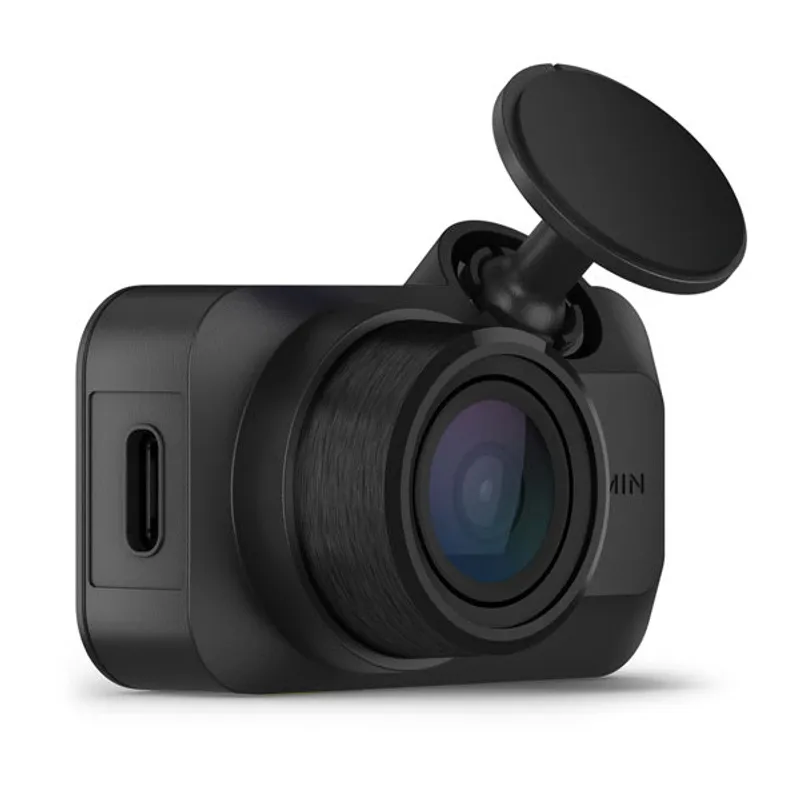 Official manufacturer image
Garmin Dash Cam Mini 3
Check price on AmazonCommon questions
Questions before you buy
Can a normal dash cam be used in a truck?
Sometimes, if its power input, operating conditions and mount suit the vehicle. Check voltage compatibility and whether the manufacturer permits use in commercial vehicles.
How many cameras does a truck need?
That depends on the risk you need to document. Forward recording is the baseline; side and rear channels can cover areas that are difficult to see from the cab.
What storage is suitable for long truck journeys?
Choose the capacity and endurance rating supported by the recorder, then set a routine for checking and preserving incident files. More channels and higher resolutions consume storage faster.
Should a truck dash cam have GPS or mobile data?
GPS can add route and location context. Mobile data is useful for remote fleet access, but it brings subscriptions, coverage limits and data-protection responsibilities.