








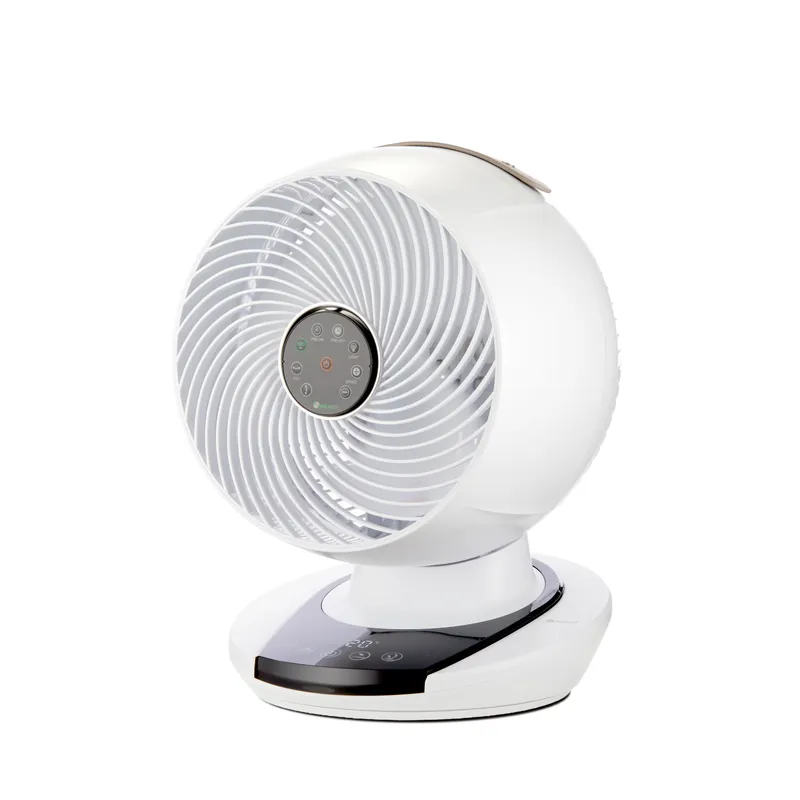
 Official manufacturer image
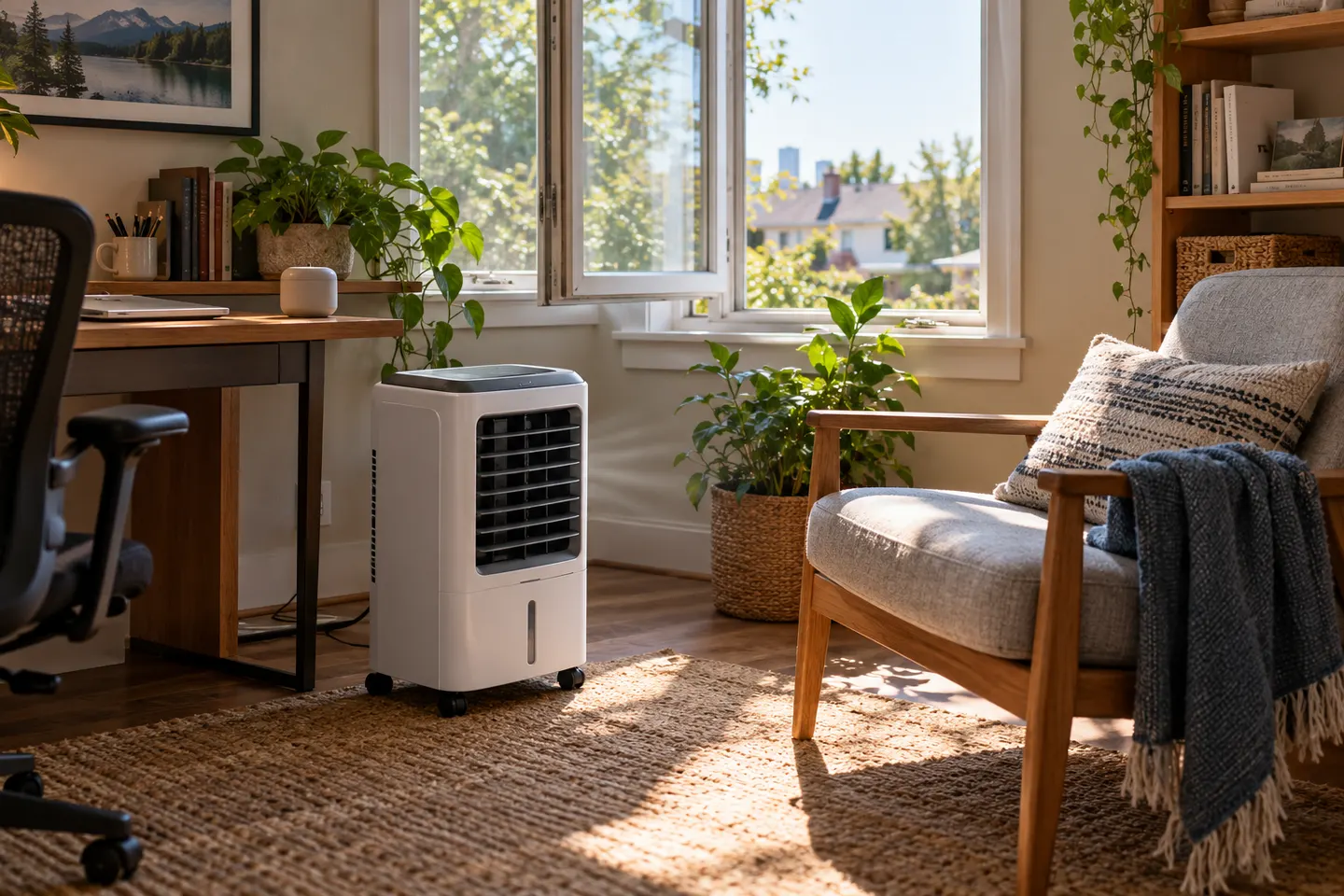
Our picks
Top picks
Official manufacturer image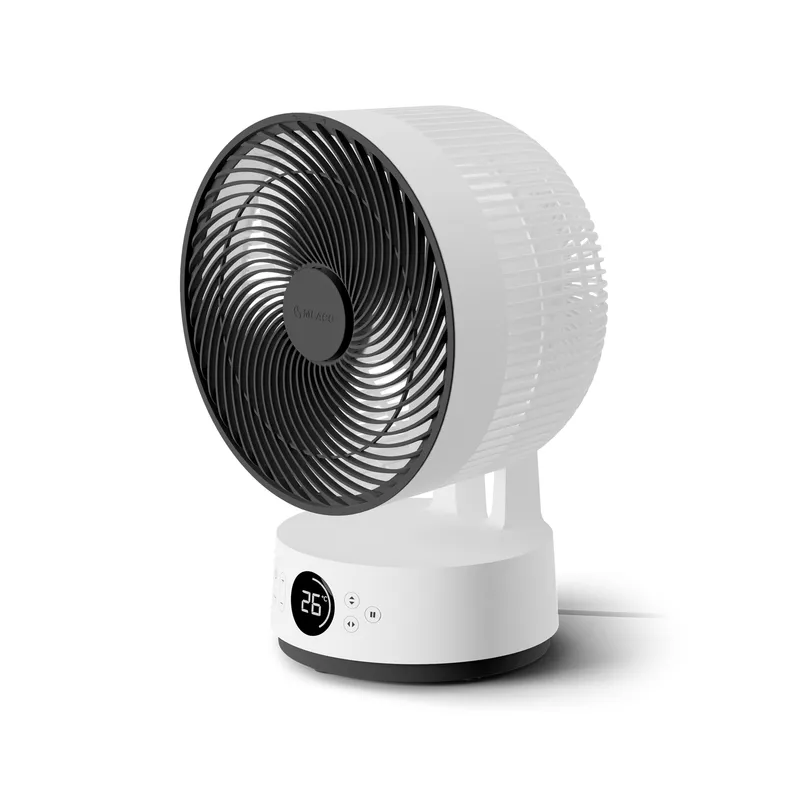 Official manufacturer image
MeacoFan Sefte 10-inch Table Air Circulator
Check price on AmazonCommon questions
Questions before you buy
Does an air cooler reduce room temperature?
A standard fan does not lower the room’s air temperature; it circulates air and can help your body lose heat. Evaporative coolers can cool nearby air through water evaporation, but their effect depends on humidity and ventilation.
What type of cooling fan is suitable for a room?
A tower fan suits a narrow floor space and broad airflow, while a desk fan is useful close to one person. For a measurable room-temperature drop, look at air conditioning rather than a fan.
Is an air cooler fan for a room the same as an air conditioner?
No. A fan circulates air; an evaporative cooler uses water, while an air conditioner removes heat from the room and needs an appropriate exhaust or installation arrangement.
Where should I place a fan in a room?
Position it so its airflow reaches the occupied area without being blocked by furniture. In warm weather, a fan near an open window can help move air, depending on outdoor conditions and the room layout.
Can a cooling fan cool a bedroom overnight?
It can provide moving air while you sleep, but it will not actively lower the bedroom’s temperature. Check noise at the speed you plan to use and use a timer or oscillation feature if useful.