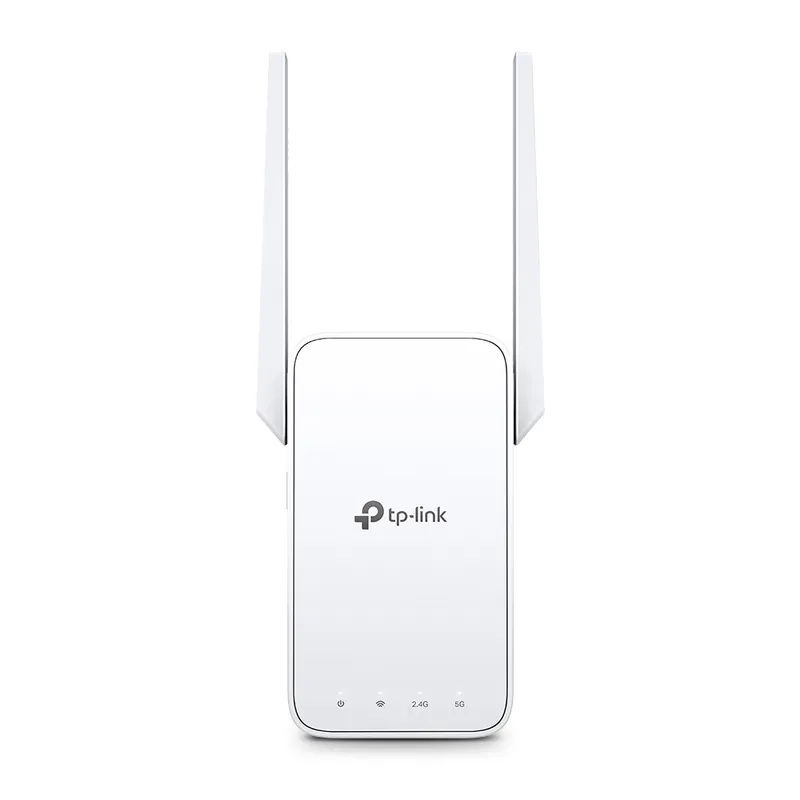
 Official manufacturer image
Extend WiFi without a new cable run
TP-Link RE315
Check price on Amazon UKSponsored link · no live price shown

 Best picksBest Meat Thermometers in the UK for 2026
 Best picksBest WiFi Extenders in the UK: Compare Five Practical Options
 Best picksThe Best Dashcams in the UK for 2026
 Best picksBest Air Purifiers in the UK for Different Rooms and Needs
Gearjury may earn a commission when you buy through a retailer link. The comparison distinguishes stated product modes from general networking concepts.
Head to head
An access point adds WiFi from a wired network; an extender relays an existing WiFi signal. Some products support both modes.
Official manufacturer image
Extend WiFi without a new cable run
 Official manufacturer image
Provide WiFi at a wired location
The verdict
Range Extender mode relays an existing WiFi network wirelessly.
An access point connects to the wired LAN and broadcasts WiFi there.
TP-Link lists both Range Extender and Access Point modes for RE315.
| Official manufacturer imageTP-Link RE315 | Official manufacturer imageTP-Link Omada EAP610 | |
|---|---|---|
| Primary role | Extend existing WiFi or AP mode | WiFi access from wired LAN |
| Upstream link | Wireless in extender mode; Ethernet in AP mode | Ethernet |
| WiFi generation | Wi-Fi 5 | Wi-Fi 6 |
| Ethernet port | 10/100 Mbps | Gigabit Ethernet |
| Placement style | Plug-in wall unit | Ceiling-mount access point |
| Best fit | Local gap without cable | Wired point needing WiFi |
| Check price on Amazon UK | Check price on Amazon UK |
Common questions
An access point creates WiFi from a wired network connection. An extender usually repeats the router's WiFi wirelessly, though some models also offer Access Point mode.
No, they describe different network roles, but a product can support both. Check its mode list and the connection each mode requires.
An access point is a strong option when Ethernet reaches the location. A range extender suits a local coverage gap when cabling is impractical and its router link is good.
The terms are often used for devices that relay an existing wireless network. An access point differs because it typically receives its network over Ethernet.
Keep exploring
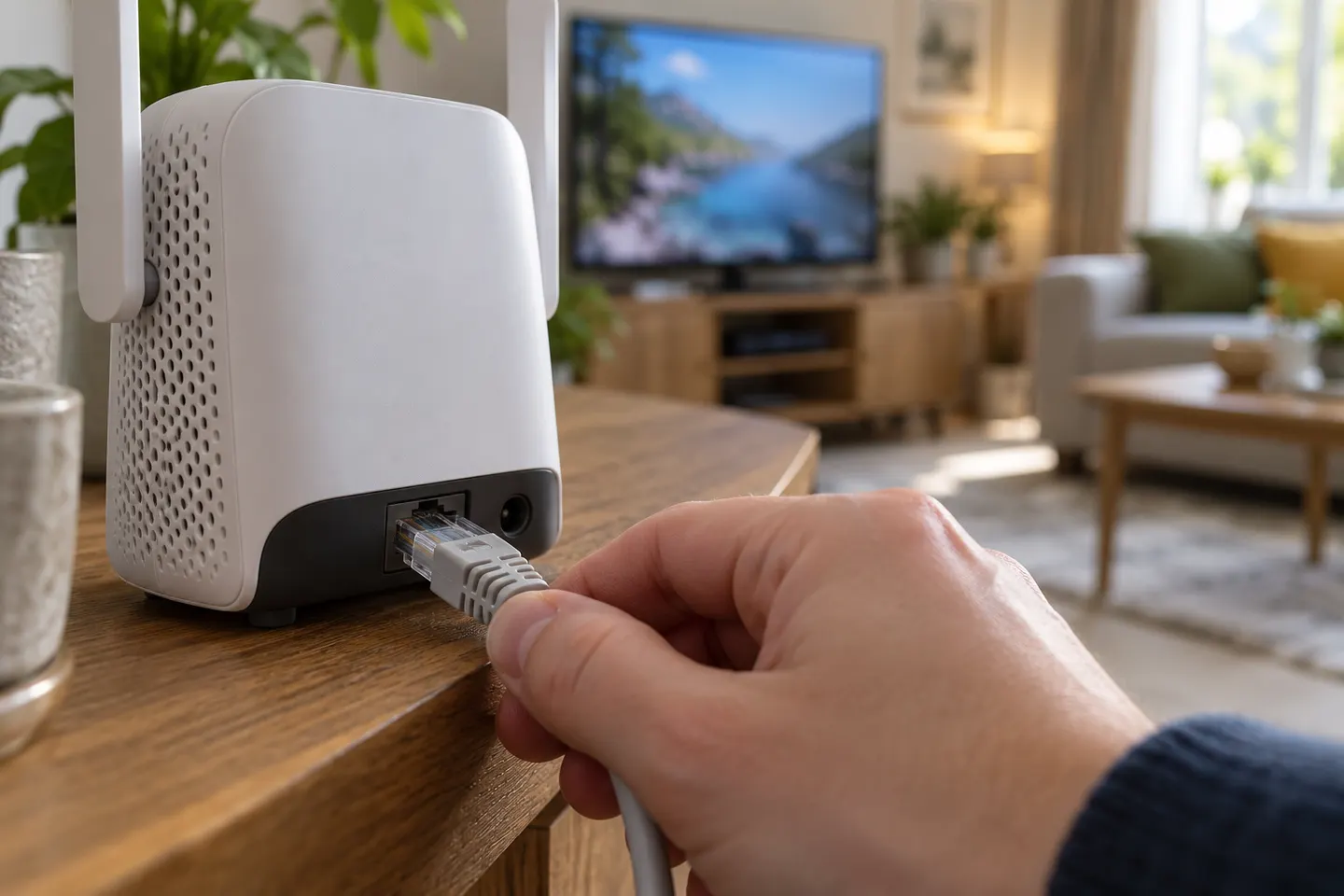
Ethernet can connect an extender to the router or link a wired device to the extended network. Confirm the port's role and speed.
TP-Link RE315 is a practical starting point for a standard indoor dead zone. Consider a Wi-Fi 6 device for newer kit, outdoor-rated hardware for a garden, or powerline where a wireless hop struggles.
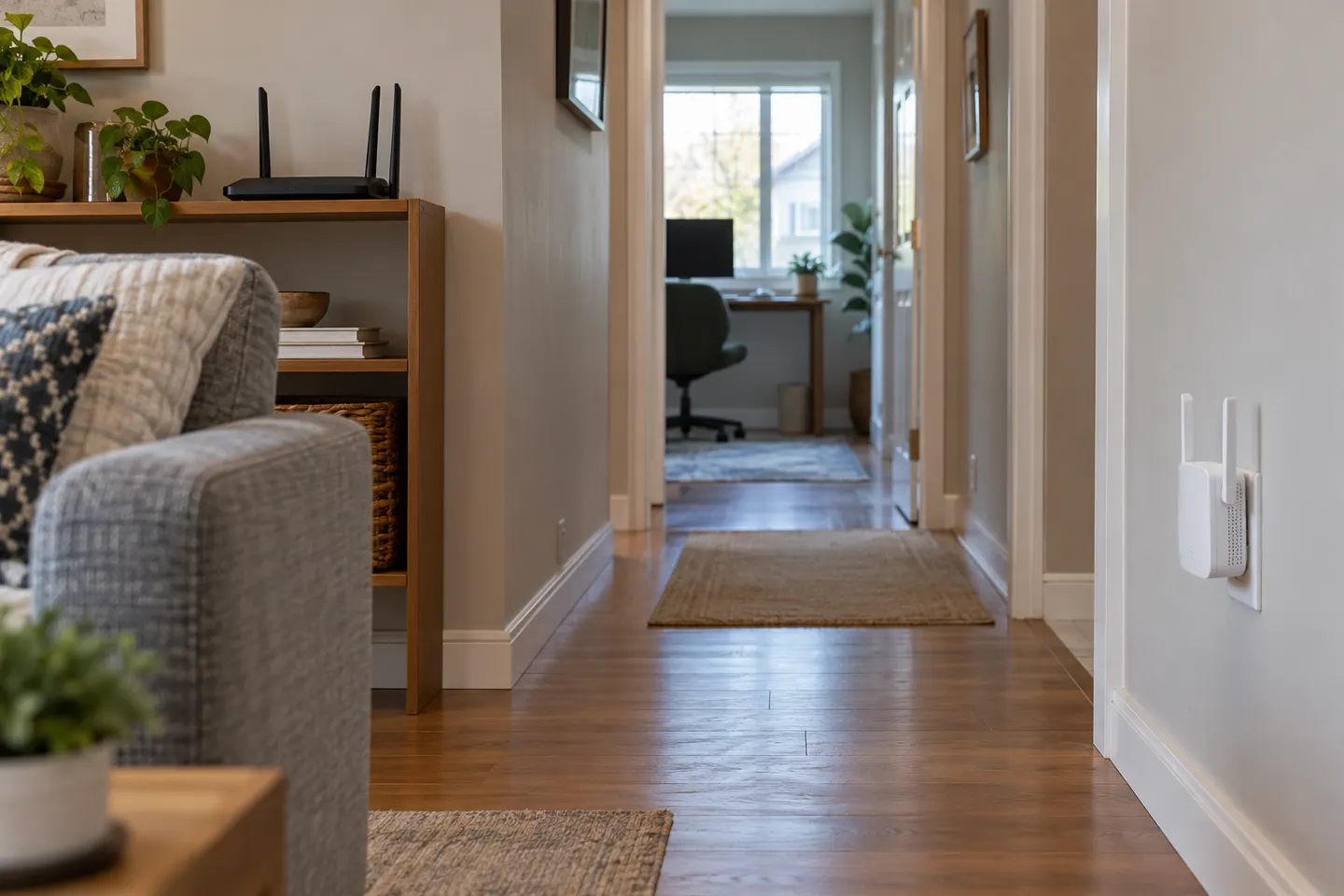
A WiFi extender can carry your router signal further, but placement and backhaul matter. Choose a plug-in repeater for a nearby dead zone, powerline WiFi for difficult layouts, or an outdoor-rated unit for a garden.
TP-Link sells plug-in repeaters and powerline kits. Check EasyMesh support, Ethernet needs and the exact UK hardware revision before buying.