What a WiFi extender actually does
An extender receives a signal from the router and rebroadcasts it so devices can connect from another area. It depends on the original router connection; it is not a new broadband service.

 Best picksBest Meat Thermometers in the UK for 2026
 Best picksBest WiFi Extenders in the UK: Compare Five Practical Options
 Best picksThe Best Dashcams in the UK for 2026
 Best picksBest Air Purifiers in the UK for Different Rooms and Needs
Gearjury may earn a commission when you buy through a retailer link. Technical explanations use cited manufacturer information.
Guide
Yes: an extender can relay an existing router signal into a weak-coverage area, but it cannot create bandwidth or fix every connection problem.
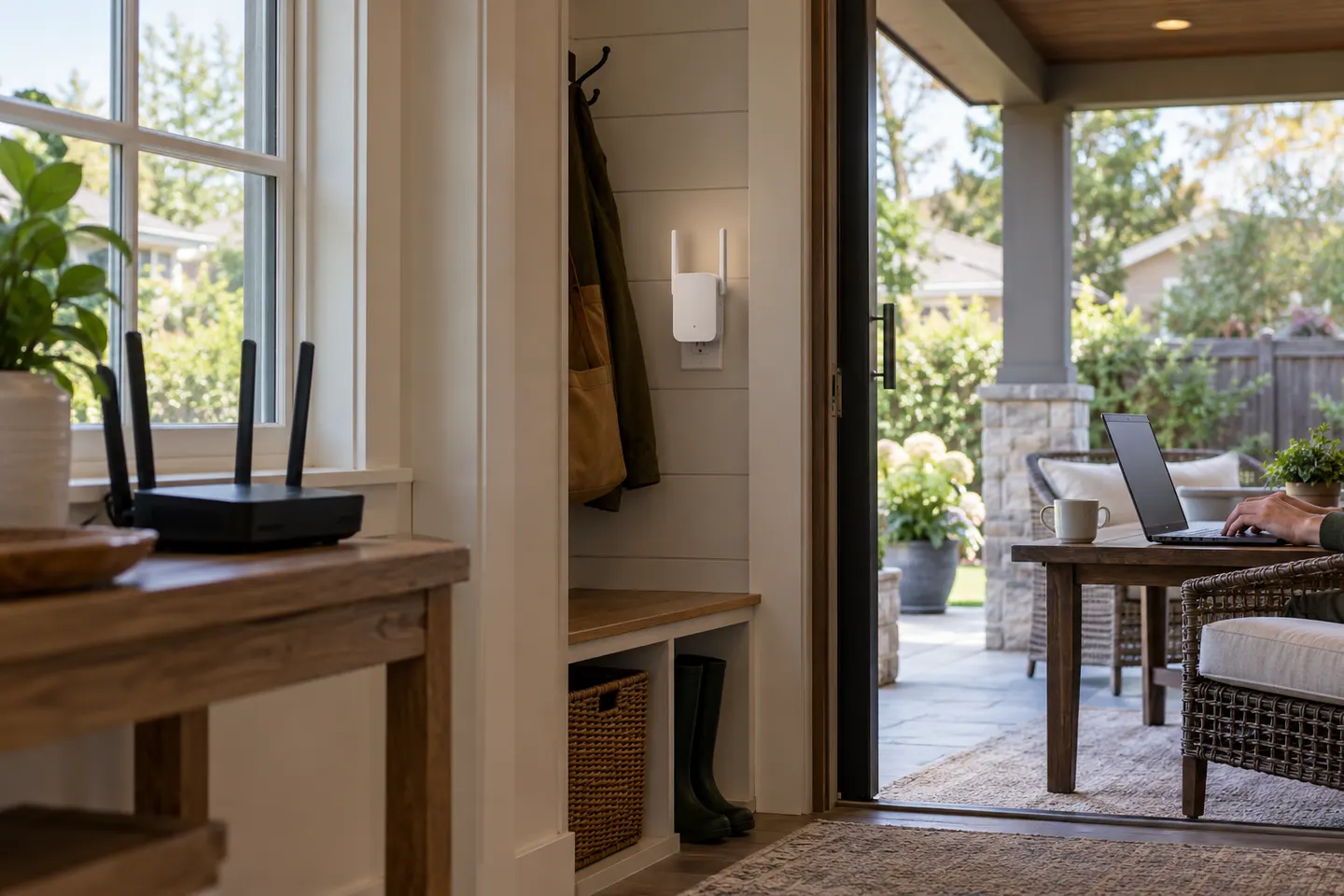
An extender receives a signal from the router and rebroadcasts it so devices can connect from another area. It depends on the original router connection; it is not a new broadband service.
It can help when a room sits just beyond reliable router coverage and a suitable socket is available between that room and the router. A wired access point may suit locations reachable by Ethernet.
The extender needs a usable signal to relay. Put it too far from the router and it has a weak connection to repeat; put it too close and it may not reach the problem area. Test a few positions.
An extender will not raise your broadband plan's capacity or repair a faulty router, line or congested network. It can also add another wireless hop, so speed may differ from a direct router connection.
If several rooms or floors need coordinated coverage, a mesh system may be easier to manage than multiple standalone repeaters. Compare compatibility and backhaul options before switching.
Check whether the devices and tasks that matter work reliably in the target room. Compare signal and responsiveness at different placements rather than relying only on a headline speed figure.
Common questions
They can extend a usable WiFi signal into some nearby areas. Their benefit depends on the router link, placement, building and client devices.
They can reduce available throughput compared with a direct router link, especially when they use the same wireless connection to receive and rebroadcast. Exact results depend on design and conditions.
It may improve the connection in a dead spot, but it does not increase the broadband service's underlying capacity. A weak line or overloaded router needs a different fix.
There is no dependable universal distance. Walls, interference, router placement and model all affect coverage; use the manufacturer's guidance and test at home.
Keep exploring
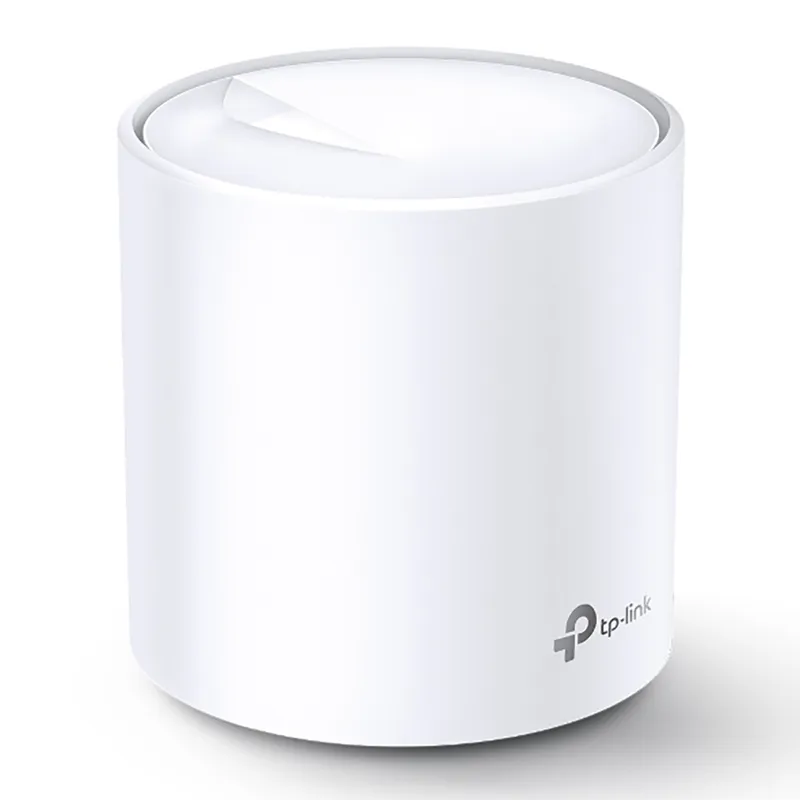
An extender is a focused way to relay an existing router signal into a nearby weak spot. Mesh uses coordinated nodes for a unified network across more of the home, if the layout suits a system change.
TP-Link RE315 is a practical starting point for a standard indoor dead zone. Consider a Wi-Fi 6 device for newer kit, outdoor-rated hardware for a garden, or powerline where a wireless hop struggles.
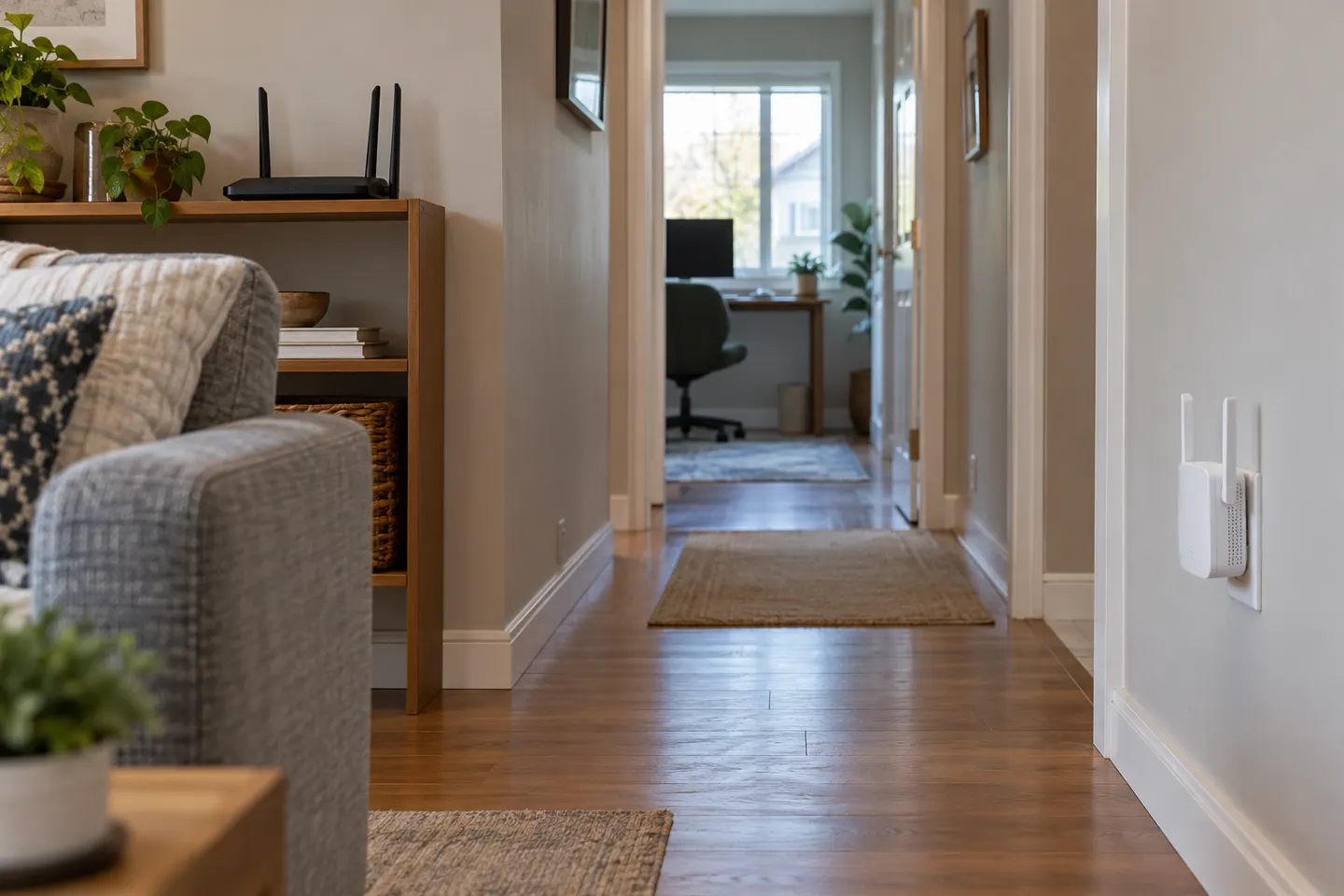
A WiFi extender can carry your router signal further, but placement and backhaul matter. Choose a plug-in repeater for a nearby dead zone, powerline WiFi for difficult layouts, or an outdoor-rated unit for a garden.
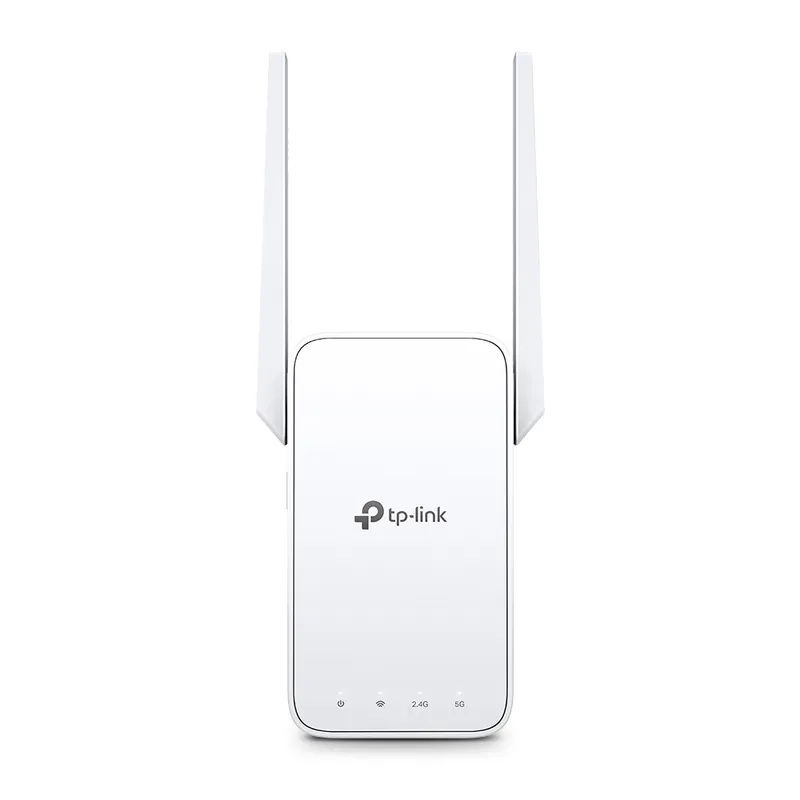
TP-Link sells plug-in repeaters and powerline kits. Check EasyMesh support, Ethernet needs and the exact UK hardware revision before buying.