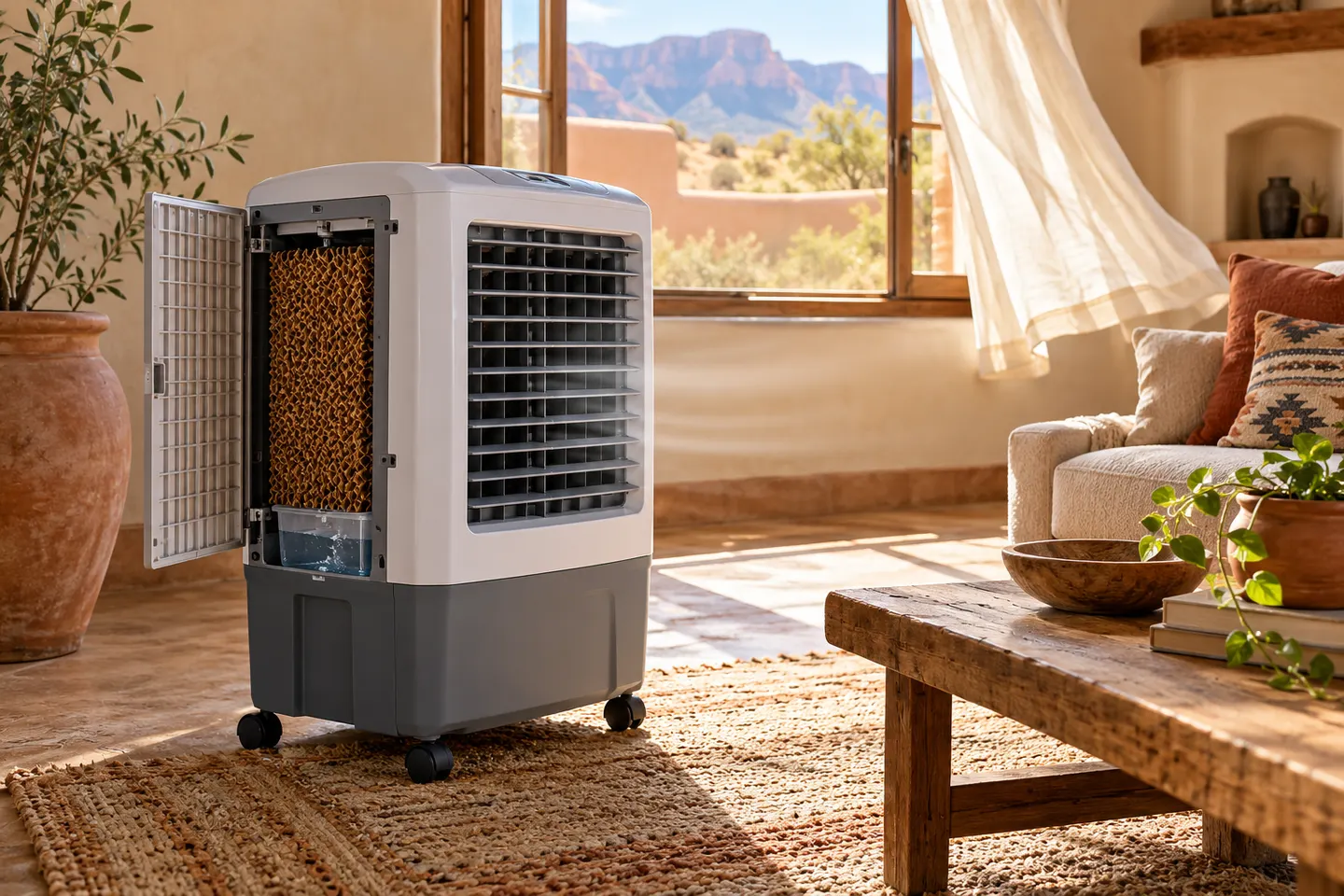
What Is a Swamp Cooler Air Conditioner and How Does It Work?
A swamp cooler is an evaporative cooler: it moves air through water-wetted media, adding moisture as it creates a cooler-feeling airflow.

 Best picksGood Meat Thermometers for Every Kind of Cook
 Best picksBest WiFi Extenders: Which Range Extender Should You Buy?
 Best picksBest Dash Cams for Cars in 2026
 Best picksBest Radar Detectors for Cars: Models Compared
 Best picksGood Winter Gloves for Cold Weather: Five Useful Picks
 Best picksBest Headlamps: Six Lights Compared for Different Uses
 Best picksTop 10 Best Battery-Powered Weed Eaters for Different Yards
 Best picksBest Portable Air Coolers for Patios, Workshops and Small Spaces (2026)
 Best picksBest Air Purifier for Bedroom in the US: Quiet Models Compared
Start here
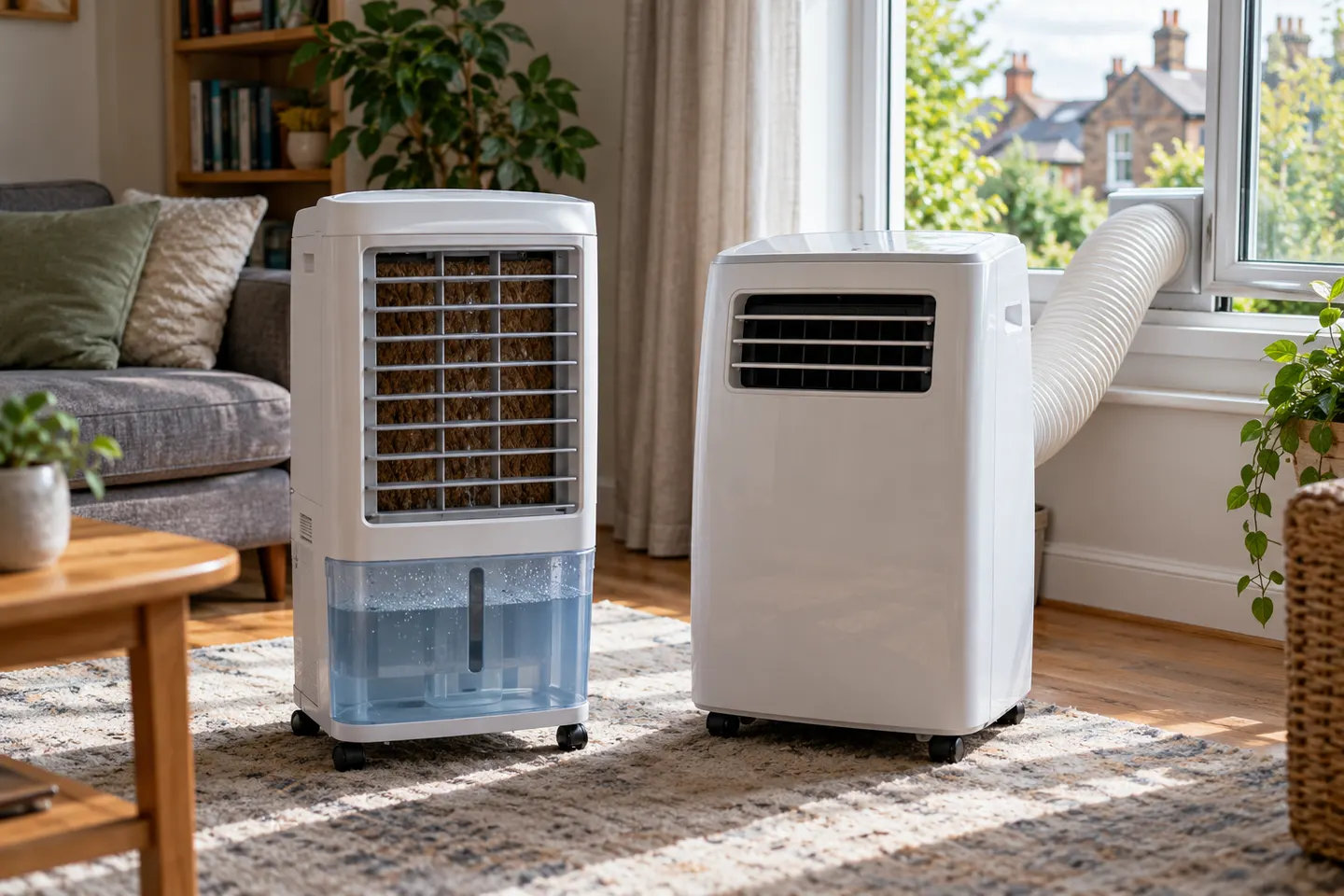
A swamp cooler is an evaporative cooler: it moves air through water-wetted media, adding moisture as it creates a cooler-feeling airflow.

Choose an evaporative swamp cooler for dry air when you can ventilate; choose air conditioning when you need more dependable cooling across humid conditions or need dehumidification.
Our picks
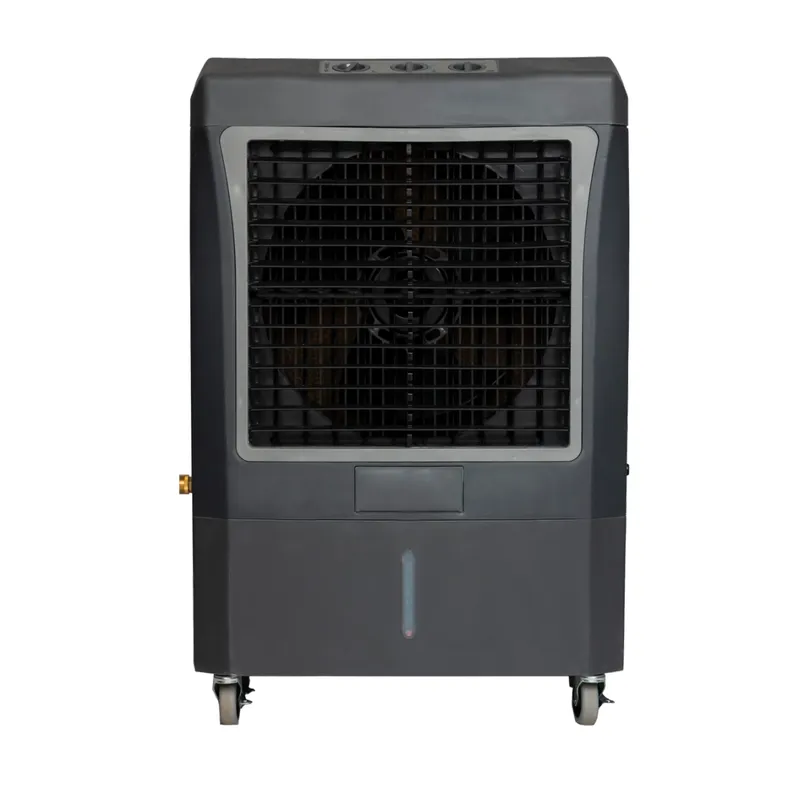
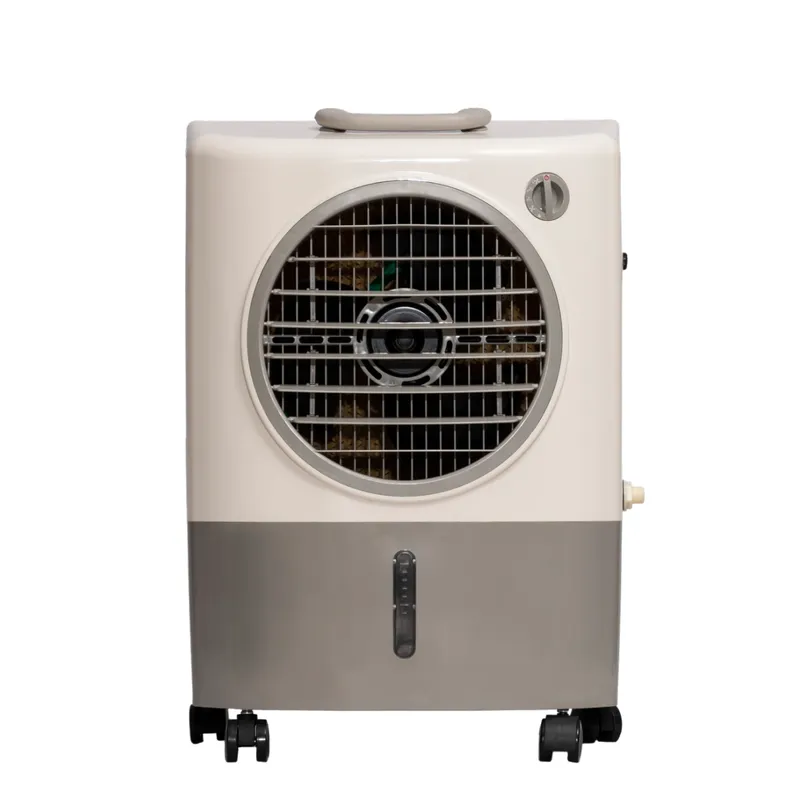 Official manufacturer image
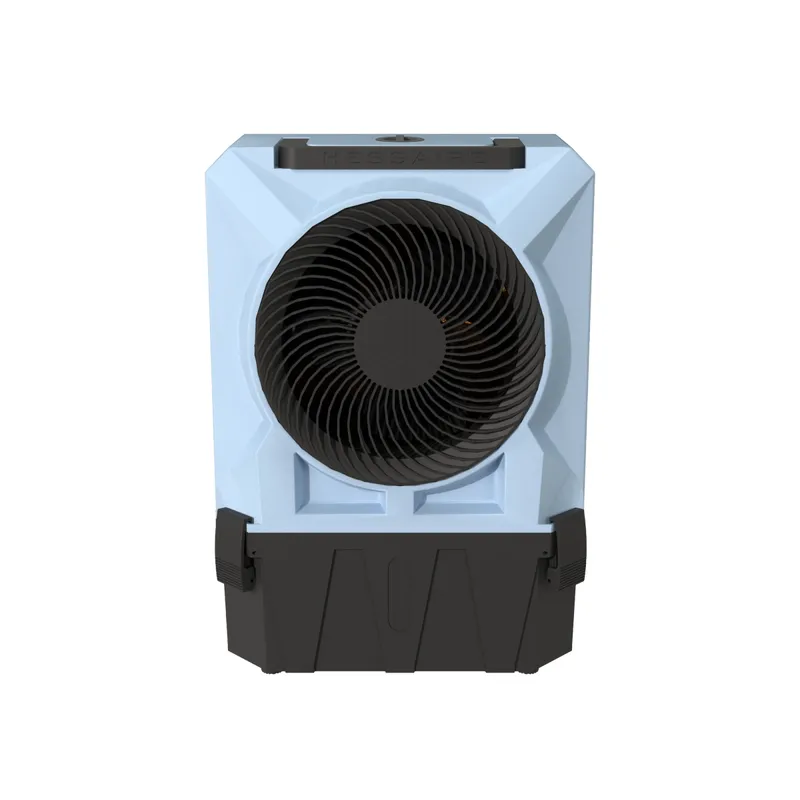 Official manufacturer image
 Official manufacturer image
Head to head
Choose an evaporative swamp cooler for dry air when you can ventilate; choose air conditioning when you need more dependable cooling across humid conditions or need dehumidification.
Choose an evaporative swamp cooler for hot, dry air and a ventilated space. Choose an air conditioner when you need compressor cooling or moisture removal, especially in humid weather.
Choose a swamp cooler for dry air, ventilation and water-based cooling. Choose a window air conditioner when you need refrigeration-based temperature control, including in humid weather.
Common questions
An air conditioner is generally better when you need controlled temperature or dehumidification. An evaporative cooler can suit dry climates and ventilated spaces, but its effect changes with humidity.
No. An evaporative cooler uses water evaporation and adds moisture to the airflow. An air conditioner transfers heat using a refrigeration cycle and normally exhausts it outdoors.
No. Both can be used for warm-weather comfort, but they operate differently and perform best in different conditions. Evaporative coolers need dry air and ventilation.
They can occupy the same space, but an evaporative cooler adds moisture that may counter the AC’s dehumidifying effect. Follow both manuals and consider the room’s humidity.
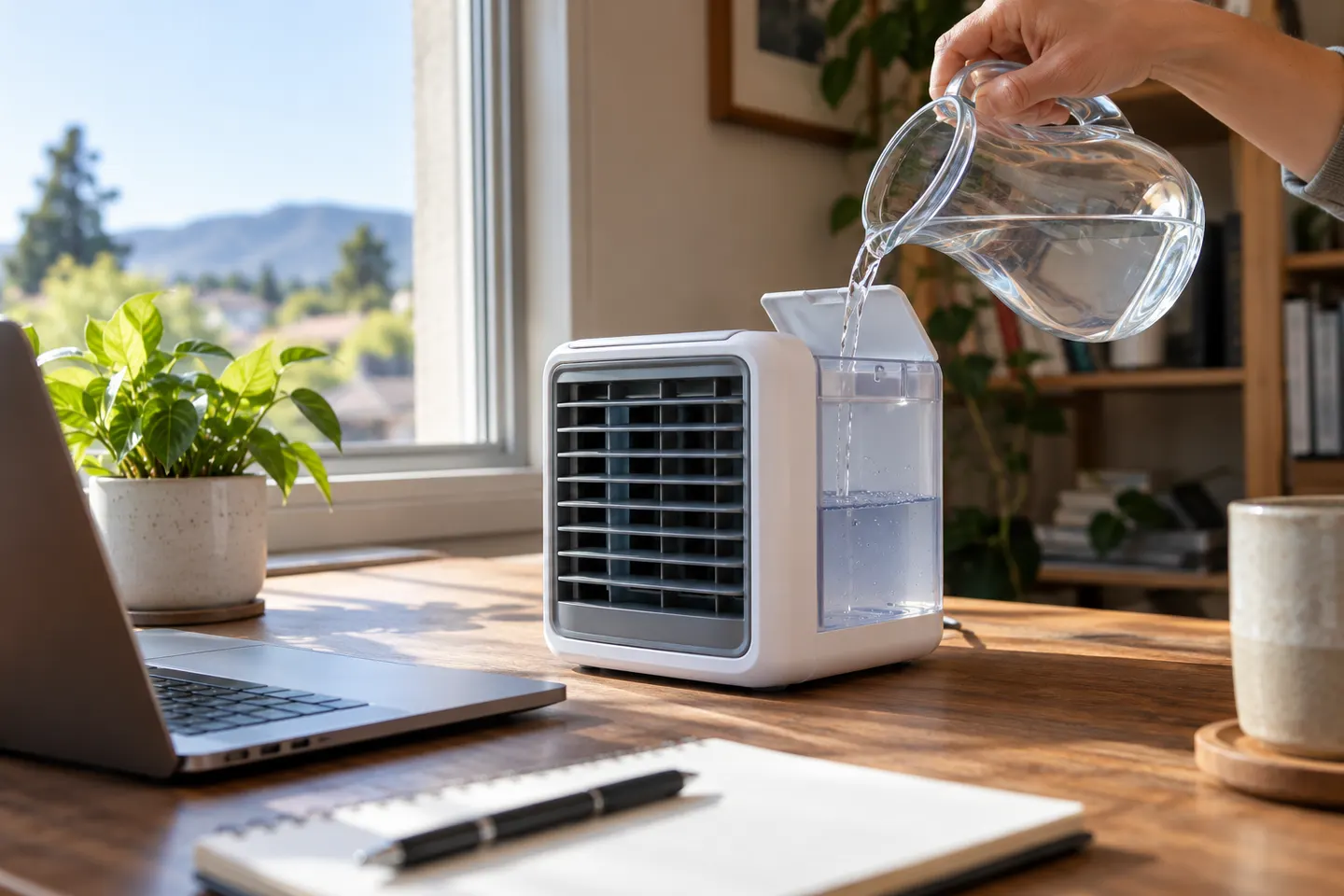 Mini conditioner
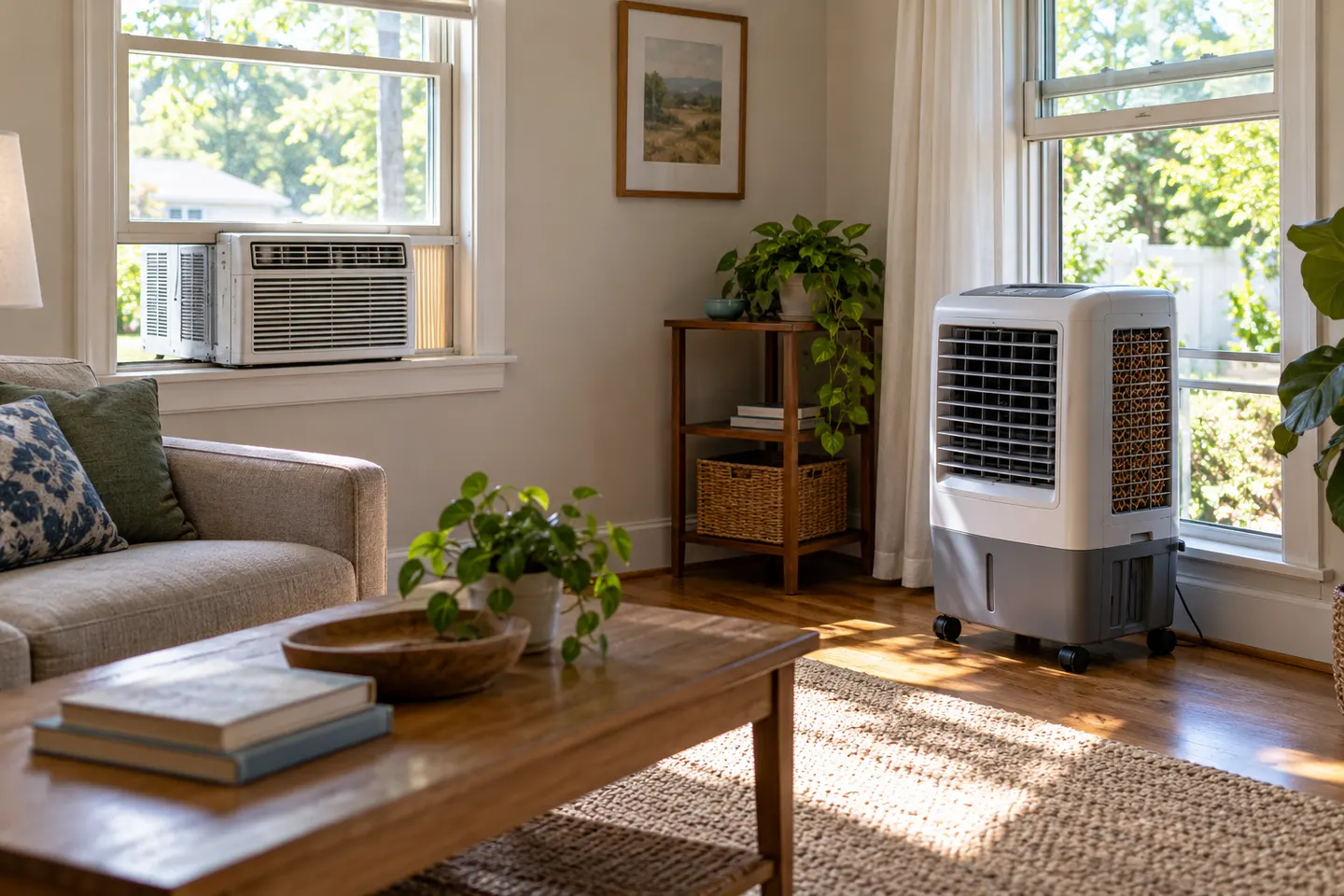 The Difference Between an Air Conditioner and an…