









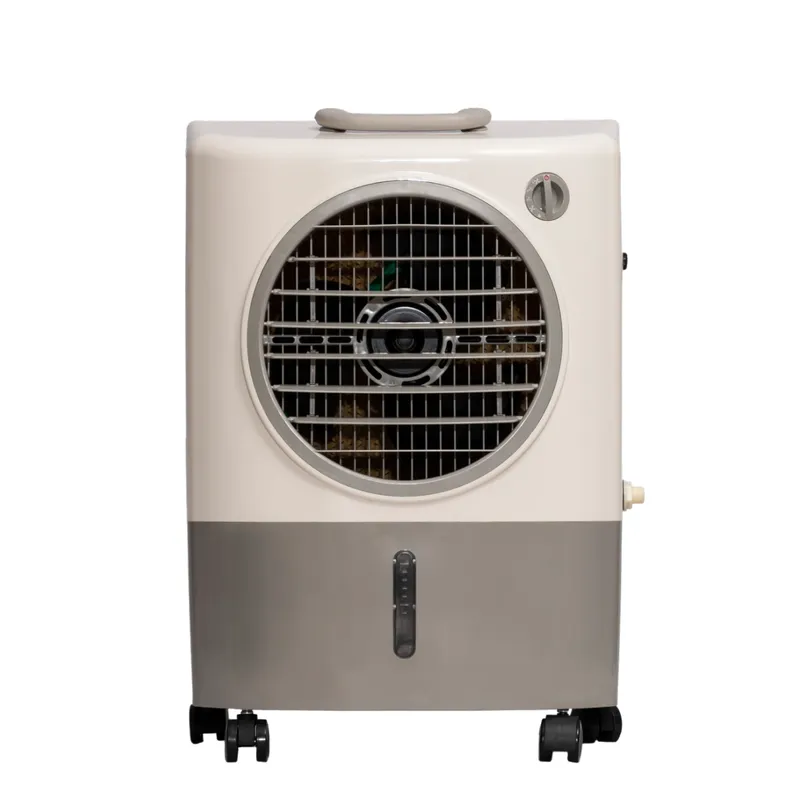
 Official manufacturer image
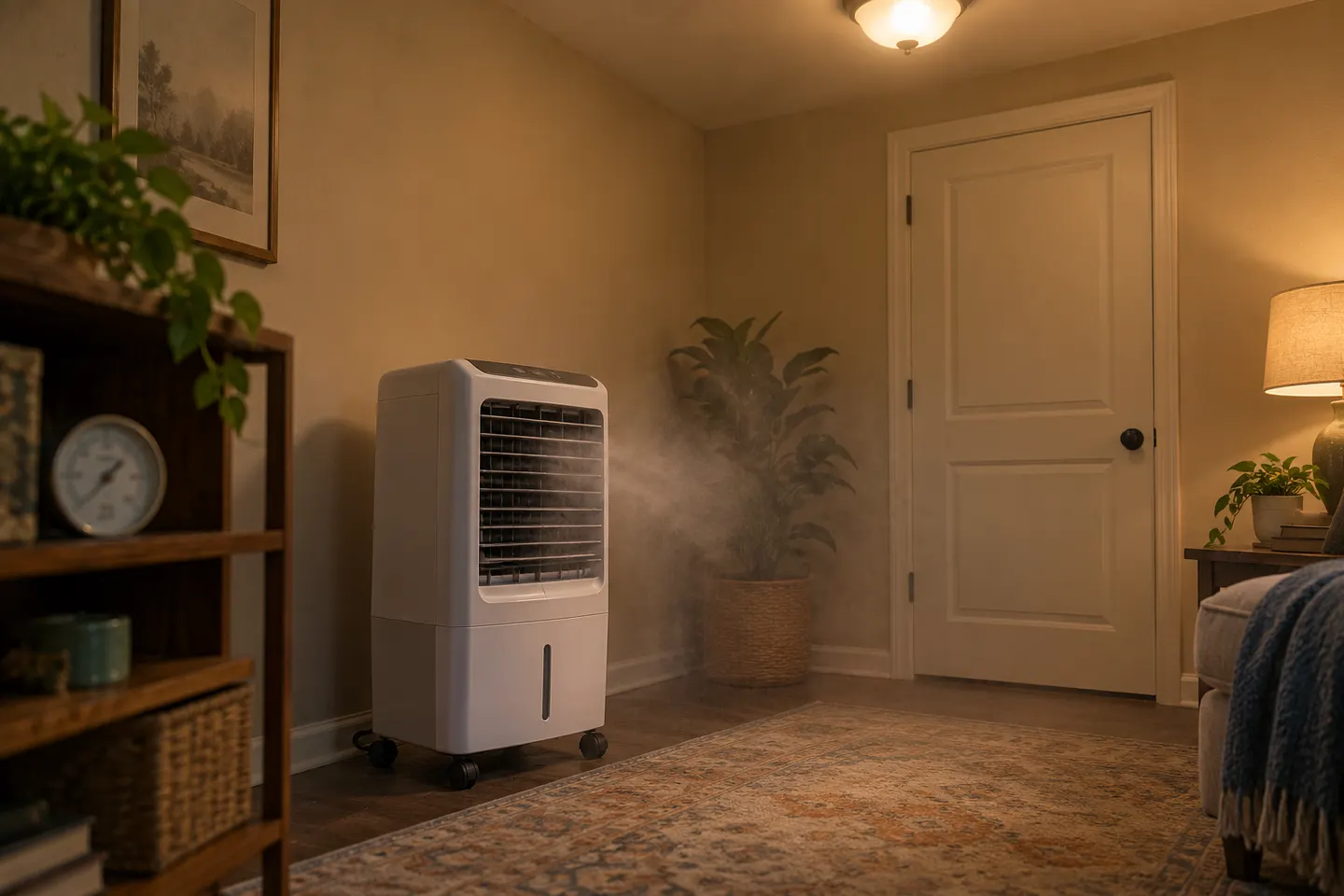
Our picks
Top picks
Official manufacturer image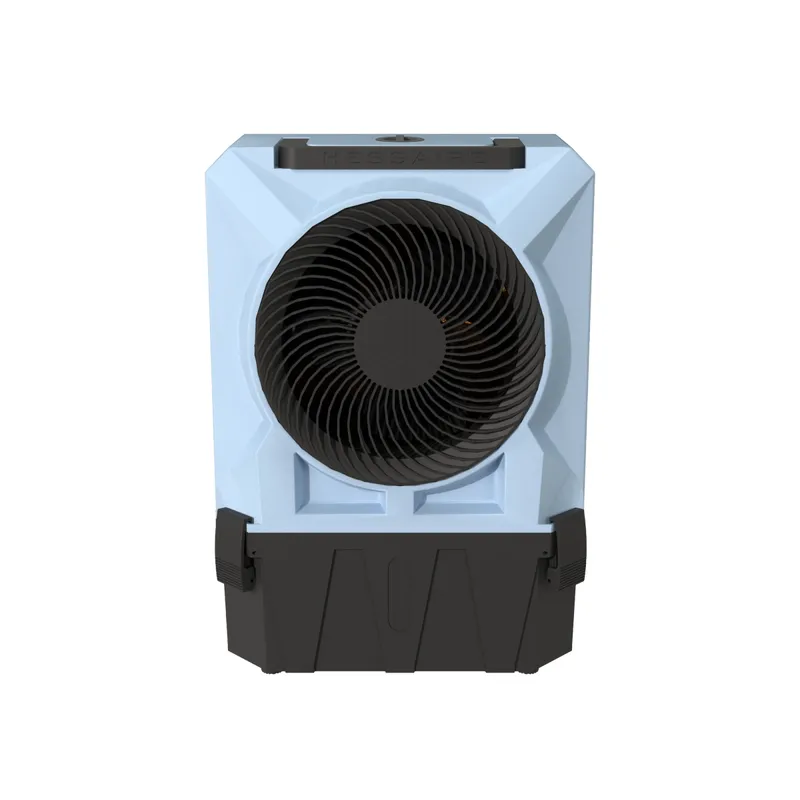 Official manufacturer image
Hessaire MC12V
Check price on Amazon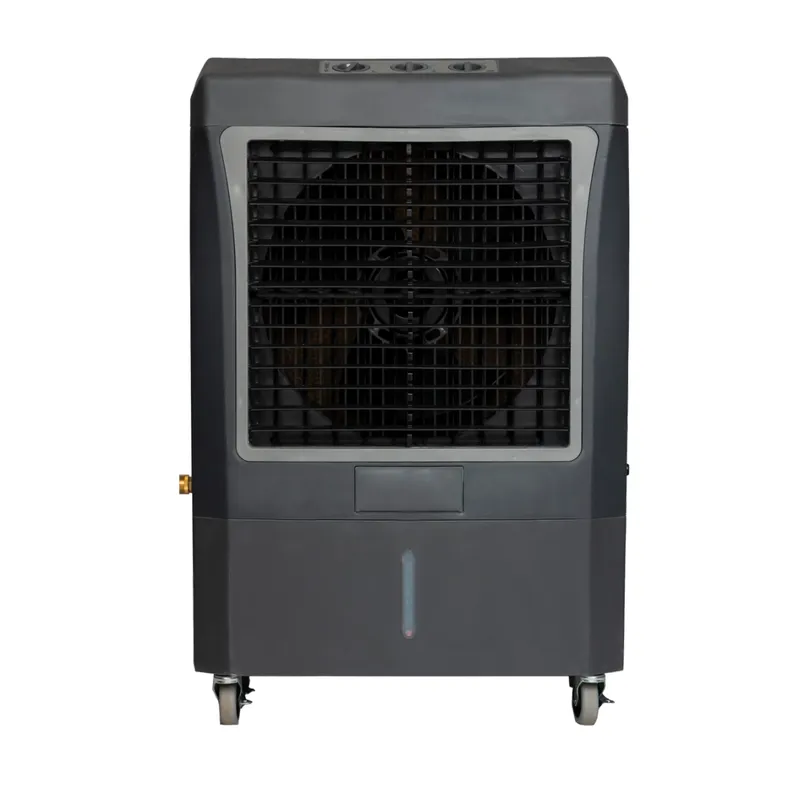 Official manufacturer image
Hessaire MC37M
Check price on AmazonBy type and size
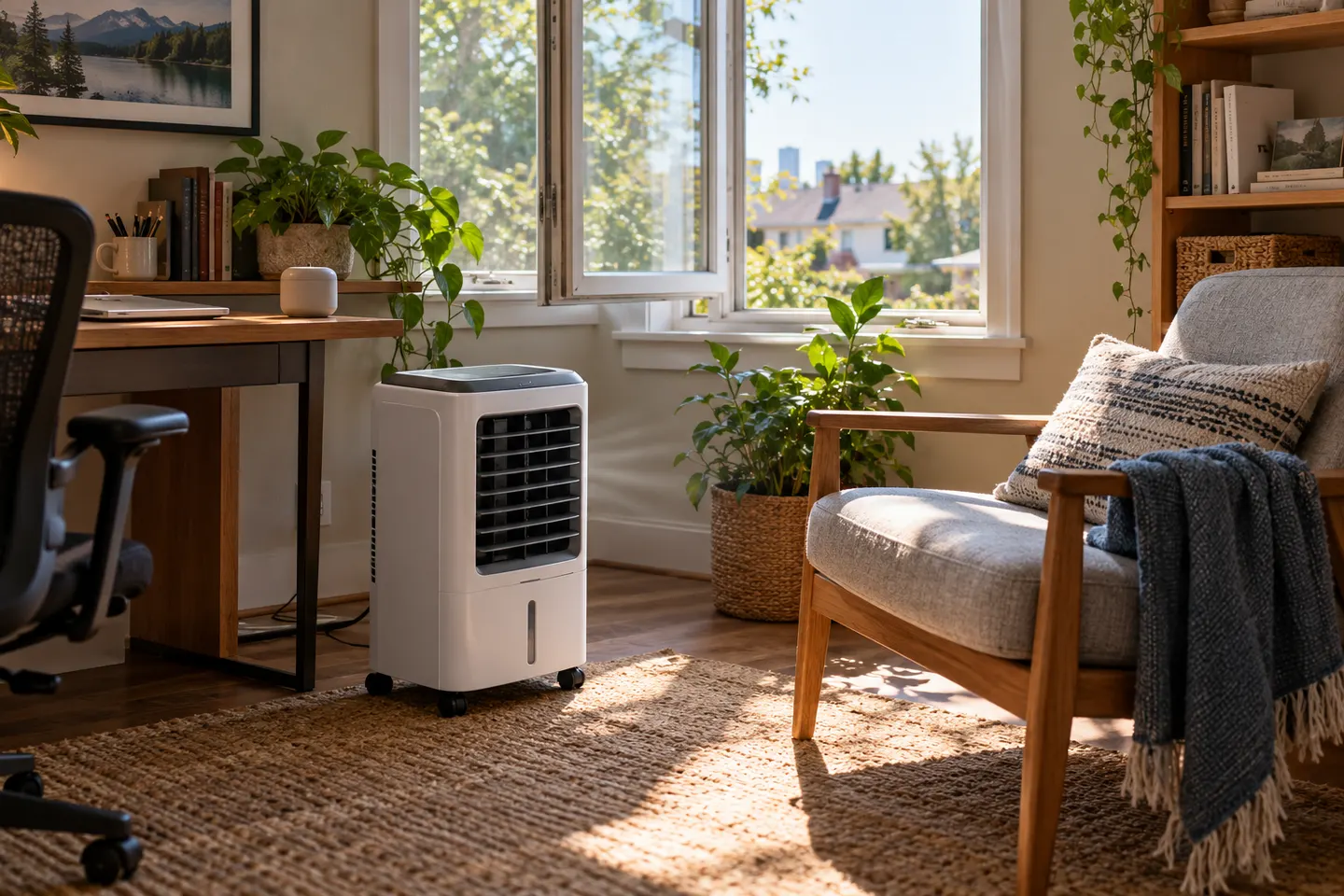 Room
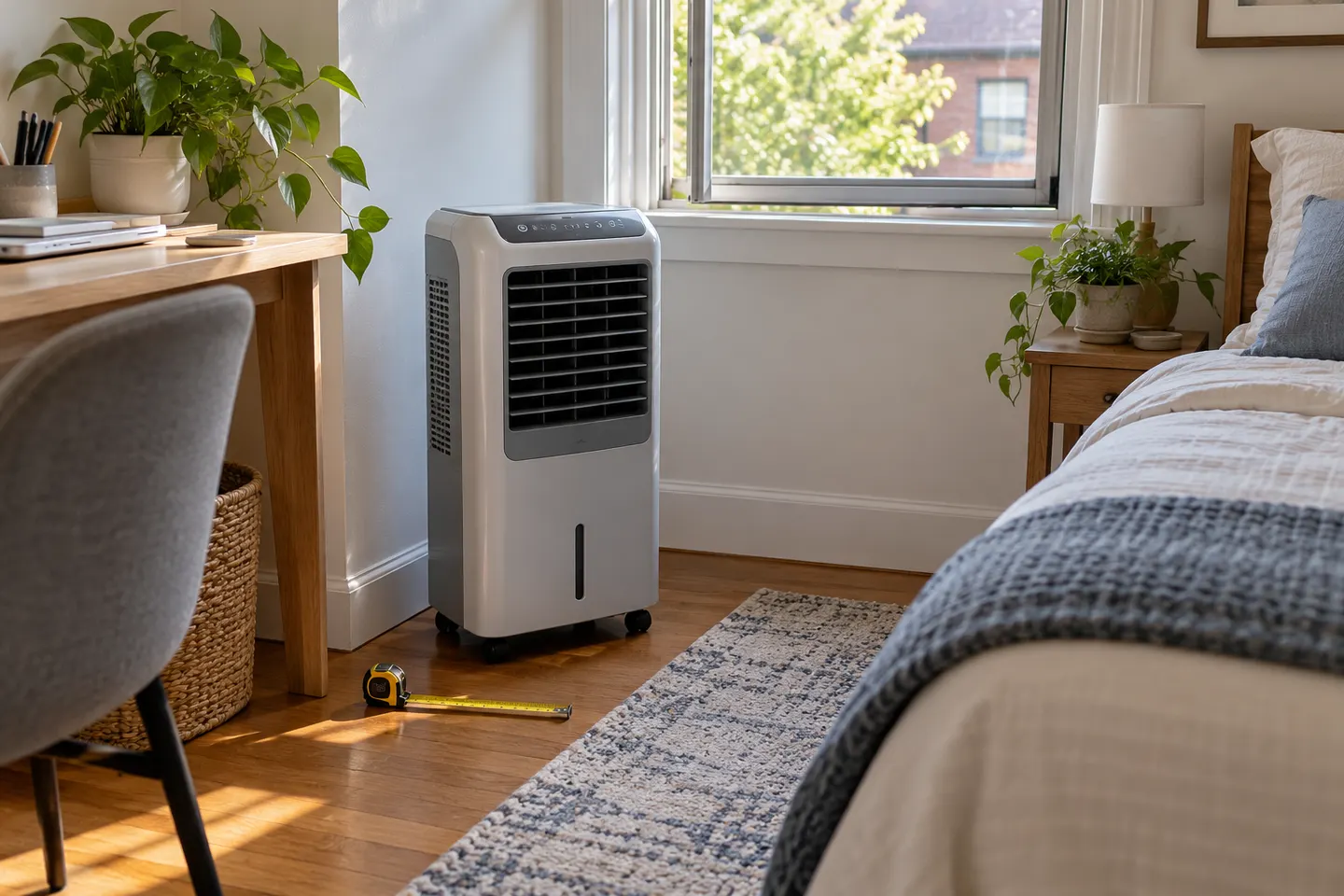 Small room
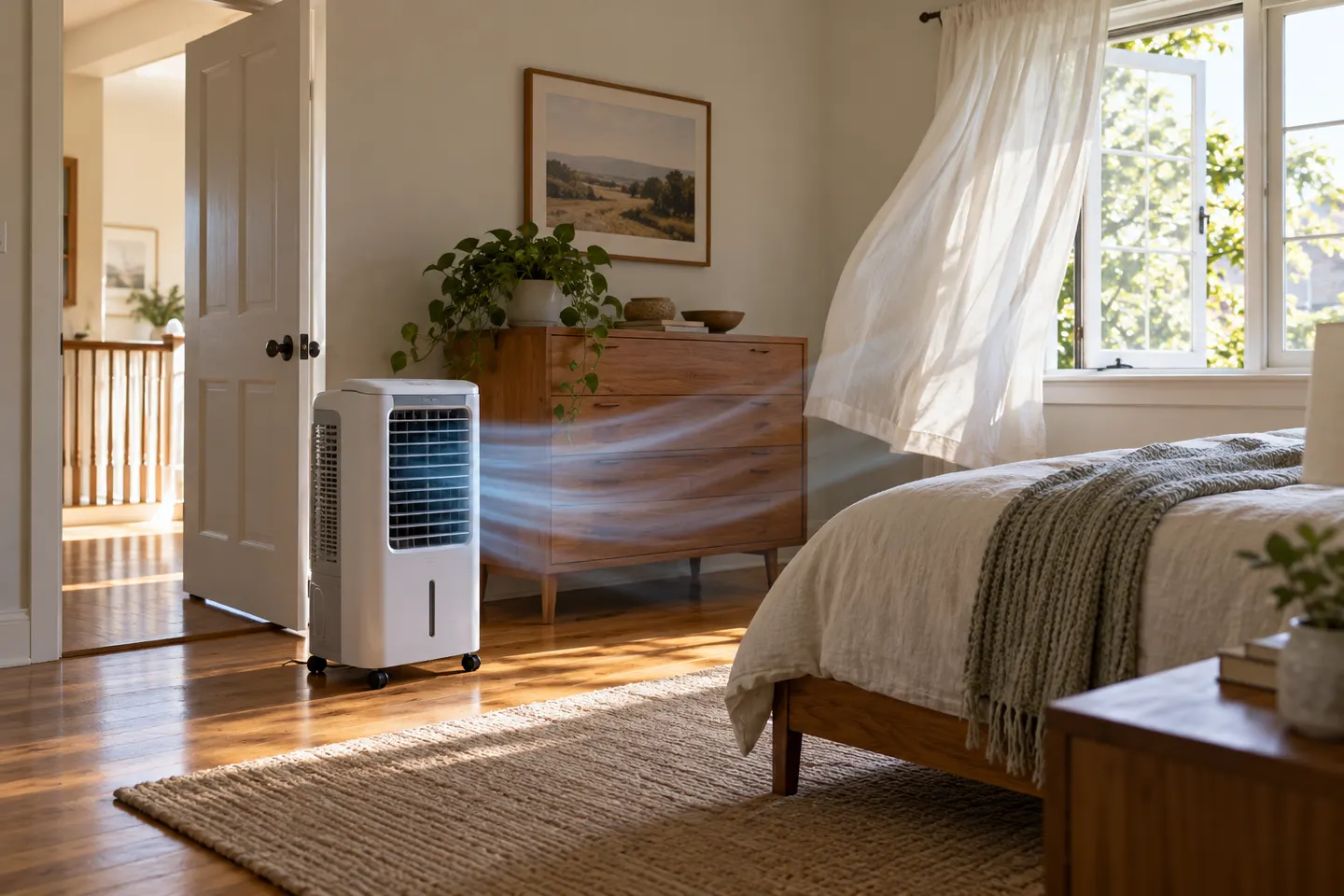 No window
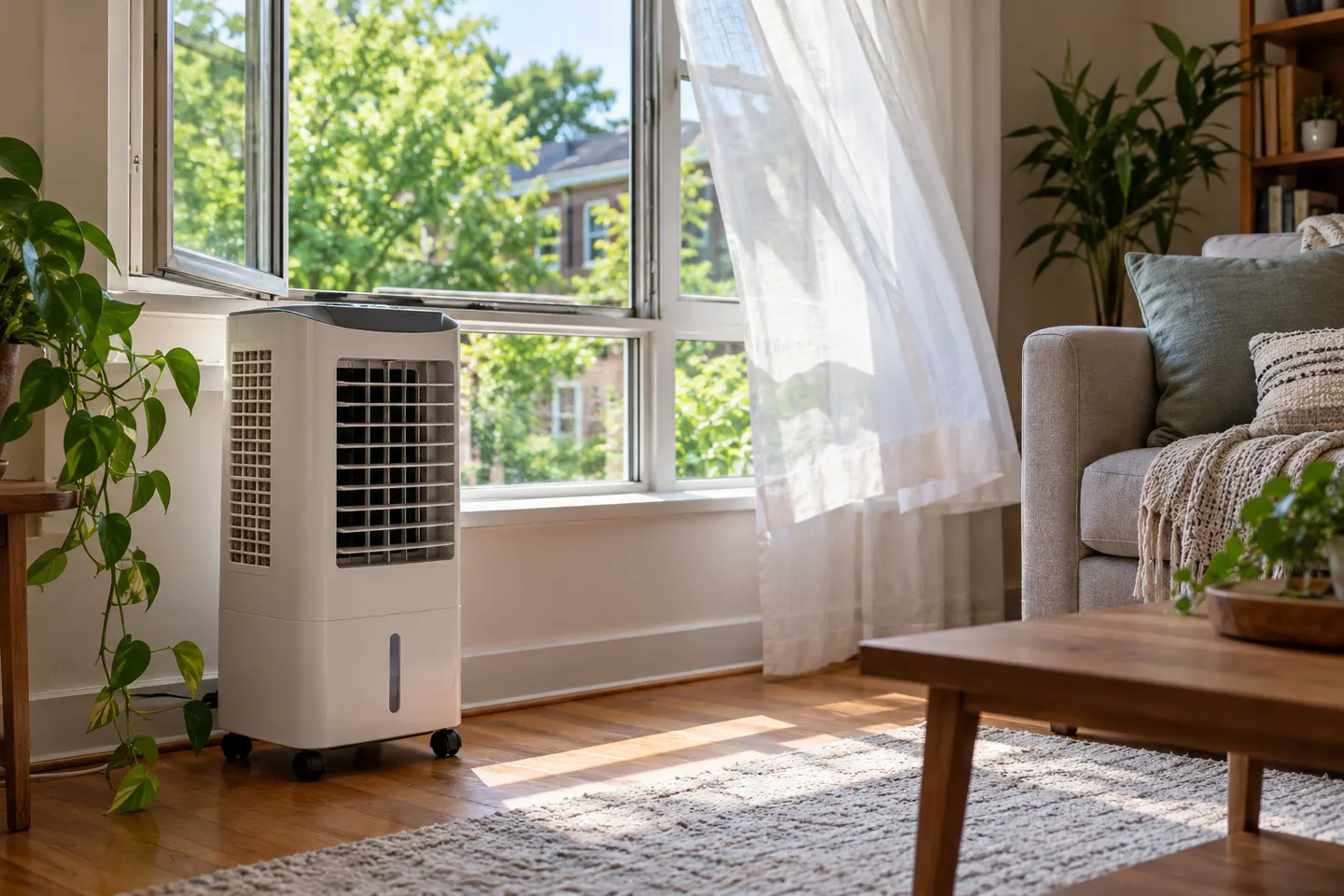 Window
By feature
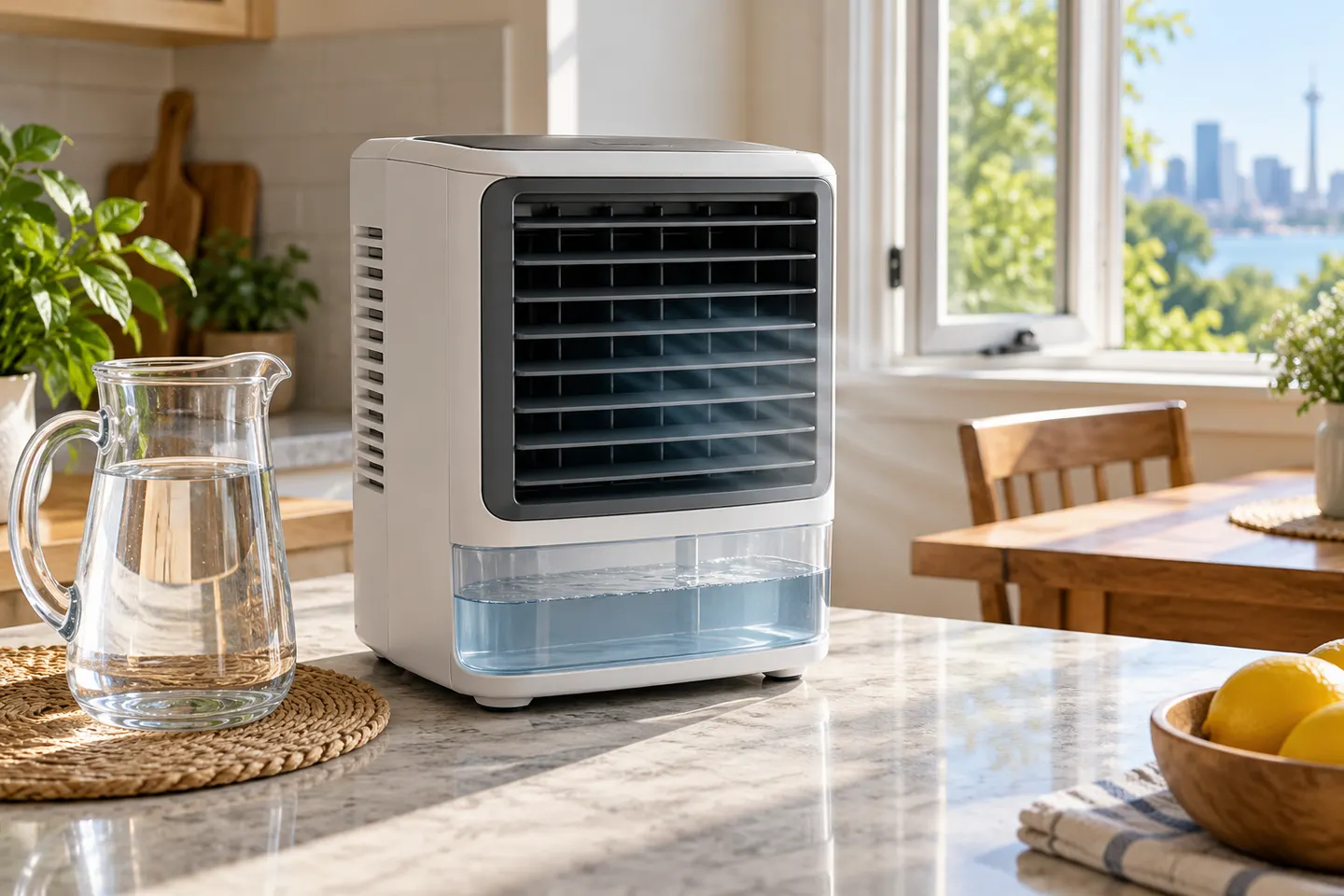 Without ice
How-to guides
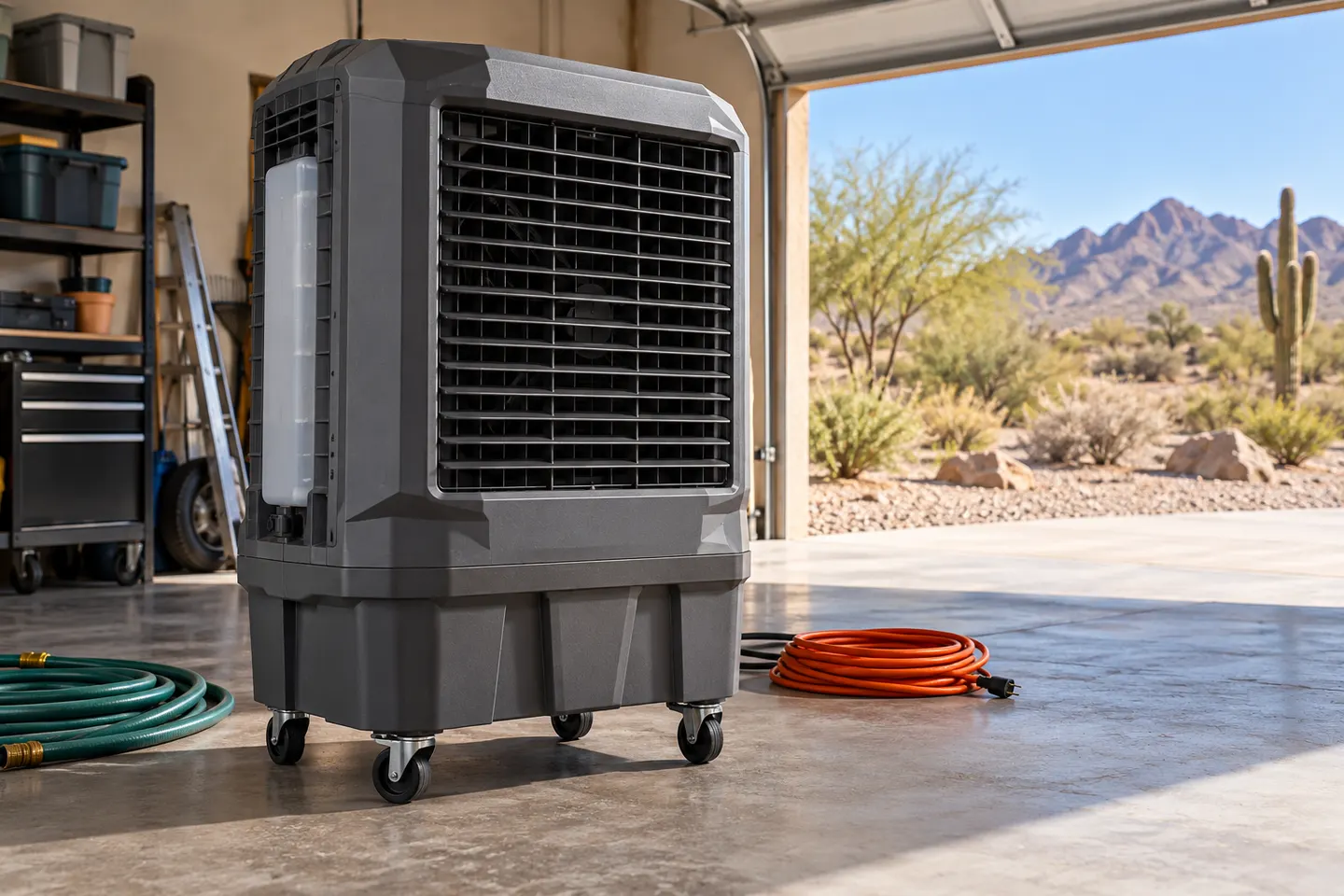 How to Use an Air Cooler Without Water
More topics
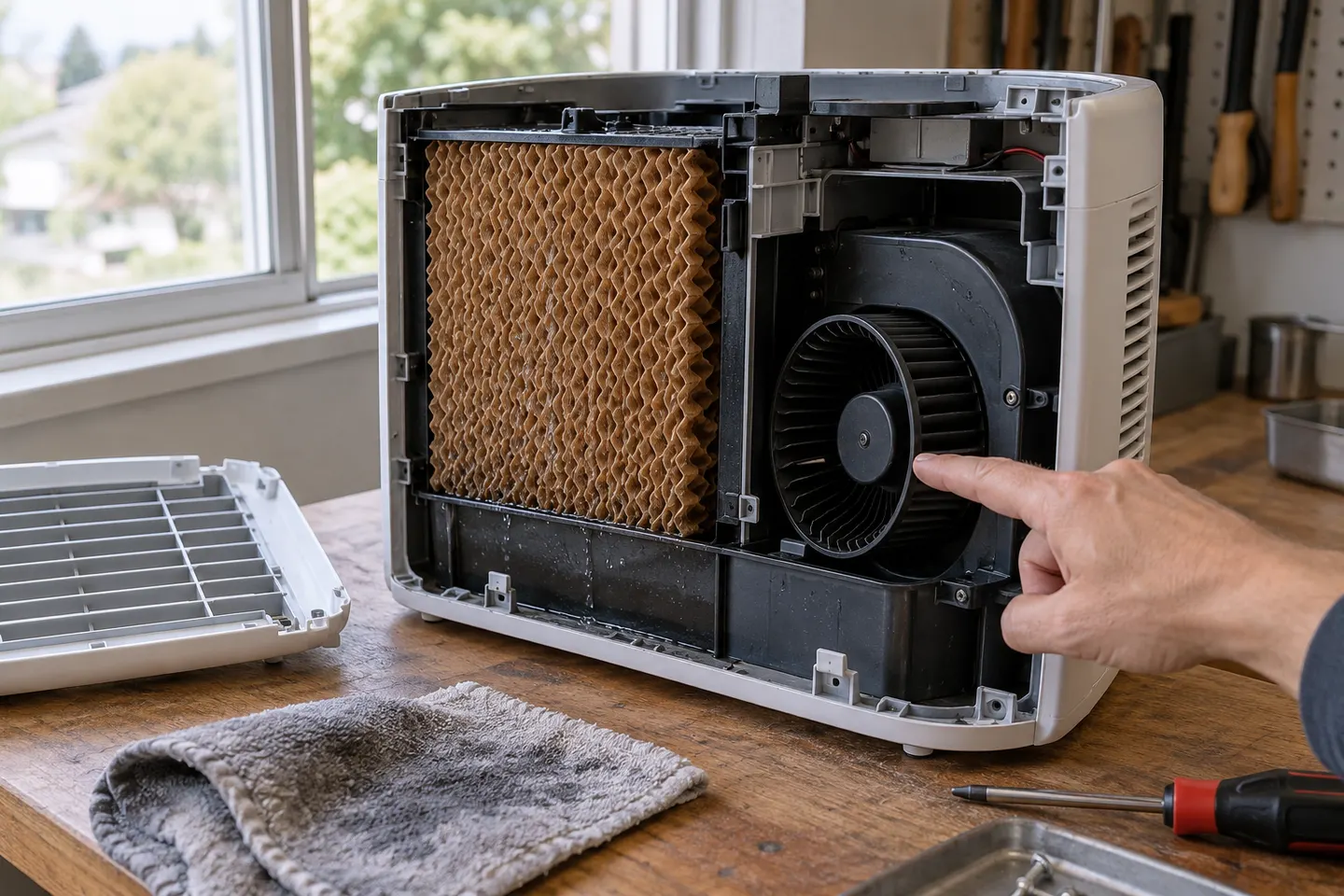 Can an Air Cooler Work Without a Fan?
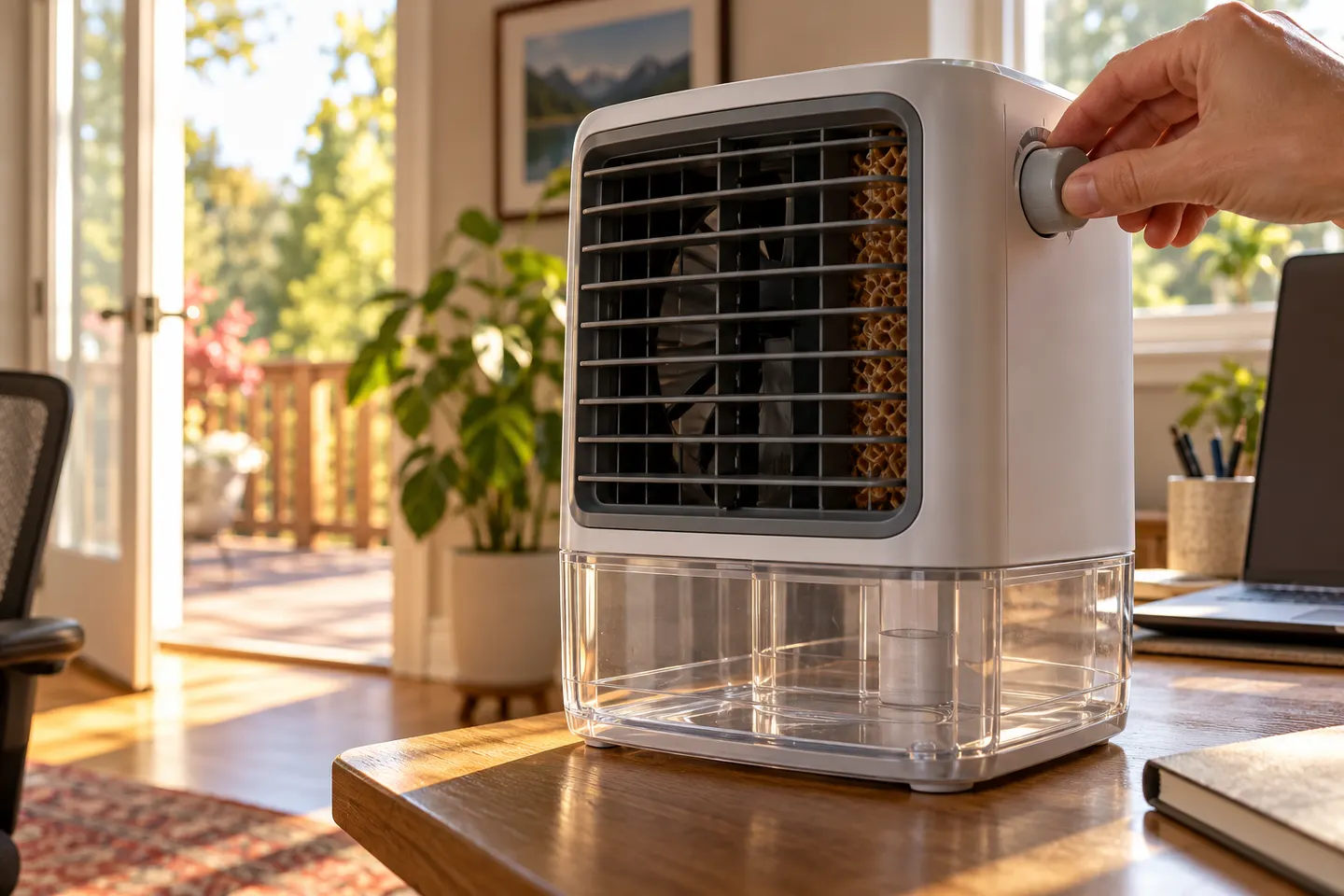 Air Cooler Without Water
Common questions
Questions before you buy
Can an evaporative cooler work in a room with no window?
Some units can run in different layouts, but direct evaporative cooling adds humidity and needs air exchange for comfort. Check manufacturer ventilation guidance and provide another suitable outlet if required.
Does a portable air conditioner need a window?
Most portable air conditioners need to exhaust hot air outdoors through a window kit or another approved opening. Check the installation manual for alternatives.
Will a fan cool a windowless room?
A fan can make a person feel cooler by moving air, but it does not remove heat from the room. The motor also adds a small amount of heat.
What should I do if the room gets humid?
Stop adding moisture, ventilate when outdoor conditions allow, and consider a cooling method that does not humidify the room. Address any persistent condensation.