









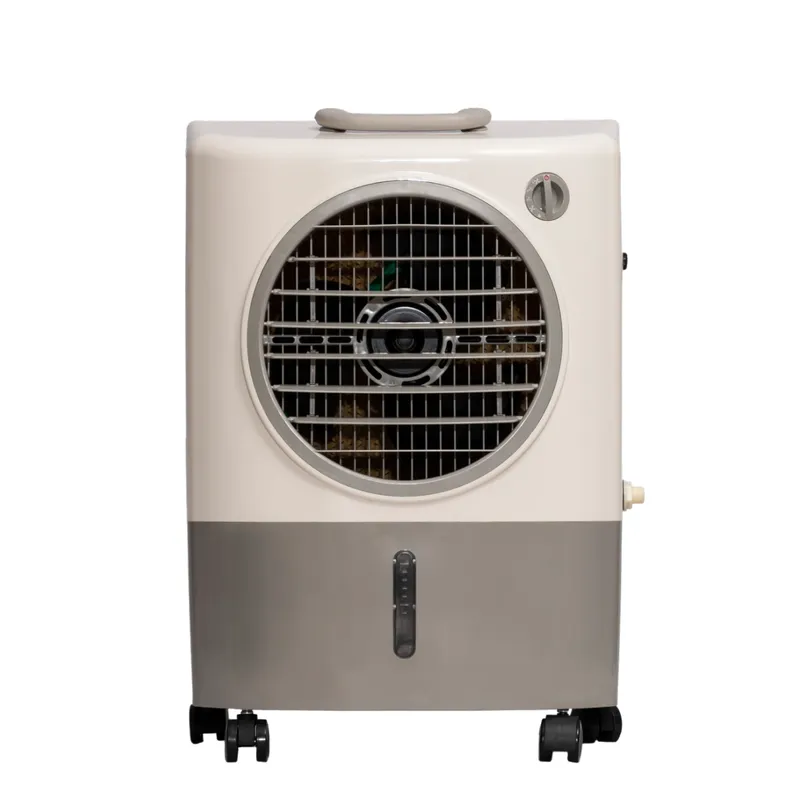
 Official manufacturer image
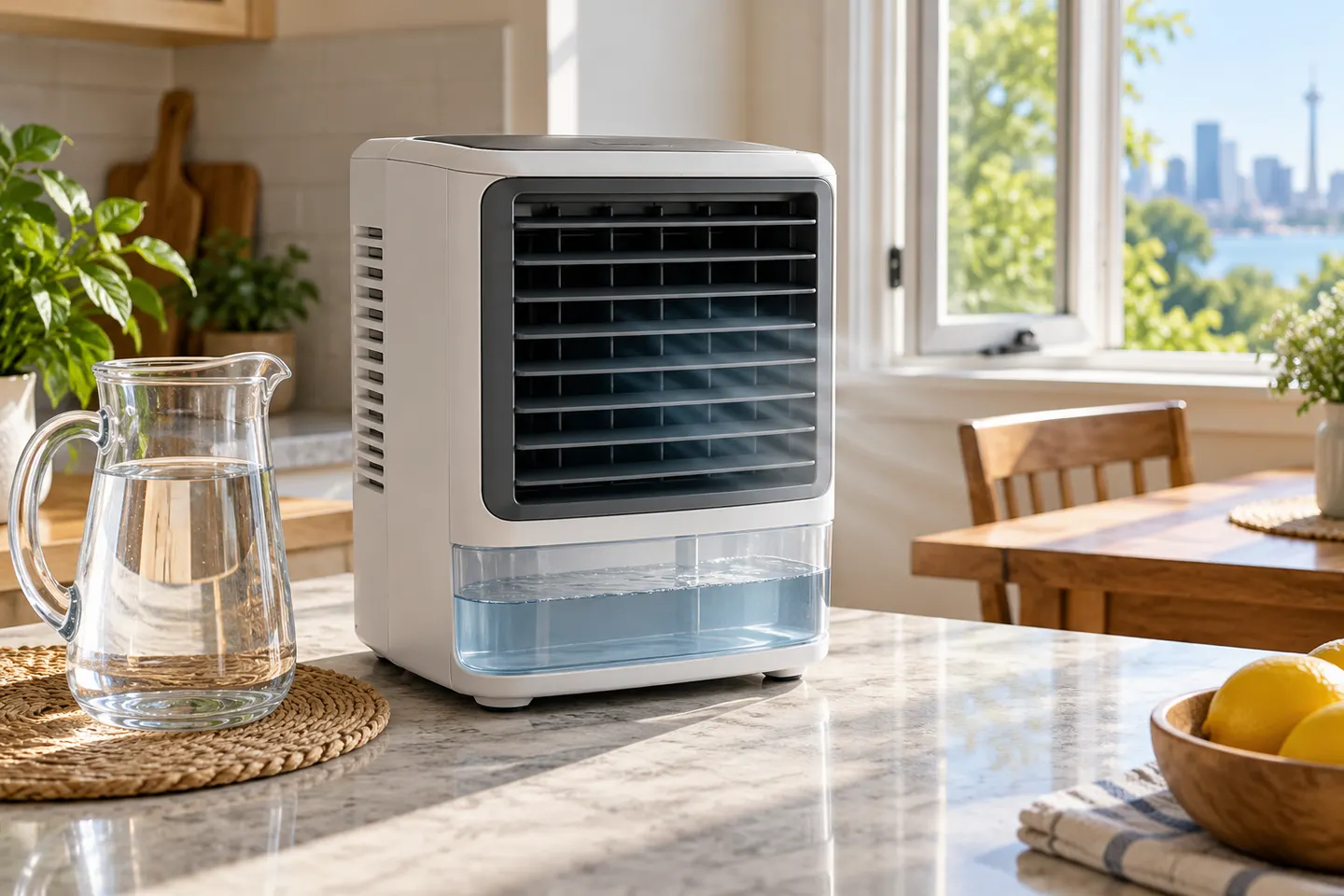
Our picks
Top picks
Official manufacturer image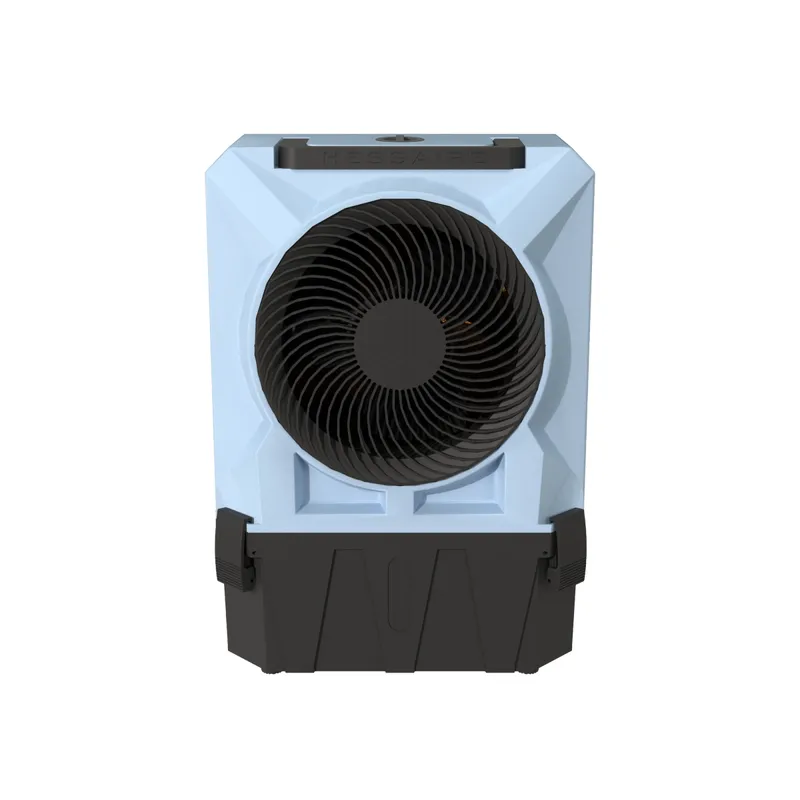 Official manufacturer image
Hessaire MC12V
Check price on Amazon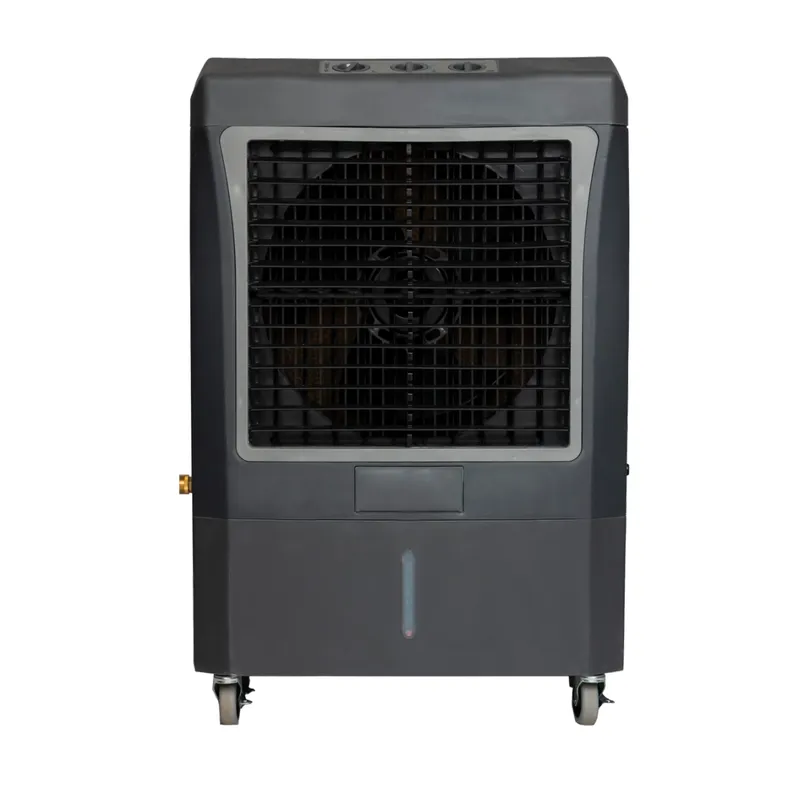 Official manufacturer image
Hessaire MC37M
Check price on AmazonBy type and size
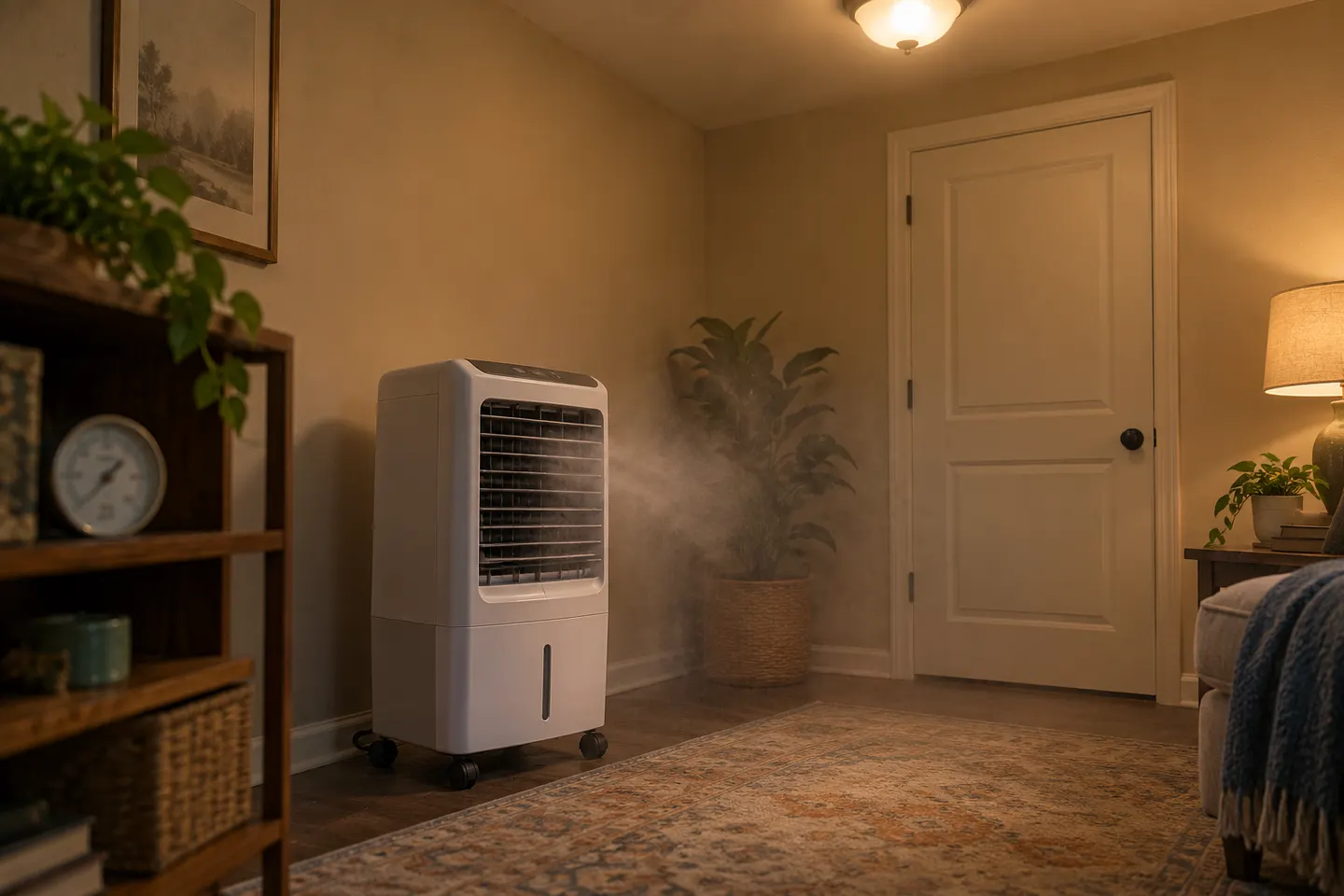 Room without window
By feature
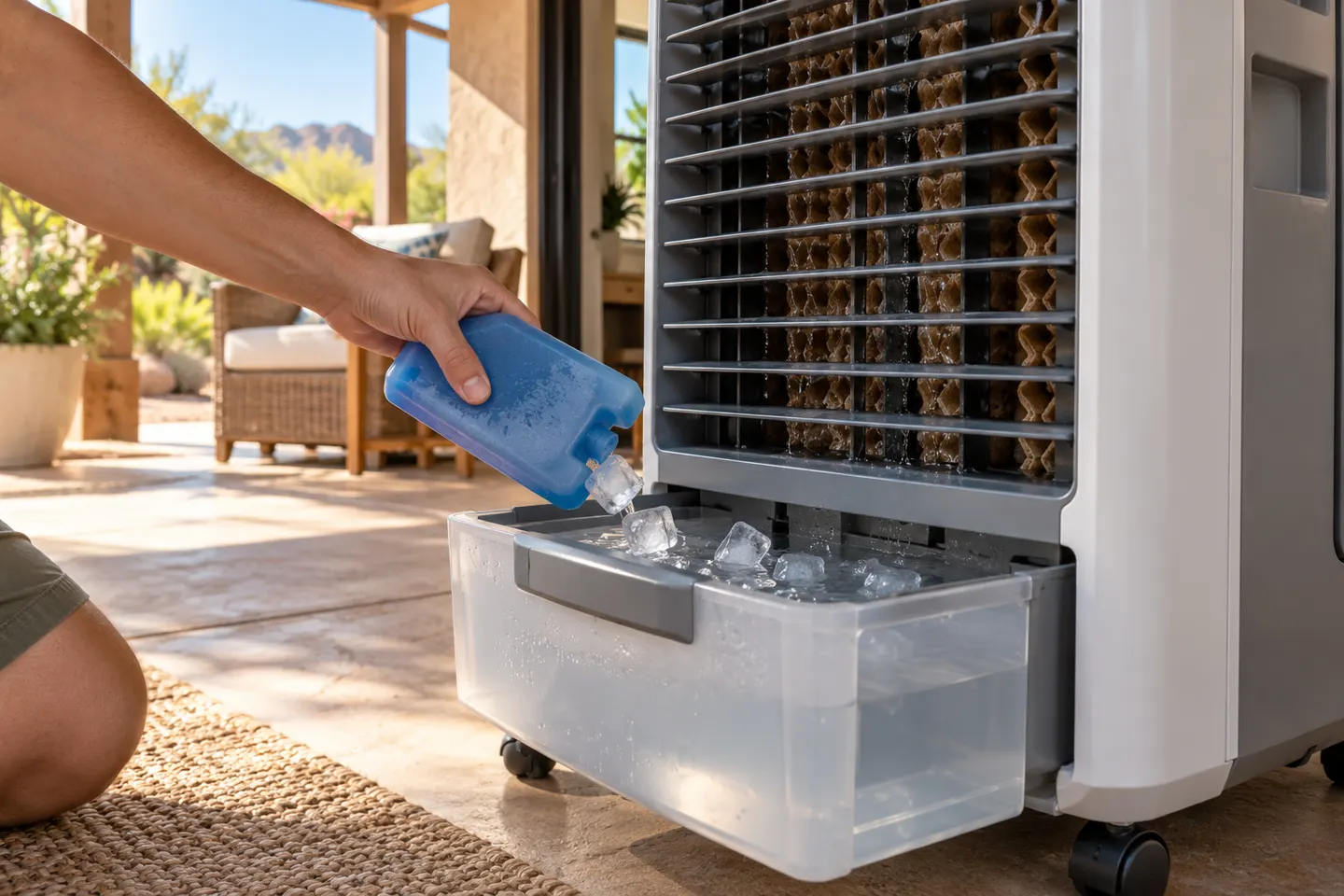 Ice
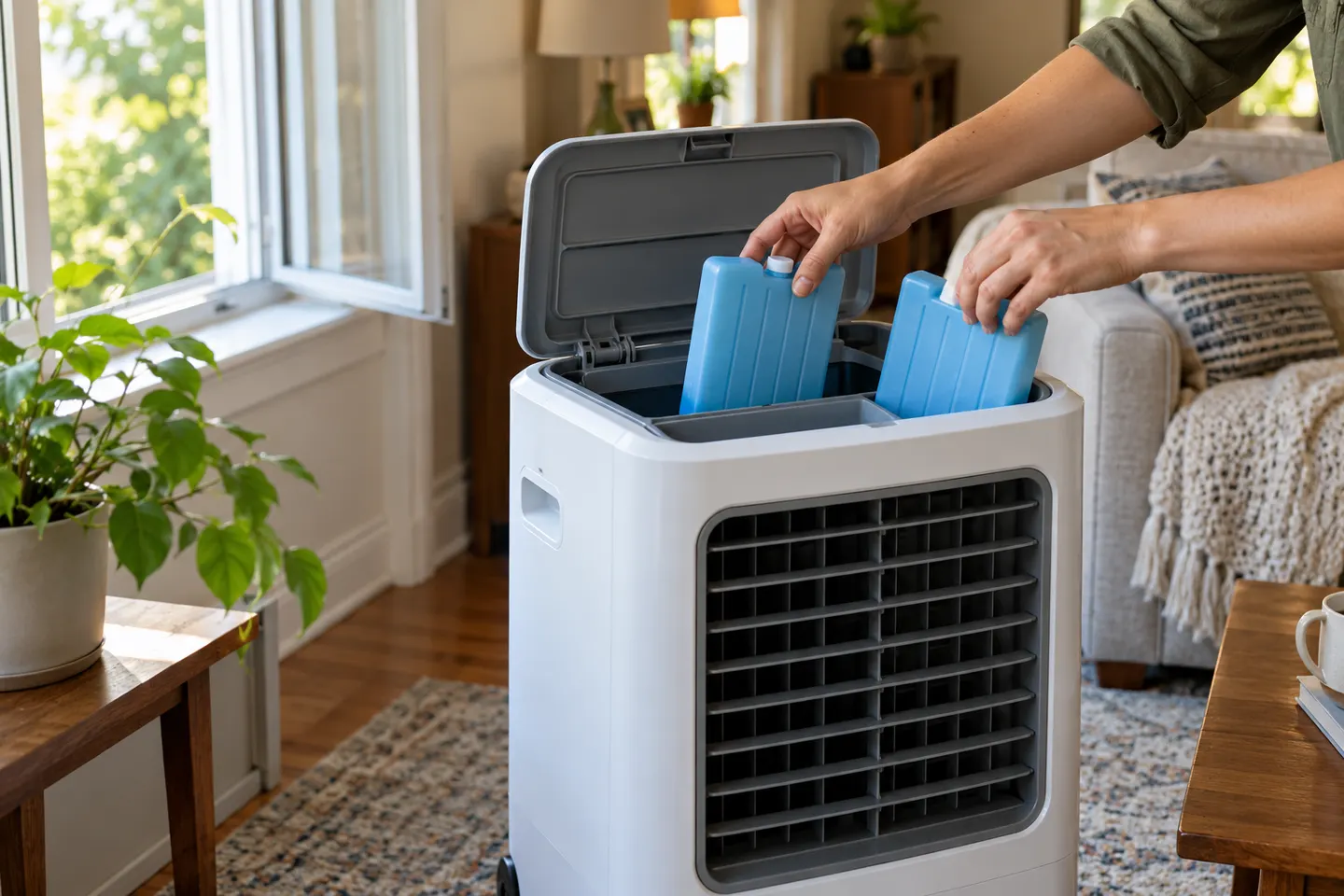 Ice packs
By place and use
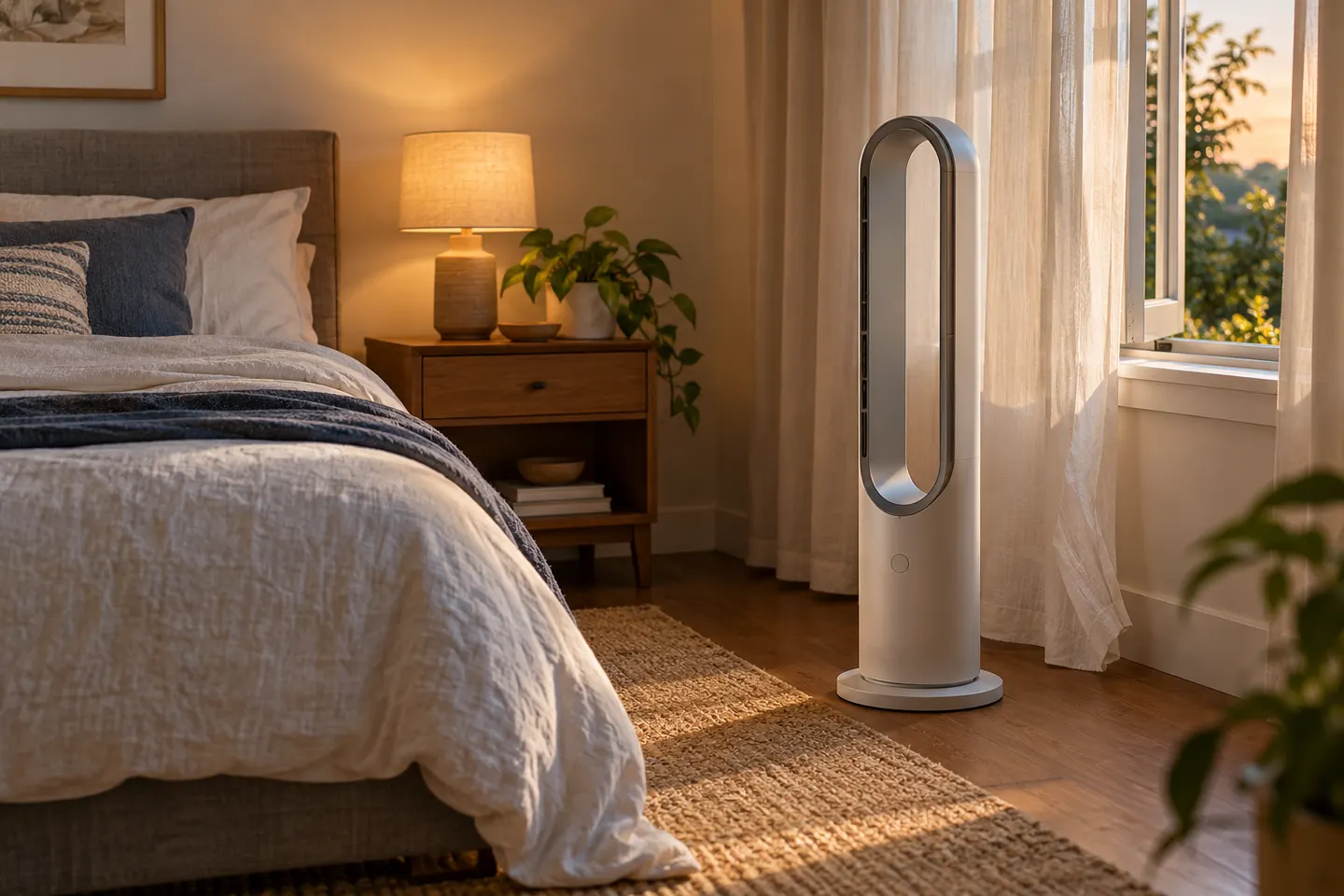 Without water home
How-to guides
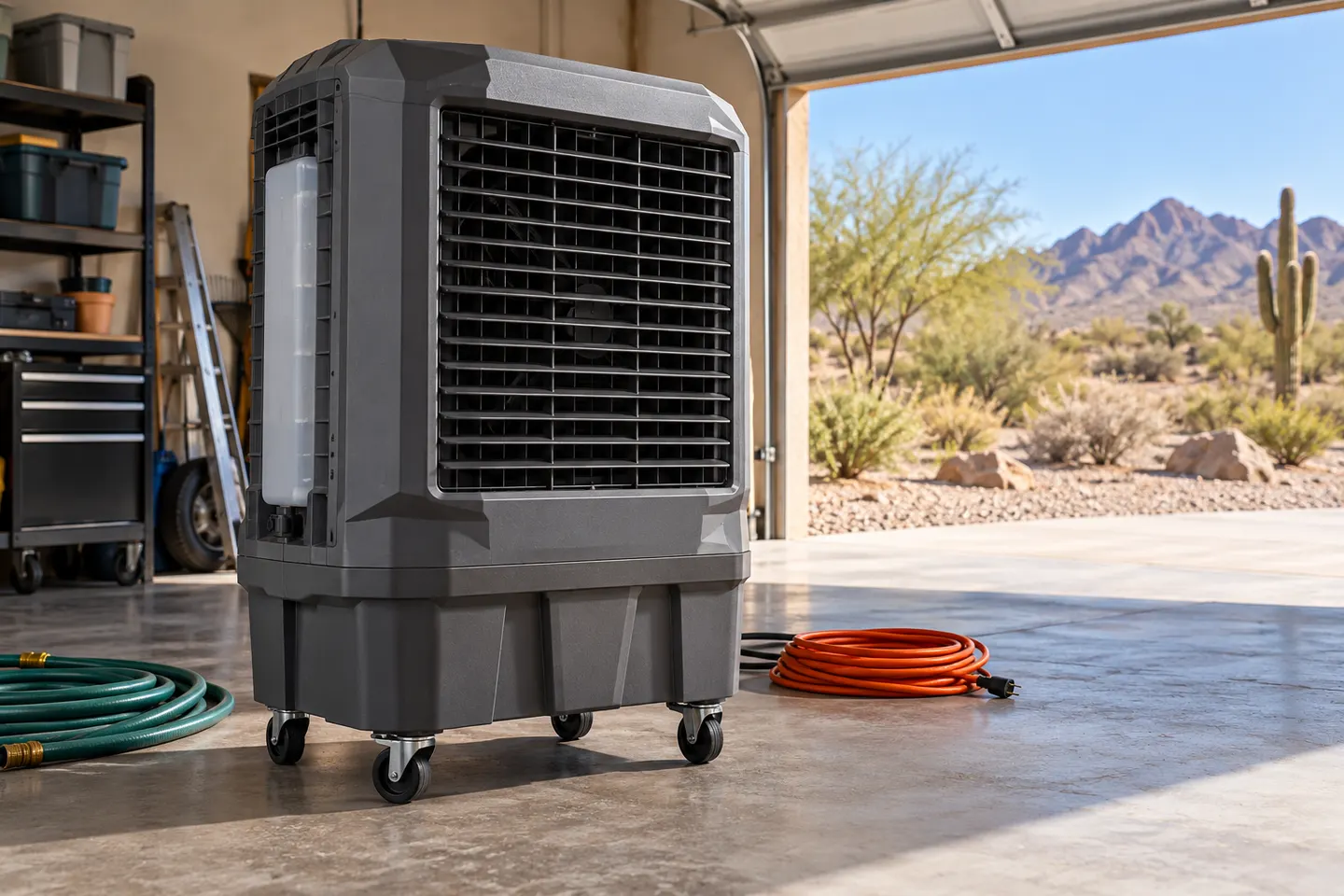 How to Use an Air Cooler Without Water
More topics
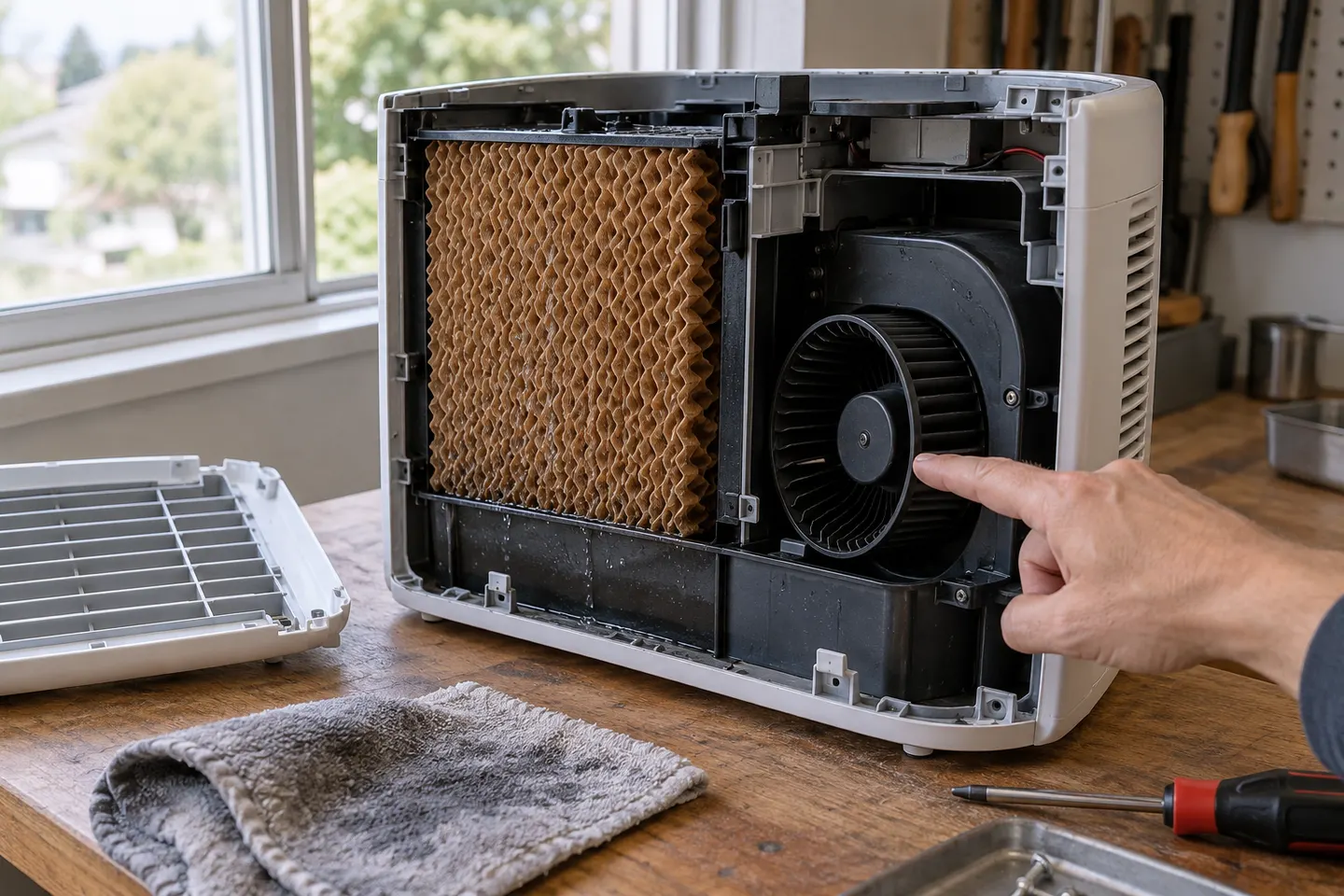 Can an Air Cooler Work Without a Fan?
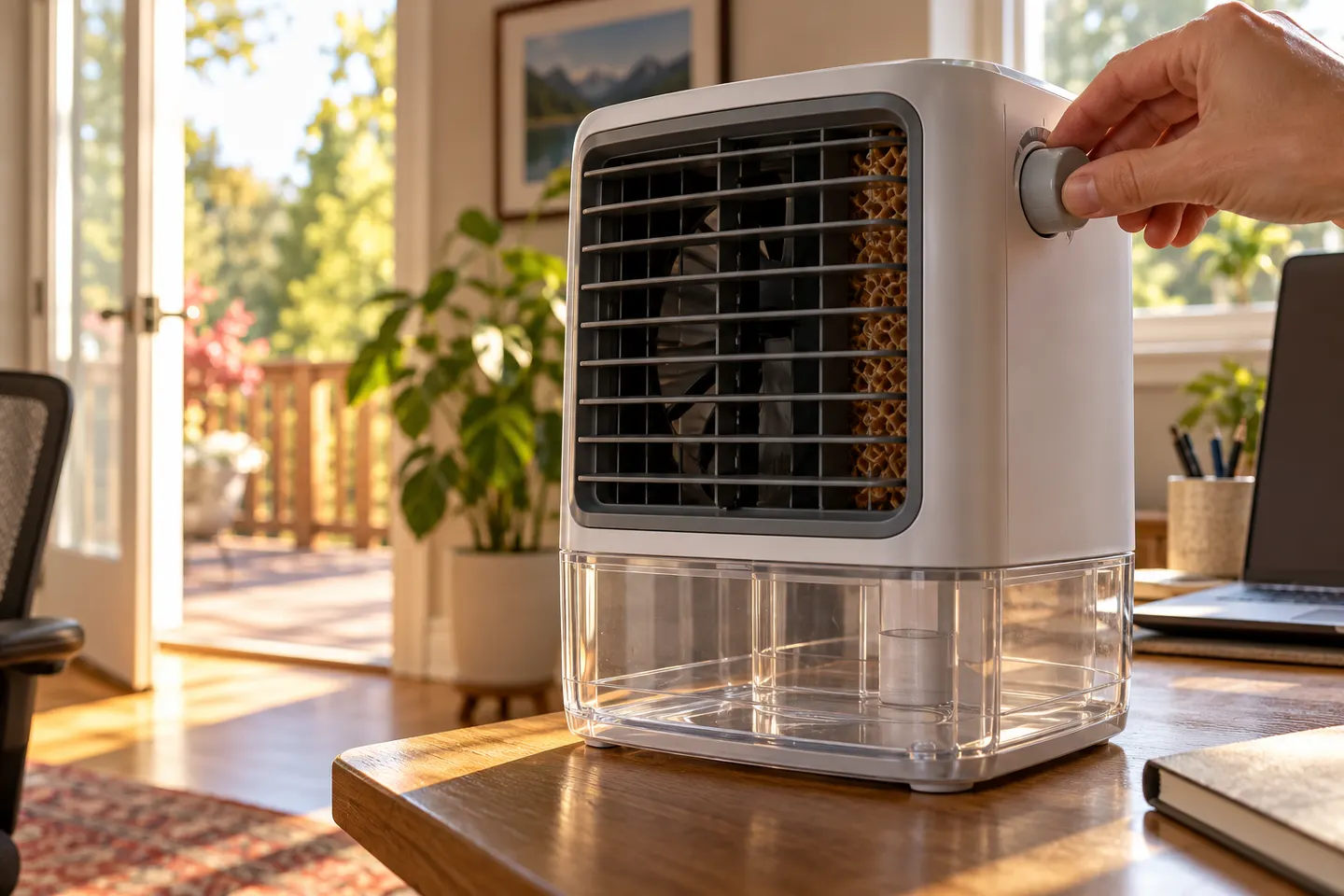 Air Cooler Without Water
Common questions
Questions before you buy
Can an air cooler work without ice?
Some evaporative air coolers are designed to operate with water and no ice. Follow the specific manufacturer’s instructions, since requirements vary.
Does an air cooler without ice cool a room?
An evaporative cooler can lower air temperature under suitable conditions, but its effect depends on humidity, ventilation, and the unit. A fan-only product circulates air without lowering room temperature.
Do air coolers need a window open?
Evaporative cooling generally needs air exchange; consult the manufacturer’s placement guidance. A sealed room may not suit this appliance type.
Is an air cooler the same as an air conditioner?
No. Air conditioners use refrigeration to remove heat, while evaporative coolers use water evaporation and fans.