Gearjury may earn a commission from eligible retailer links. Our editorial guidance is based on the cited sources.
Guide
Should I Buy a Dashcam for My Car?
A dash cam is most useful when you want an independent record of a road incident. It is less compelling if you will not maintain the memory card, install it safely or manage footage responsibly.
GGearjury editorial team · Updated October 16, 2026· 5 min
01
Decide what evidence you need
If you are asking, 'Should I buy a dashcam?', begin with the event you want documented. A forward camera can preserve road context, while a rear channel may add useful coverage in a rear impact; neither captures every angle or proves fault by itself.
02
Consider where and how you drive
Frequent driving, unfamiliar roads and shared vehicles can make automatic recording more valuable. If the car is rarely used, the installation and maintenance burden may outweigh the benefit.
03
Choose between driving and parking coverage
Standard recording usually works with the ignition. Parking mode often needs a compatible hardwire kit or battery accessory, and its voltage protection and recording triggers should be understood before installation.
04
Account for privacy and local law
Windshield placement, audio consent and sharing footage are governed by different rules across states. Mount the camera outside the driver's critical view and avoid publishing identifiable footage casually.
05
Accept the maintenance
Memory cards wear out. Review sample clips, format or replace storage as the manufacturer directs, keep the lens clean and confirm the date and time after power loss or daylight-saving changes.
06
Make the buying decision
Buy one if reliable incident footage matters enough that you will install and check it. Skip or postpone it if you expect guaranteed insurance savings, complete surveillance or a device that never needs attention.
Common questions
Questions before you buy
Is a dashcam worth it for occasional driving?
It can be, especially if preserving incident context matters to you, but the value is lower if the car is seldom used and the camera is not checked regularly.
Can dashcam footage prove who caused a crash?
Footage can provide useful context, but it may be incomplete and does not itself determine liability. Preserve the original file and follow insurer or law-enforcement instructions.
Should I buy a front-only or front-and-rear dashcam?
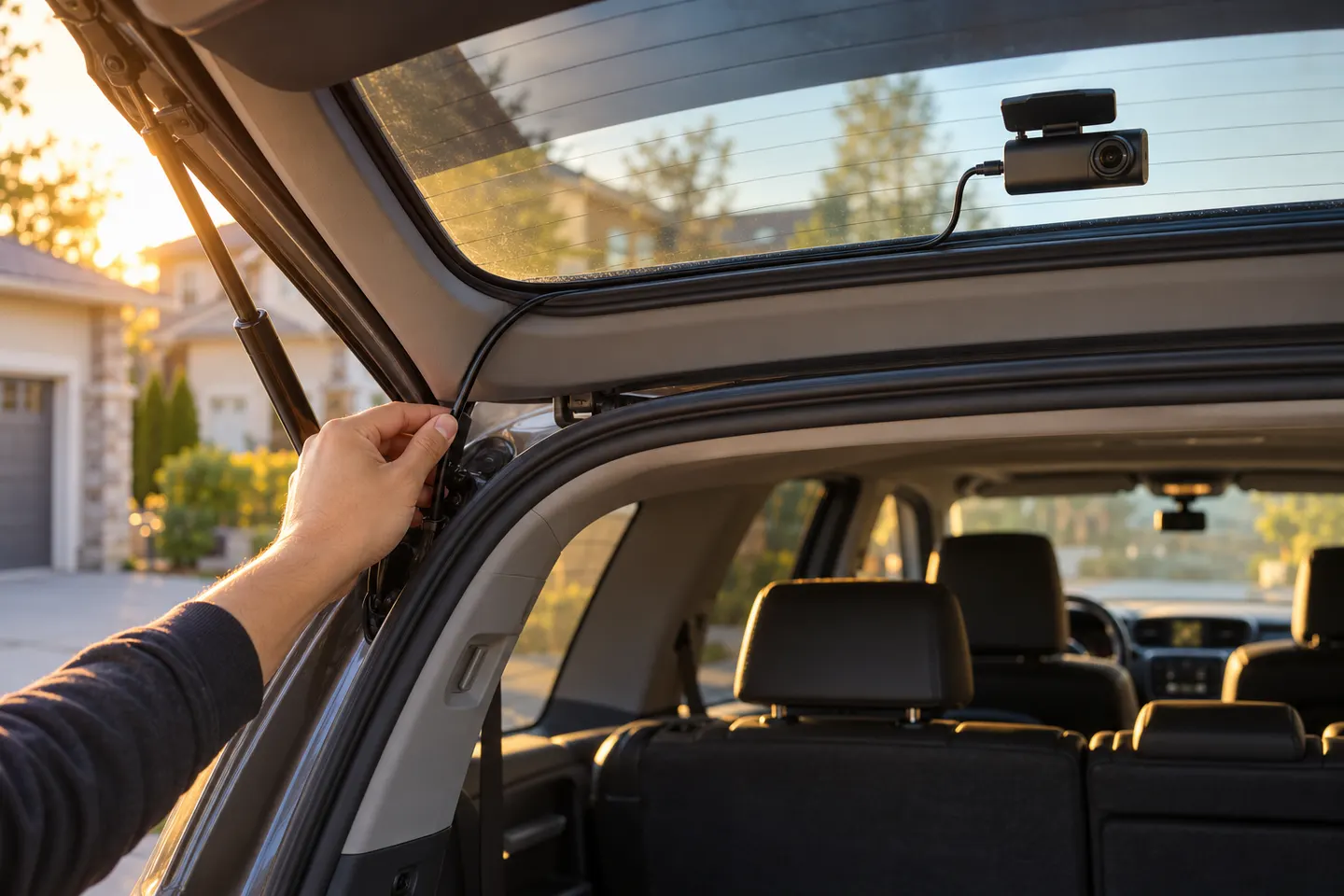
Front-only is simpler and covers the road ahead. Front-and-rear adds another perspective, but costs more to install and requires careful cable routing.
Does a dashcam need regular maintenance?
Yes. Check that it records, inspect sample files, clean the lens and follow the maker's guidance for formatting and replacing the memory card.
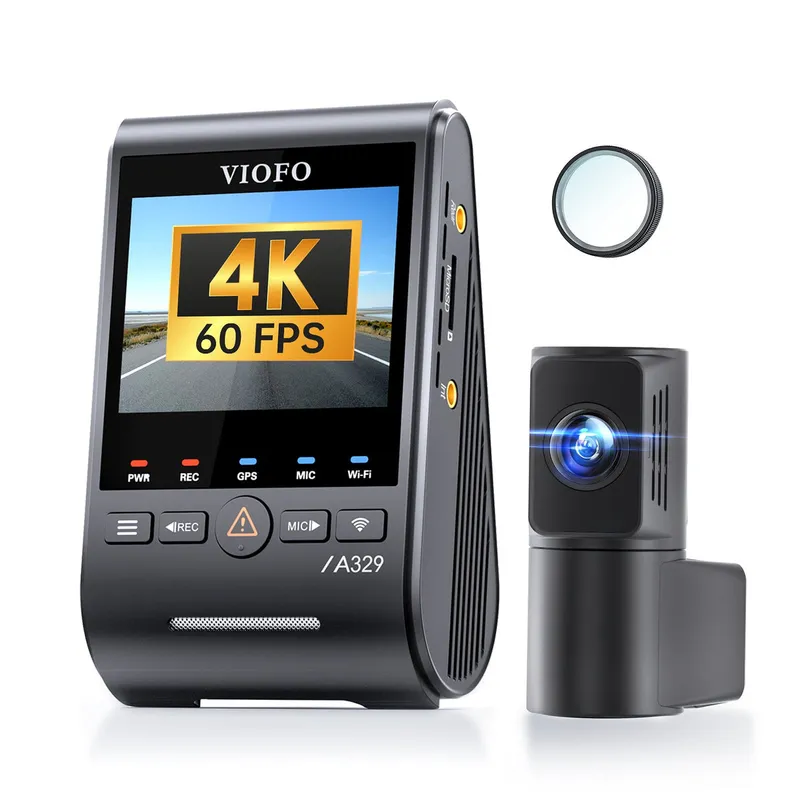
VIOFO A229 Pro 2CH is our broad recommendation for detailed front and rear coverage. Garmin Mini 3 favors discretion, while Garmin X310 is the sharper single-camera choice.
A front and rear dash cam records both directions and can provide context a single lens misses. Check the rear-camera cable route and simultaneous recording resolution before buying.
The A329S serves buyers seeking high-detail multichannel recording; A229 models cover more moderate dual-camera needs, while A119 Mini 2 is the compact front-only option.
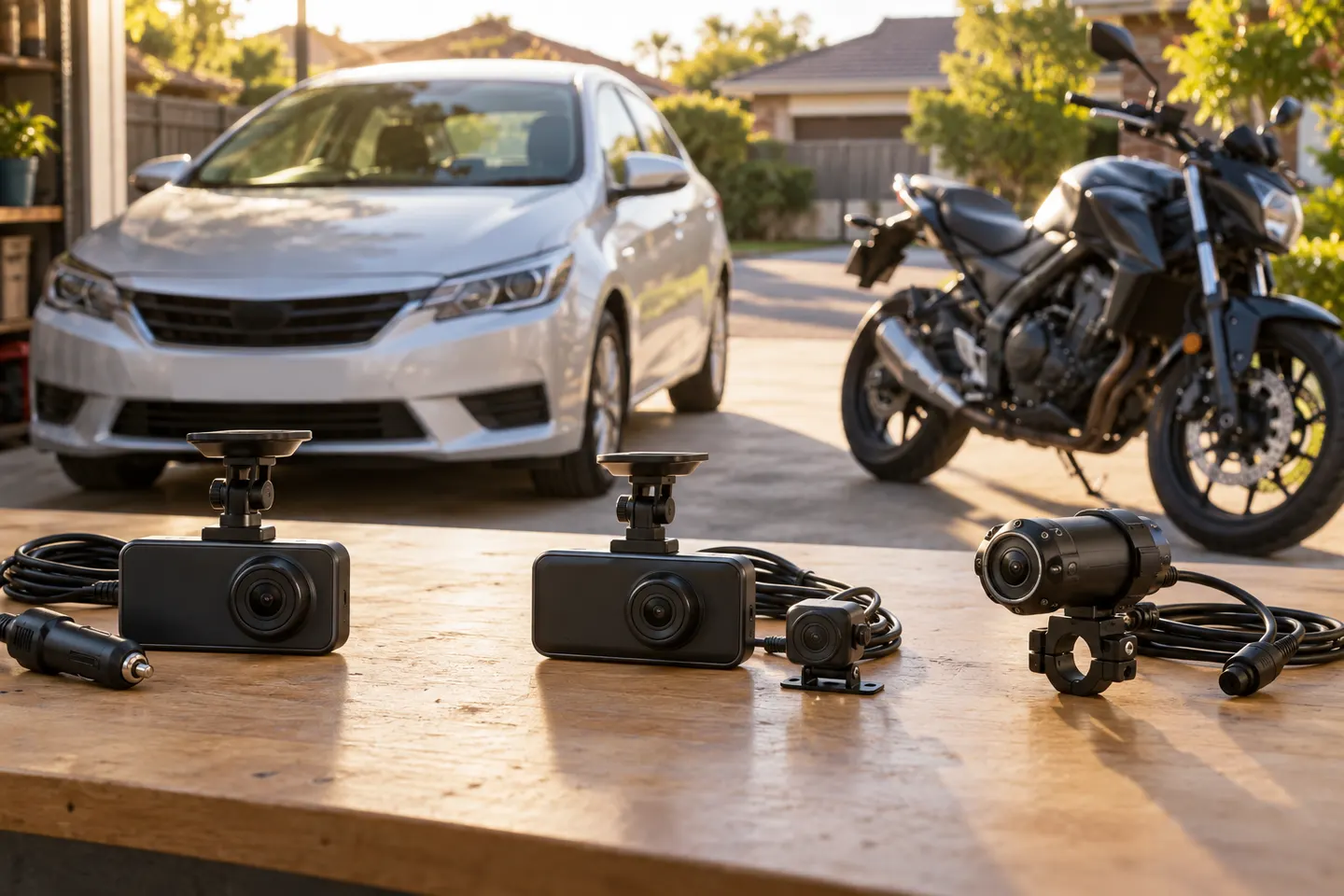
Start with the coverage you need: front-only, front and rear, cabin or a wider multi-camera view. Then compare recording detail, storage and power requirements.
Your privacy
We use cookies and similar technologies. Necessary ones keep the site working. With your permission we also use statistics cookies (Google Analytics and Microsoft Clarity) to understand which guides help readers. You can accept all, reject all or choose. You can change your choice at any time from "Cookie settings" at the bottom of every page. Cookie policy