Gearjury may earn a commission when you buy through a retailer link, at no added cost to you.
Guide
Why Have a Dashcam in Your Car?
A dashcam can preserve a contemporaneous view of a drive or incident. It cannot prevent a crash, establish every fact by itself or replace safe driving.
GGearjury editorial team · Updated October 15, 2026· 6 min
01
Why have a dashcam after a collision?
A camera can preserve the view in front of the vehicle, and a rear channel can add context from behind. Save the original file promptly and provide it through the process requested by law enforcement or an insurer. Footage is one piece of evidence and may also show your own actions.
02
Record unexpected events on the road
A continuously looping camera can capture an event that happens too quickly to document afterward. A clear timestamp and an unobstructed view help, but details outside the lens, cabin or recording period will be missing.
03
Decide whether parking recording matters
Parking mode may record impacts or motion while the vehicle is unattended. It usually requires compatible power hardware and battery-discharge protection; recording behavior differs by model and installation.
04
Understand privacy and local recording rules
Rules can differ by state and by whether audio, passengers or private property are recorded. Keep the camera from obstructing the driver's view and check current local requirements before enabling sound or cabin video.
05
Know what a dashcam cannot do
A dashcam does not prevent dangerous driving, guarantee that a plate will be readable or automatically prove liability. Weather, glare, darkness, lens angle and missing viewpoints can all limit a clip.
06
Choose coverage around your actual use
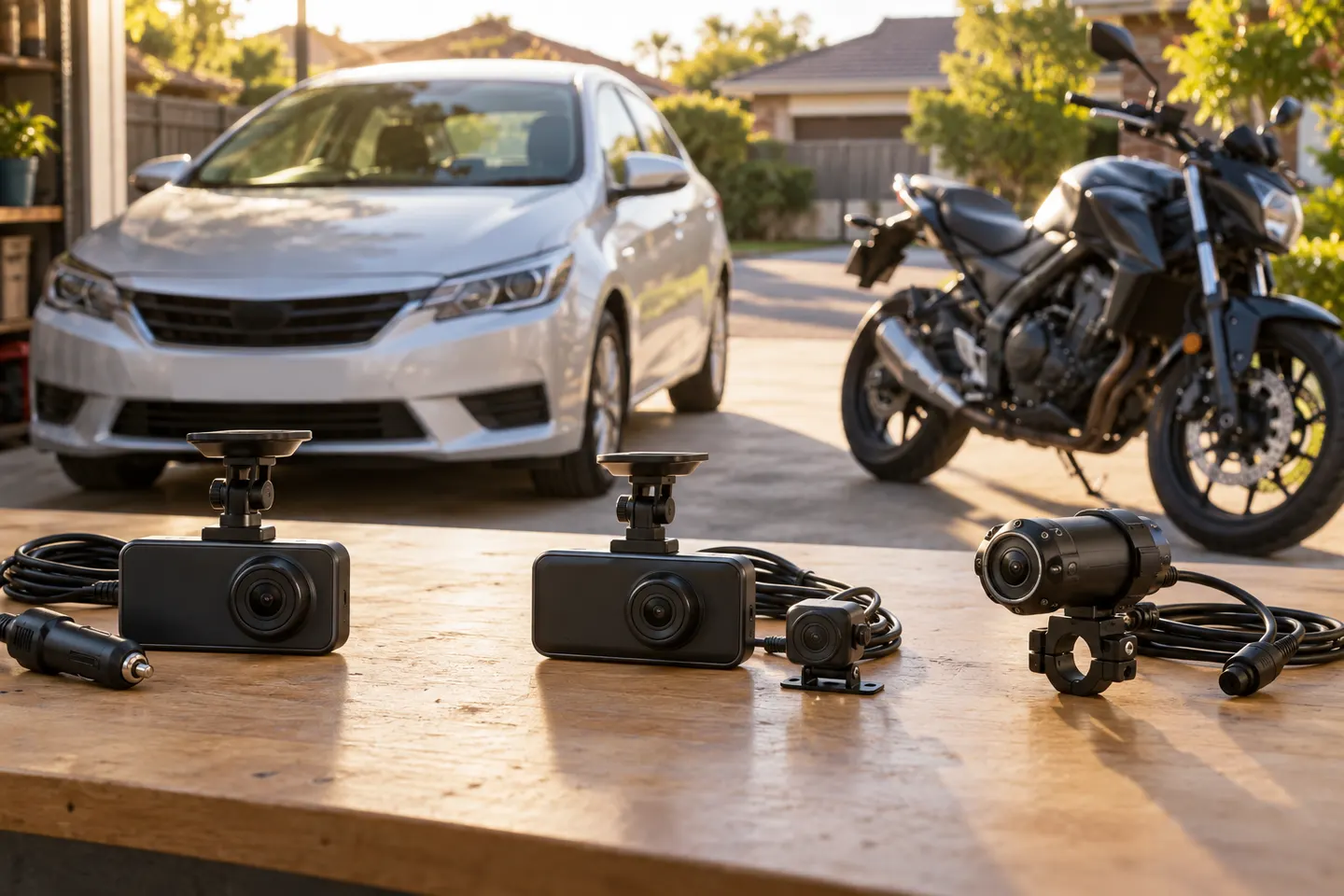
Front-only cameras are the simplest. Front-and-rear systems add another road view, while cabin cameras may suit rideshare or fleet use. Prioritize reliable recording, accessible files and a mount that stays outside the driving sightline.
Common questions
Questions before you buy
Is it worth having a dashcam?
It can be worthwhile if you value a recorded view of incidents or trips and will maintain the camera and storage. It is not a substitute for insurance or safe driving.
Can dashcam footage be used after an accident?
Footage may help document what the camera saw, but admissibility and weight depend on the circumstances and jurisdiction. Preserve the original file and follow official or insurer instructions.
Does a dashcam work when the car is off?
Only if the model and installation support parking recording. That may require a hardwire kit, external battery or connected power outlet with discharge protection.
Can a dashcam record inside a car?
A cabin-facing model can, but audio and passenger recording raise privacy and consent questions. Check current state law and clearly inform occupants where appropriate.
VIOFO A229 Pro 2CH is our broad recommendation for detailed front and rear coverage. Garmin Mini 3 favors discretion, while Garmin X310 is the sharper single-camera choice.
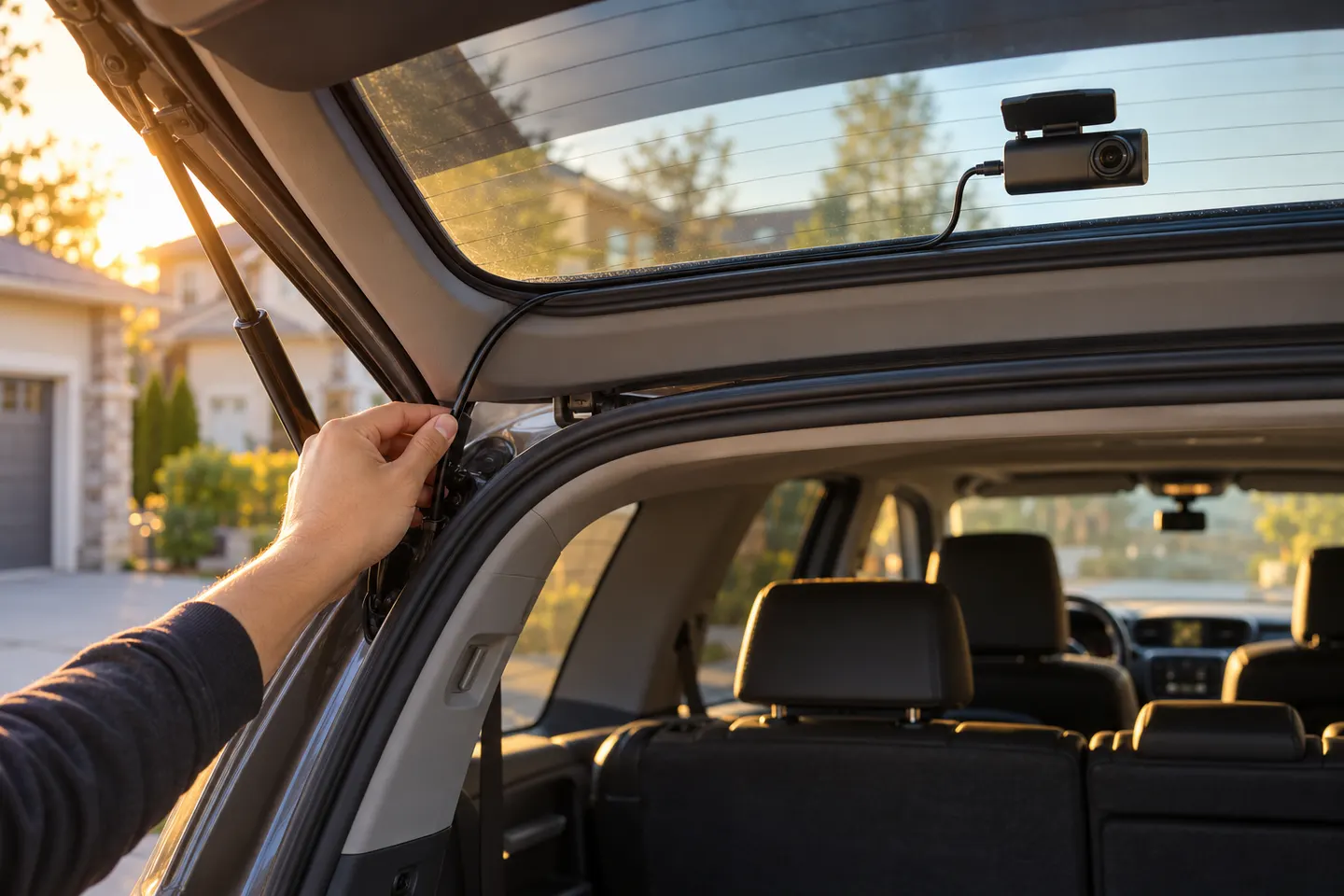
A front and rear dash cam records both directions and can provide context a single lens misses. Check the rear-camera cable route and simultaneous recording resolution before buying.
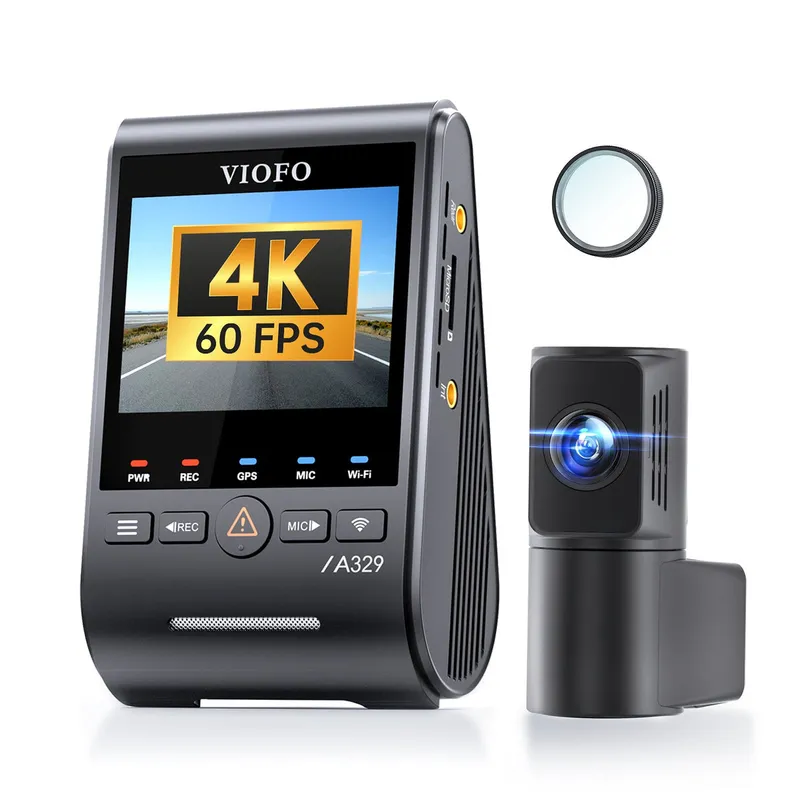
The A329S serves buyers seeking high-detail multichannel recording; A229 models cover more moderate dual-camera needs, while A119 Mini 2 is the compact front-only option.
Start with the coverage you need: front-only, front and rear, cabin or a wider multi-camera view. Then compare recording detail, storage and power requirements.
Your privacy
We use cookies and similar technologies. Necessary ones keep the site working. With your permission we also use statistics cookies (Google Analytics and Microsoft Clarity) to understand which guides help readers. You can accept all, reject all or choose. You can change your choice at any time from "Cookie settings" at the bottom of every page. Cookie policy