









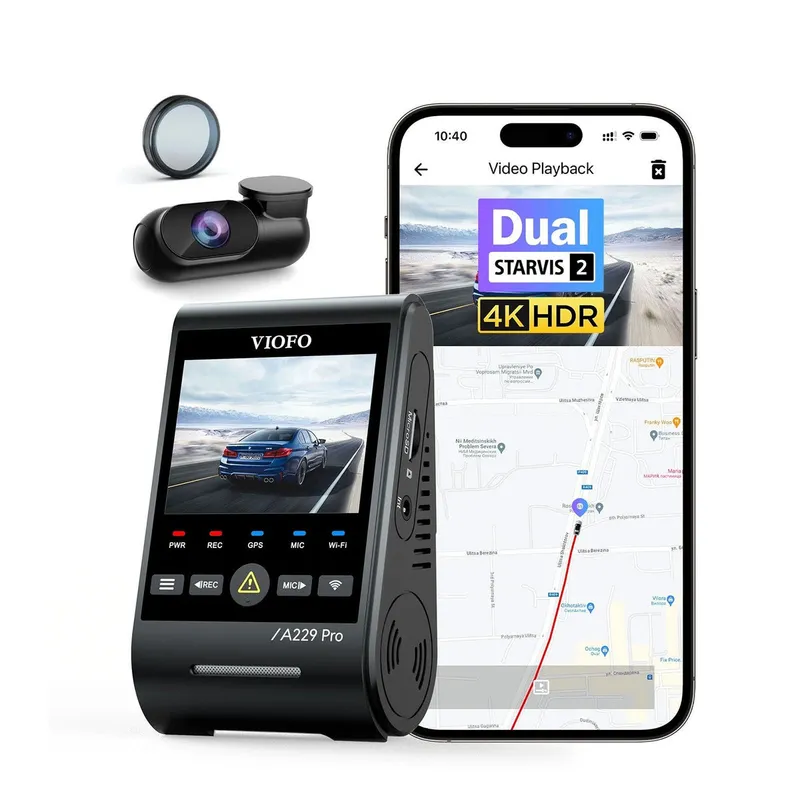
 Official manufacturer image
Our picks
Top picks
Official manufacturer image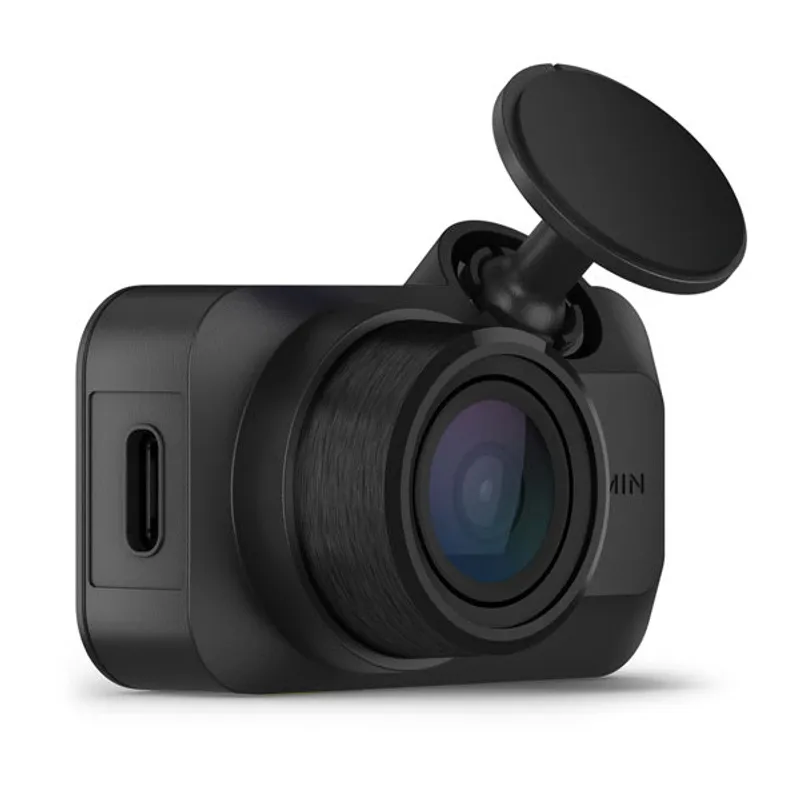 Official manufacturer image
Garmin Dash Cam Mini 3
Check price on Amazon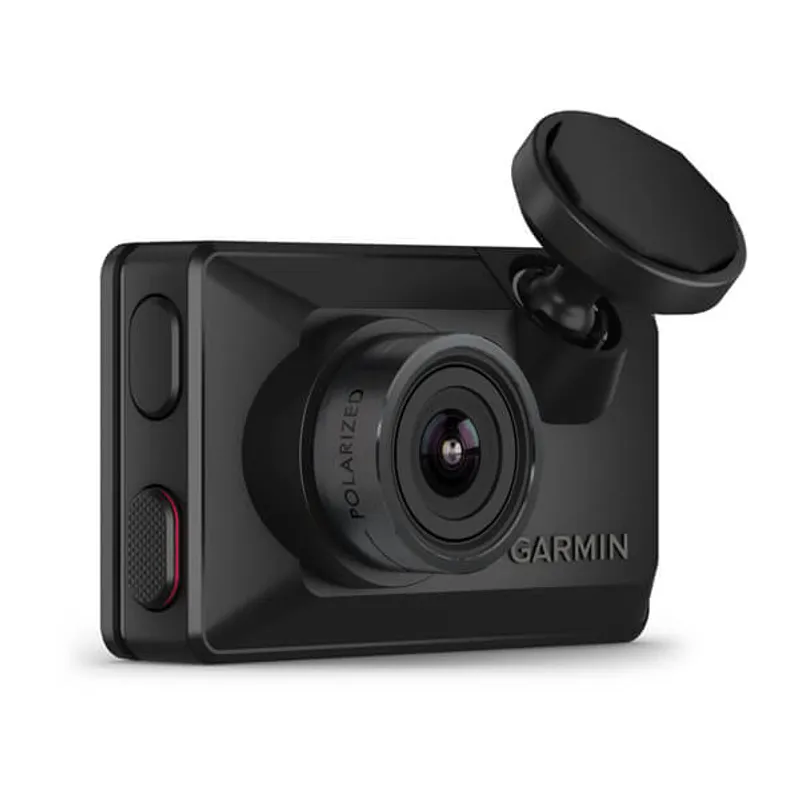 Official manufacturer image
Garmin Dash Cam X310
Check price on AmazonCommon questions
Questions before you buy
Why do dashcam images look blurry?
Motion, low light, windshield dirt, focus, compression and reflections can all remove detail. Inspect several consecutive frames before deciding whether an object is genuinely unreadable.
Can a dashcam image always read a license plate?
No. Distance, relative speed, angle, glare and lighting can defeat even a high-resolution camera, so resolution alone is not a guarantee.
How do I save a still image from dashcam video?
Preserve the original clip first, then use the camera app or a video player to export a frame. Avoid overwriting or editing the only copy of important footage.
Does a wider lens make dashcam images better?
A wider view captures more context but can make distant details smaller and introduce edge distortion. Choose a field of view that balances scene coverage with useful detail.