









 Official manufacturer image
Our picks
Top picks
Official manufacturer image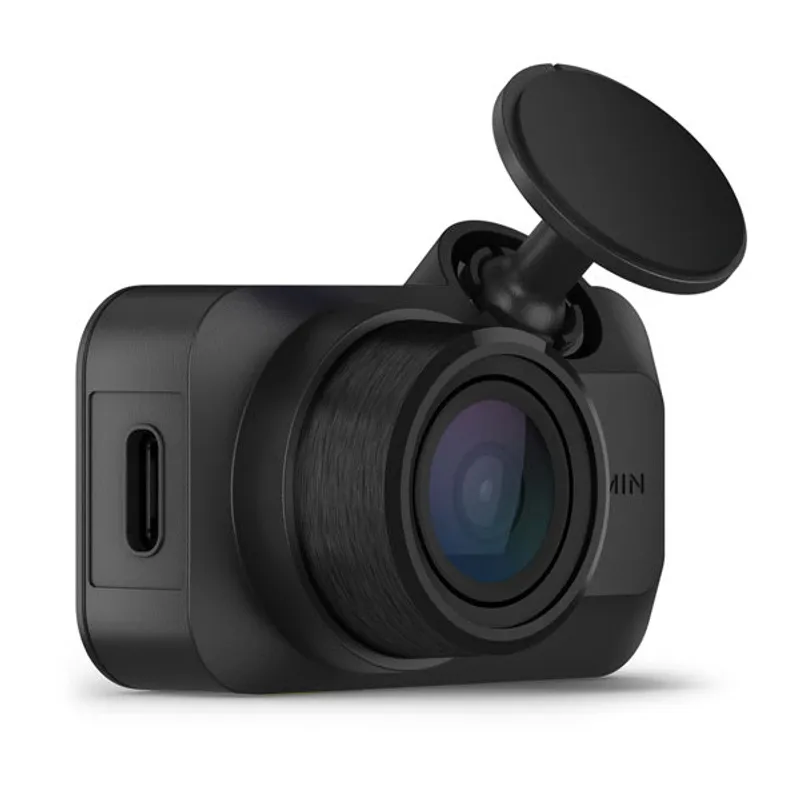 Official manufacturer image
Garmin Dash Cam Mini 3
Check price on Amazon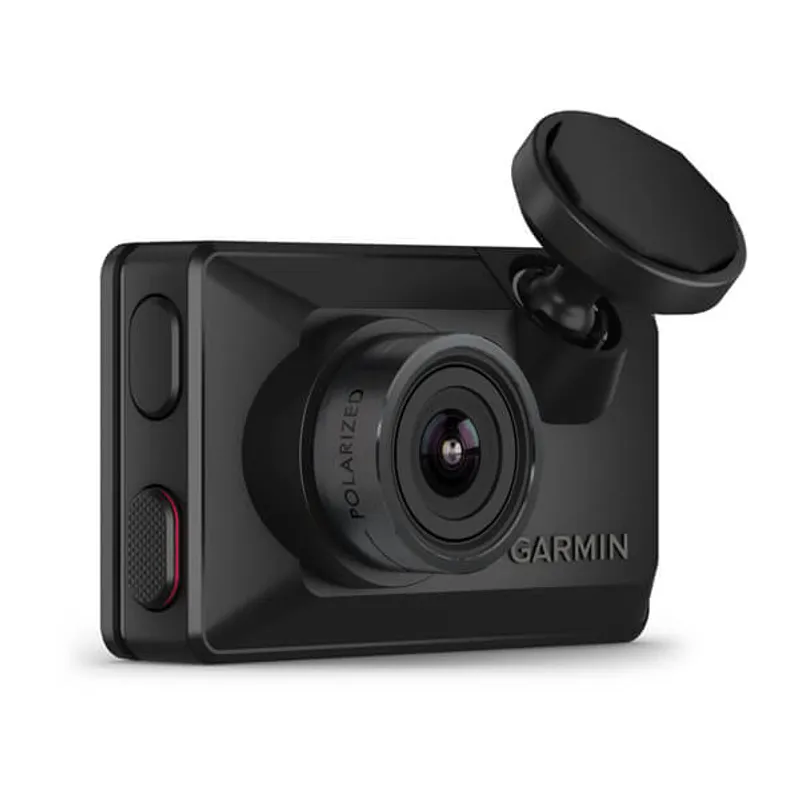 Official manufacturer image
Garmin Dash Cam X310
Check price on AmazonMore topics
Common questions
Questions before you buy
Are dashcams legal in every US state?
Video recording is generally possible, but mounting, obstruction, audio and privacy rules vary. Check the current statutes and agency guidance for each state where you drive.
Is it legal to mount a dashcam on the windshield?
That depends on state law and the exact position. Some states restrict windshield obstructions or allow devices only in defined areas.
Can a dashcam record audio inside a car?
Audio-consent laws differ by state and circumstance. Federal law supplies a minimum framework, while some states require consent from all parties to a private conversation.
Can police or insurers use dashcam footage?
Footage may become evidence, but admissibility, preservation and disclosure depend on the situation. Keep the original file and obtain legal advice for a disputed or serious incident.