









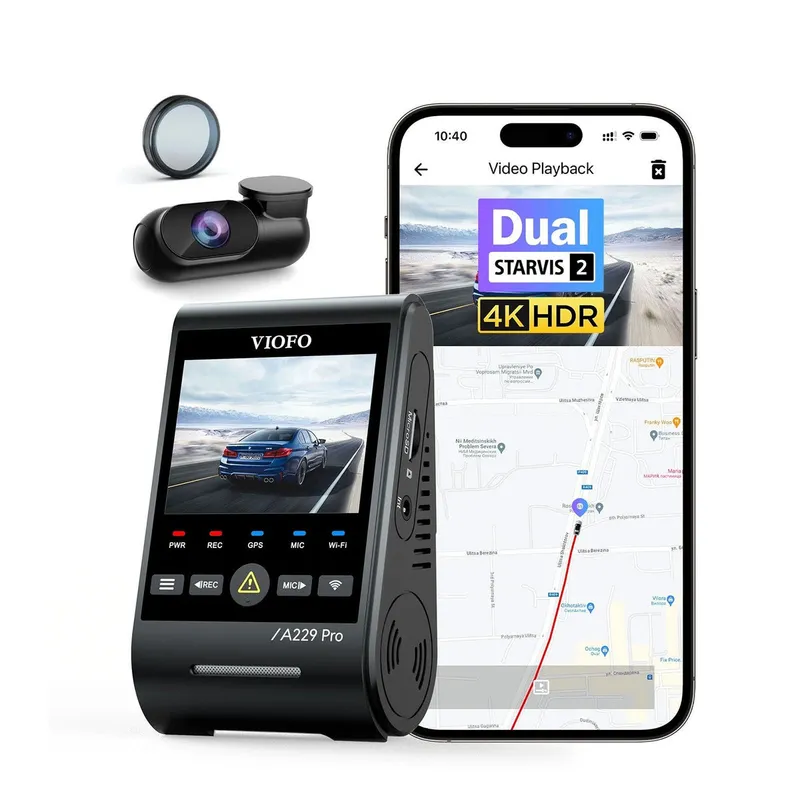
 Official manufacturer image
Our picks
Top picks
Official manufacturer image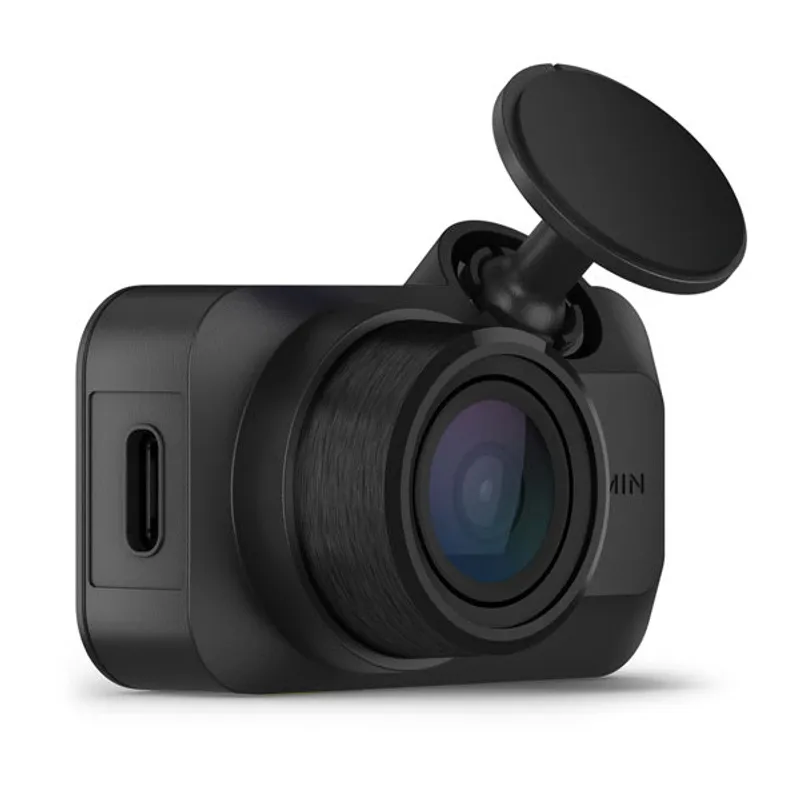 Official manufacturer image
Garmin Dash Cam Mini 3
Check price on Amazon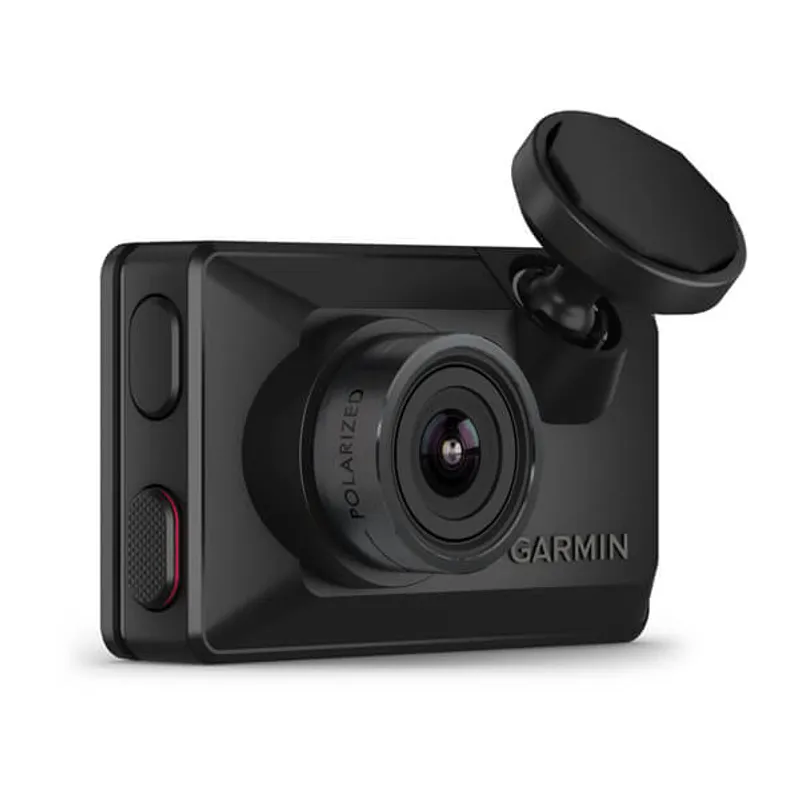 Official manufacturer image
Garmin Dash Cam X310
Check price on AmazonBy feature
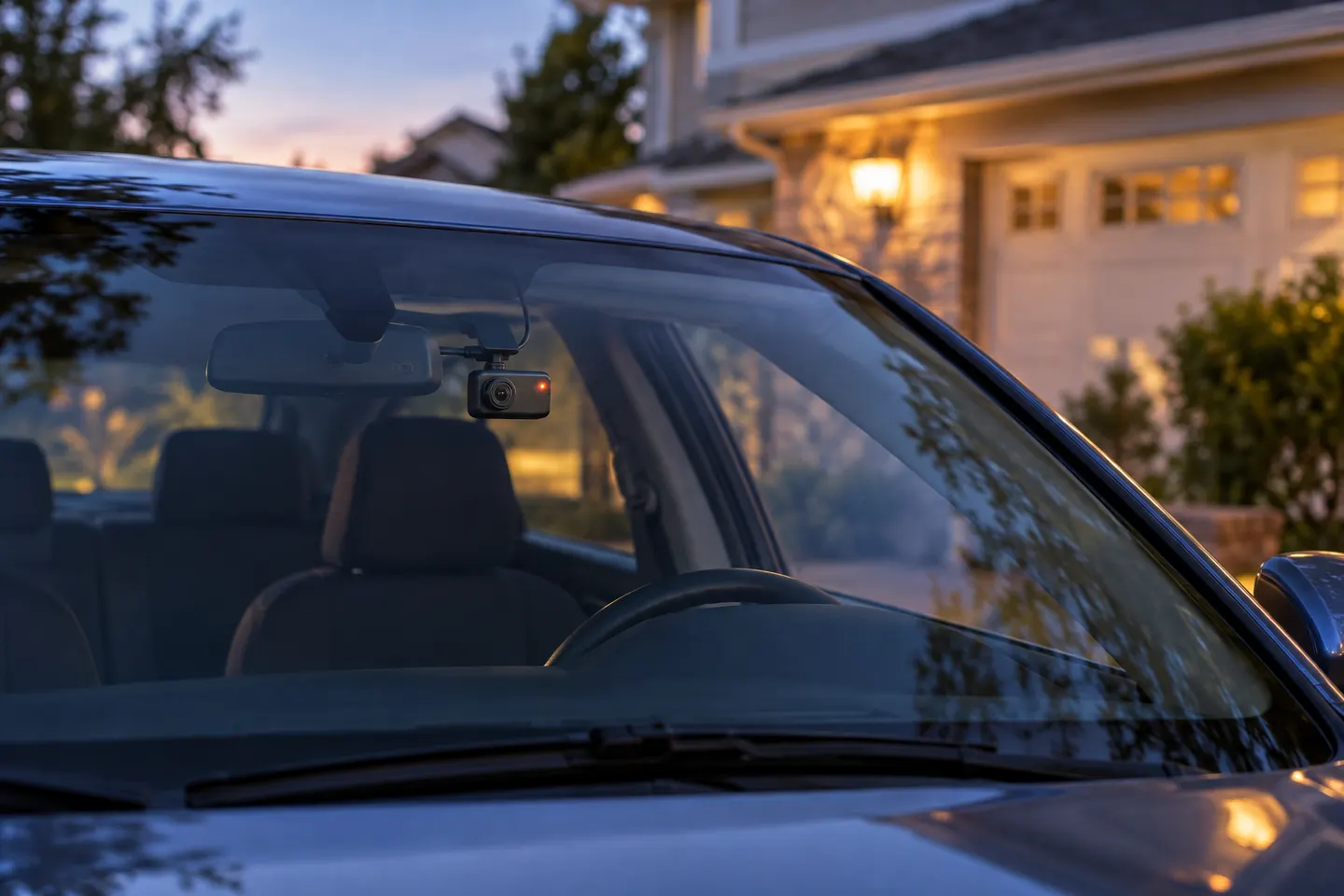 Mode parking
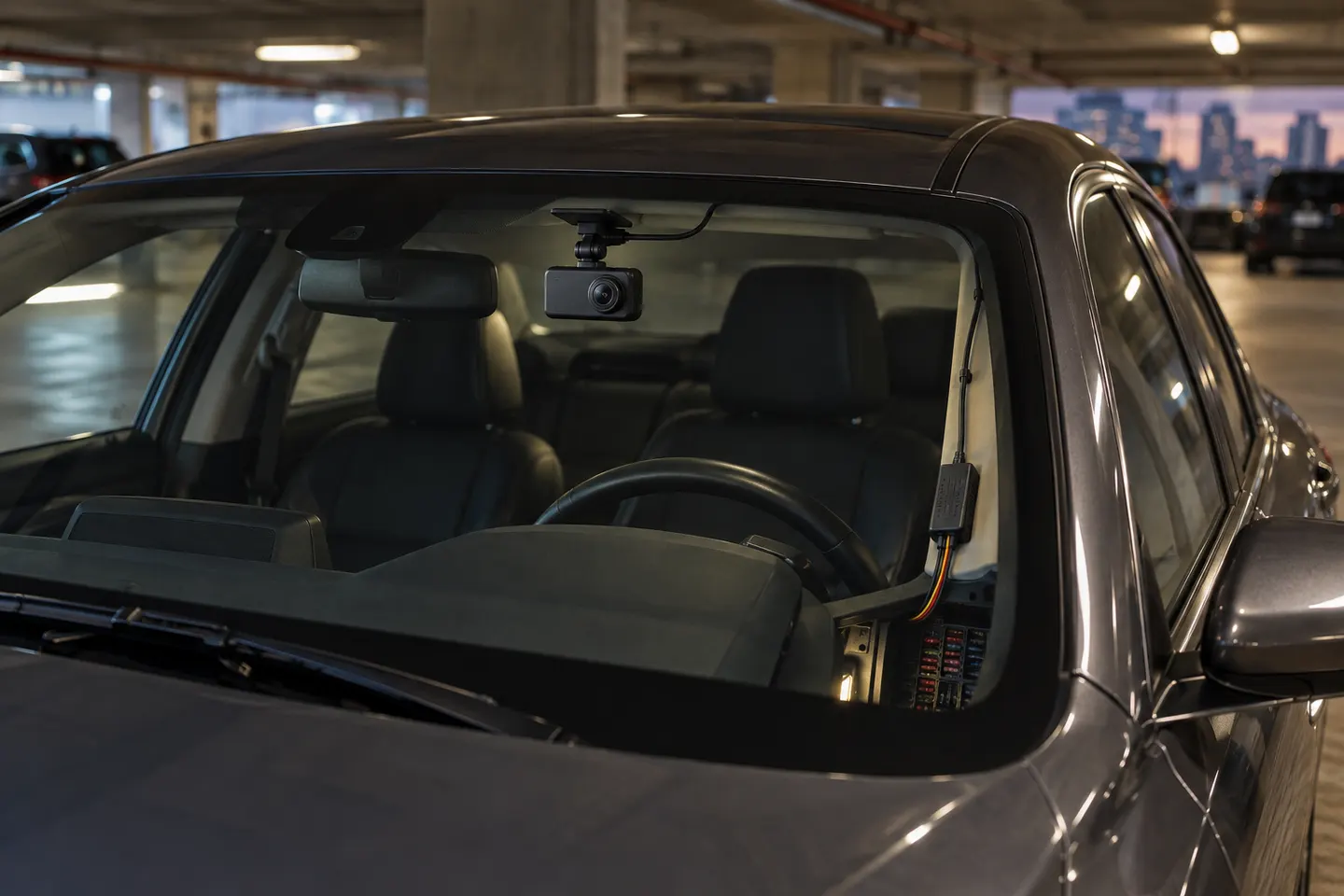 Parking
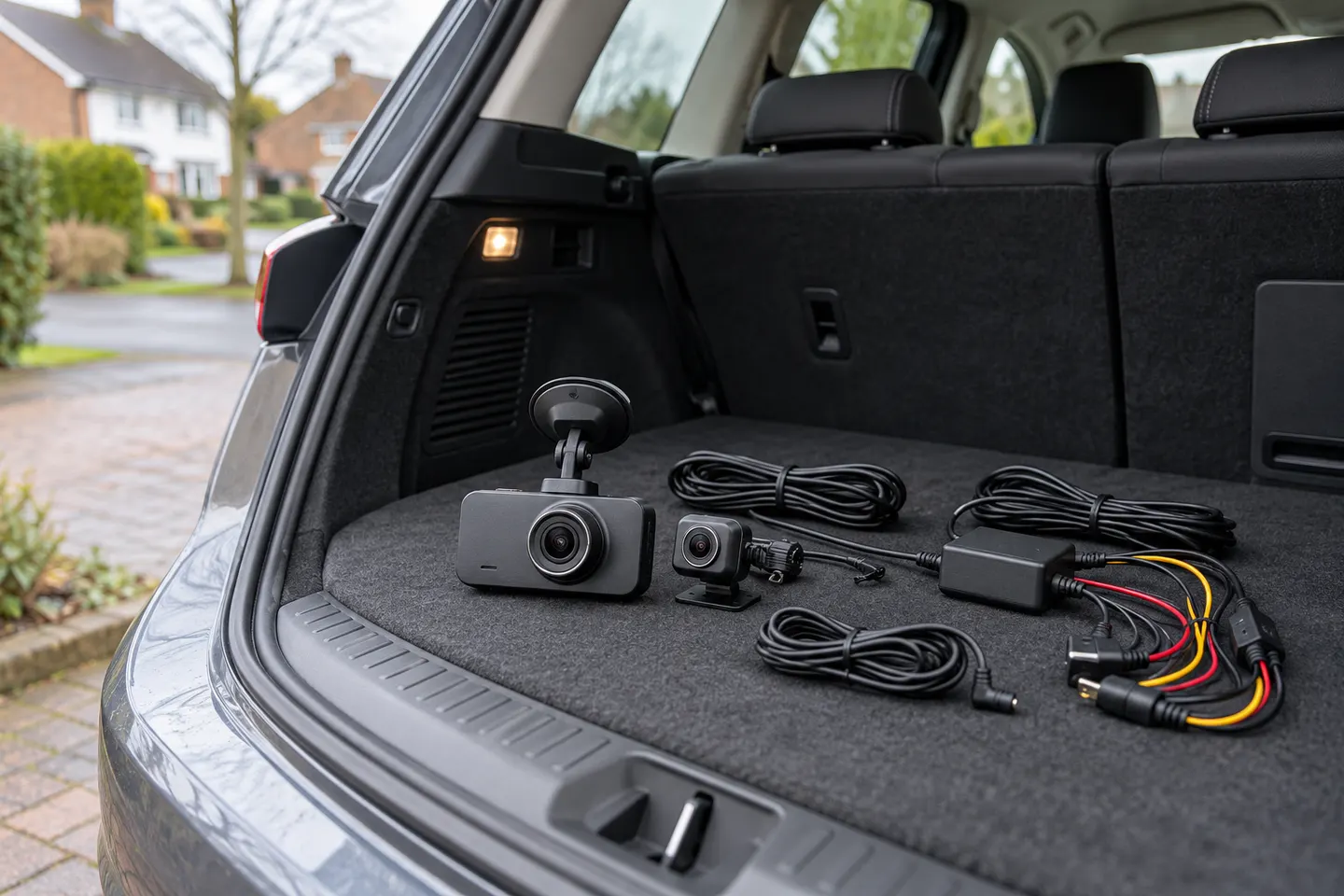 Front rear parking mode
Common questions
Questions before you buy
How does a dashcam parking monitor work?
The camera stays in a lower-power parking state and records when its selected trigger or time-lapse setting is active. Exact behavior depends on the camera, wiring and firmware.
Will parking mode drain my car battery?
It can if power is not managed correctly. Use a compatible kit with a configurable low-voltage cutoff or a purpose-built dash cam battery, and follow the vehicle maker’s guidance.
Is motion detection or impact detection better for parking?
Motion detection may capture activity before contact but can create many clips in busy areas. Impact detection uses less storage but may miss useful lead-up unless the camera supports buffered recording.
Does a dashcam record all night in parking mode?
Only if the power supply, settings, storage and temperature permit it. Time-lapse and low-bitrate modes are designed for longer sessions, but no setup guarantees uninterrupted coverage.