









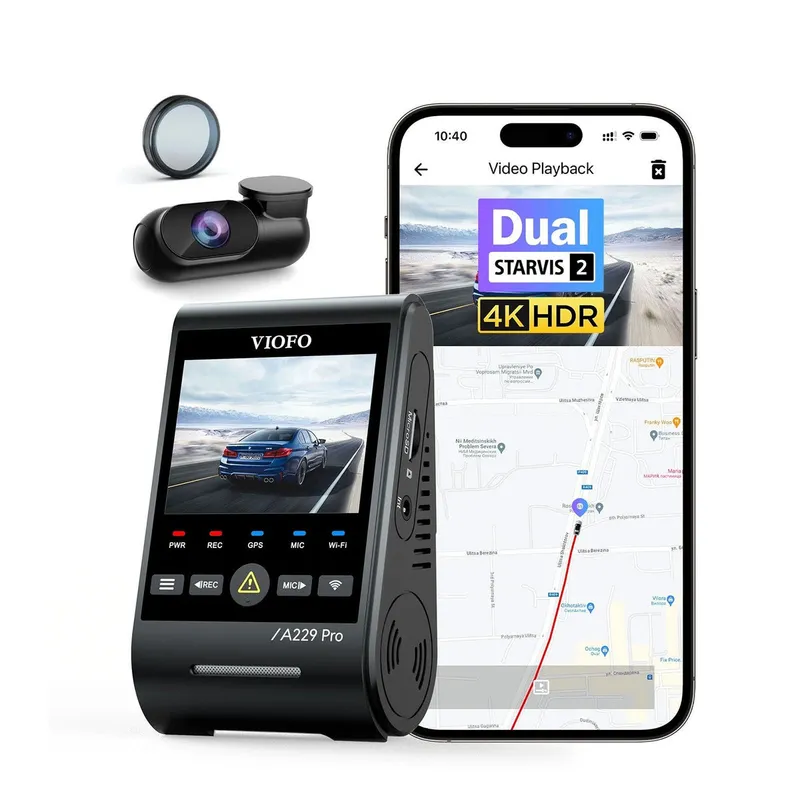
 Official manufacturer image
Our picks
Top picks
Official manufacturer image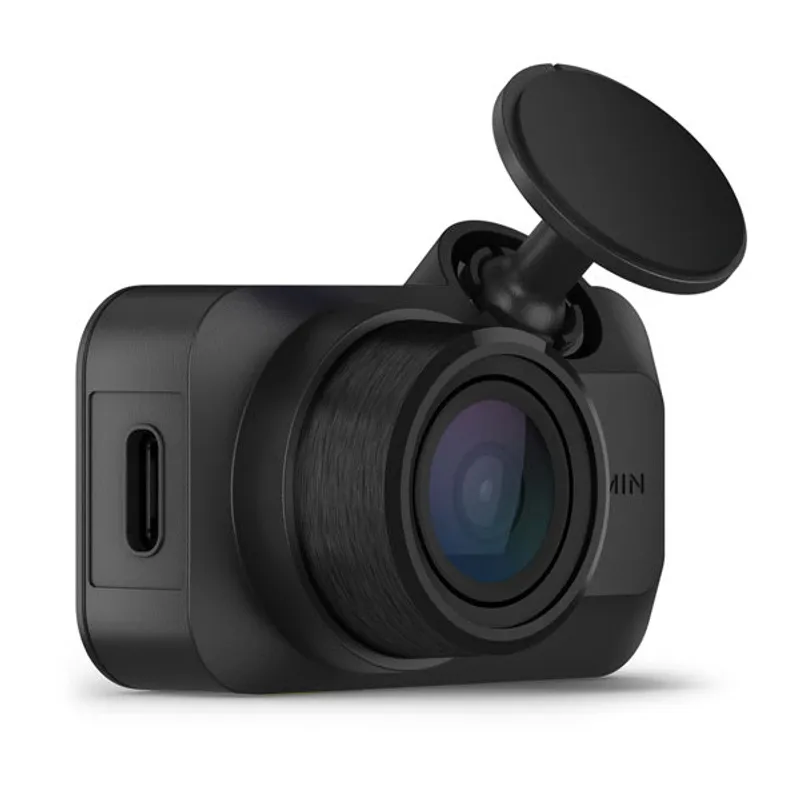 Official manufacturer image
Garmin Dash Cam Mini 3
Check price on Amazon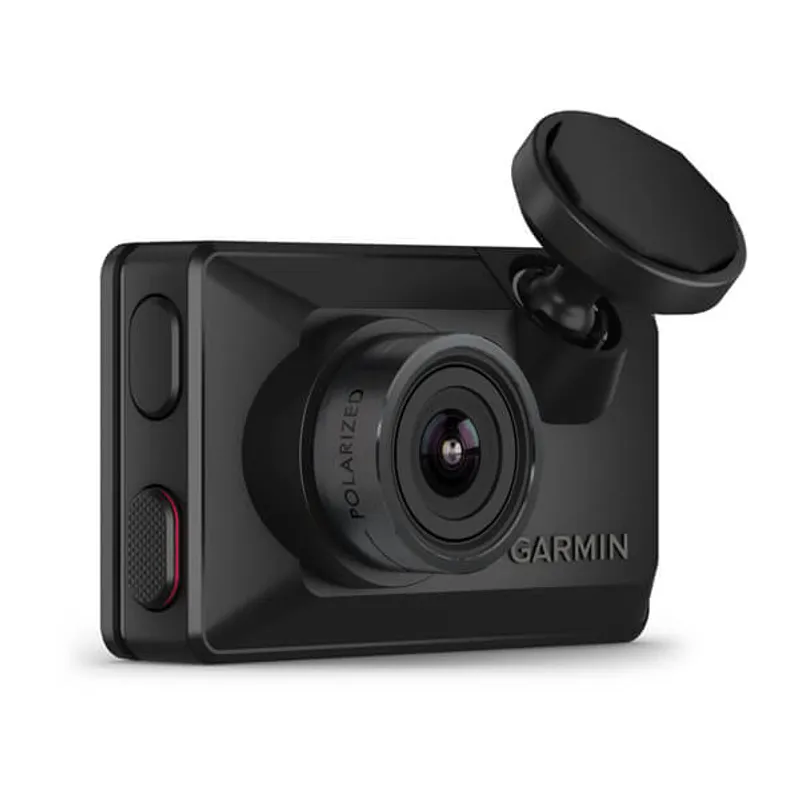 Official manufacturer image
Garmin Dash Cam X310
Check price on AmazonCommon questions
Questions before you buy
What is the best POV for a dashcam?
A centered forward view that captures the road ahead without excessive dashboard or sky is the practical baseline. The exact position must also comply with local placement rules.
Is a wider dashcam field of view always better?
No. Extra width can add peripheral context, but extreme coverage may make distant details appear smaller or more distorted.
Should a dashcam show the hood?
A small amount of hood can provide context, but it should not dominate the frame. Follow the camera maker's alignment guidance.
Do I need an interior camera view?
It is most relevant to rideshare, taxi or fleet use. Consider passenger notice, audio settings and applicable privacy laws before recording inside.