









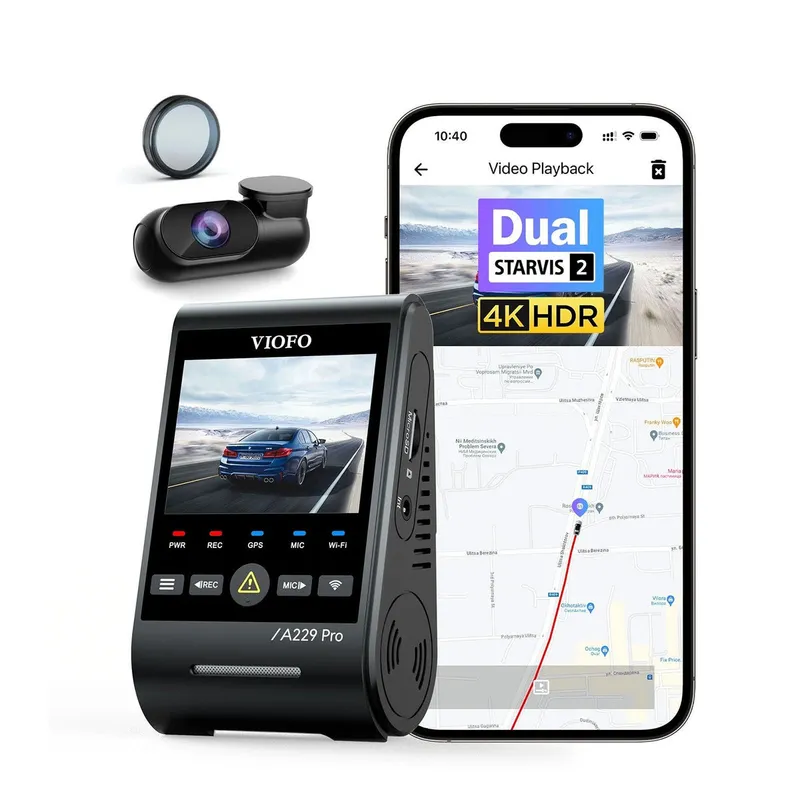
 Official manufacturer image
Our picks
Top picks
Official manufacturer image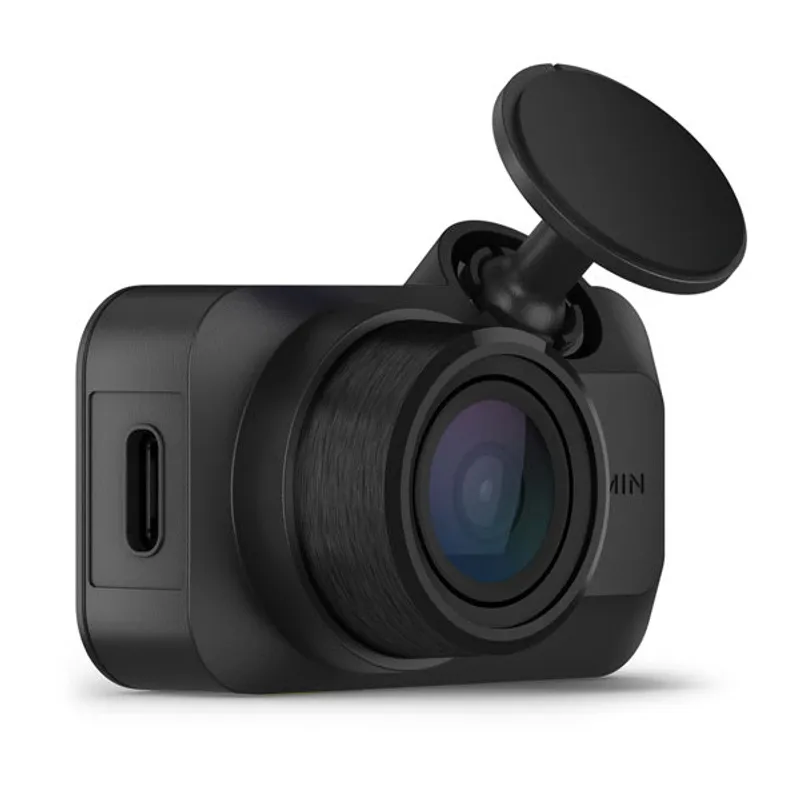 Official manufacturer image
Garmin Dash Cam Mini 3
Check price on Amazon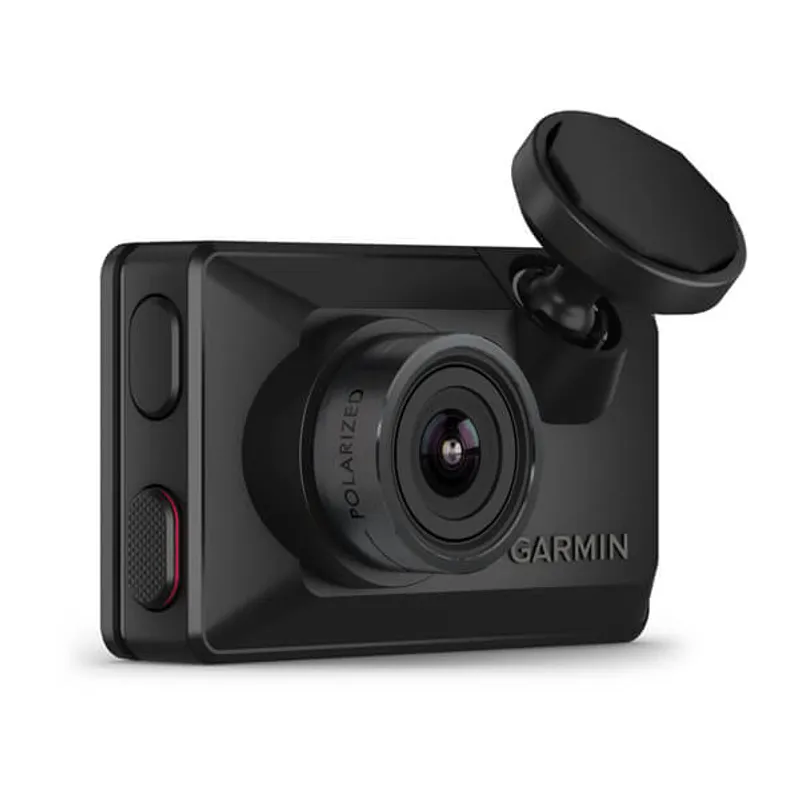 Official manufacturer image
Garmin Dash Cam X310
Check price on AmazonBy feature
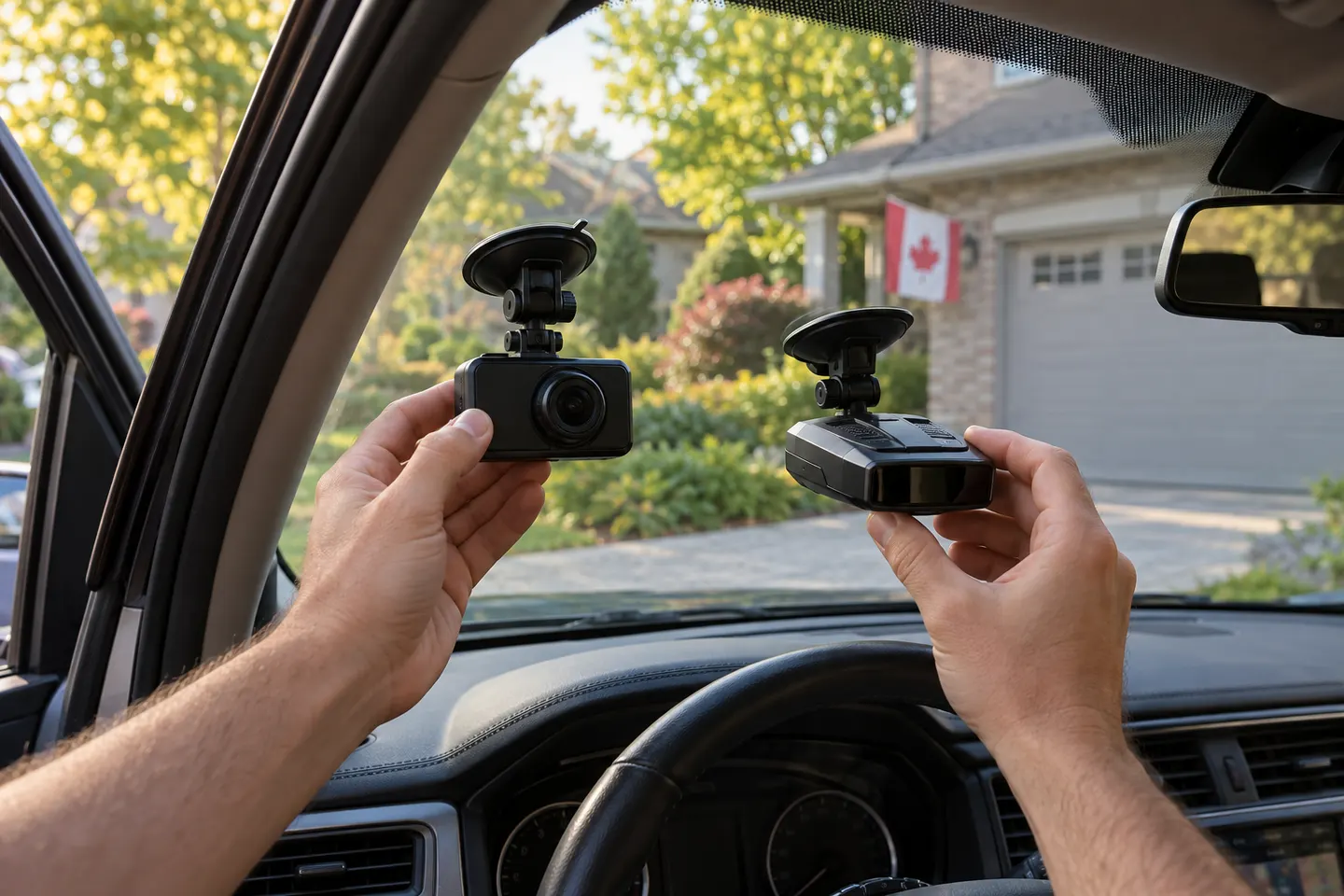 Radar detector
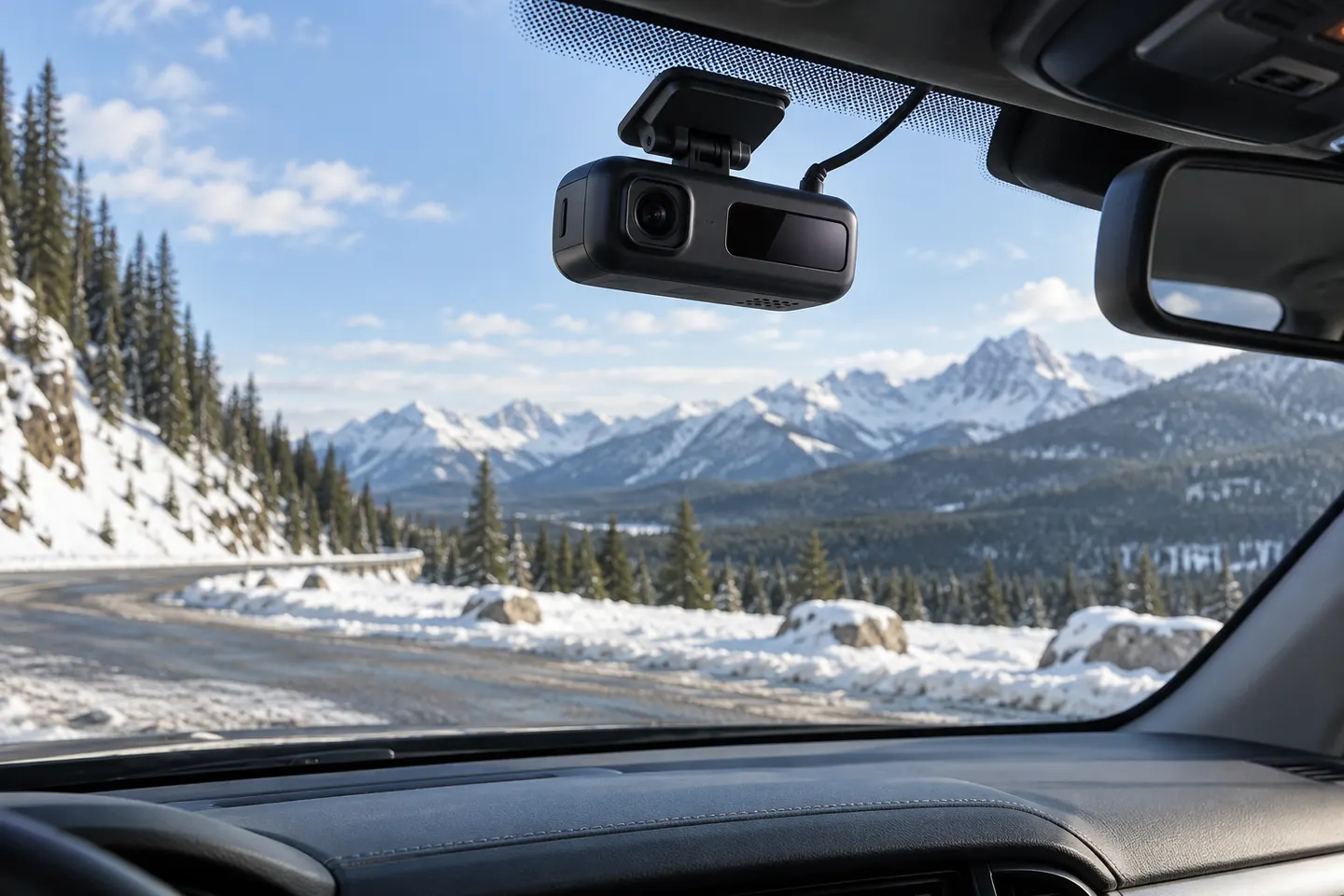 Radar detection
More topics
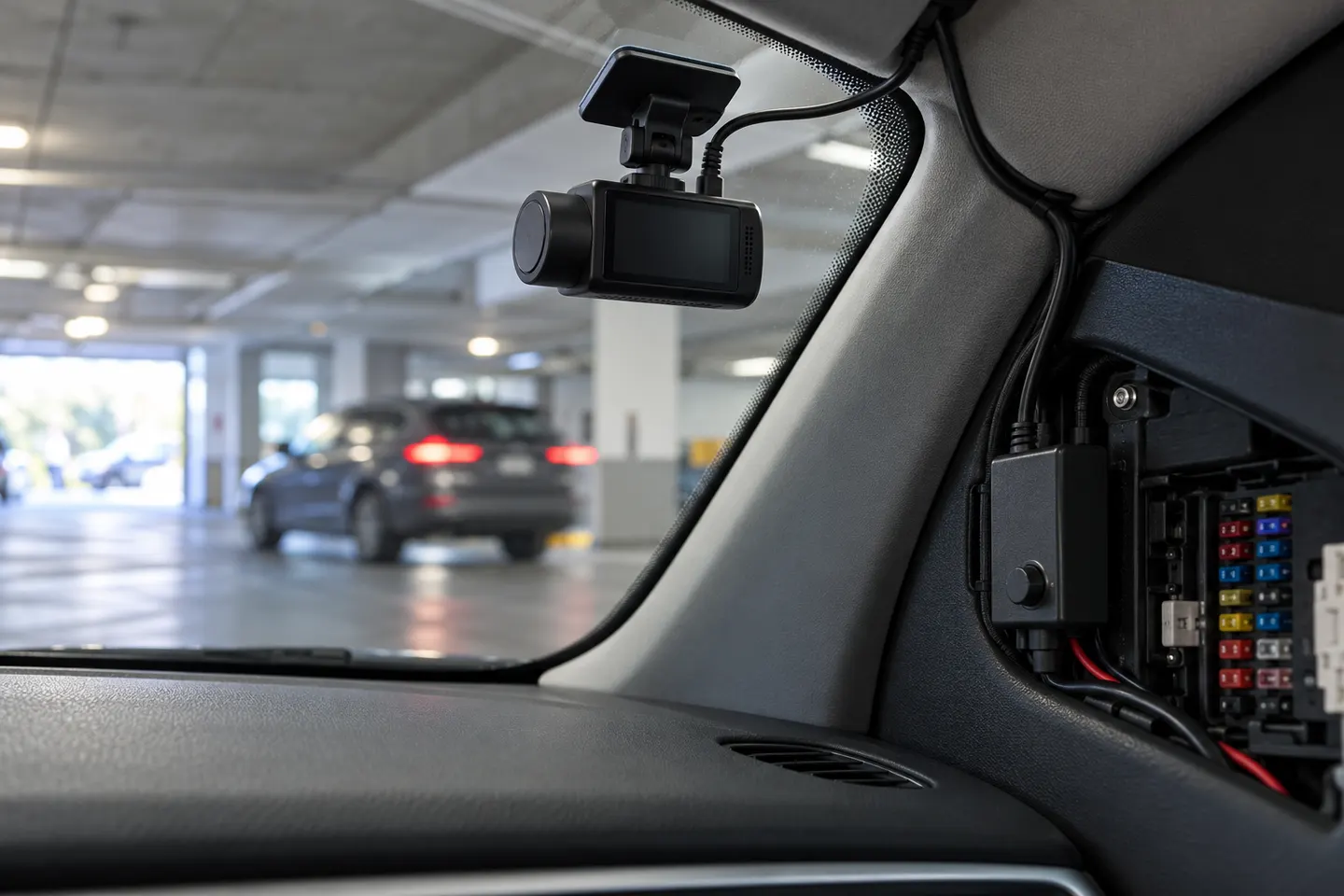 Motion Detector Dash Cams for Parked-Car Monitoring
Common questions
Questions before you buy
Are dashcam radar detector combos legal?
The camera and detector can be regulated differently, and rules vary by jurisdiction and vehicle. Verify current state and federal requirements before use.
Is a combo better than separate devices?
It saves space and usually simplifies power, while separate devices let you optimize placement and replace one component independently.
Does a radar detector combo record continuously?
Its camera side generally uses loop recording while powered. Parking recording, locked clips and storage behavior depend on the model.
Where should a combo unit be mounted?
Use a position allowed by local law that does not obstruct the driver's view. Follow the manufacturer's orientation and clearance instructions.