









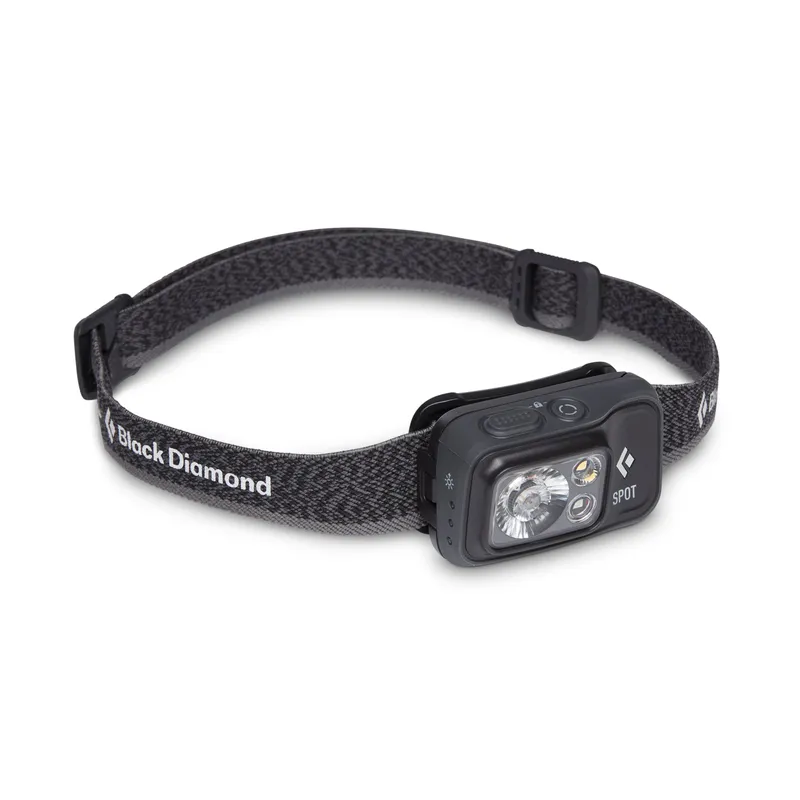
 Official manufacturer image
Our picks
Top picks
Official manufacturer image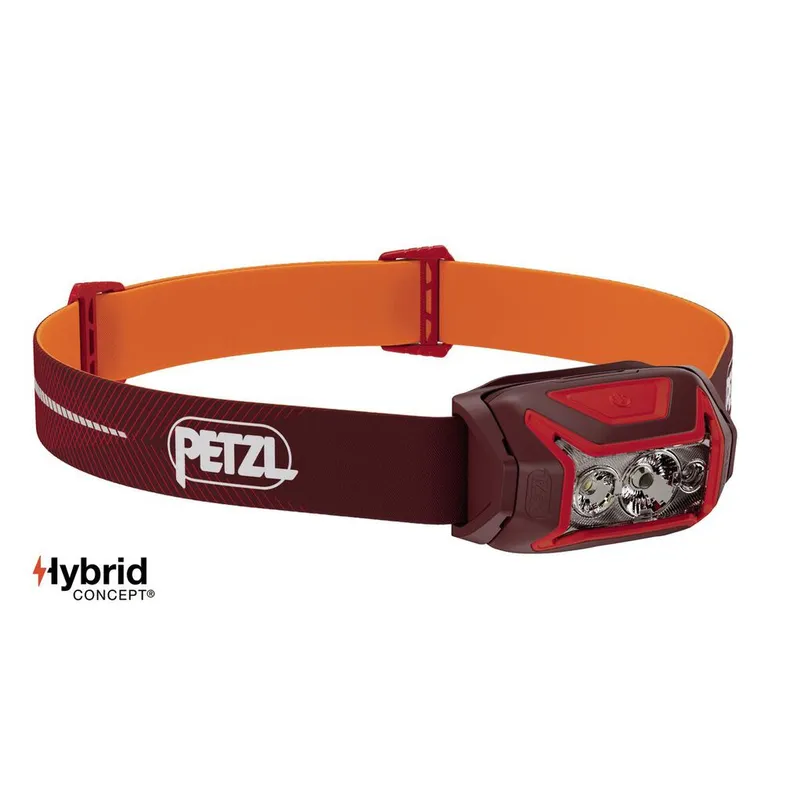 Official manufacturer image
Petzl ACTIK CORE
Check price on Amazon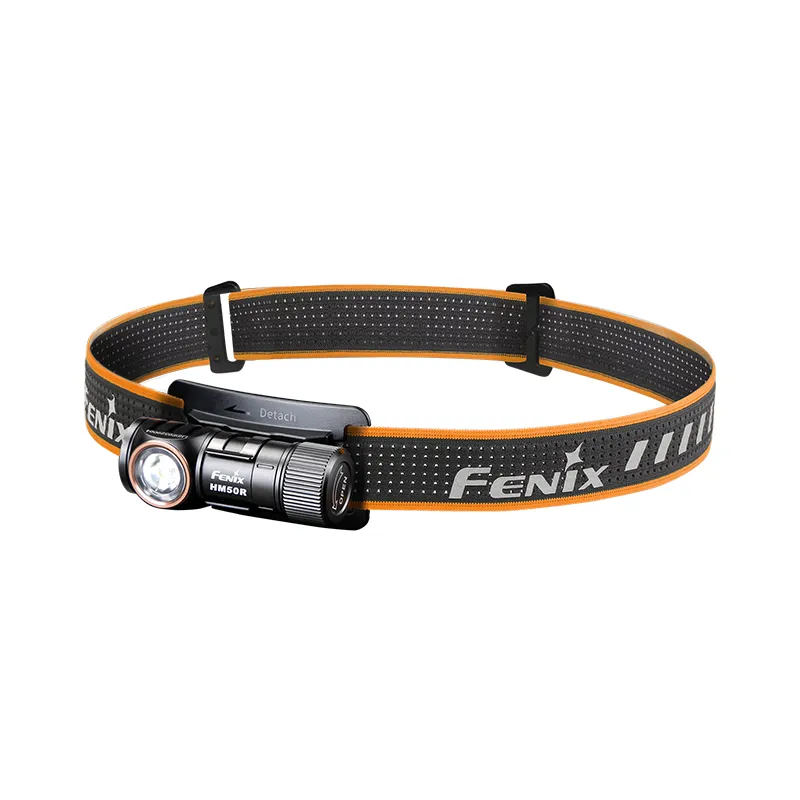 Official manufacturer image
Fenix HM50R V2.0
Check price on AmazonBy feature
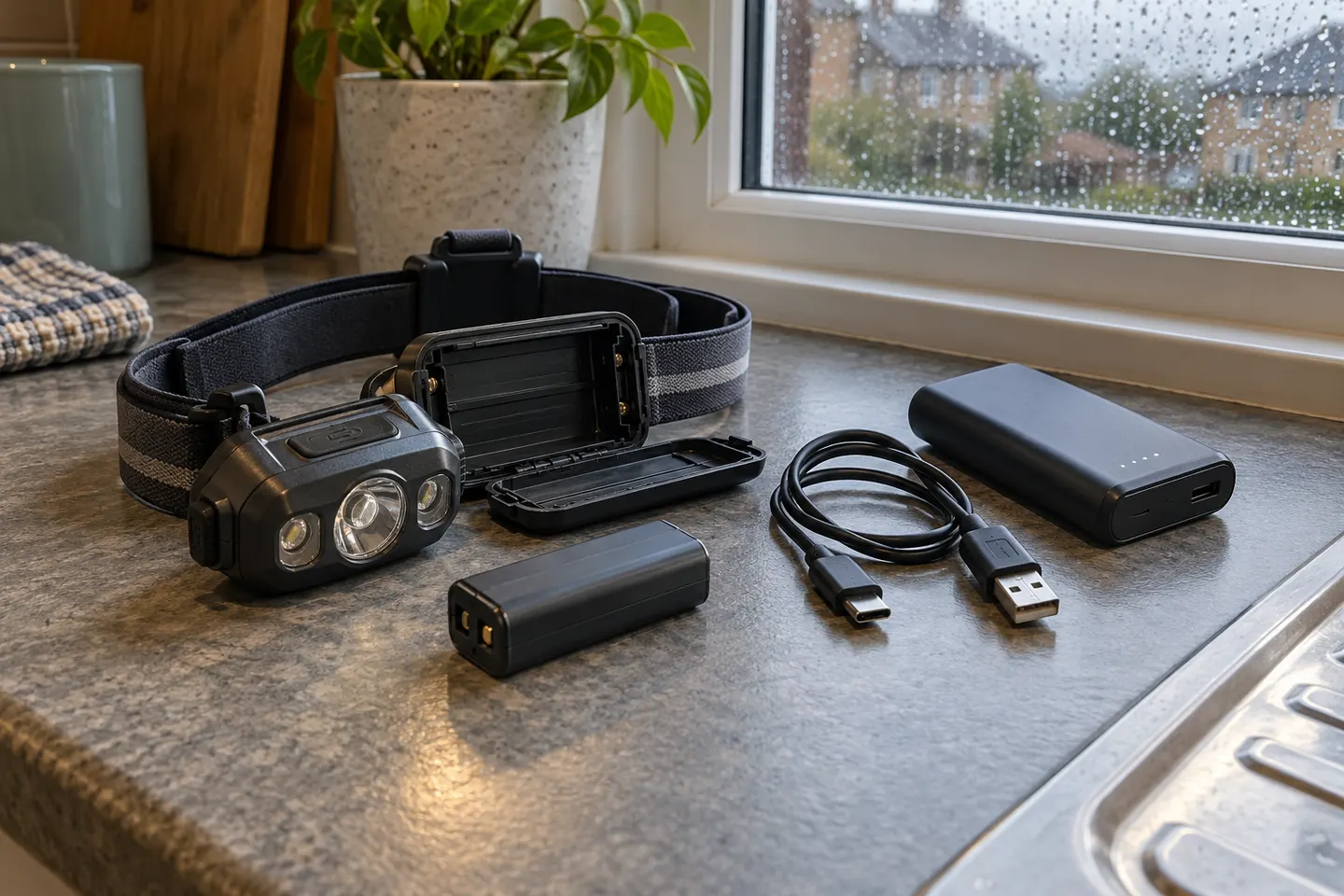 Rechargeable
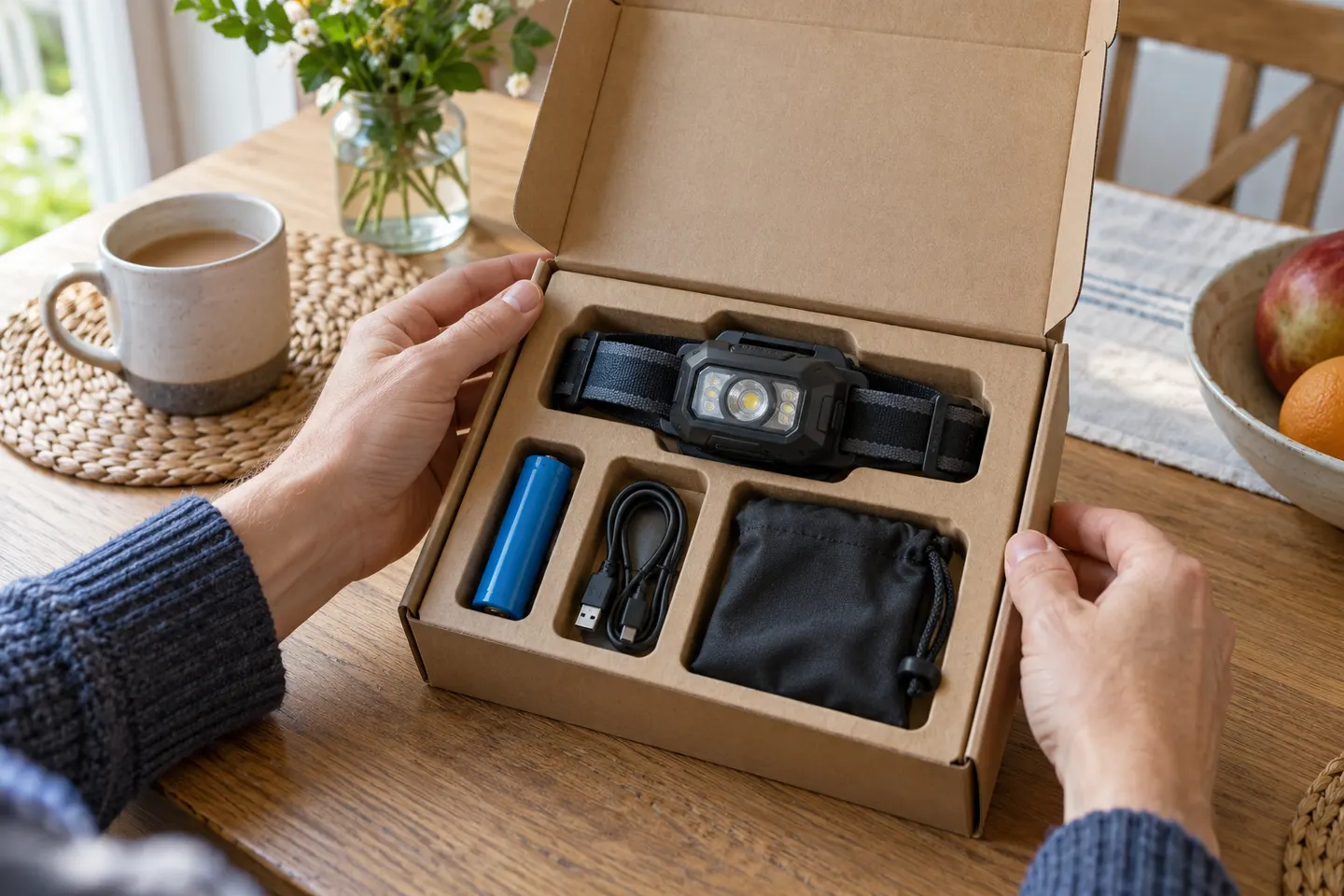 Rechargeable battery
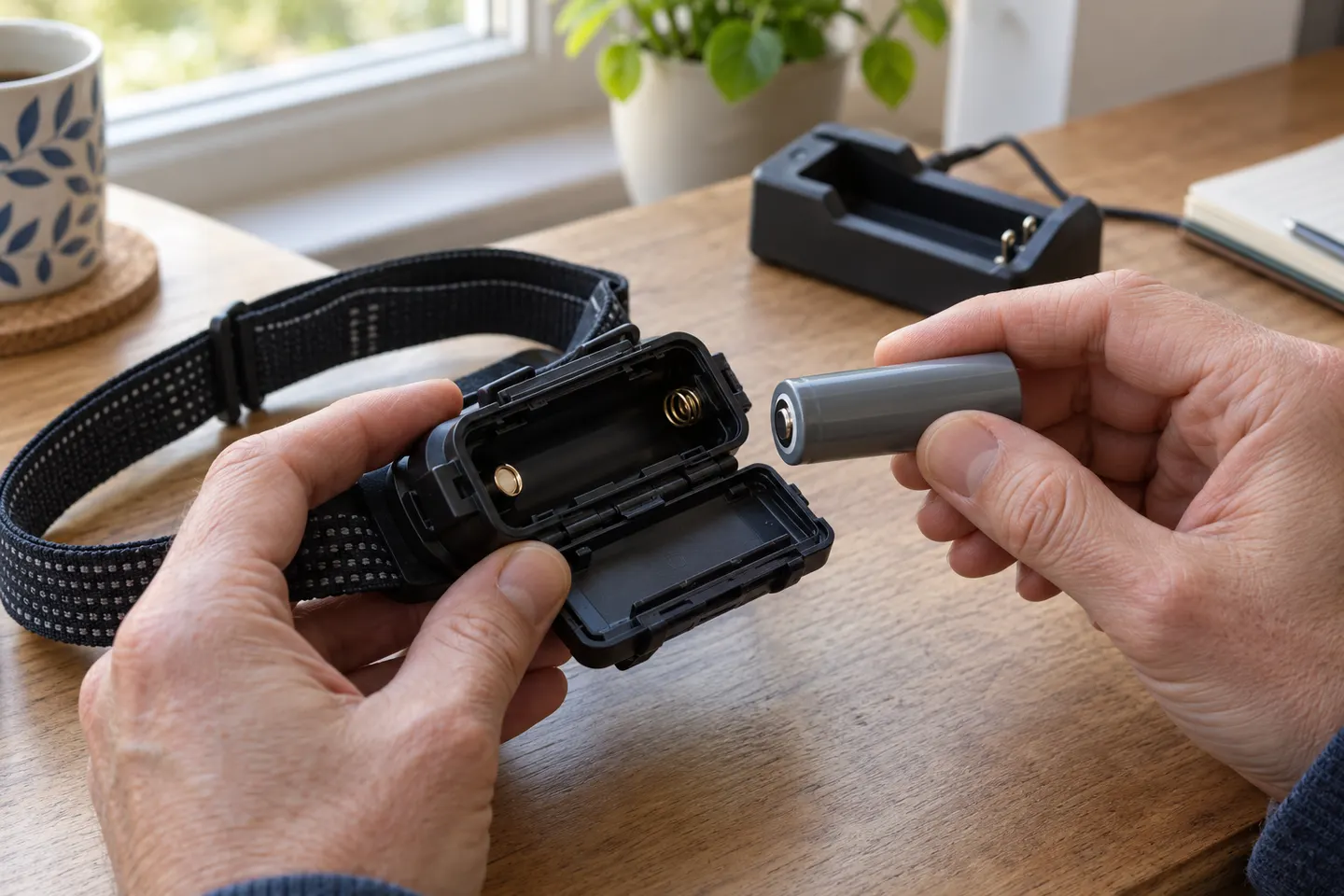 Rechargeable batteries
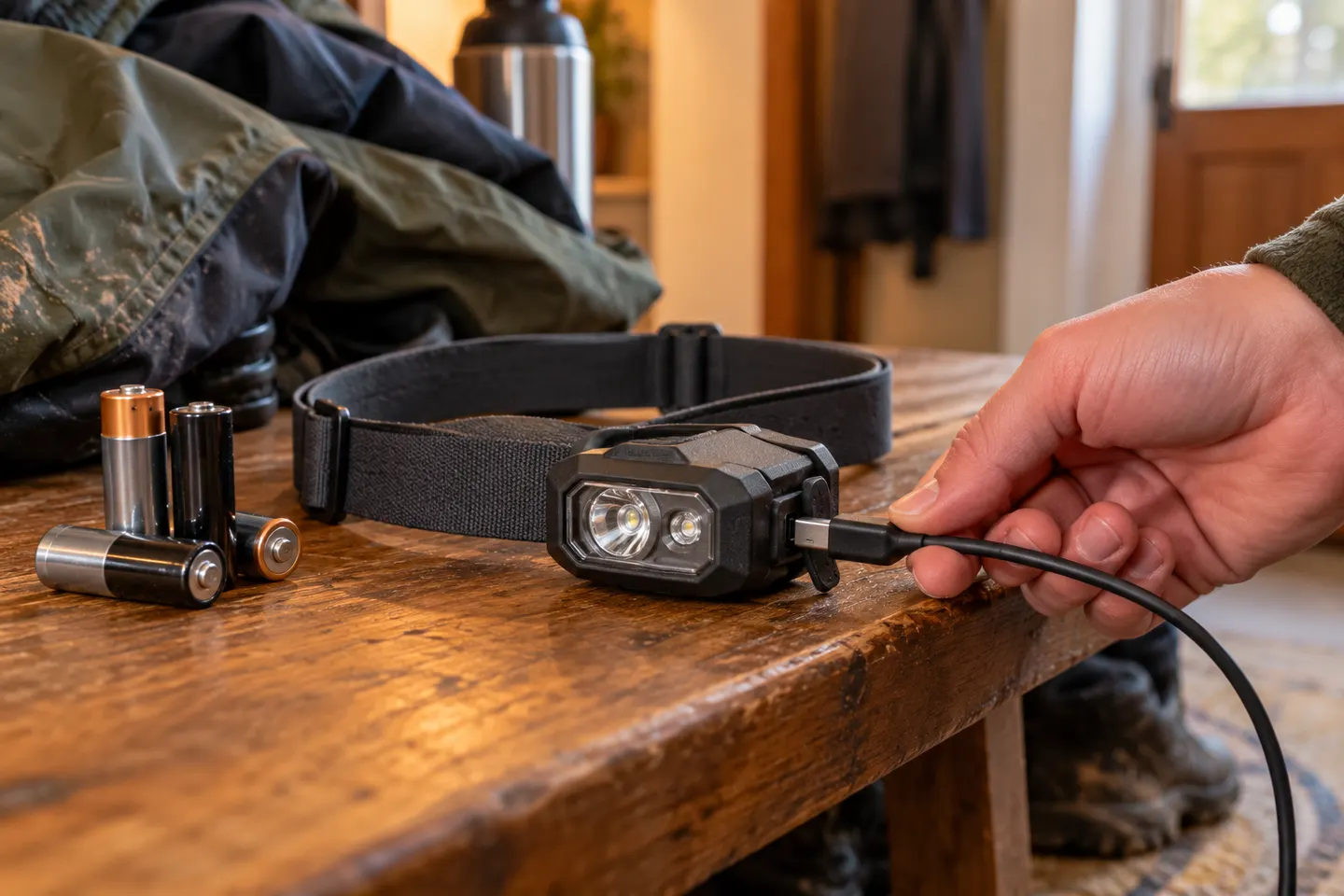 Flashlight rechargeable
Common questions
Questions before you buy
What makes a bright rechargeable headlamp useful?
Look beyond peak output: beam distance, spill, low modes and battery behavior determine how useful the light is for a particular task.
Are rechargeable headlamps bright enough for night hiking?
Many offer high-output modes for trail use. Match beam shape and runtime to the route, and keep a backup light for remote trips.
Do bright headlamps have shorter battery life?
Higher output generally draws more power, so consult the manufacturer runtime table at the setting you plan to use.
What is the difference between bright and super bright headlamps?
These are subjective phrases, not fixed standards. Compare verified output, beam distance and operating duration across exact models.