









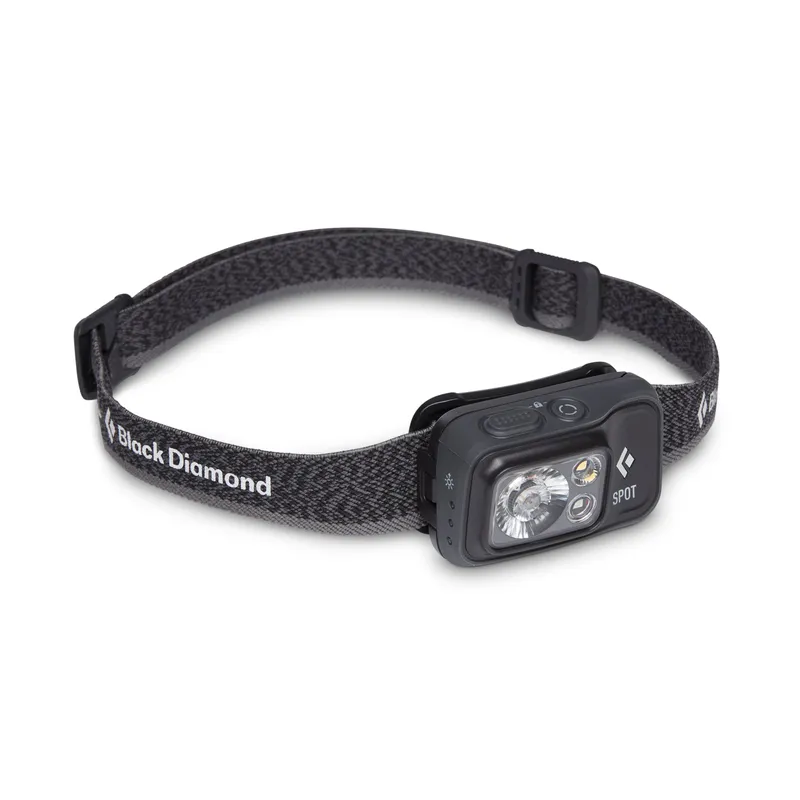
 Official manufacturer image
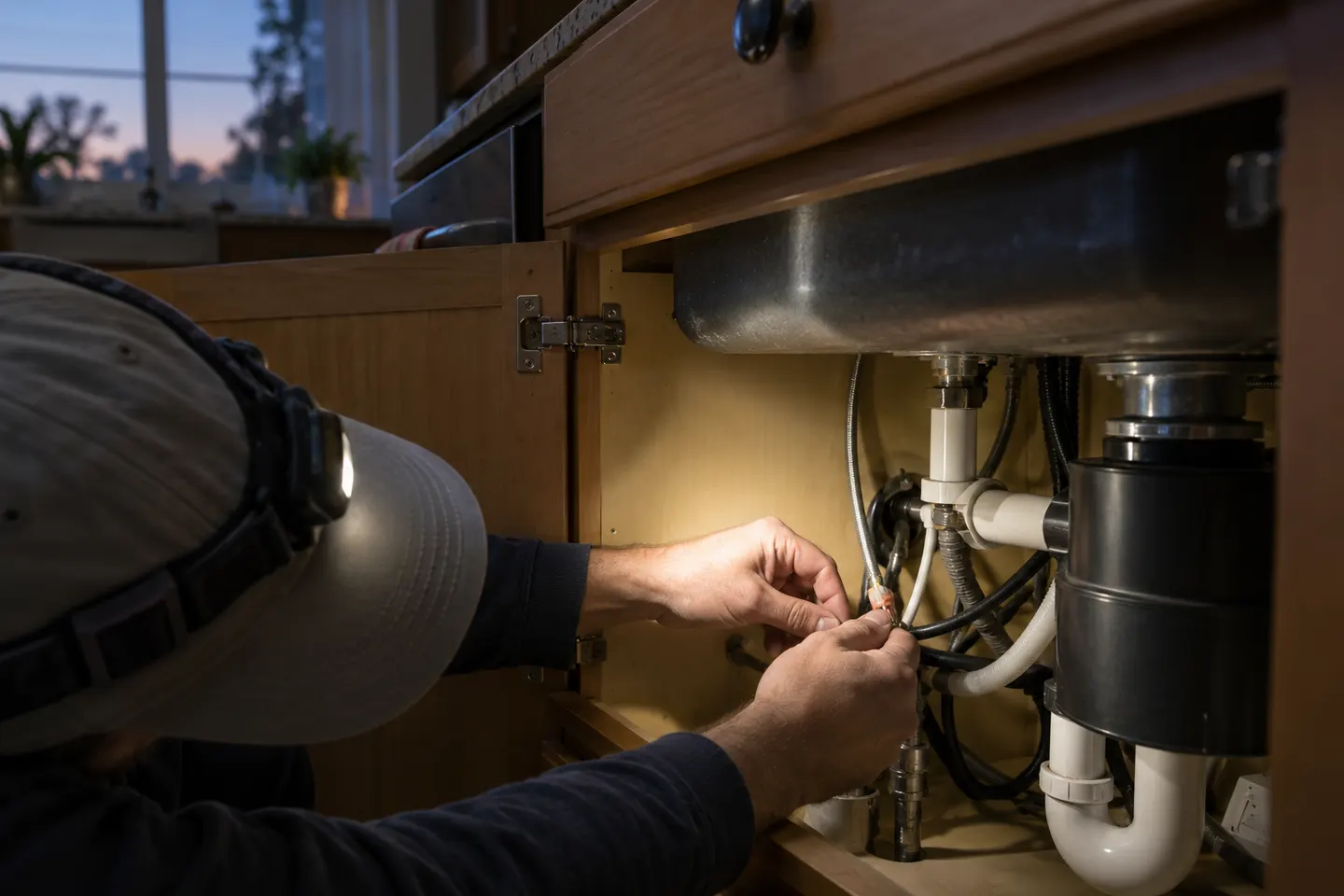
Our picks
Top picks
Official manufacturer image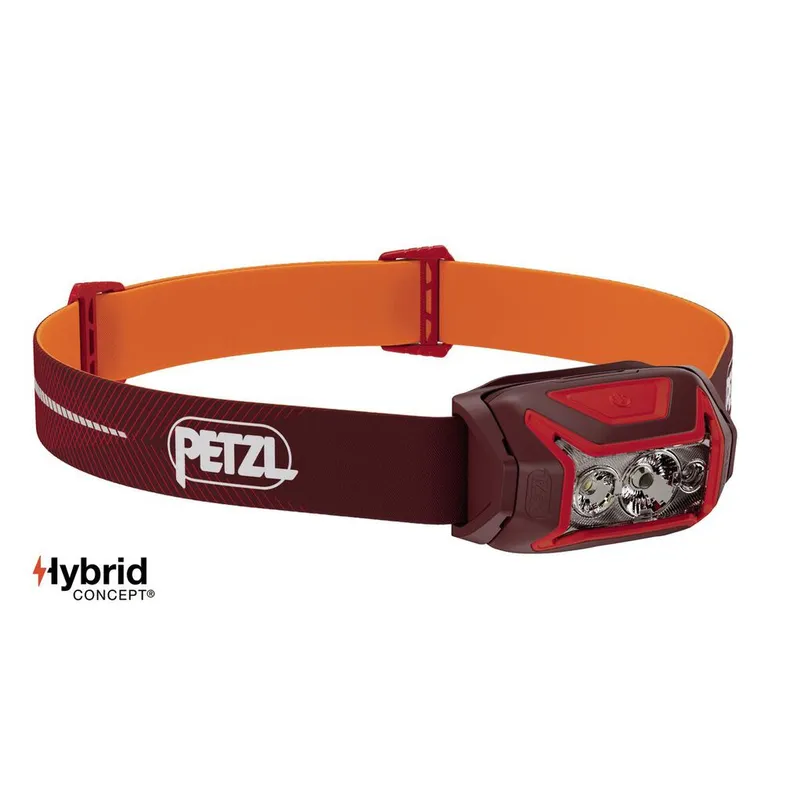 Official manufacturer image
Petzl ACTIK CORE
Check price on Amazon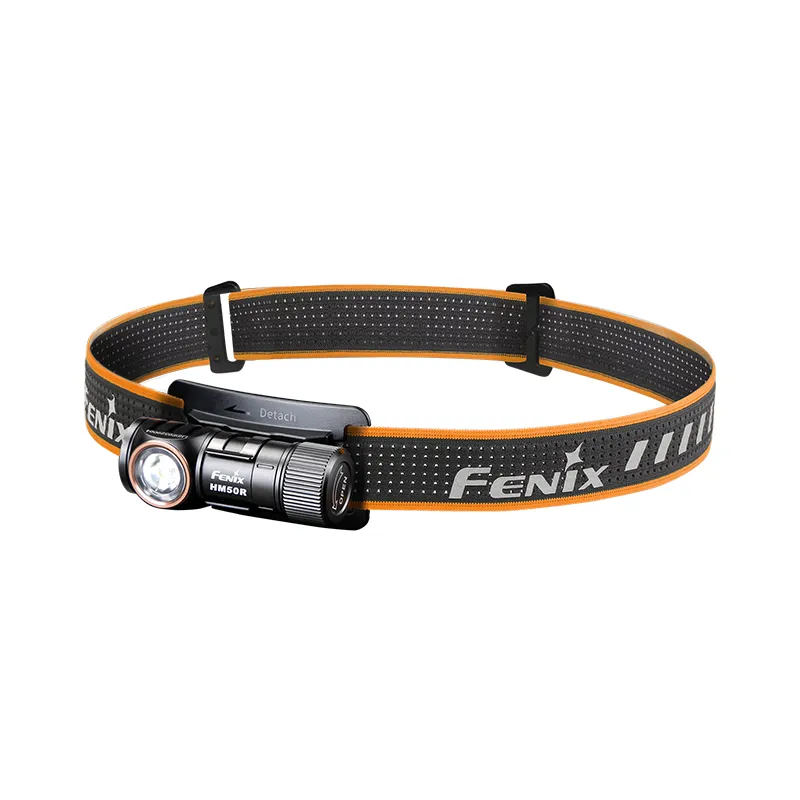 Official manufacturer image
Fenix HM50R V2.0
Check price on AmazonCommon questions
Questions before you buy
Can a headlamp damage your eyes?
Do not stare into a bright LED or shine it into someone's eyes. Follow the maker's instructions and use a lower setting for close work; ask an eye-care professional about persistent symptoms or a specific exposure.
Are brighter headlamps always safer?
No. Excessive brightness can cause glare, while beam pattern and placement affect how clearly nearby hazards appear. Use only the output needed for the task and keep the beam directed away from other people.
What does glare have to do with headlamp health?
Glare can make it harder to see details and can cause discomfort, especially when a concentrated beam points toward a person or reflective surface. NIOSH describes glare and visibility as concerns in mine illumination research.
Can I use a regular rechargeable headlamp in a mine?
Do not assume so. Underground work may require a cap lamp with approvals for the mine and its hazards; check the employer's requirements and the exact certification of the equipment.