









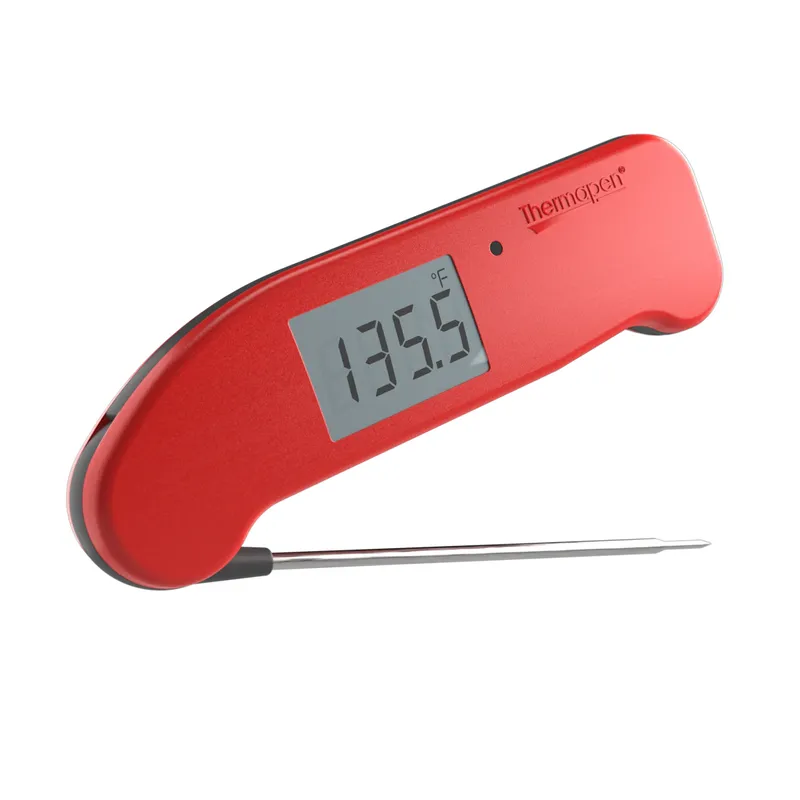
 Official manufacturer image
Our picks
Top picks
Official manufacturer image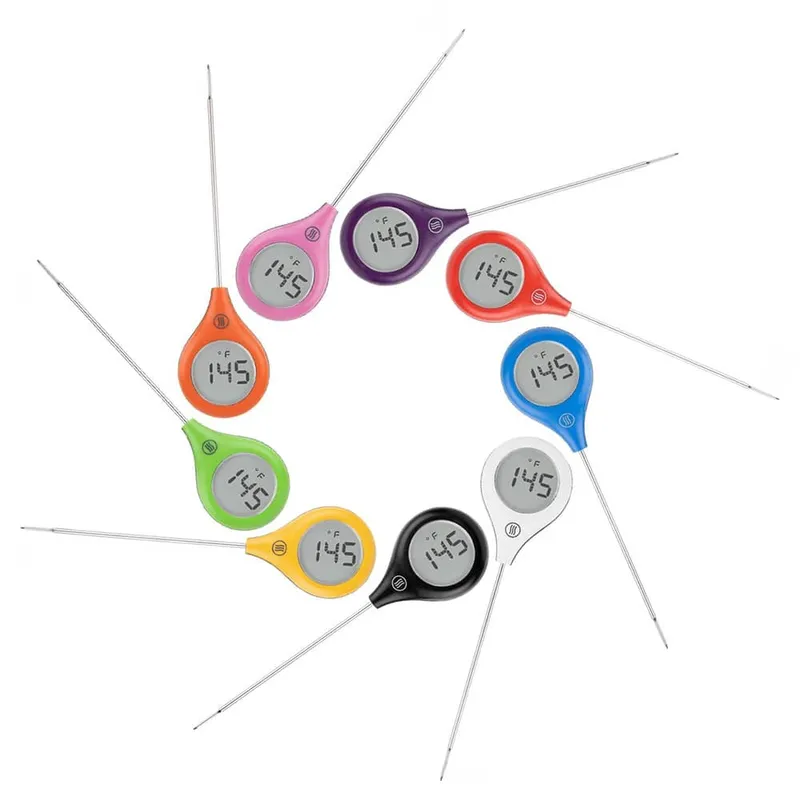 Official manufacturer image
ThermoWorks ThermoPop 2
Check price on Amazon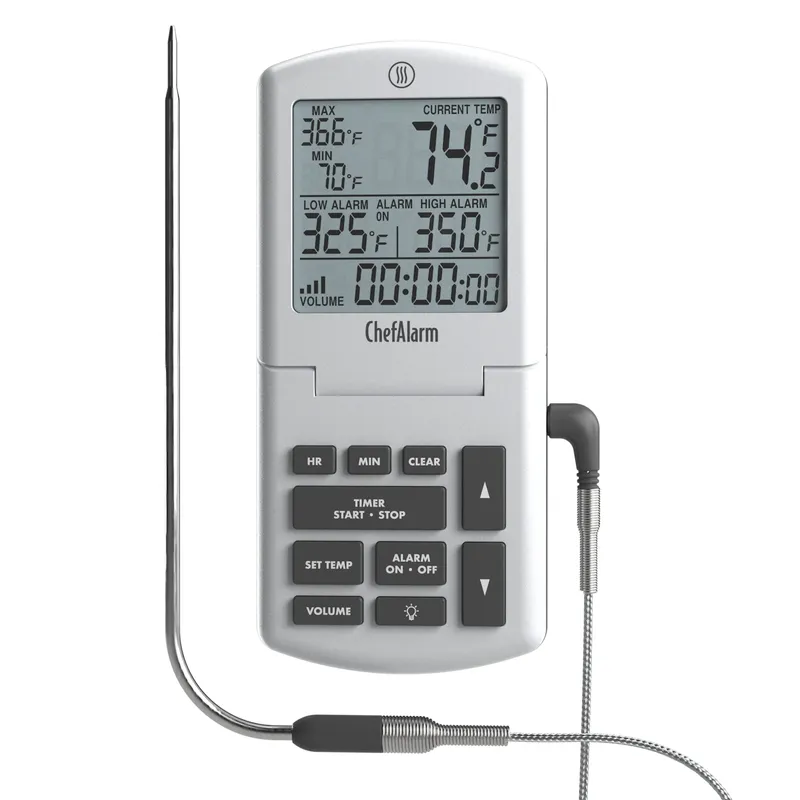 Official manufacturer image
ThermoWorks ChefAlarm
Check price on AmazonMore topics
Common questions
Questions before you buy
How accurate should a food thermometer be for ServSafe?
ServSafe training commonly uses ±2°F or ±1°C. Confirm the wording in your current course and local regulatory requirements.
When should a food thermometer be calibrated?
Check it on the schedule in your food-safety plan and after events that may affect accuracy, such as a drop or a large temperature change.
Which calibration method should food handlers use?
Ice-point and boiling-point methods are common, but the device instructions and workplace procedure control. Boiling-point checks must account for elevation.
Does resolution equal accuracy?
No. A display may show tenths of a degree without being accurate to that amount; use the maker's accuracy specification and calibration evidence.