









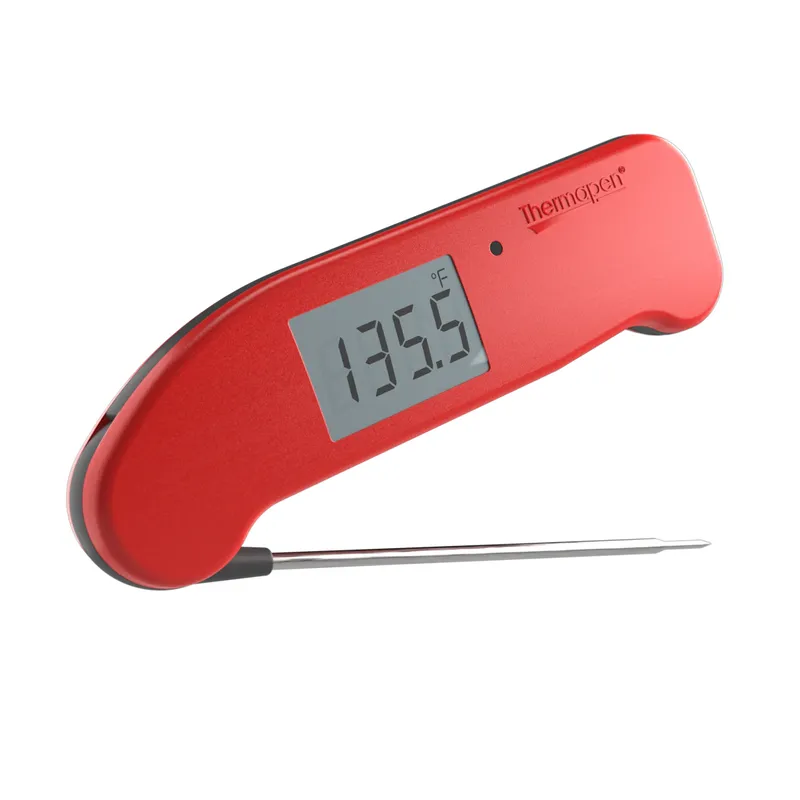
 Official manufacturer image
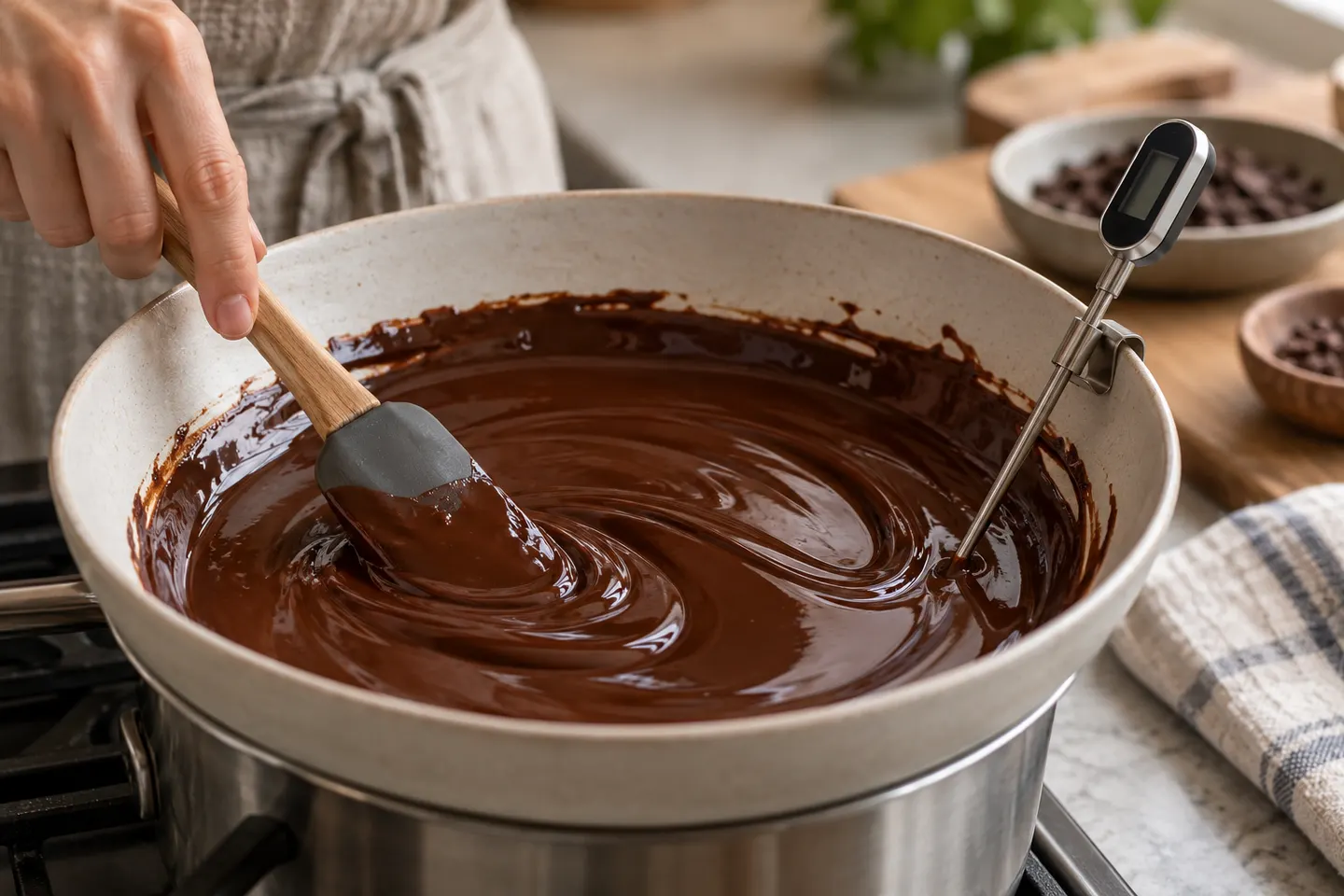
Our picks
Top picks
Official manufacturer image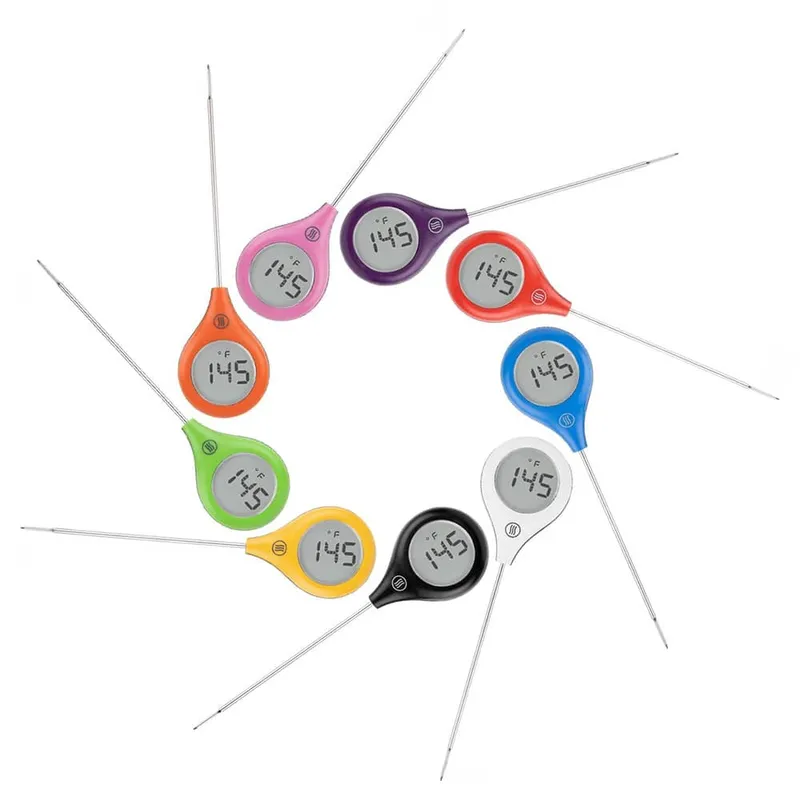 Official manufacturer image
ThermoWorks ThermoPop 2
Check price on Amazon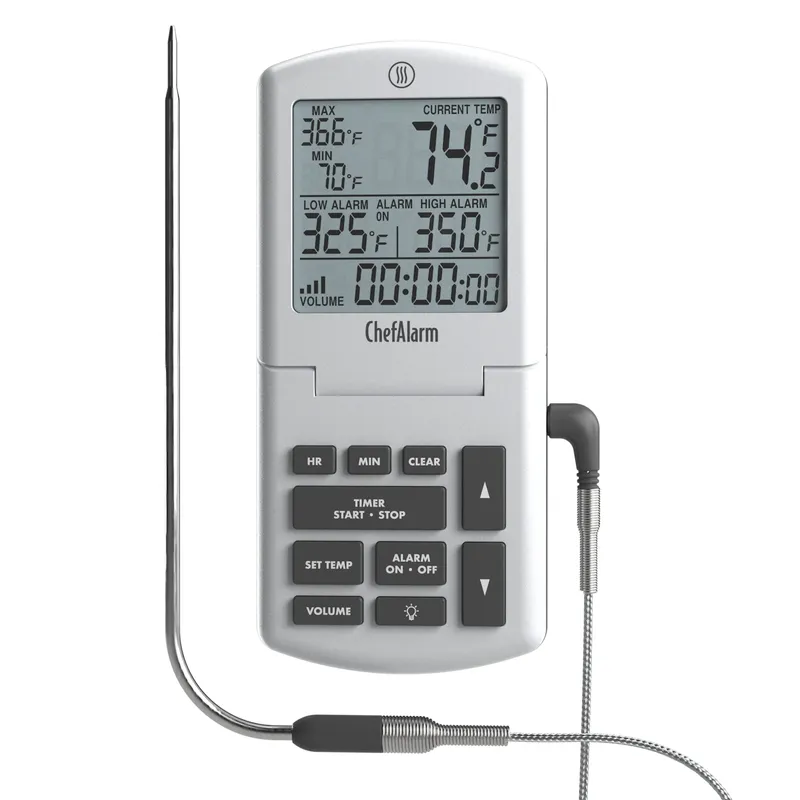 Official manufacturer image
ThermoWorks ChefAlarm
Check price on AmazonCommon questions
Questions before you buy
Can you use a meat thermometer for chocolate?
You can if its stated range, readability and sensing-area depth suit the batch. Keep the probe off the bowl and stir before judging the reading.
Is an infrared thermometer accurate for chocolate?
It measures the surface rather than the center. Stir thoroughly, use the specified distance-to-spot ratio and avoid reading the bowl instead of the chocolate.
Is a candy thermometer the same as a chocolate thermometer?
Not exactly. Candy thermometers are commonly designed for hotter sugar syrups, while chocolate work benefits from clarity and responsiveness across a lower range.
Why does thermometer placement matter when tempering chocolate?
Contact with the bowl can reflect the vessel's temperature, while an unmixed surface may differ from the center. Keep the sensor in the chocolate and stir evenly.