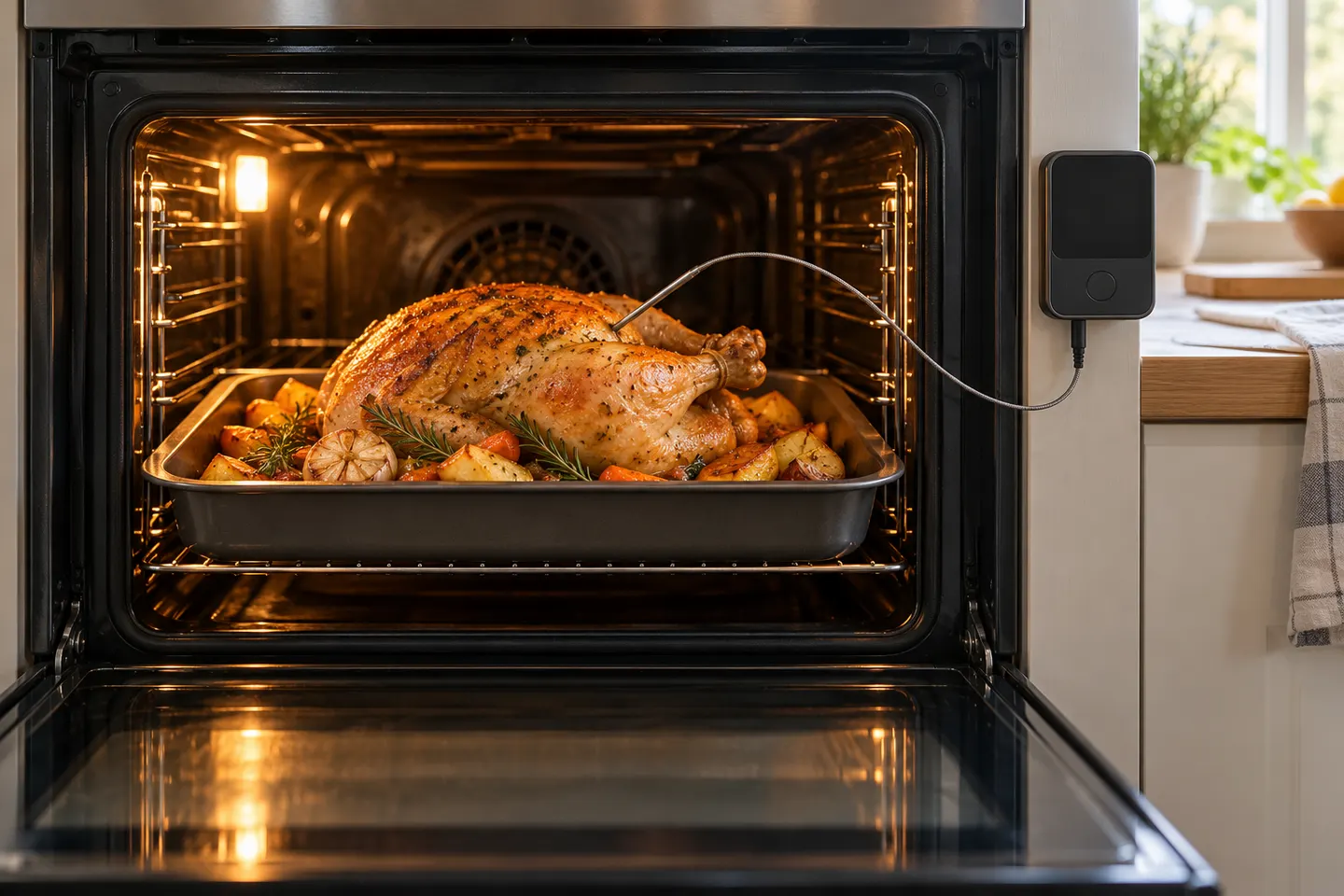
Best Meat Oven Thermometers for Leave-In Monitoring
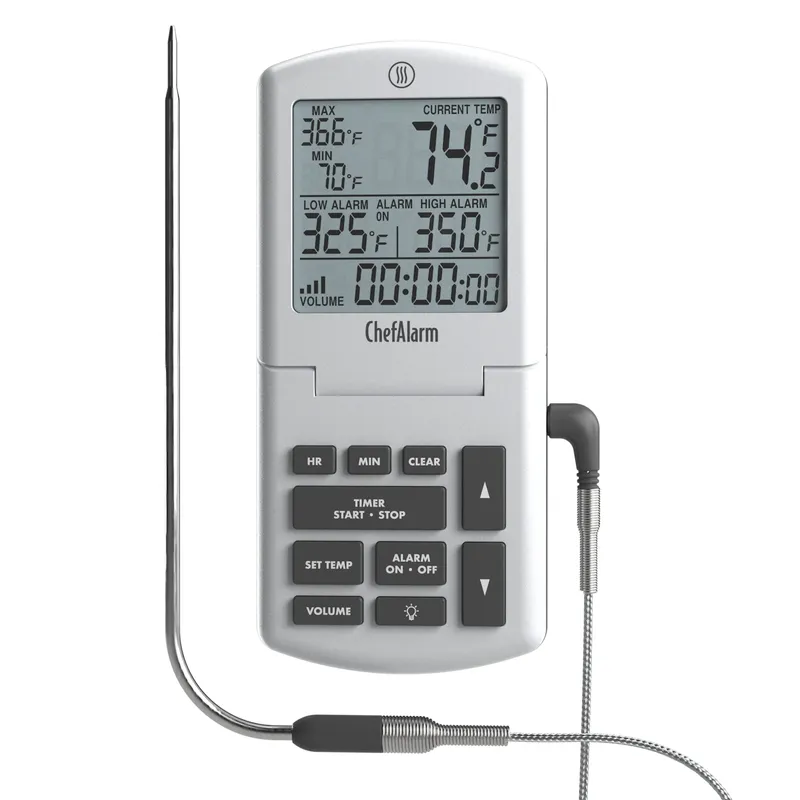
ThermoWorks ChefAlarm is our top single-probe wired choice. DOT keeps controls simpler, Taylor 1471N adds presets, and TempSpike models remove the oven-door cable.

 Best picksGood Meat Thermometers for Every Kind of Cook
 Best picksBest WiFi Extenders: Which Range Extender Should You Buy?
 Best picksBest Dash Cams for Cars in 2026
 Best picksBest Radar Detectors for Cars: Models Compared
 Best picksGood Winter Gloves for Cold Weather: Five Useful Picks
 Best picksBest Headlamps: Six Lights Compared for Different Uses
 Best picksTop 10 Best Battery-Powered Weed Eaters for Different Yards
 Best picksBest Portable Air Coolers for Patios, Workshops and Small Spaces (2026)
 Best picksBest Air Purifier for Bedroom in the US: Quiet Models Compared
Start here
ThermoWorks ChefAlarm is our top single-probe wired choice. DOT keeps controls simpler, Taylor 1471N adds presets, and TempSpike models remove the oven-door cable.
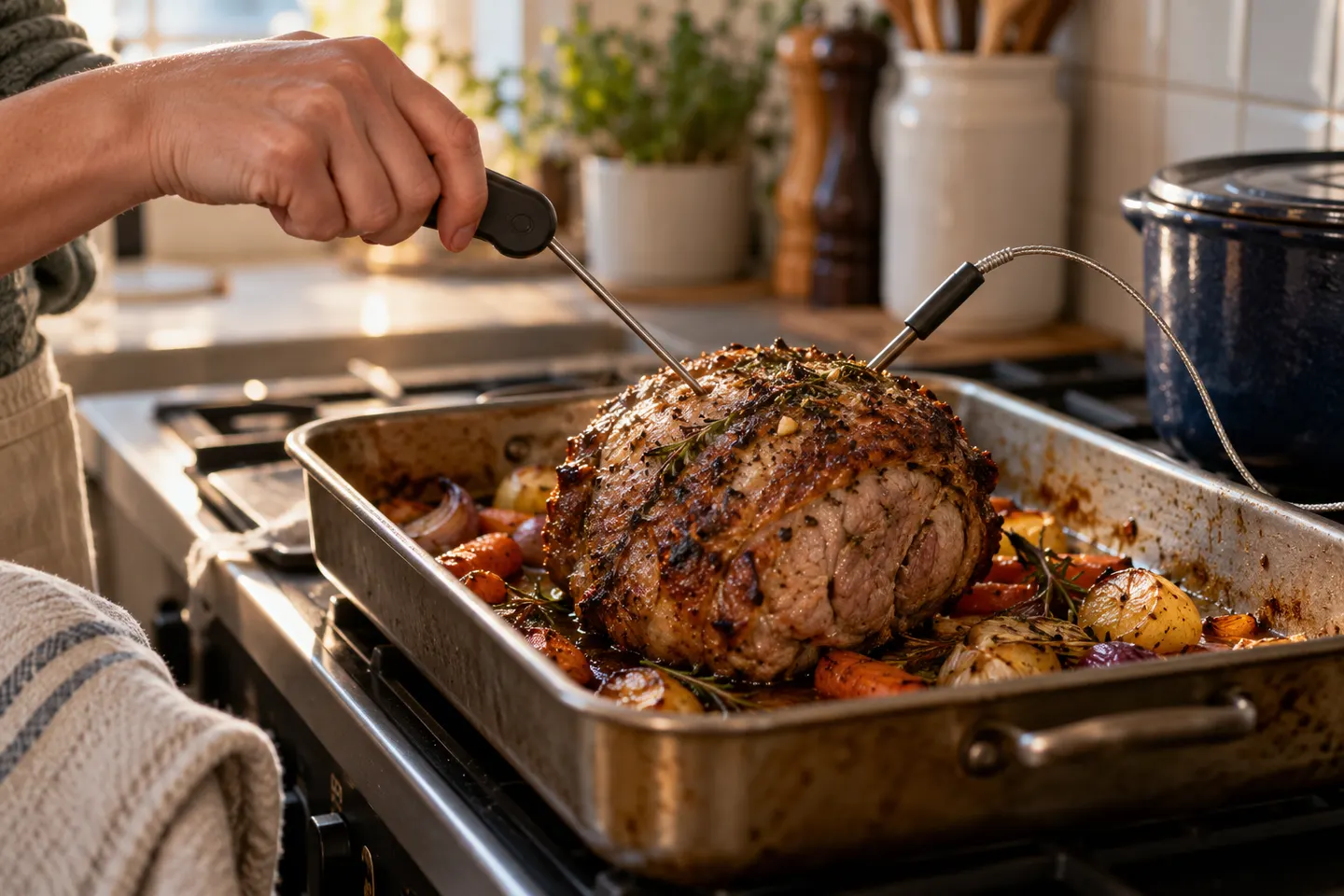
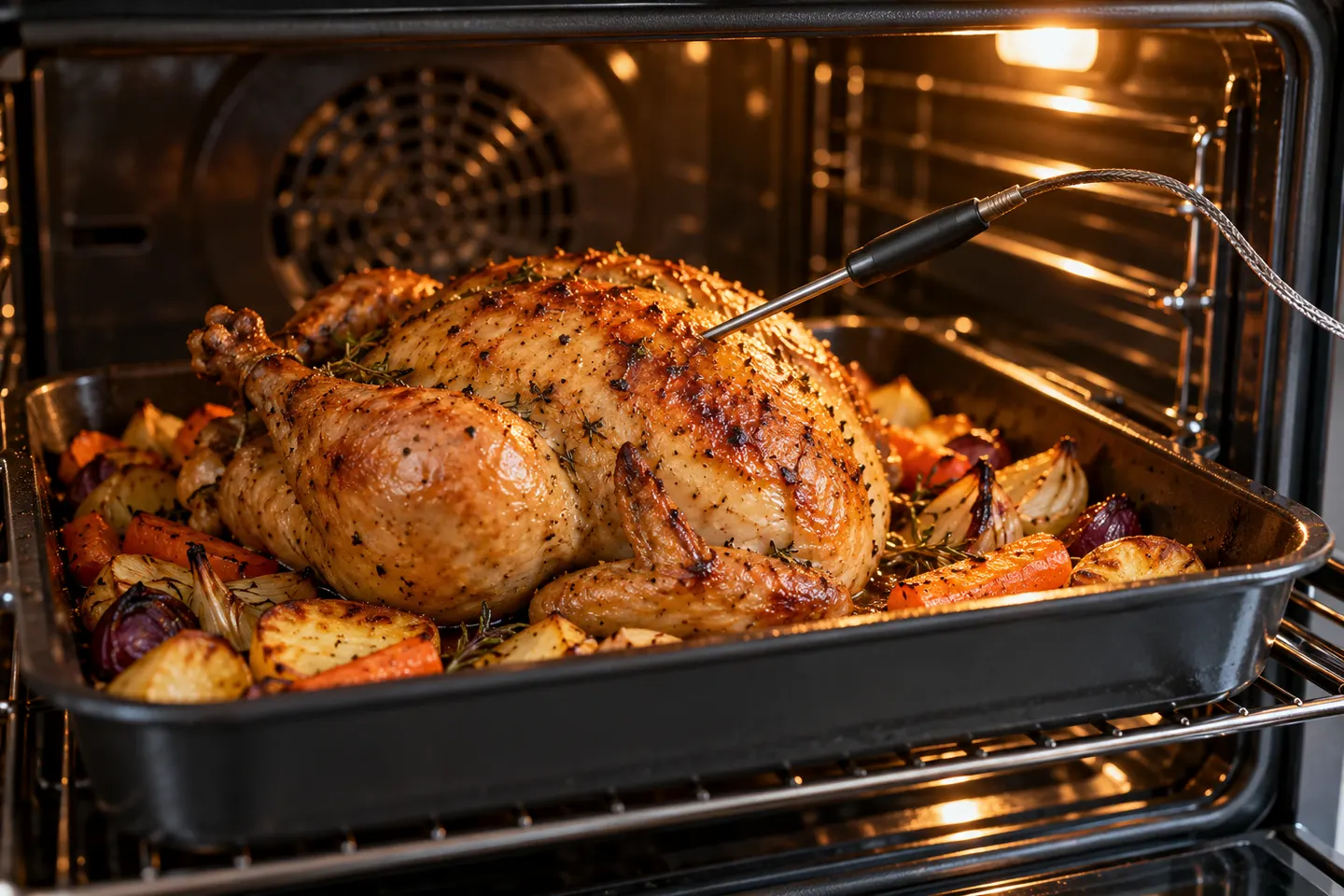
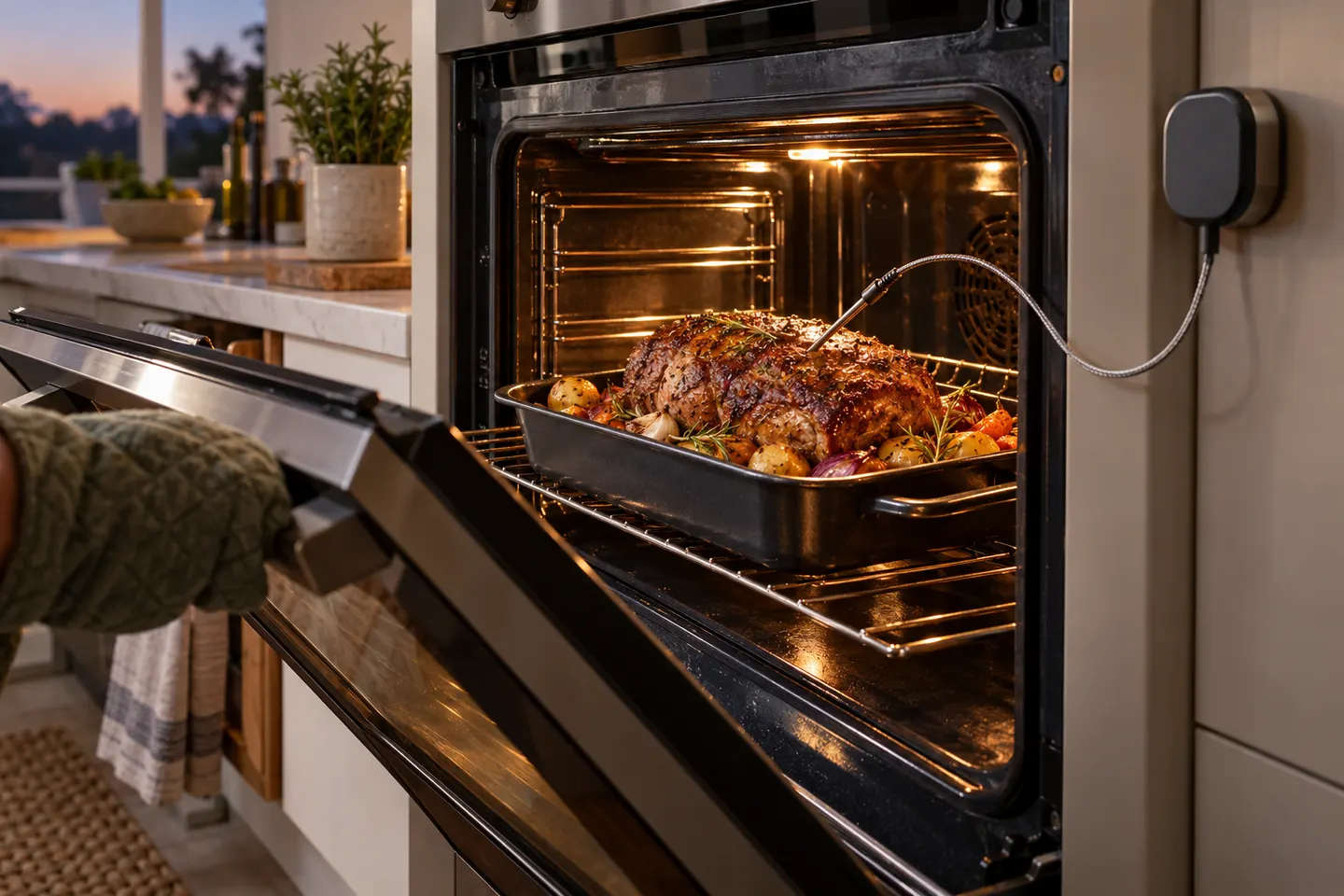
Yes, but only with an oven-safe leave-in thermometer. Remove instant-read models after each check unless their instructions explicitly say otherwise.
Our picks
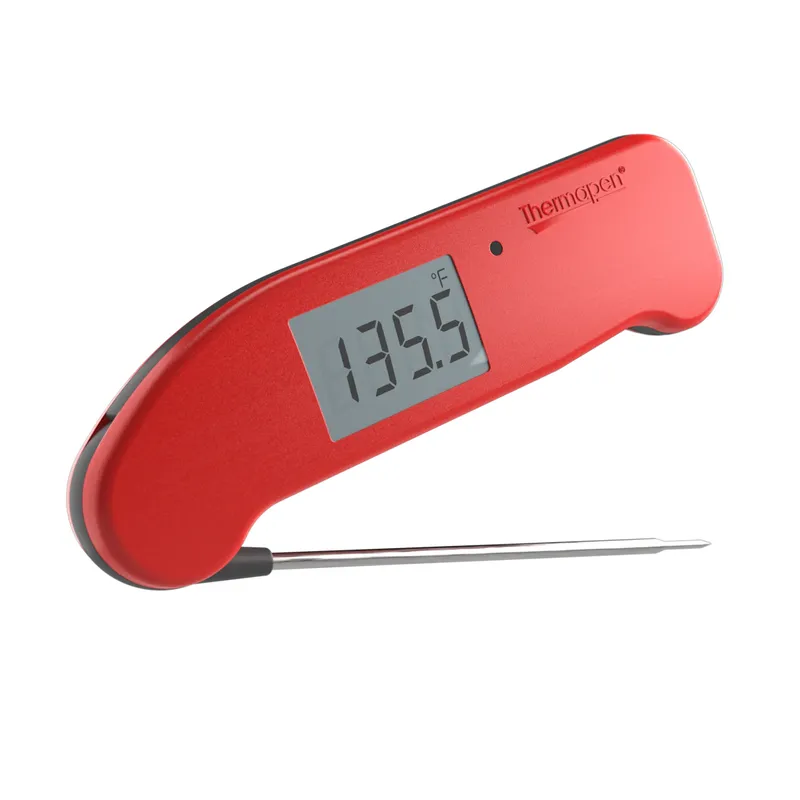 Official manufacturer image
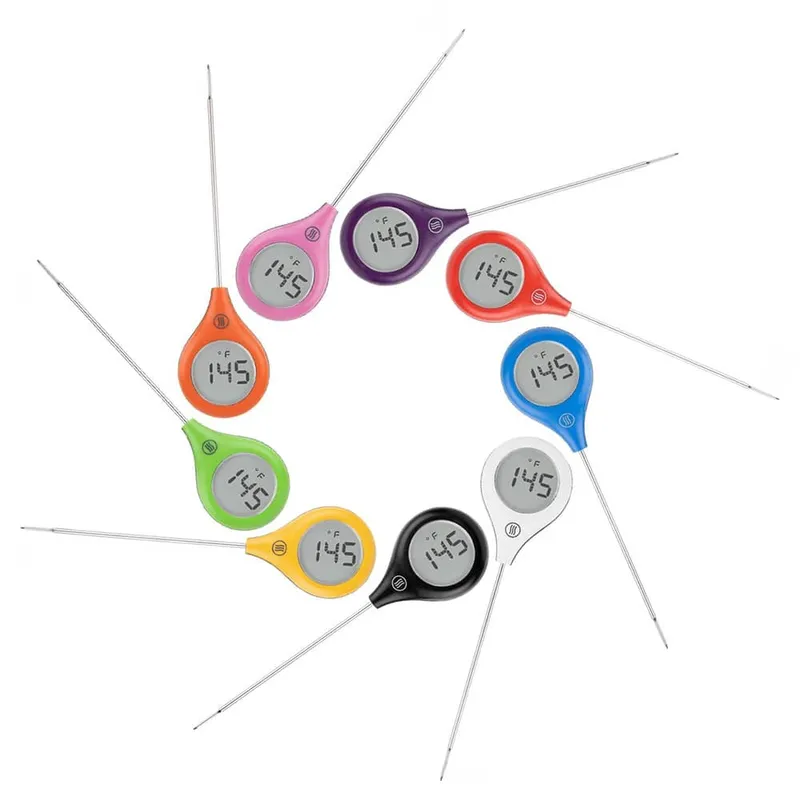 Official manufacturer image
 Official manufacturer image
Common questions
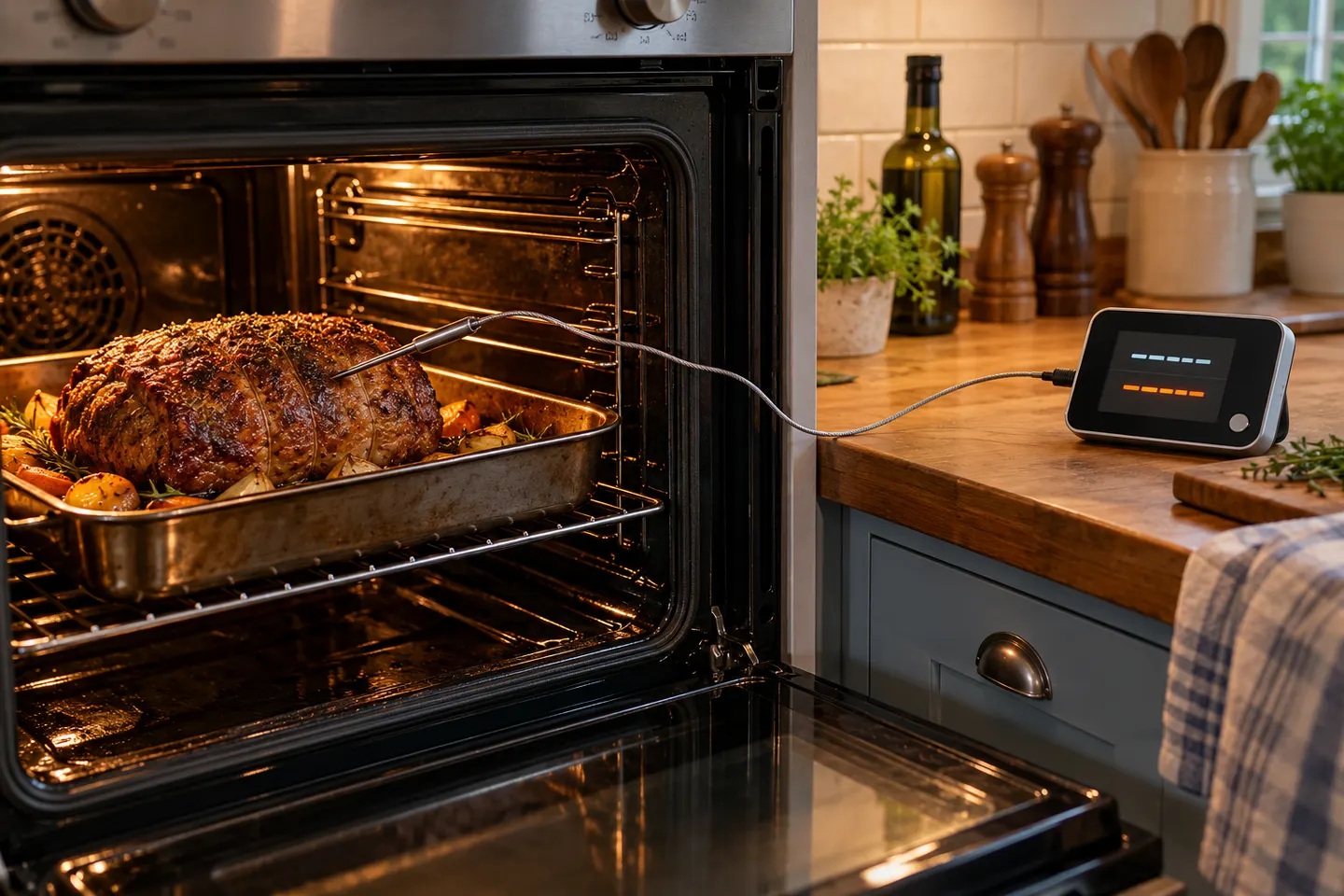
Only the components the manufacturer specifically rates for oven use, commonly the metal probe and an approved cable. The display, receiver, or transmitter may need to stay outside.
Follow the cable-routing instructions for that model. A sharply pinched, kinked, or overheated cable can fail even when the probe itself is heat-resistant.
They can wear out after repeated heat, moisture, or cable damage. A model with clearly identified replacement probes may be easier to keep in service.
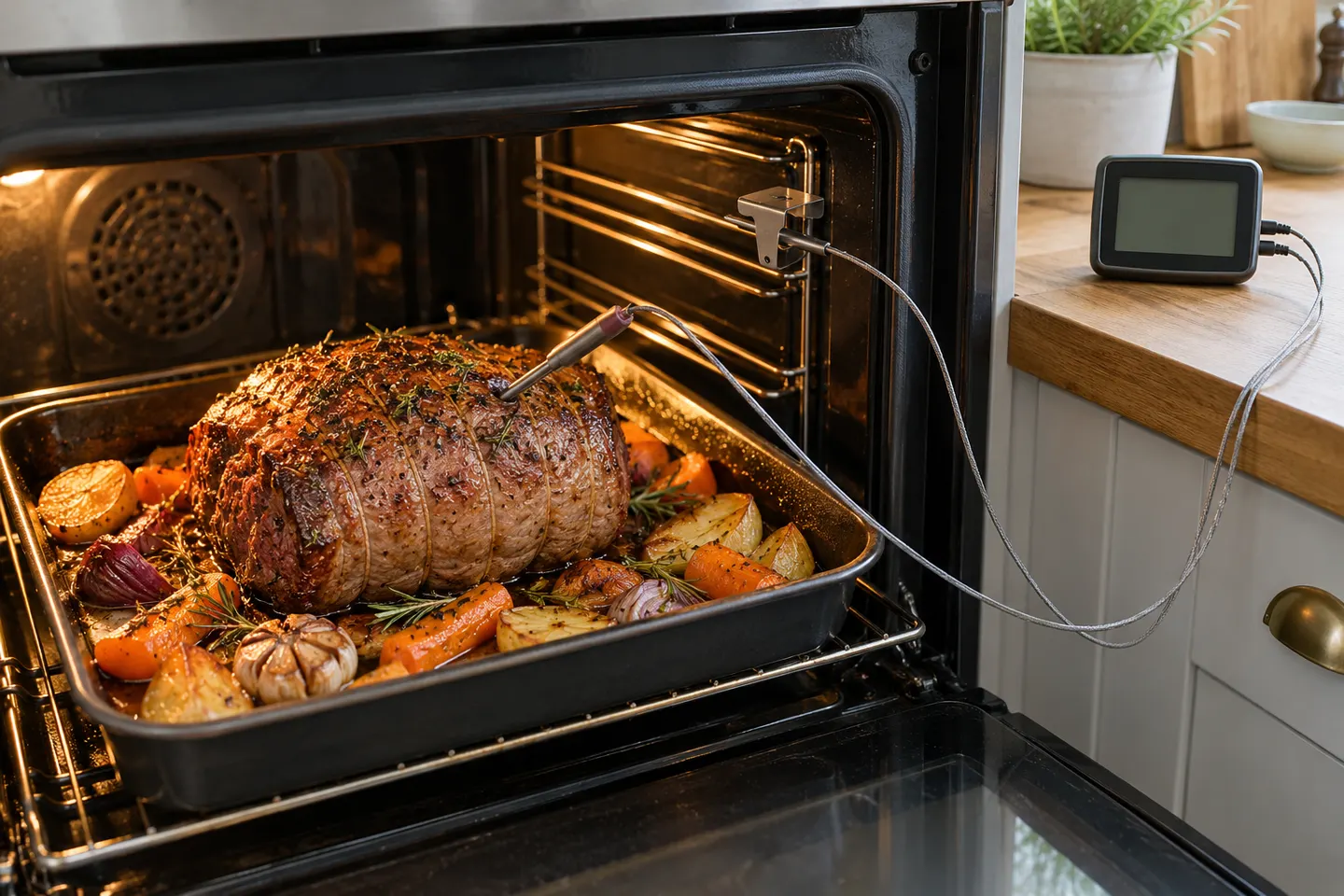
Use the supplied clip or the placement described in the manual. Direct contact with hot metal can distort a reading intended to represent the surrounding air.
 Oven safe
 Oven
 Digital oven
 Wireless oven
 Leave