









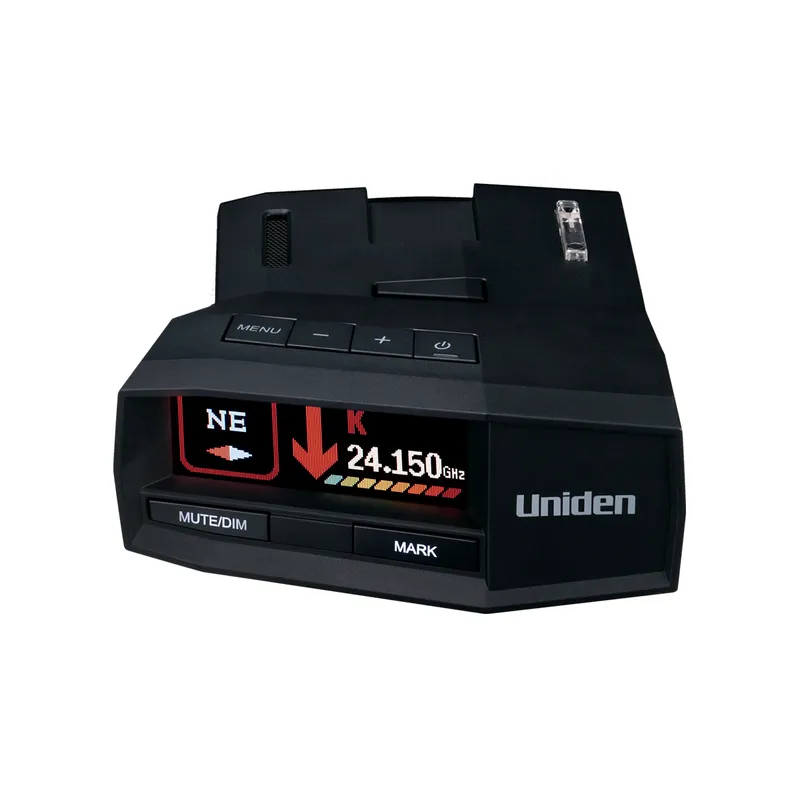
 Official manufacturer image
Our picks
Top picks
Official manufacturer image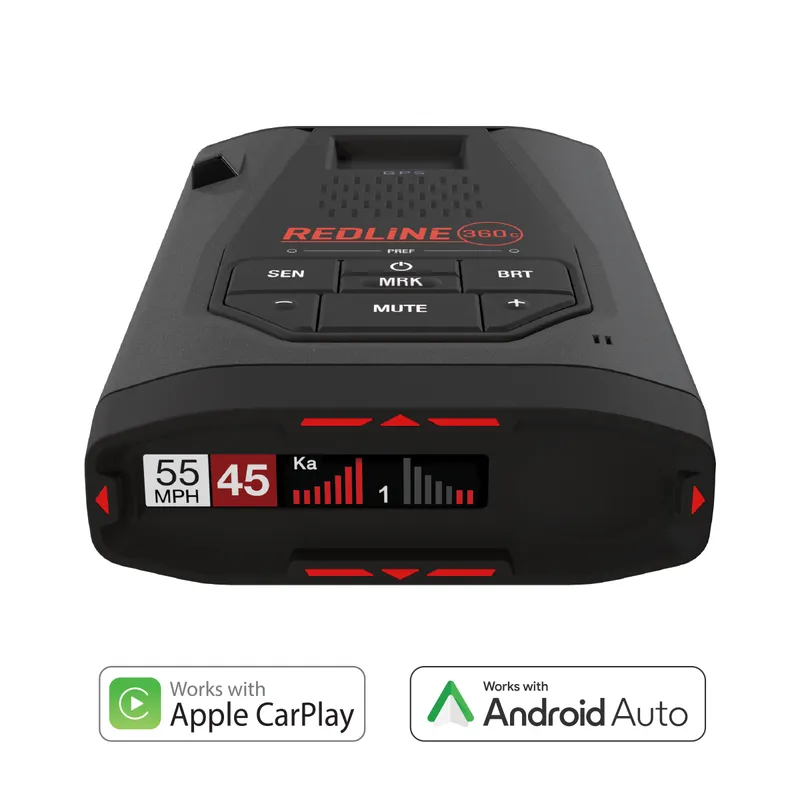 Official manufacturer image
Escort Redline 360c
Check price on Amazon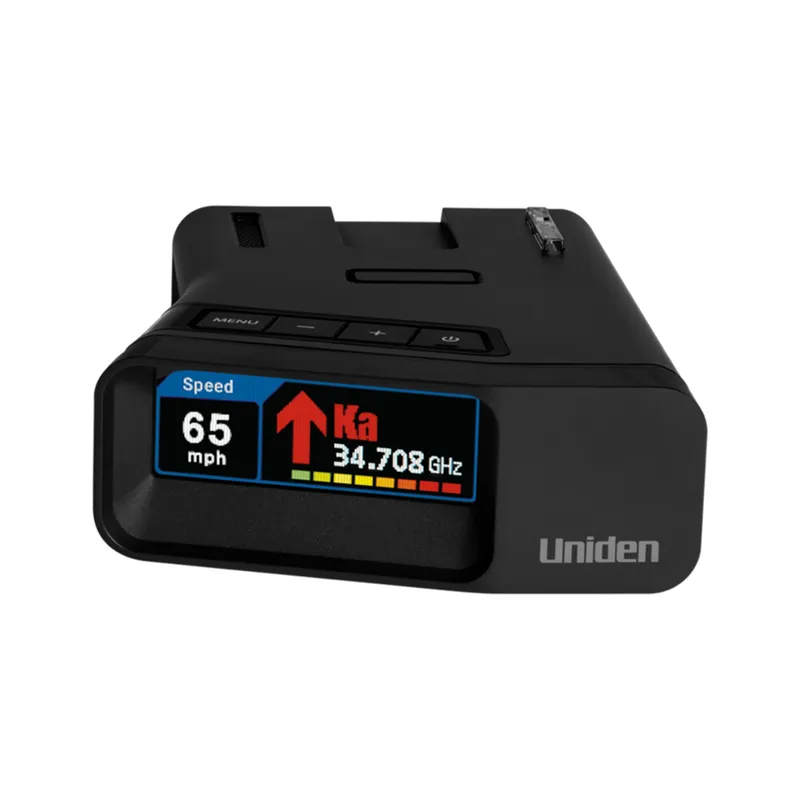 Official manufacturer image
Uniden R7
Check price on AmazonCommon questions
Questions before you buy
Which radar detector features are most useful to compare?
Start with supported signal bands, alert clarity, filtering controls, GPS functions and installation requirements. Choose based on your routes and tolerance for frequent alerts.
What is the difference between directional arrows and a basic alert?
Directional arrows are intended to indicate the apparent direction of a detected signal; a basic alert may indicate a signal without that directional cue. Exact operation varies by model.
Does a longer claimed detection range mean a better detector?
Not by itself. Manufacturer range claims may be measured under particular conditions, and road layout, signal source and settings can affect actual detection.
Can I compare detectors by their frequency bands?
Yes, band support is a useful specification to check, but it is only one part of the comparison. Confirm the bands and operating features in each model's current official documentation.