Independent buying guidance · US editionHow we work
Gearjury
All categories
All categories
Best picksGood Meat Thermometers for Every Kind of Cook
Best picksBest Dash Cams for Cars in 2026
Best picksBest WiFi Extenders: Which Range Extender Should You Buy?
Best picksBest Radar Detectors for Cars: Models Compared
Best picksGood Winter Gloves for Cold Weather: Five Useful Picks
Best picksBest Headlamps: Six Lights Compared for Different Uses
Best picksBest Portable Air Coolers for Patios, Workshops and Small Spaces (2026)
Best picksTop 10 Best Battery-Powered Weed Eaters for Different Yards
Best picksBest Air Purifier for Bedroom in the US: Quiet Models Compared
United StatesEnglish

Category hub

Radar Detector Directional Arrows: How They Work

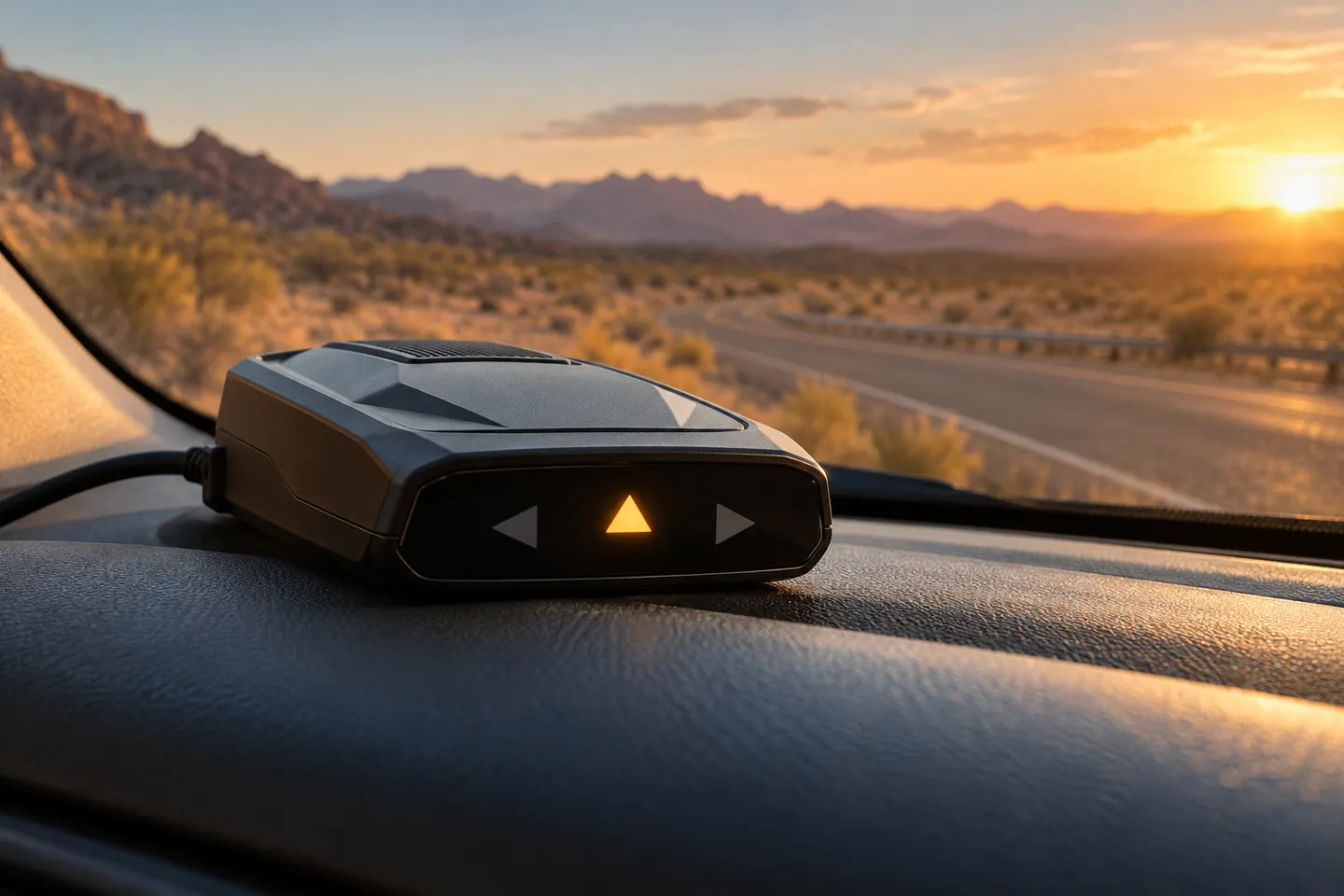
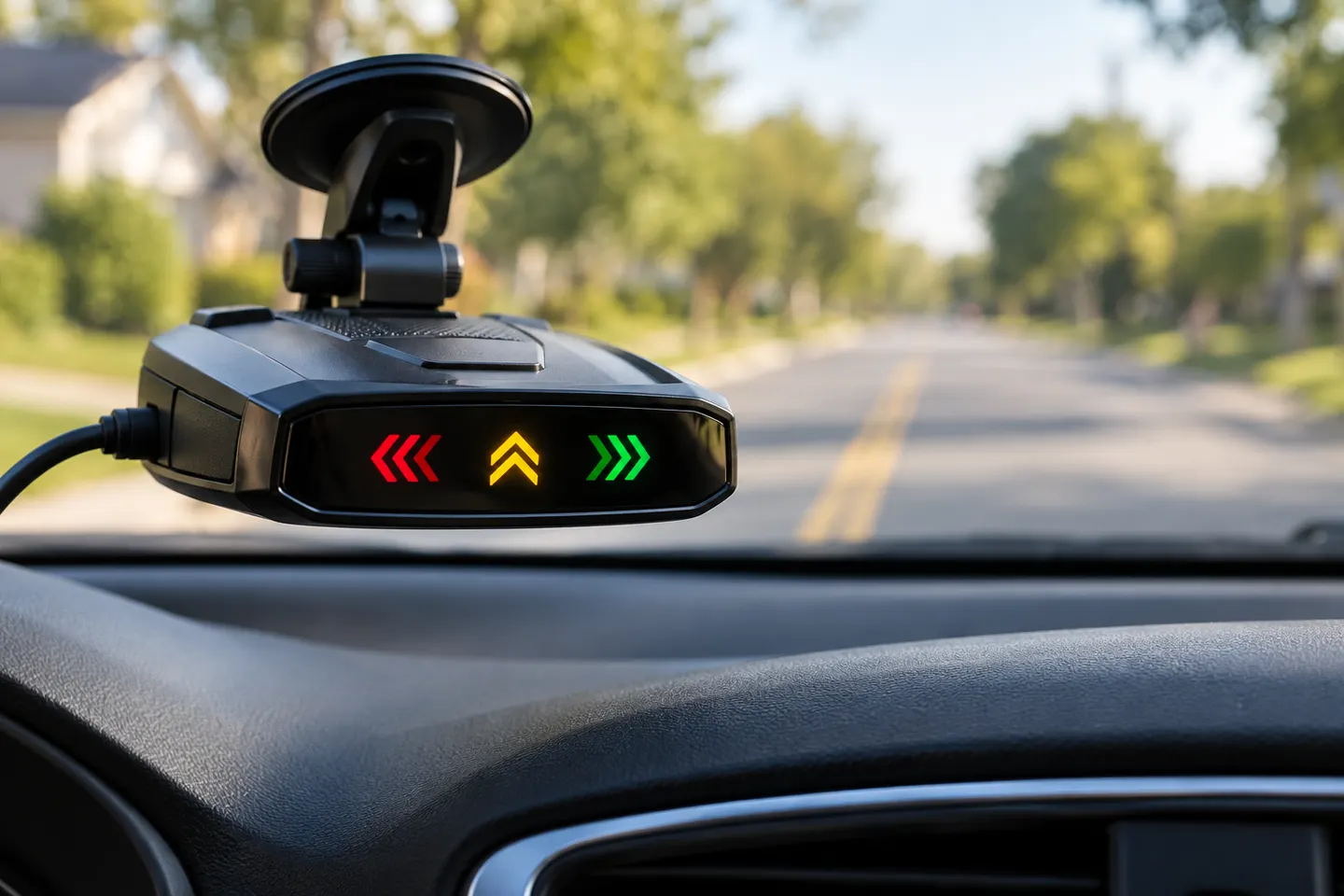
Directional arrows add context by showing the likely direction of a detected signal. They are not a precise source locator.

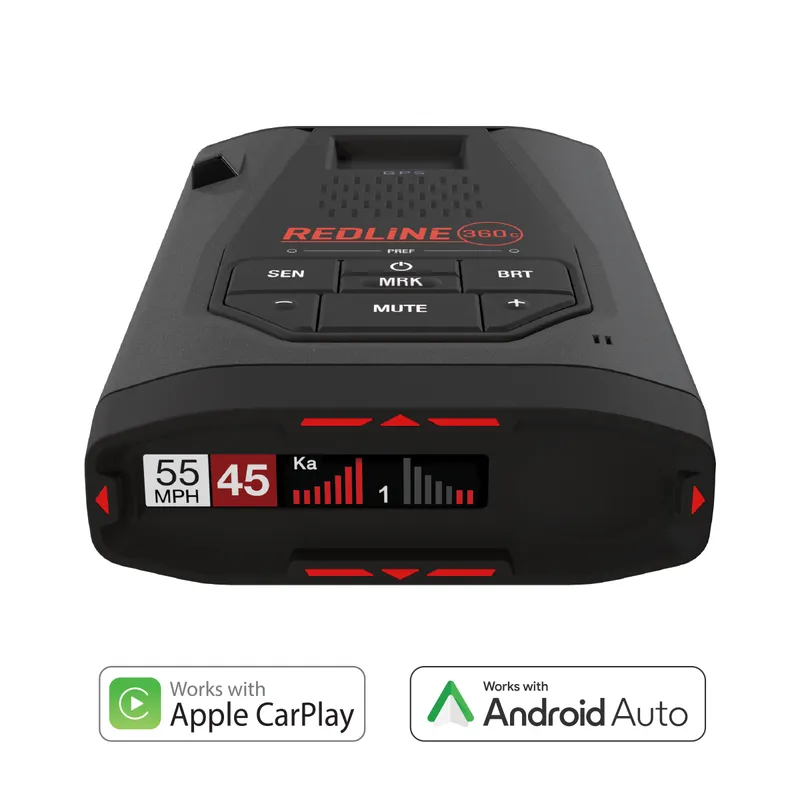
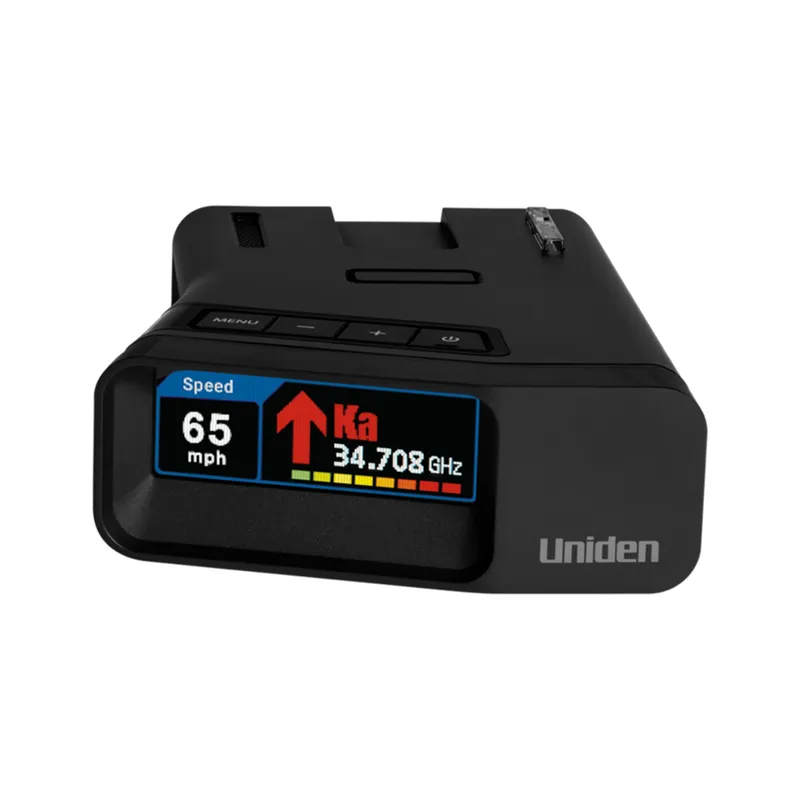
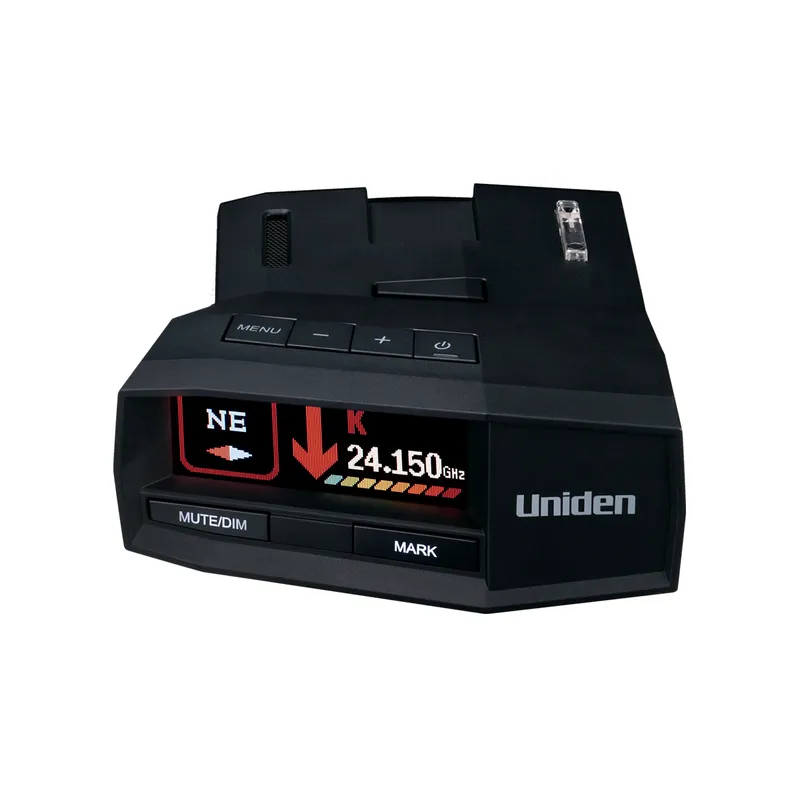
Radar detector directional arrows help show whether a detected signal is associated with the front, rear or side of the vehicle. They do not pinpoint an officer or prove a signal comes from enforcement equipment. Uniden lists dual antennas and visual arrows on the R8. Compare antenna arrangement, display readability and controls when exploring directional models from Uniden and Escort.

Radar Detector Directional Arrows: How They Work

More topics

1

Common questions

Questions before you buy

What do radar detector arrows show?

They indicate the direction from which the detector believes a signal is arriving. Exact behavior depends on model and antenna design.

Do all radar detectors have directional arrows?

No. Arrows are included on selected models, often with multiple antennas. Check the manufacturer specification.

Are radar detector arrows accurate?

They provide directional context, but do not identify a source with certainty or give a precise location.

Which Uniden detector has arrows?

Uniden product information describes dual antennas and visual arrows on its R8. Verify current specifications with the manufacturer.