









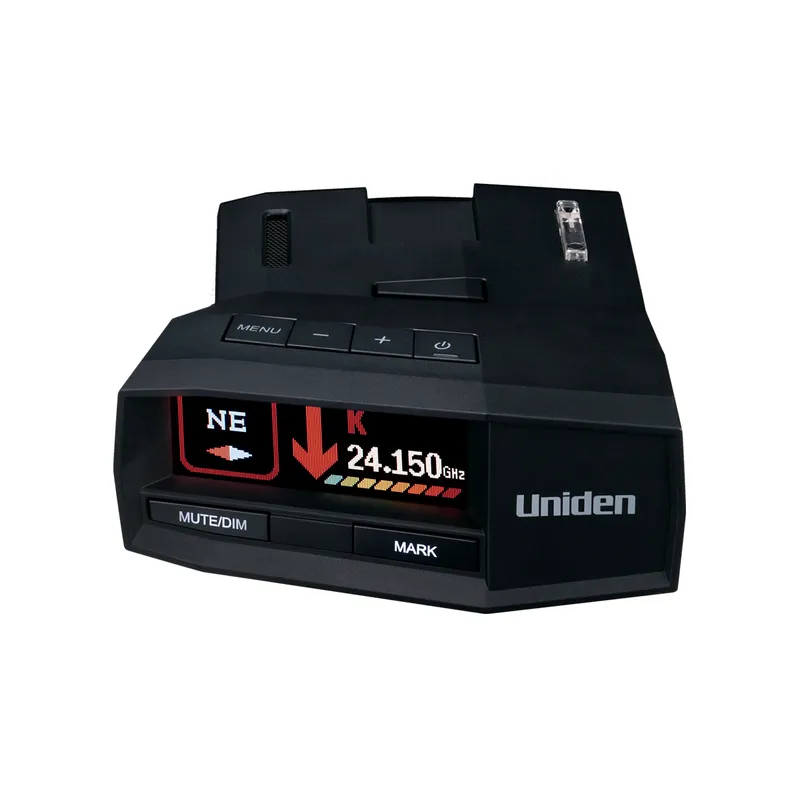
 Official manufacturer image
Our picks
Top picks
Official manufacturer image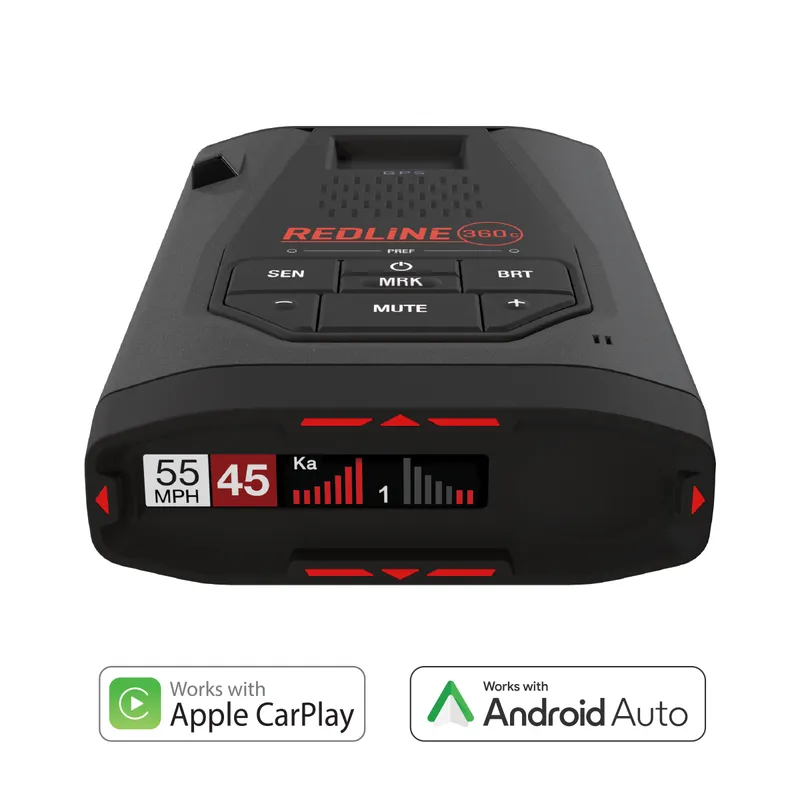 Official manufacturer image
Escort Redline 360c
Check price on Amazon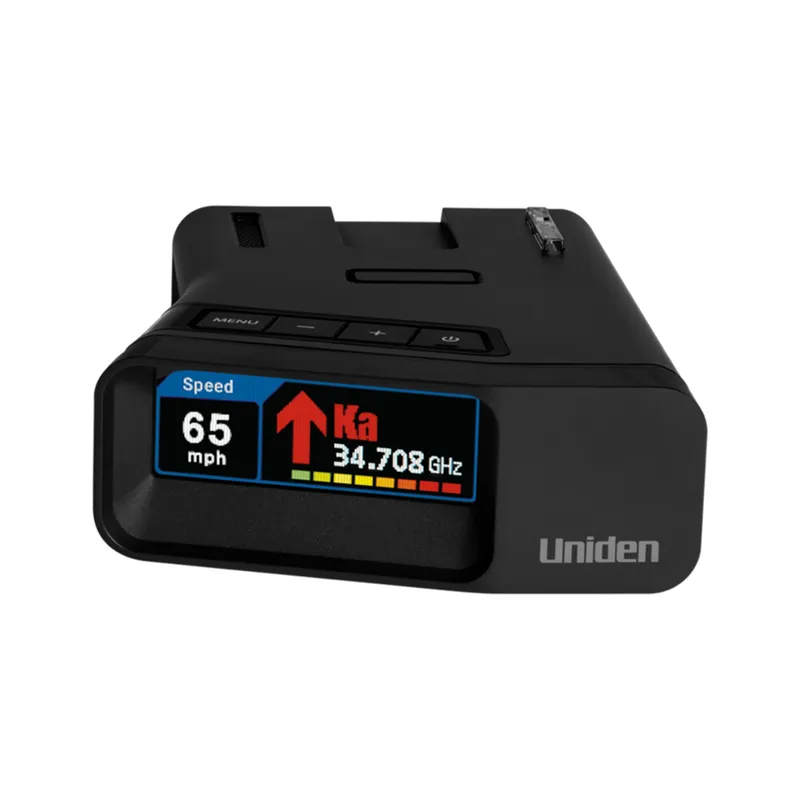 Official manufacturer image
Uniden R7
Check price on AmazonCommon questions
Questions before you buy
What is a ground penetrating radar detector used for?
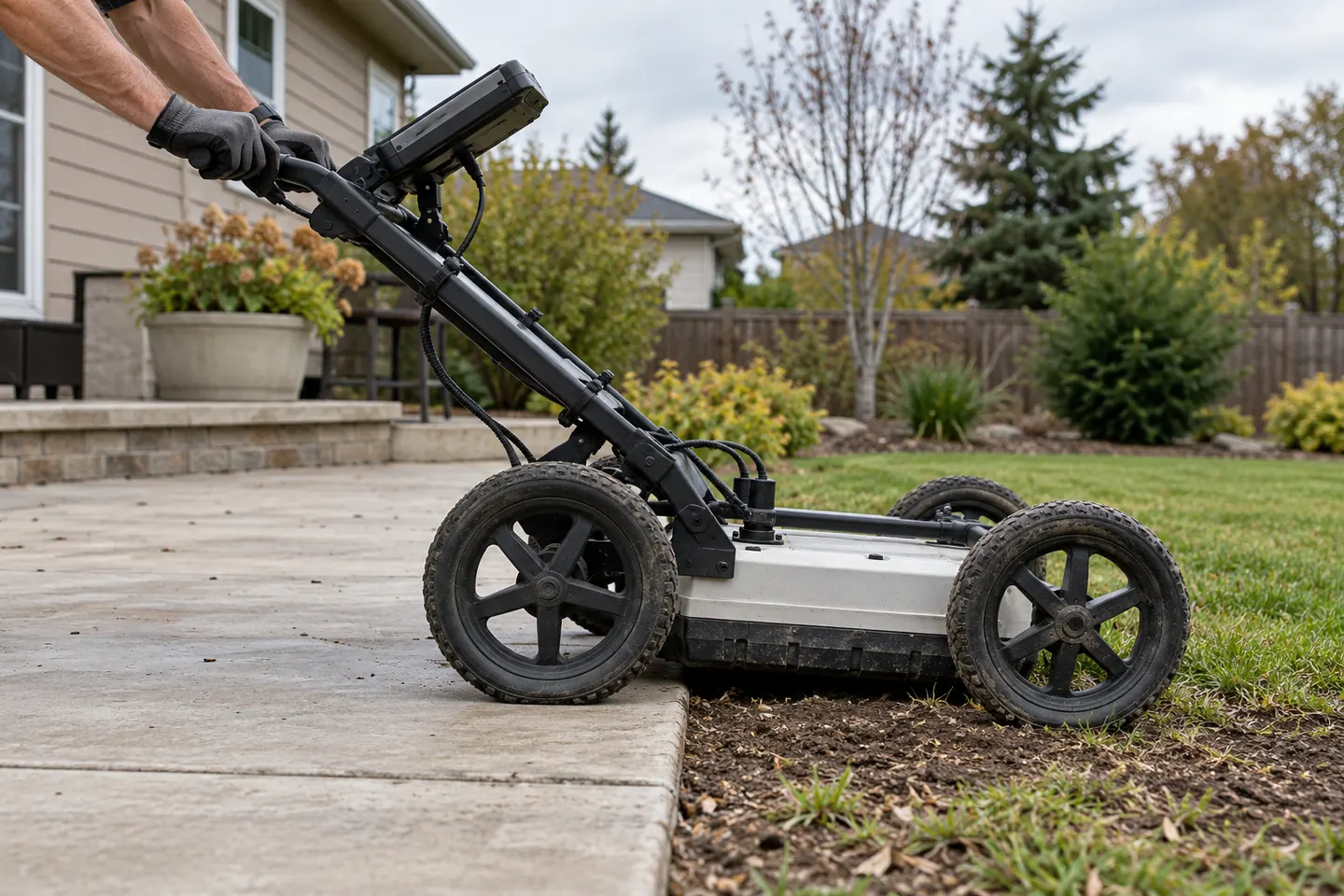
Ground penetrating radar equipment is used to investigate subsurface features by transmitting radar energy and recording reflected signals. Applications can include utility locating and near-surface mapping, depending on the system and site conditions.
Is ground penetrating radar the same as a car radar detector?
No. GPR is geophysical survey equipment for examining subsurface structure; an automotive radar detector receives signals used by police speed-measuring radar. The terms describe different tools.
Can GPR find buried utilities?
GPR can help locate and map buried features, but results depend on ground conditions, target characteristics, equipment and operator interpretation. It should be used within a proper survey plan and utility-safety process.
What should I compare when choosing GPR equipment?
Start with the survey target, expected material and depth, antenna configuration, data workflow, support and operator training. Ask the manufacturer or a qualified survey specialist to recommend a system for the site.