K band is a radar frequency band
NHTSA training material lists K-band radar at 24.15 GHz. A detector scans supported bands and alerts when it receives a signal within its configured detection range.

 Best picksGood Meat Thermometers for Every Kind of Cook
 Best picksBest Dash Cams for Cars in 2026
 Best picksBest WiFi Extenders: Which Range Extender Should You Buy?
 Best picksBest Radar Detectors for Cars: Models Compared
 Best picksGood Winter Gloves for Cold Weather: Five Useful Picks
 Best picksBest Headlamps: Six Lights Compared for Different Uses
 Best picksBest Portable Air Coolers for Patios, Workshops and Small Spaces (2026)
 Best picksTop 10 Best Battery-Powered Weed Eaters for Different Yards
 Best picksBest Air Purifier for Bedroom in the US: Quiet Models Compared
Gearjury may earn a commission when you buy through retailer links. This does not affect our editorial explanations.
Guide
K on a radar detector refers to a microwave radar band used by speed-measuring equipment. An alert only indicates that the detector has received energy in that band; it does not identify the source with certainty.
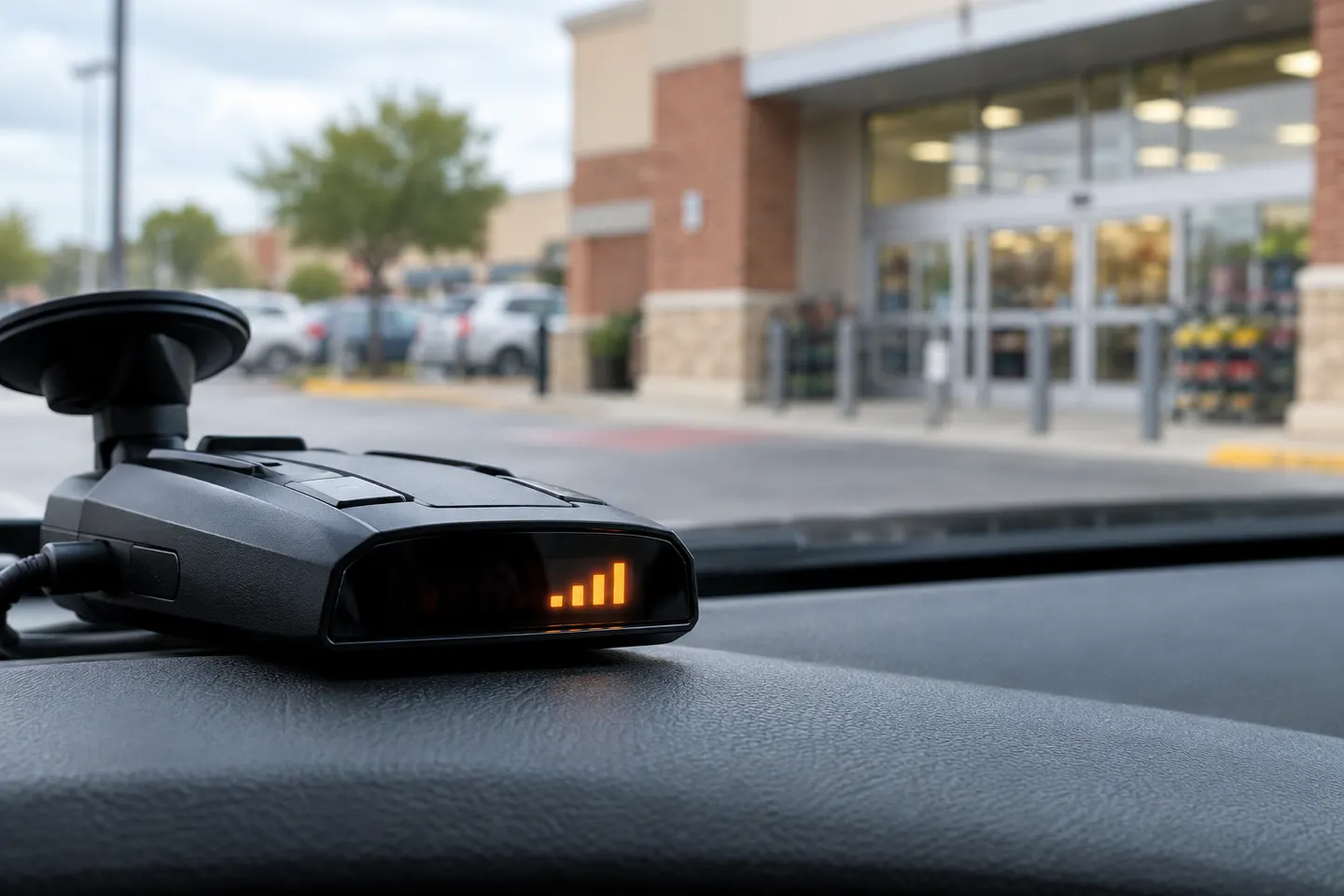
NHTSA training material lists K-band radar at 24.15 GHz. A detector scans supported bands and alerts when it receives a signal within its configured detection range.
Automatic doors, vehicle safety systems and other electronics can create signals that some detectors report as K-band alerts. Treat an alert as information to assess safely, not confirmation of a source.
Sensitivity modes and filtering can affect which signals trigger a warning. Read the manual for your model before changing settings, since filtering may also affect alerts you want to receive.
K and Ka are separate frequency bands. NHTSA gives K-band as 24.15 GHz and Ka-band as a range from 33.4 to 36 GHz; a detector labels them separately when it supports both.
Keep your attention on the road and obey posted limits. Do not handle the detector while driving; review settings and alert history only when safely parked.
Common questions
NHTSA training material identifies K-band speed-measuring radar at 24.15 GHz. A detector may display a band alert without identifying the exact transmitter.
No. Other devices can emit signals in or near bands that detectors monitor, so alerts can have non-enforcement sources.
They are different radar frequency bands. NHTSA lists K at 24.15 GHz and Ka across 33.4 to 36 GHz.
That depends on your location and detector capabilities. Check the manual and local enforcement context; disabling a band can also suppress alerts in that band.
Keep exploring
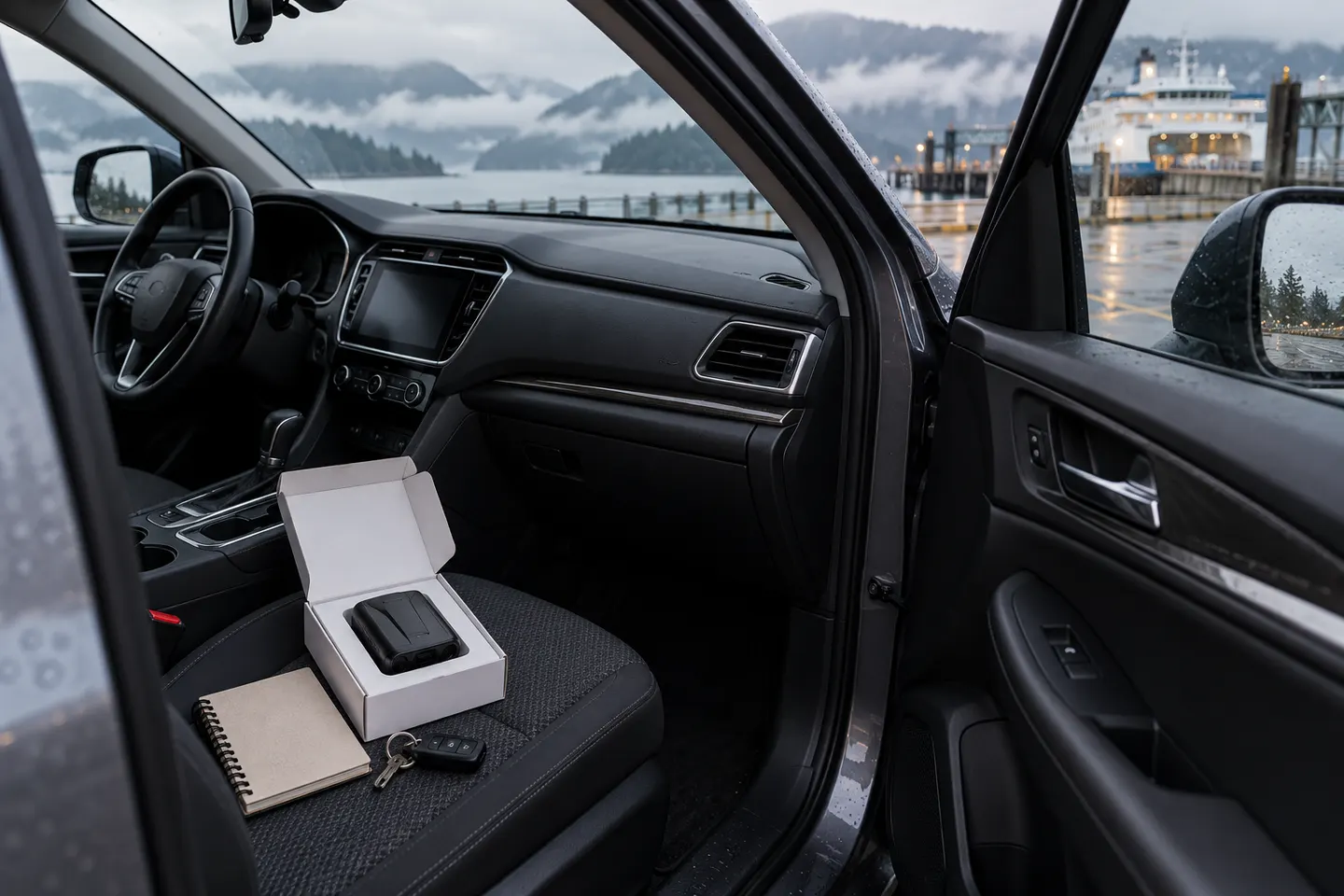
Escort’s Redline 360c lists a three-antenna design, while the MAX 360c MKII uses a dual-antenna platform. Compare the published features and check the exact generation before buying.
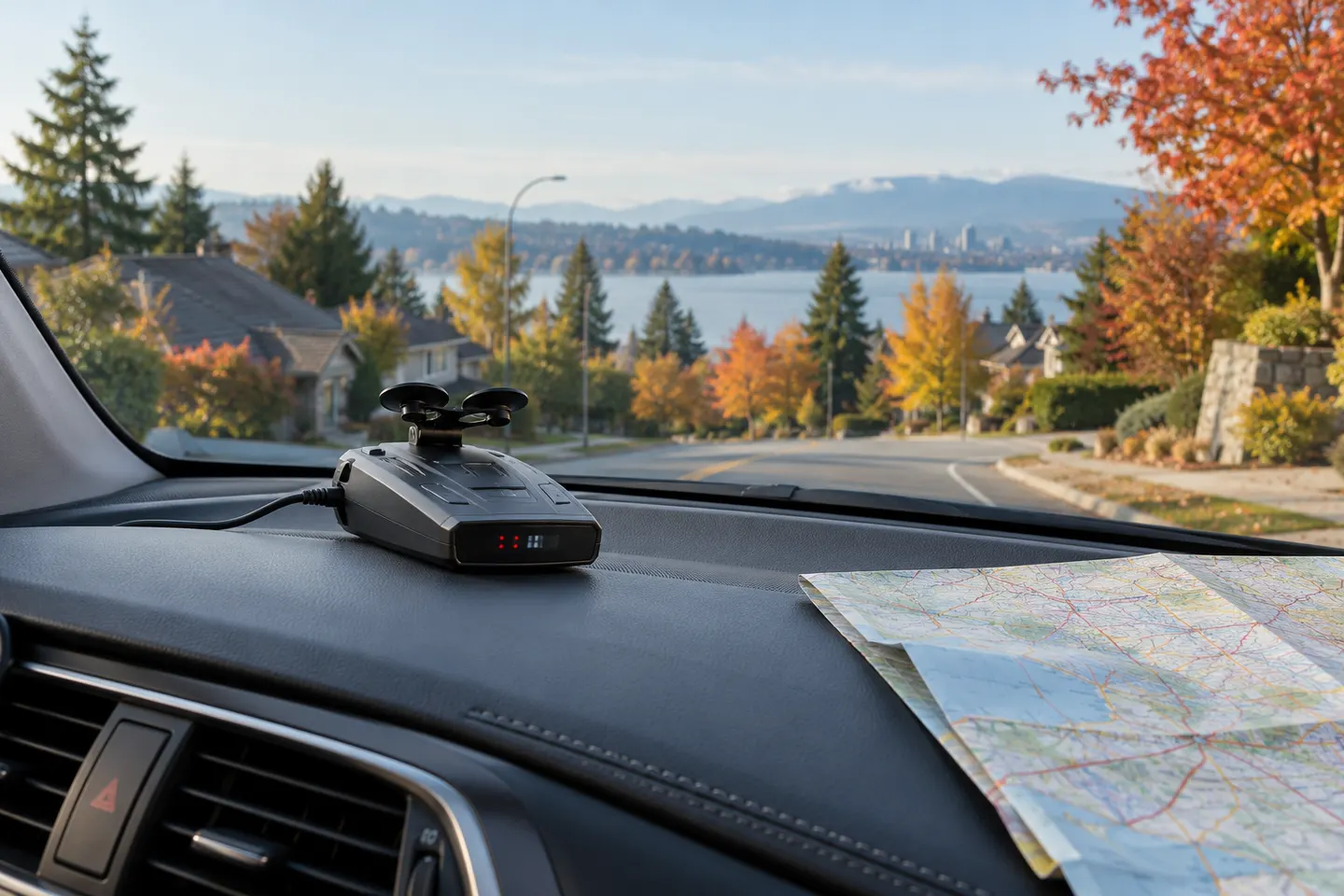
The Uniden R8 pairs dual low-noise amplifiers with front and rear directional awareness. Compare it with the R7 and R4 by the features documented for each model.
For a feature-rich directional unit, compare the Uniden R8 and Escort Redline 360c first. The R7, Cobra RAD 700i and Valentine One V1 Gen2 offer different alert and setup approaches.
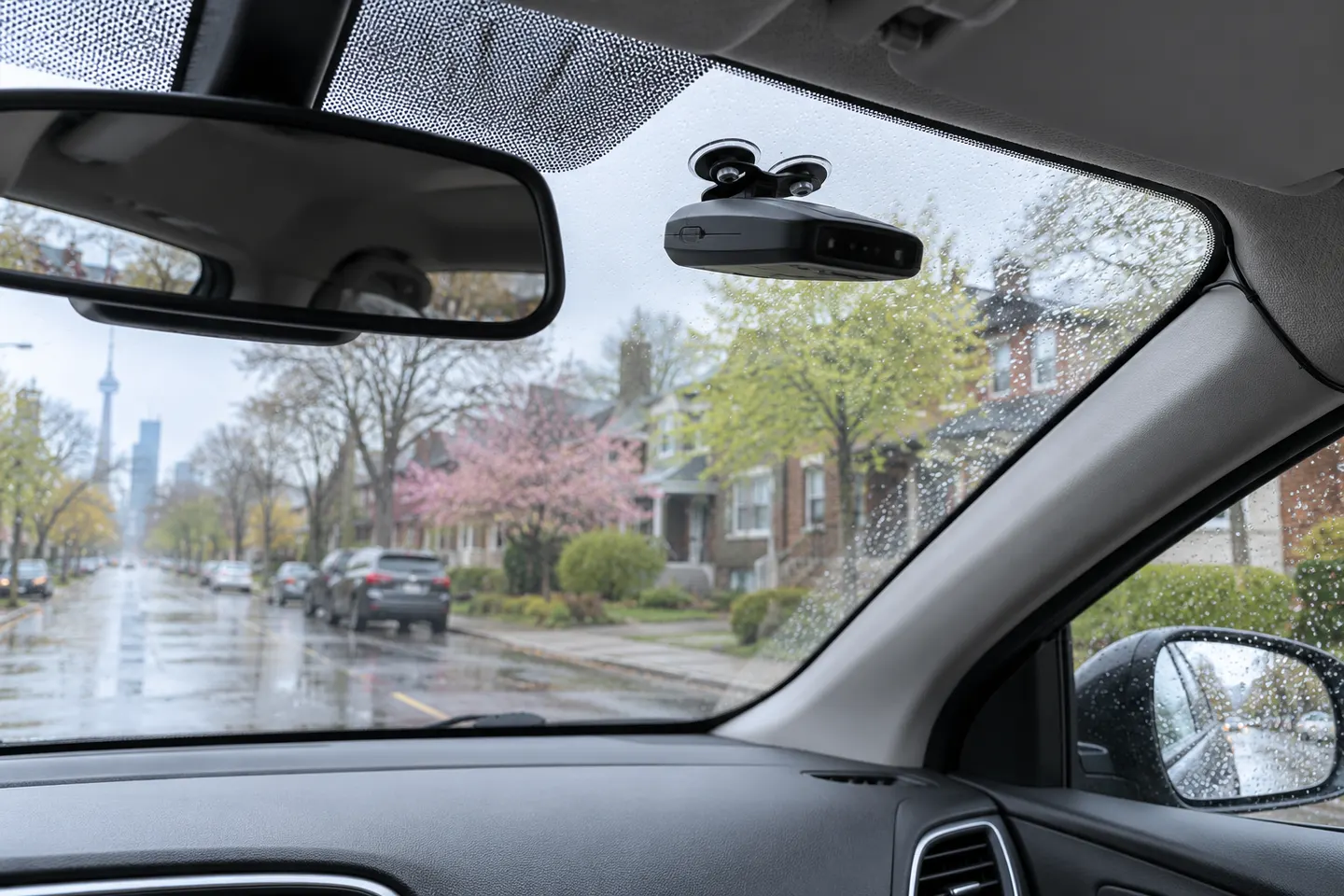
A radar detector can alert you to certain active radar signals, but capabilities and local rules vary. Start with the detector type, mounting and features you will actually use.