
Independent buying guidance · US editionHow we work
Gearjury
All categories
All categories
Best picksGood Meat Thermometers for Every Kind of Cook
Best picksBest Dash Cams for Cars in 2026
Best picksBest WiFi Extenders: Which Range Extender Should You Buy?
Best picksBest Radar Detectors for Cars: Models Compared
Best picksGood Winter Gloves for Cold Weather: Five Useful Picks
Best picksBest Headlamps: Six Lights Compared for Different Uses
Best picksBest Portable Air Coolers for Patios, Workshops and Small Spaces (2026)
Best picksTop 10 Best Battery-Powered Weed Eaters for Different Yards
Best picksBest Air Purifier for Bedroom in the US: Quiet Models Compared
United StatesEnglish

Gearjury may earn a commission when you buy through links on this page.

Best picks

Best Plug In WiFi Range Extenders for Extending Home Coverage

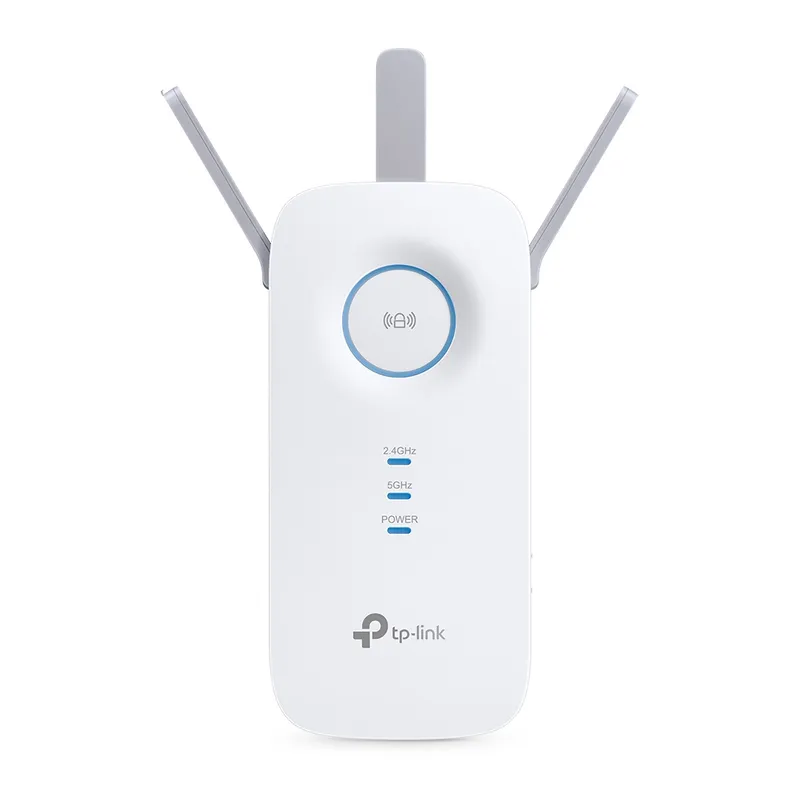
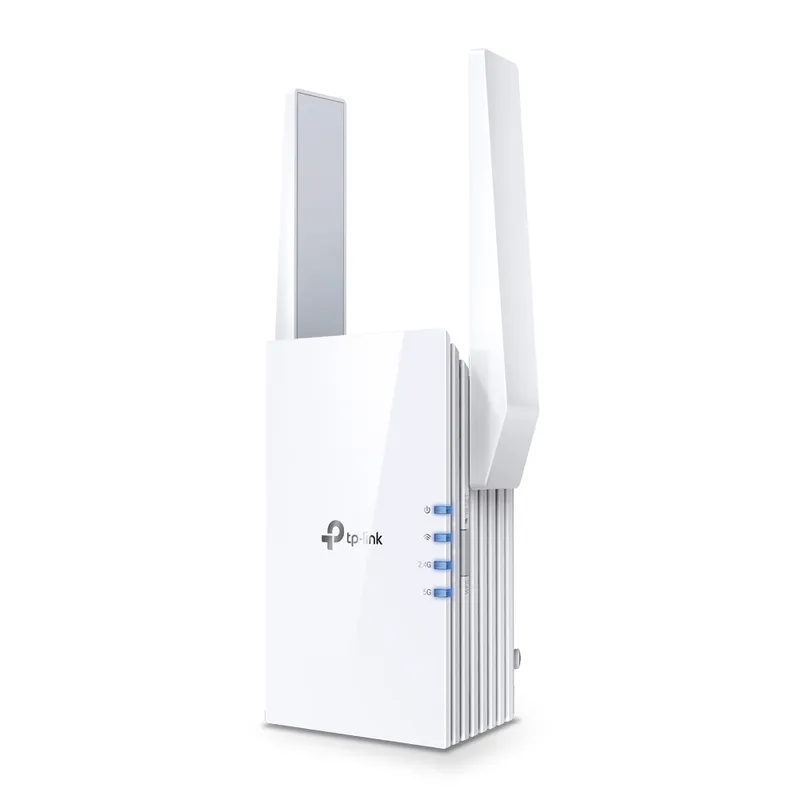
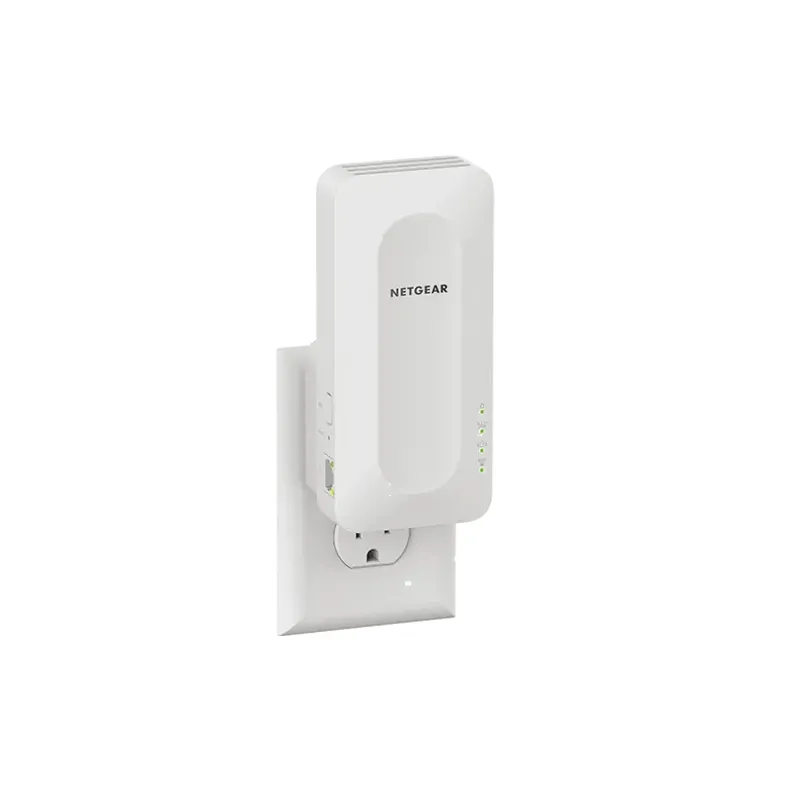
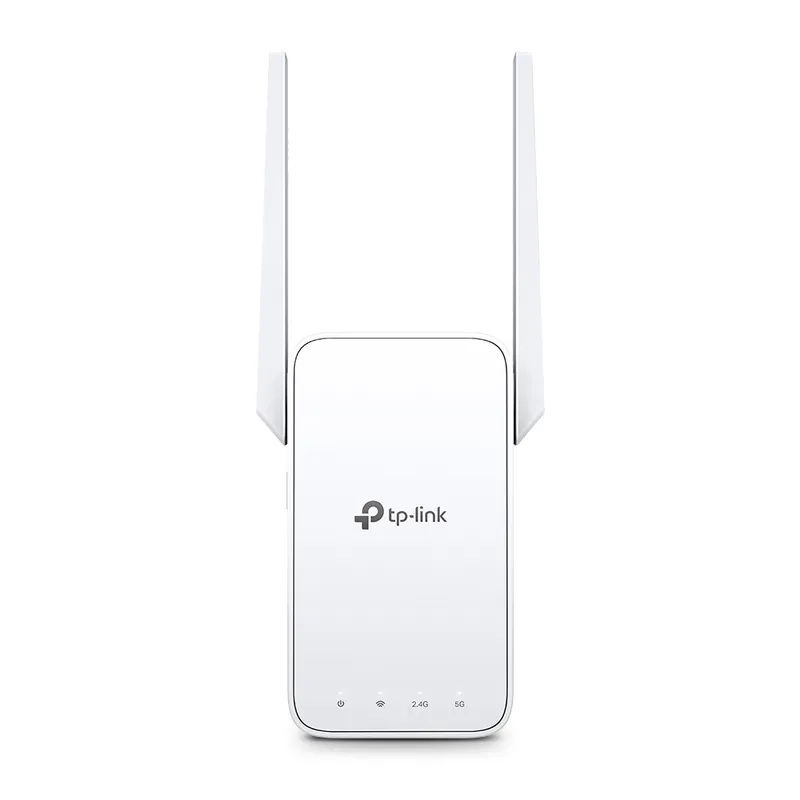
The NETGEAR EAX15 is our lead pick for a plug-in WiFi 6 extender with a gigabit Ethernet port. The TP-Link RE315 is a simpler dual-band option, while the TP-Link RE550 suits buyers who want a higher AC-class specification.

Quick answer

Our lead plug-in pick is the NETGEAR EAX15, whose WiFi 6 design includes a gigabit Ethernet port. Consider the TP-Link RE315 for an AC1200 extender with access point mode, or the TP-Link RE550 for AC1900 dual-band capability. The NETGEAR EX3110 and TP-Link RE220 are more basic AC750 choices.

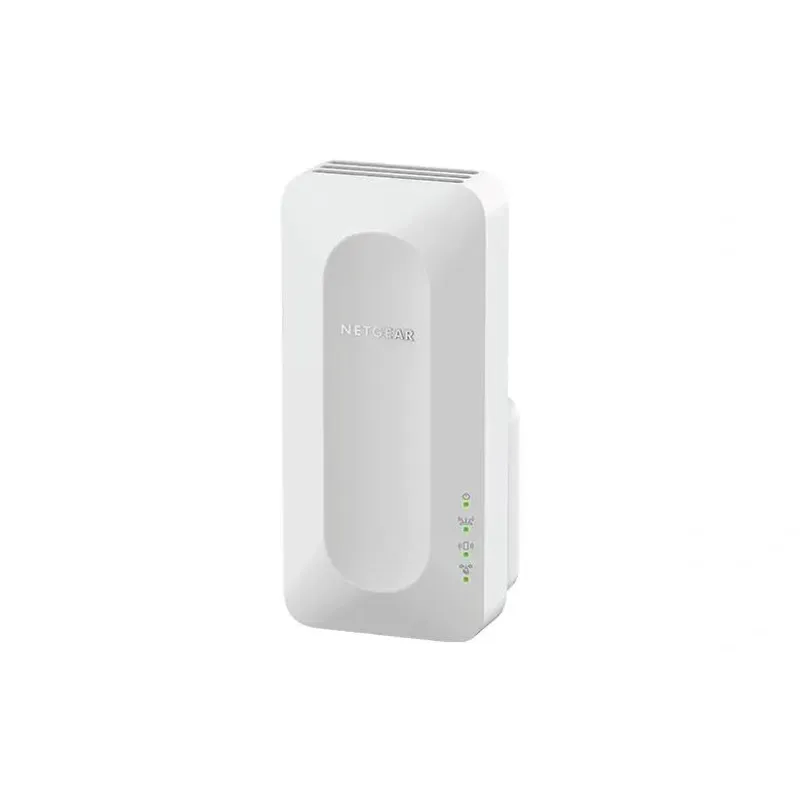
01NETGEAR EAX15Official manufacturer image

Best for a plug-in WiFi 6 upgrade

NETGEAR EAX15

  • NETGEAR lists WiFi 6 and AX1800 performance, with a stated combined link rate up to 1.8 Gbps.
  • Its compact wall-plug design includes a 10/100/1000 Mbps Ethernet port for a wired device.

Drawback: The internal antennas cannot be repositioned, and the headline wireless rate is not a guarantee of real-world throughput.

Check price on AmazonSponsored link · no live price shown
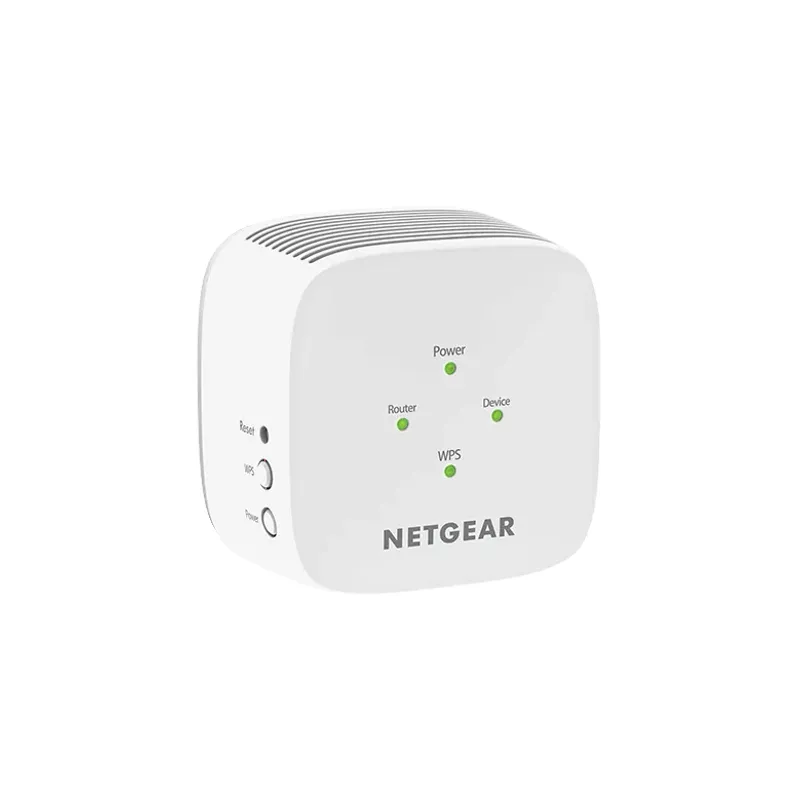
04NETGEAR EX3110Official manufacturer image

Best for a basic AC750 wall-plug extender

NETGEAR EX3110

  • NETGEAR identifies it as a dual-band AC750 WiFi 5 range extender.
  • The manufacturer describes a wall-plug form and an Ethernet port for a wired device.

Drawback: Its listed AC750 class is more modest than the AC1200 and WiFi 6 options above.

Check price on AmazonSponsored link · no live price shown

Compare them side by side

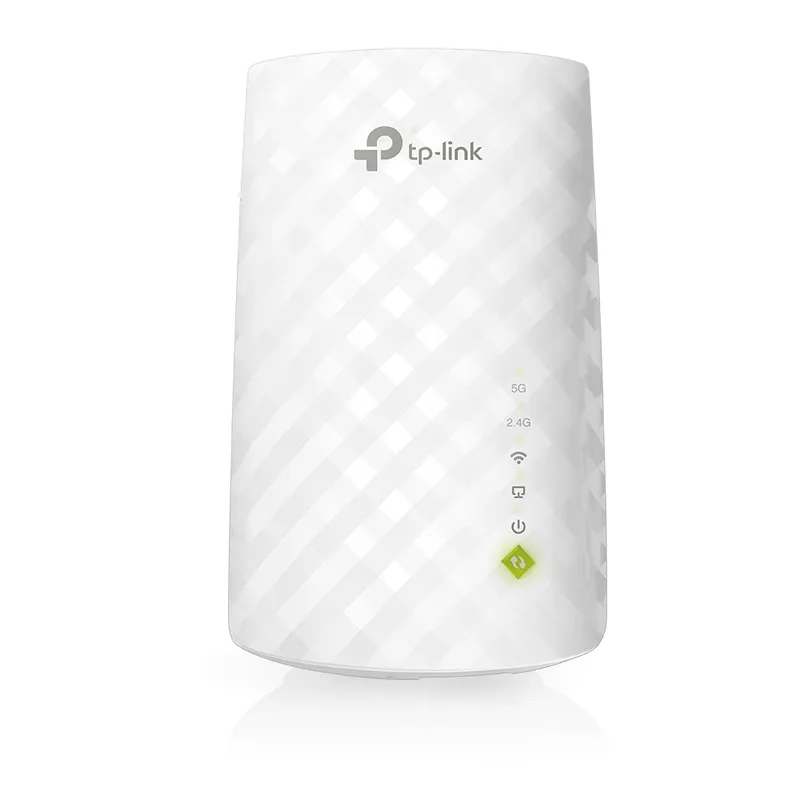
NETGEAR EAX15Official manufacturer imageNETGEAR EAX15TP-Link RE315Official manufacturer imageTP-Link RE315TP-Link RE550Official manufacturer imageTP-Link RE550NETGEAR EX3110Official manufacturer imageNETGEAR EX3110TP-Link RE220Official manufacturer imageTP-Link RE220
WiFi classWiFi 6 AX1800AC1200AC1900AC750AC750
BandsDual bandDual bandDual bandDual bandDual band
Ethernet portGigabit1 portGigabit1 portFast Ethernet
Antenna design2 internal2 external3 external——
Access point mode—YesYesYes—
Check price on AmazonCheck price on AmazonCheck price on AmazonCheck price on AmazonCheck price on Amazon

Common questions

Questions before you buy

What should I check before buying a plug-in WiFi range extender?

Check whether the extender supports the WiFi generation and bands you need, whether it has an Ethernet port, and how much space its plug-in body and antennas need around the outlet. Match the model to your router and intended devices rather than relying on the advertised maximum link rate alone.

Does a plug-in WiFi extender work with any router?

Compatibility depends on the extender and router standards and security settings. NETGEAR describes the EX3110 as working with standard WiFi routers, while TP-Link lists broad wireless standards for its models; check the exact model documentation for your network.

Where should I place a plug-in WiFi range extender?

Place it where it can still receive a steady signal from the router and has a clear path toward the weak-coverage area. A spot midway between the router and the dead zone is a useful starting point; avoid placing it inside the dead zone itself.

Can I connect a TV or game console to a plug-in extender?

Models with Ethernet can connect a wired device to the extended network. Check the port speed: the EAX15 and RE550 list gigabit Ethernet, while the RE220 specifies Fast Ethernet.

Is a plug-in extender the same as a mesh WiFi system?

No. An extender repeats or extends a router's signal from one additional unit, while mesh systems use coordinated nodes designed to provide coverage across a larger area. If you need consistent whole-home coverage or seamless roaming, compare a mesh system with a single extender.

Sources and how we chose