Independent buying guidance · US editionHow we work
Gearjury
All categories
All categories
Best picksGood Meat Thermometers for Every Kind of Cook
Best picksBest Dash Cams for Cars in 2026
Best picksBest WiFi Extenders: Which Range Extender Should You Buy?
Best picksBest Radar Detectors for Cars: Models Compared
Best picksGood Winter Gloves for Cold Weather: Five Useful Picks
Best picksBest Headlamps: Six Lights Compared for Different Uses
Best picksBest Portable Air Coolers for Patios, Workshops and Small Spaces (2026)
Best picksTop 10 Best Battery-Powered Weed Eaters for Different Yards
Best picksBest Air Purifier for Bedroom in the US: Quiet Models Compared
United StatesEnglish

Category hub

How to Choose a Stronger WiFi Booster

A stronger booster is not always a higher-rated device. First identify whether distance, interference, router limits or the internet connection causes the weak signal.

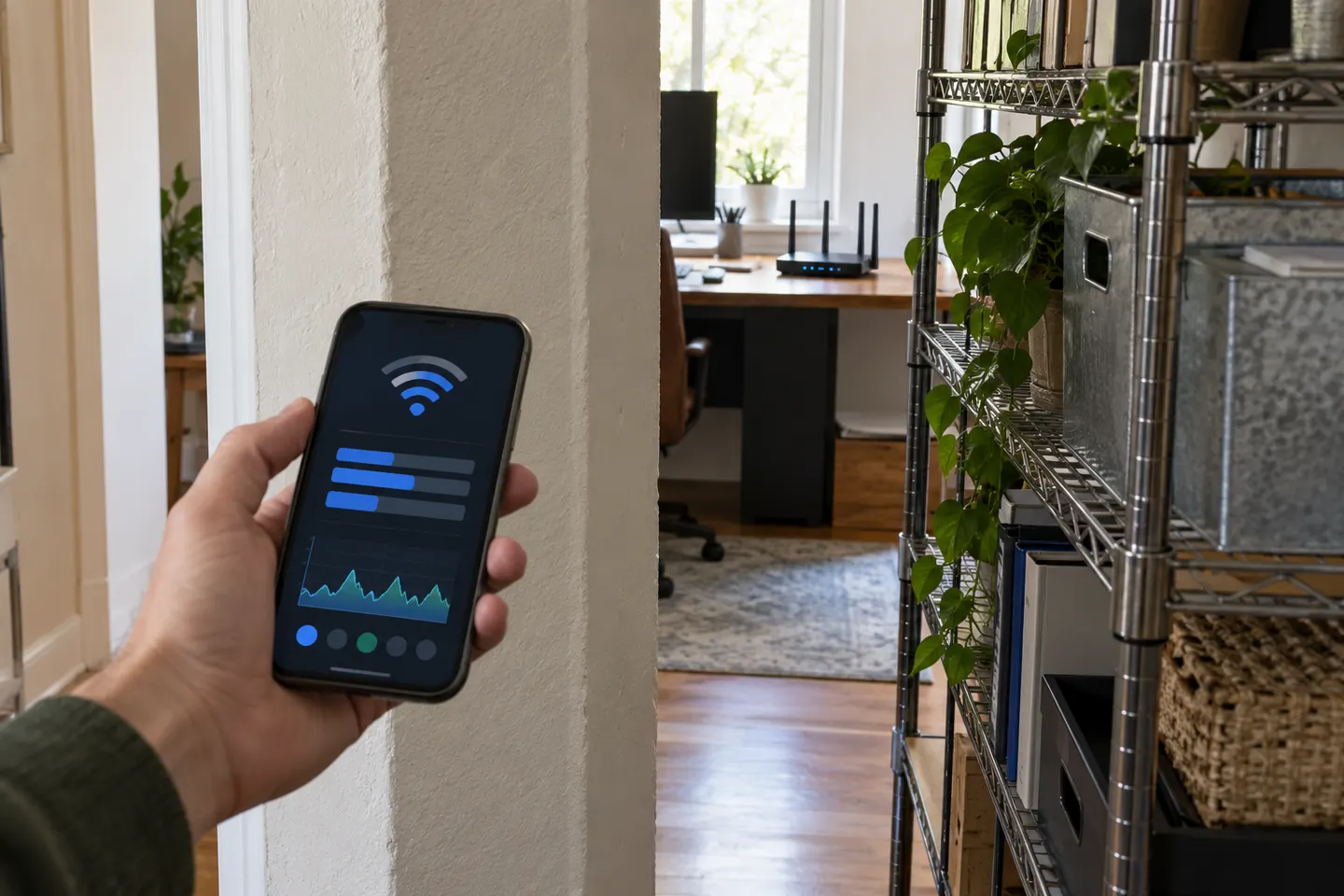
If you need a stronger wifi booster, begin by checking whether the weak signal affects one device or an entire area. A single-device issue may point to its wireless adapter; a dead zone across devices suggests router placement or coverage. An extender can relay a usable signal, but it cannot amplify a connection it cannot receive.

How to Choose a Stronger WiFi Booster

Common questions

Questions before you buy

What makes a WiFi booster stronger?

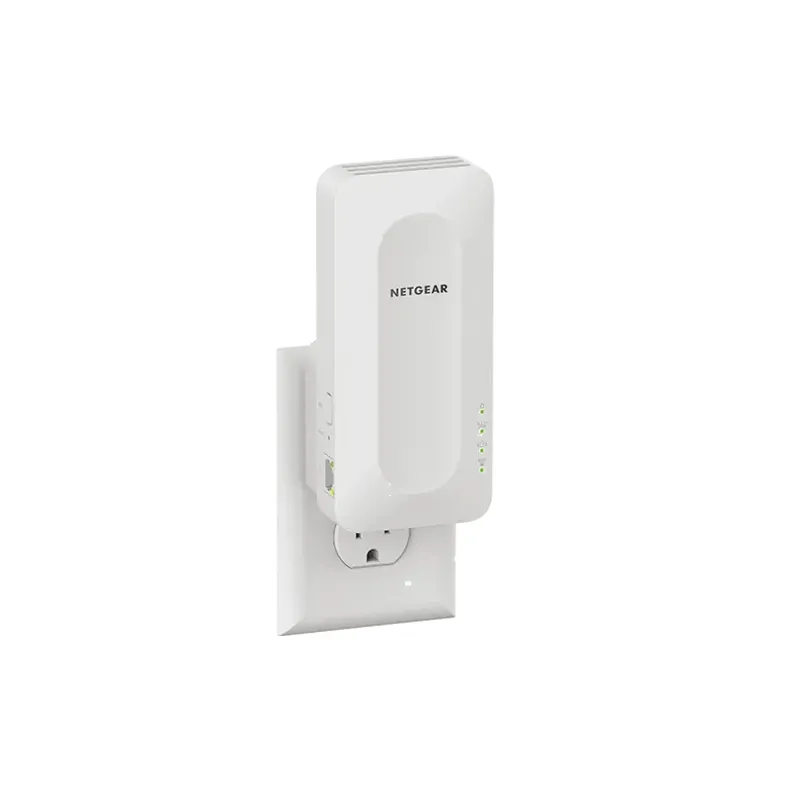
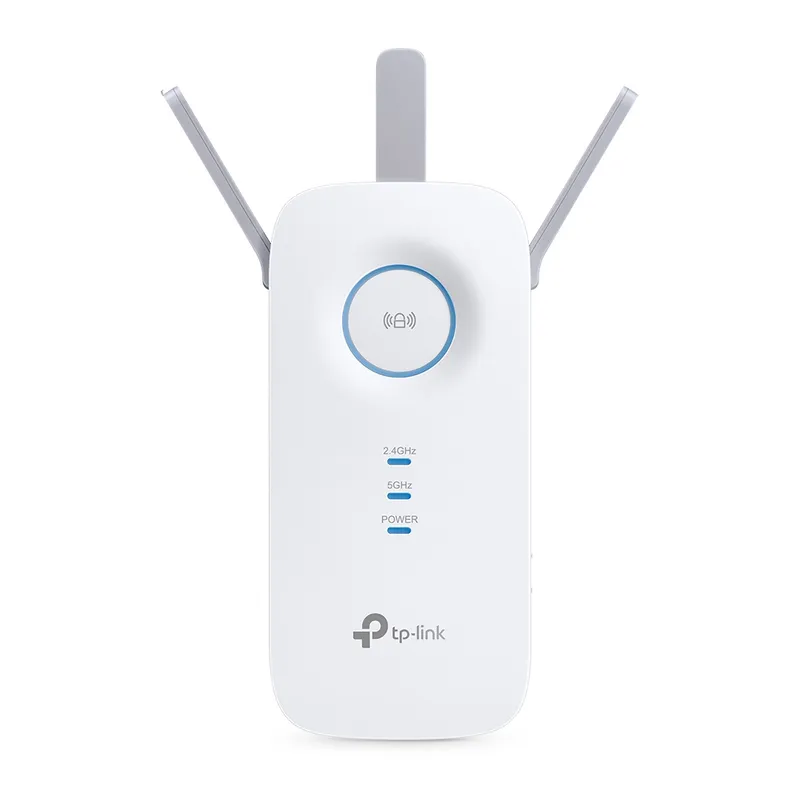
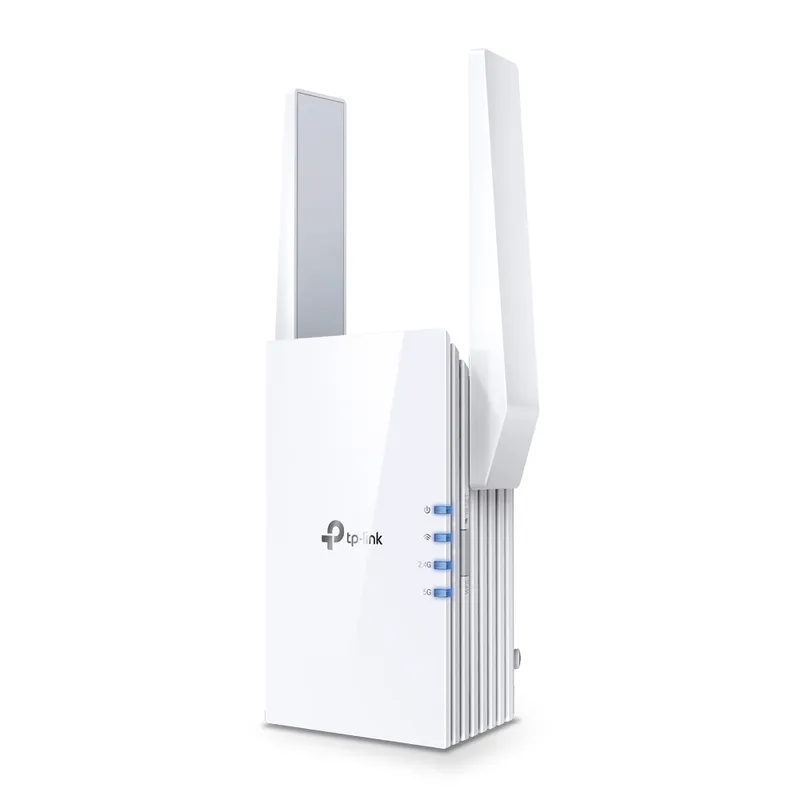
A product’s coverage claims alone do not guarantee better signal in your home. Antenna design, supported bands, placement, obstacles and the router connection all matter.

Can an extender fix WiFi that is slow everywhere?

Usually an extender addresses coverage, not a slow internet plan or router-wide limitation. Test near the router and compare wired performance before buying.

Should I replace my router or add a booster?

If the signal is poor close to the router or the router lacks needed features, replacement may be appropriate. If only a distant area is weak, an extender or access point may help.

Where does a WiFi booster work best?

Place it where the router signal remains usable and closer to the area needing coverage. Avoid putting it inside the dead zone itself.