Gearjury may earn a commission from qualifying retailer links. Recommendations are based on cited product information.
Best picks
Best Winter Gloves for Driving: Warmth Without Losing Control
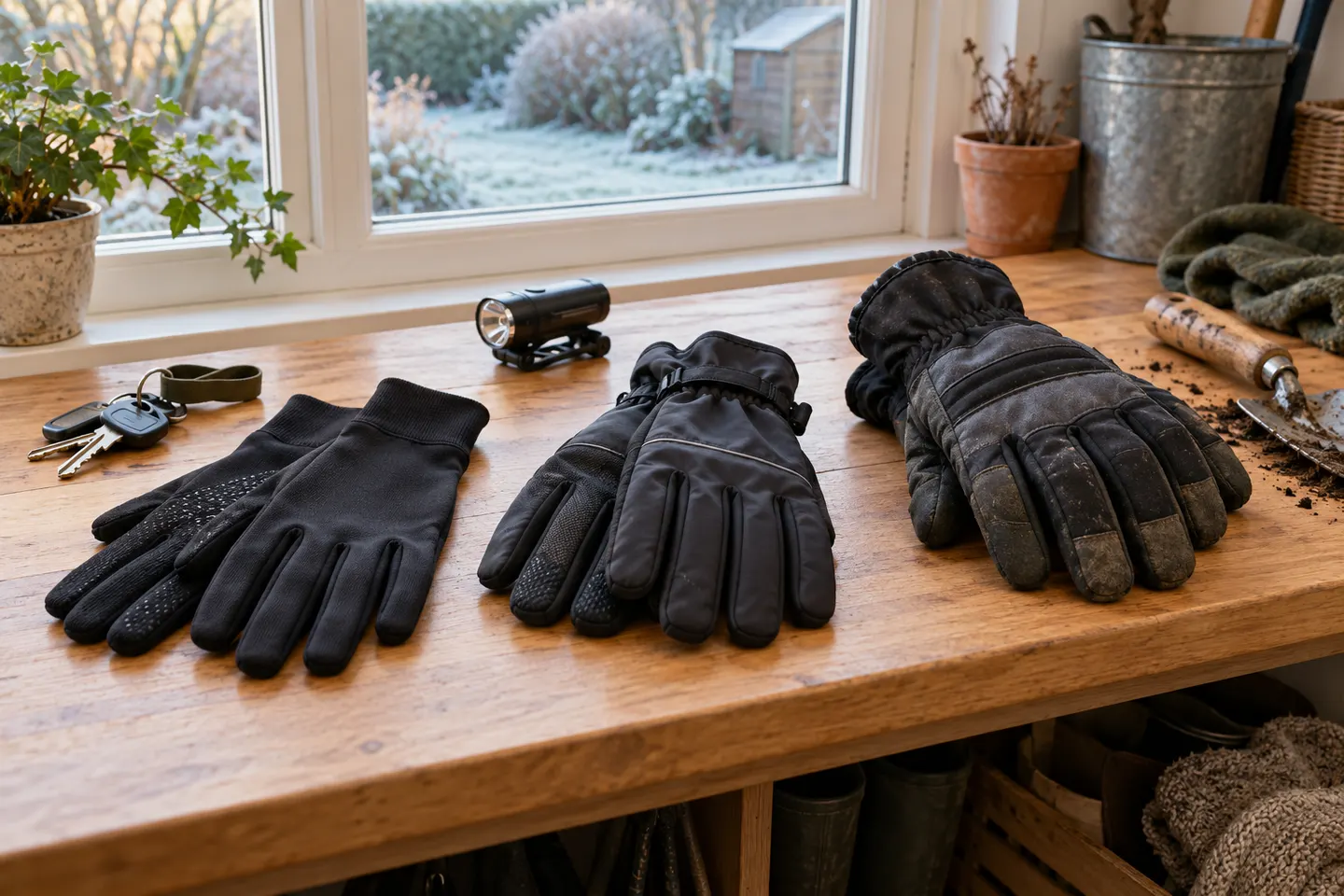
For driving, favor a close fit and grippy palm over bulky insulation. REI Co-op Activator offers low-bulk warmth; Mechanix ColdWork Original adds water-resistant coverage for outdoor tasks before or after the drive.
GGearjury editorial team · Updated October 22, 2026· 7 min
Quick answer
For steering feel, start with REI Co-op Activator Insulated Gloves: their maker describes a stretchy softshell, compressible PrimaLoft and flexible synthetic-leather palms. Mechanix ColdWork Original is a useful cold-weather errand option with touchscreen material and a water-resistant back. For the coldest parked-car waits, compare a thicker insulated glove, but remove it before driving if it interferes with steering or controls.
A glove that reduces your grip or ability to feel the steering wheel and controls can compromise control. Choose a close-fitting pair and remove it if handling feels less precise; clear the windshield and cabin before setting off.
What makes a winter glove good for driving?
Look for a secure fit, flexible palm, reliable grip and enough warmth for the trip. Touchscreen fingertips can help at stops, but should not distract you while driving.
Are touchscreen winter gloves useful in a car?
They can make it easier to use a phone while parked, but do not handle a phone while driving. Touchscreen ability does not indicate warmth or grip quality.
Should driving gloves be waterproof?
Waterproofing is useful if you will clear snow or walk outdoors, but it is not essential for a short dry commute. A thinner glove may give better steering feel than a heavily insulated snow glove.
Start with the conditions you face: everyday cold, wet weather, hands-on work, or snow sports. The right insulation and shell matter more than a generic warmth label.
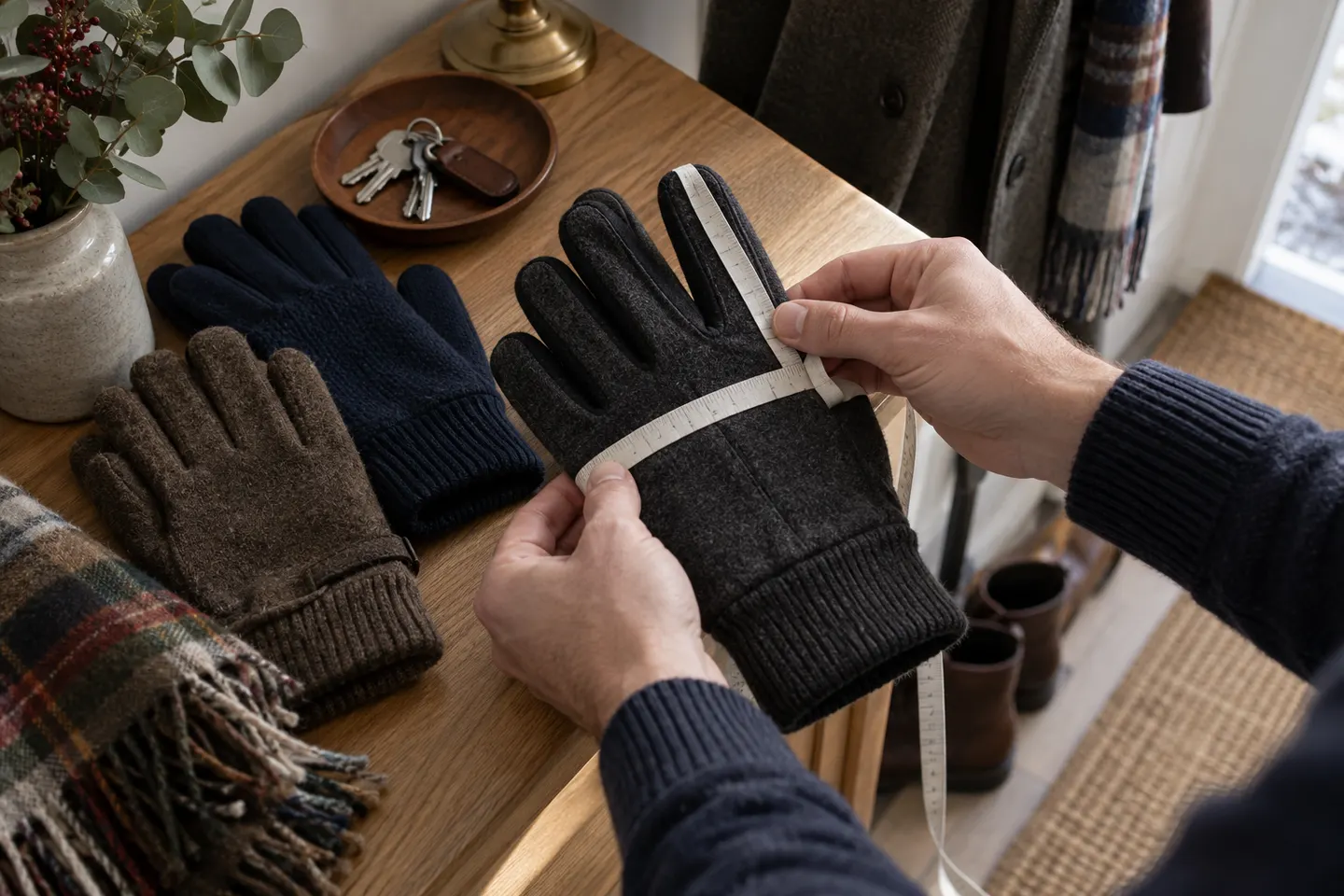
Begin with fit and intended use, then choose insulation and weather protection for your routine. A close but comfortable fit helps preserve warmth without restricting movement.
Match insulation and shell construction to the job: daily wear needs flexibility, while wet snow and outdoor work call for more coverage and durable materials.
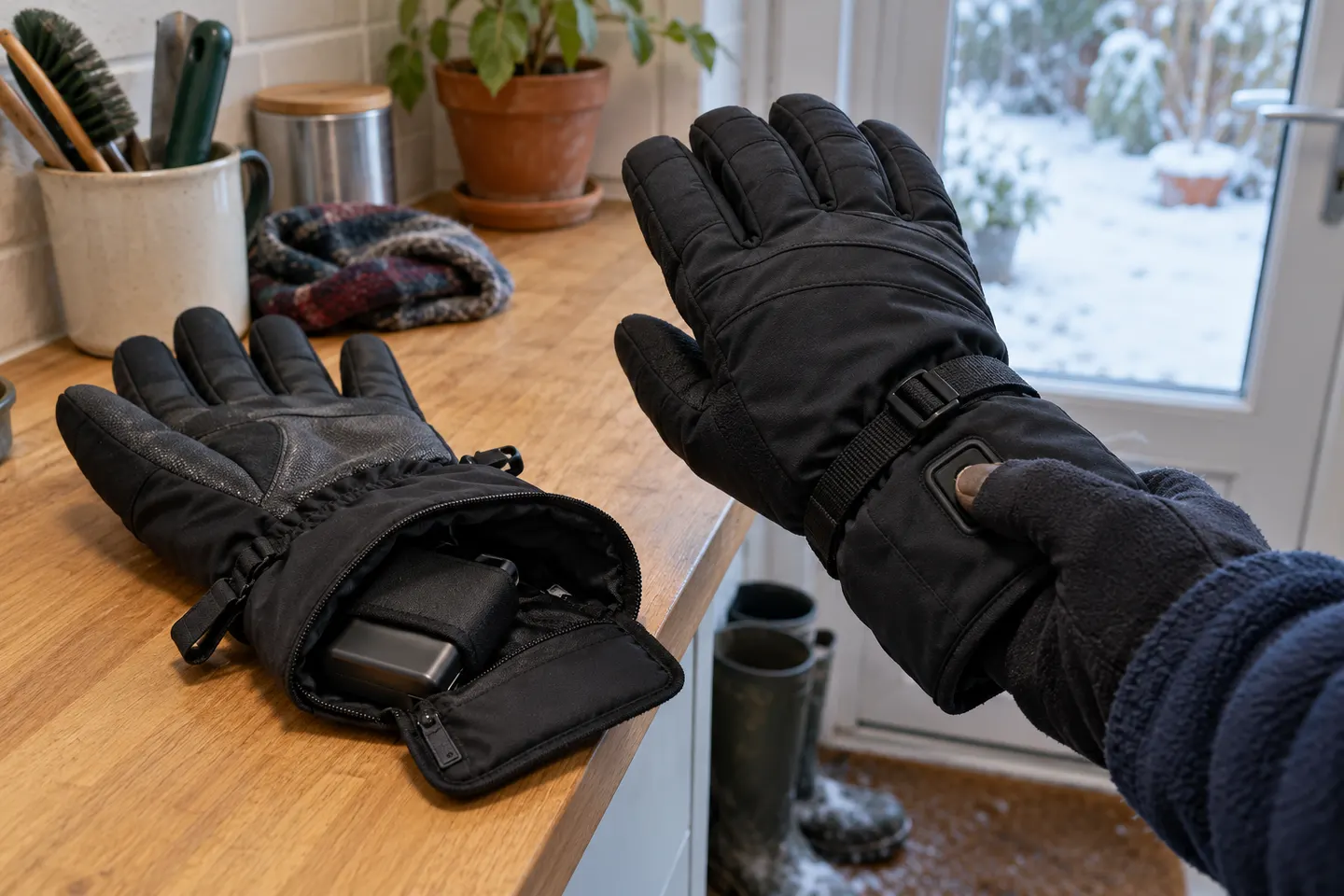
Powered warmth adds charging and care considerations to the usual questions of fit, insulation, and weather protection. Compare those trade-offs before choosing a style.
Your privacy
We use cookies and similar technologies. Necessary ones keep the site working. With your permission we also use statistics cookies (Google Analytics and Microsoft Clarity) to understand which guides help readers. You can accept all, reject all or choose. You can change your choice at any time from "Cookie settings" at the bottom of every page. Cookie policy










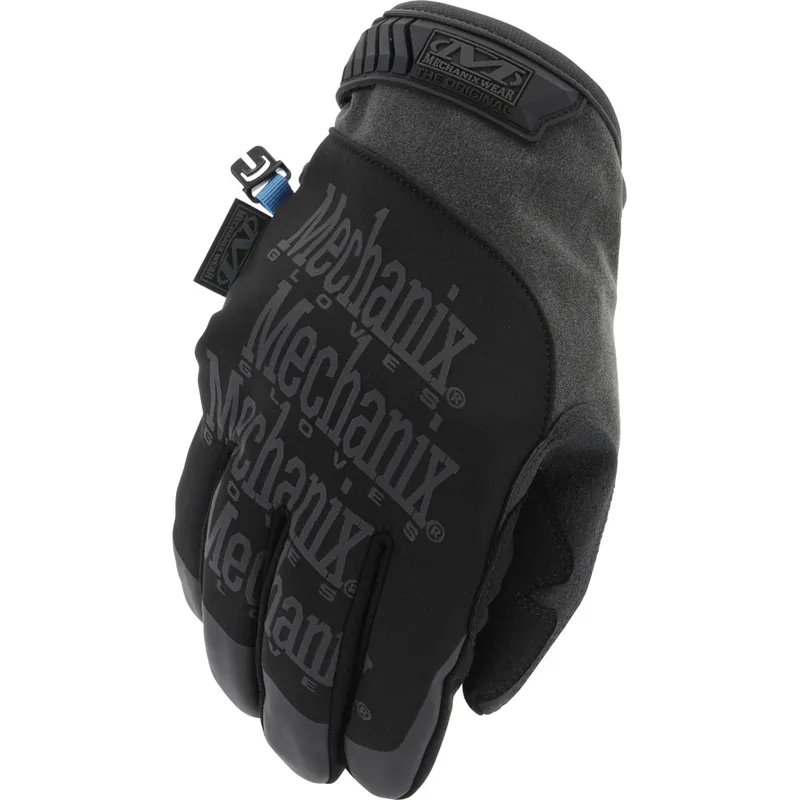 Official manufacturer image