Gearjury may earn a commission from qualifying retailer links. Recommendations are based on cited product information.
Best picks
Best Winter Hiking Gloves for Cold and Changing Trail Weather
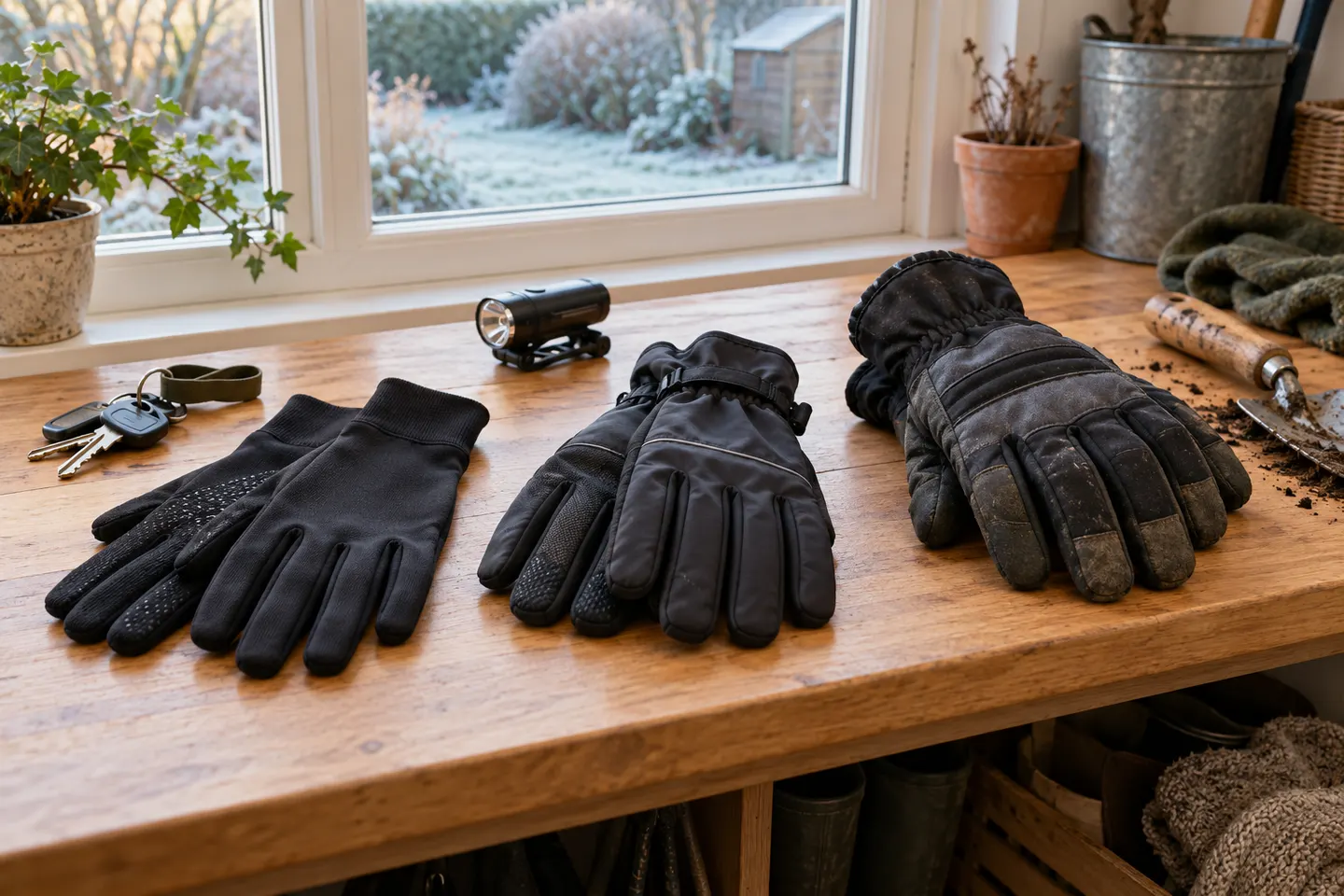
For variable hikes, build around layers: REI Co-op Switchback GTX has a removable liner, while a merino liner suits active climbs and a waterproof shell handles wet snow.
GGearjury editorial team · Updated October 22, 2026· 7 min
Quick answer
For wet, cold day hikes, REI Co-op Switchback GTX offers a waterproof/breathable GORE-TEX insert and removable fleece liners. For active climbs in milder conditions, a merino liner adds a light layer; for long exposed routes, compare a warmer insulated shell or mitt. Choose by forecast and pace, and carry a dry backup when conditions can change.
Gloves make it easier to use trekking poles and manage zippers; mittens can help retain warmth when dexterity matters less. Some hikers carry mittens for breaks and gloves for movement.
Should I bring a liner and shell for a winter hike?
A liner-and-shell system lets you adjust warmth and dry layers separately. It is useful when exertion, wind or precipitation changes during the route, provided the shell fits without compressing the liner.
Are fleece gloves enough for winter hiking?
They can suit active movement in dry, moderate cold, but fleece alone may not block wind or wet snow. Add a shell for exposed or wet conditions.
How should winter hiking gloves fit?
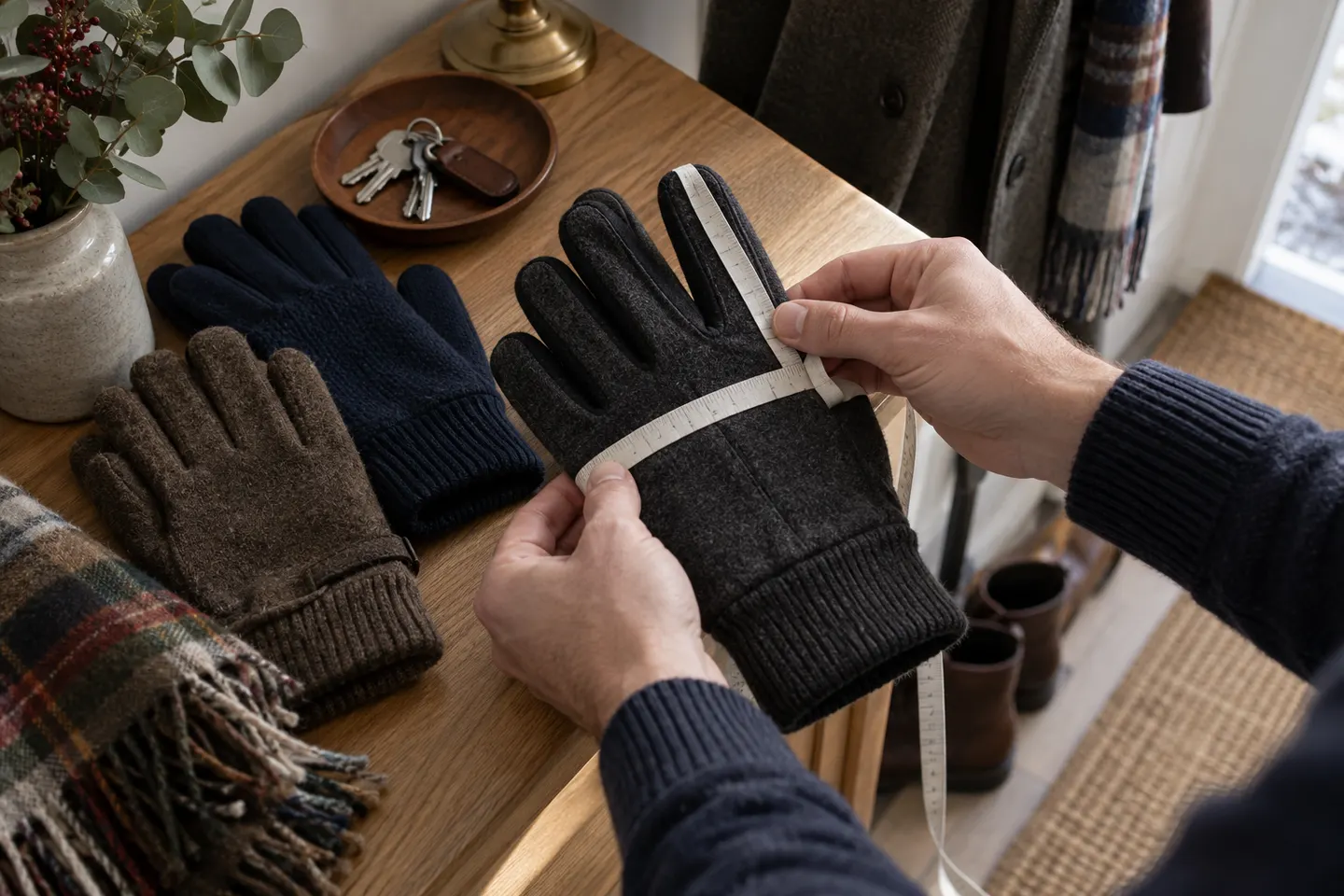
Leave enough room to move your fingers and trap warm air without creating loose fabric that affects grip. Try the glove with your pole handle and any liner you plan to use.
Start with the conditions you face: everyday cold, wet weather, hands-on work, or snow sports. The right insulation and shell matter more than a generic warmth label.
Begin with fit and intended use, then choose insulation and weather protection for your routine. A close but comfortable fit helps preserve warmth without restricting movement.
Match insulation and shell construction to the job: daily wear needs flexibility, while wet snow and outdoor work call for more coverage and durable materials.
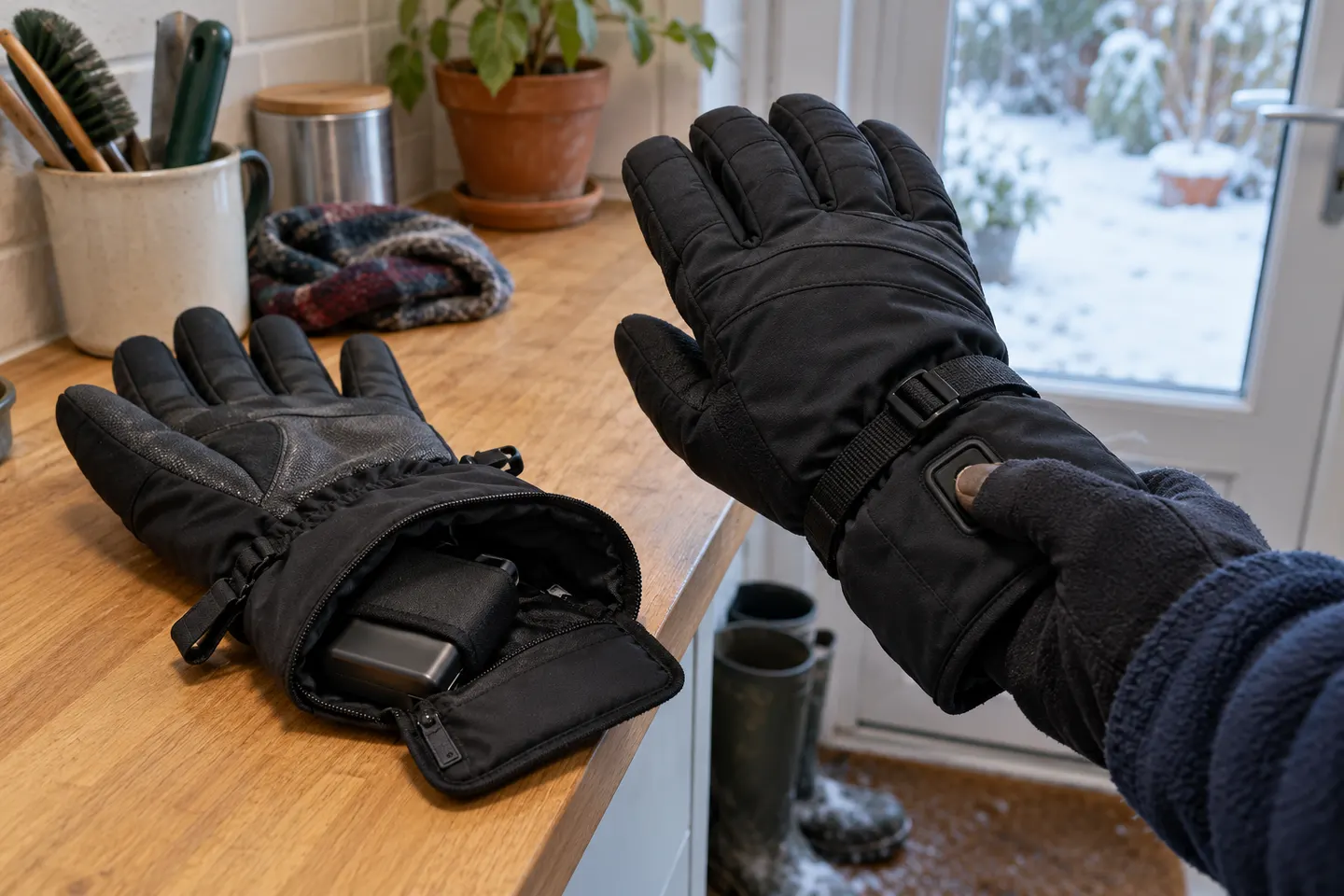
Powered warmth adds charging and care considerations to the usual questions of fit, insulation, and weather protection. Compare those trade-offs before choosing a style.
Your privacy
We use cookies and similar technologies. Necessary ones keep the site working. With your permission we also use statistics cookies (Google Analytics and Microsoft Clarity) to understand which guides help readers. You can accept all, reject all or choose. You can change your choice at any time from "Cookie settings" at the bottom of every page. Cookie policy










 Official manufacturer image