




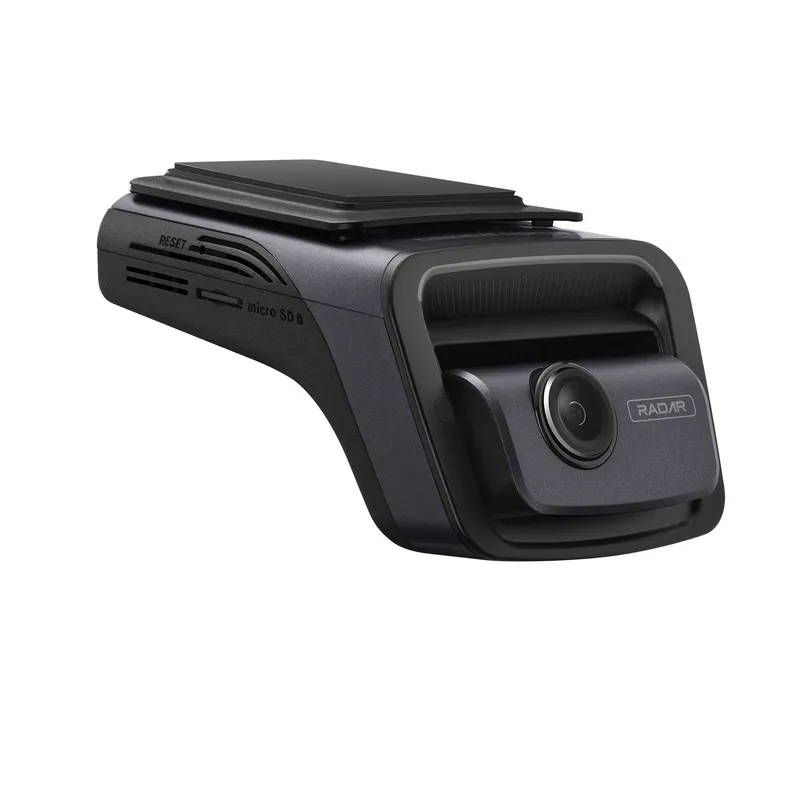
 Official manufacturer image
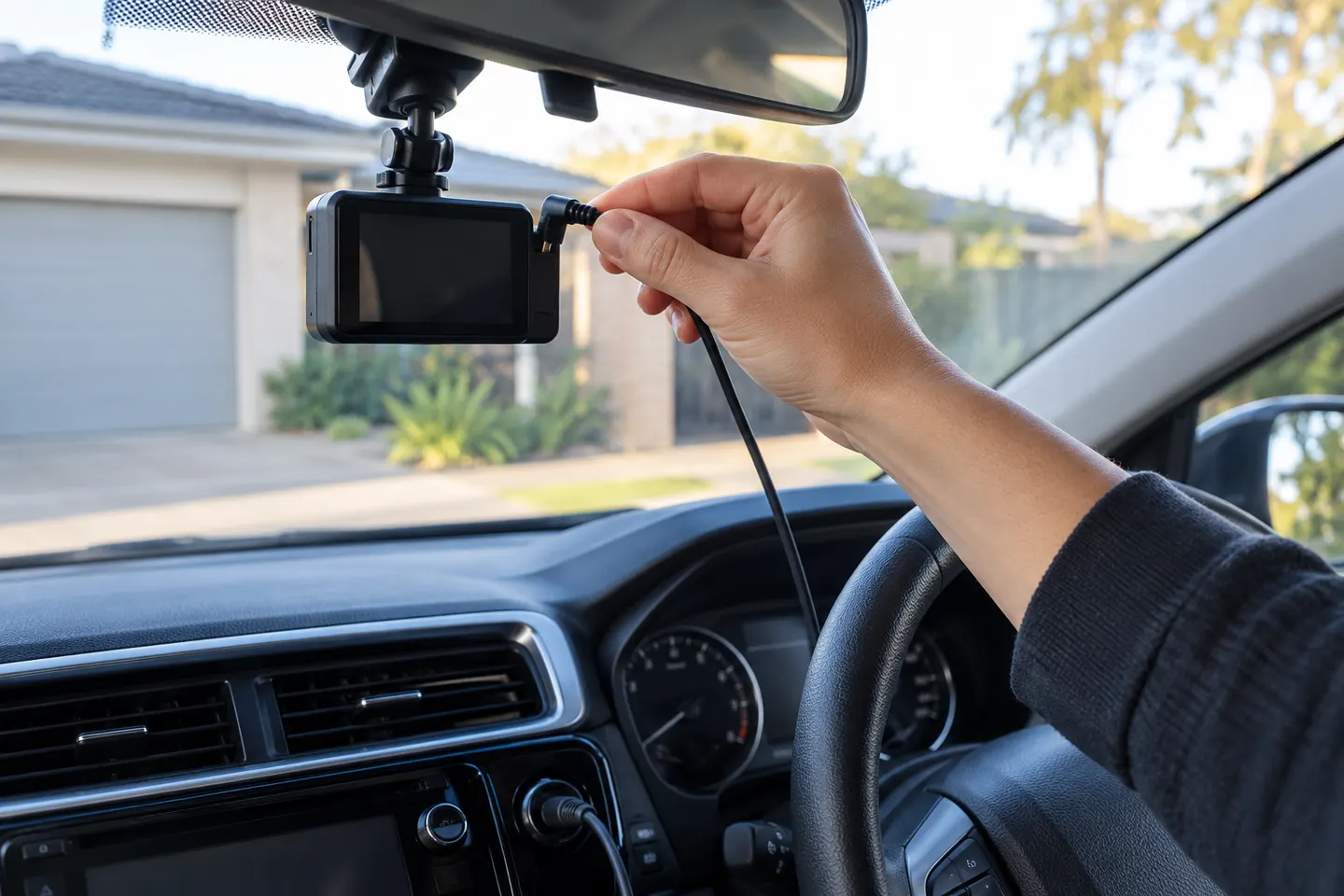
Our picks
Top picks
Official manufacturer image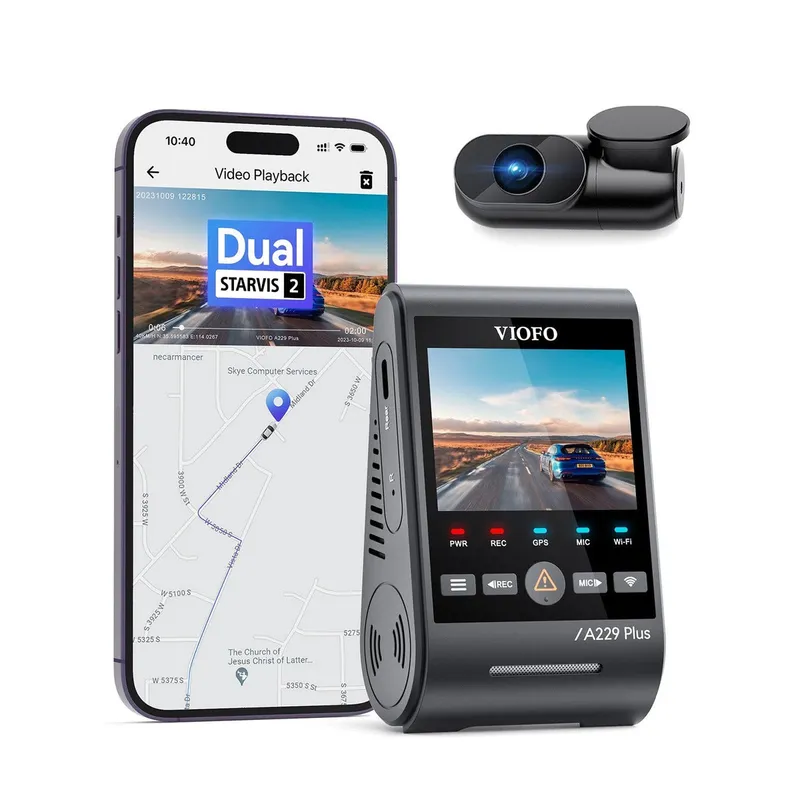 Official manufacturer image
VIOFO A229 Plus 2CH
Check price on Amazon AU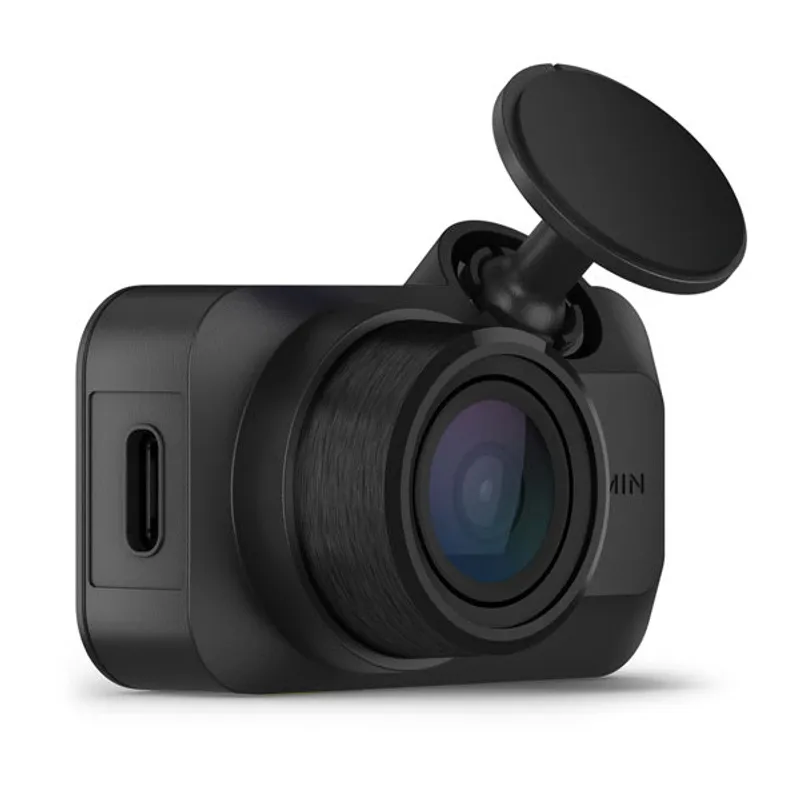 Official manufacturer image
Garmin Dash Cam Mini 3
Check price on Amazon AUBy feature
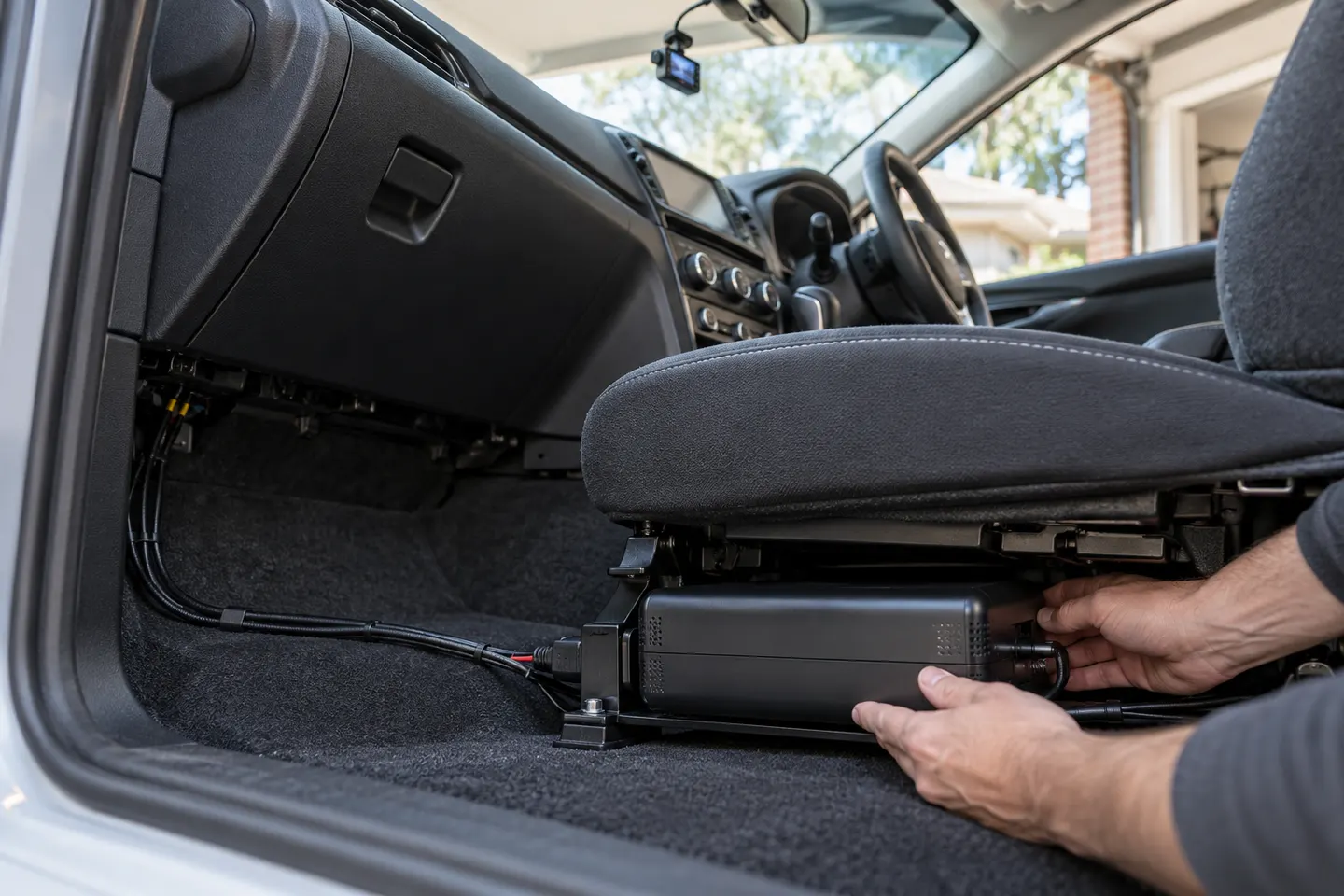 Battery pack
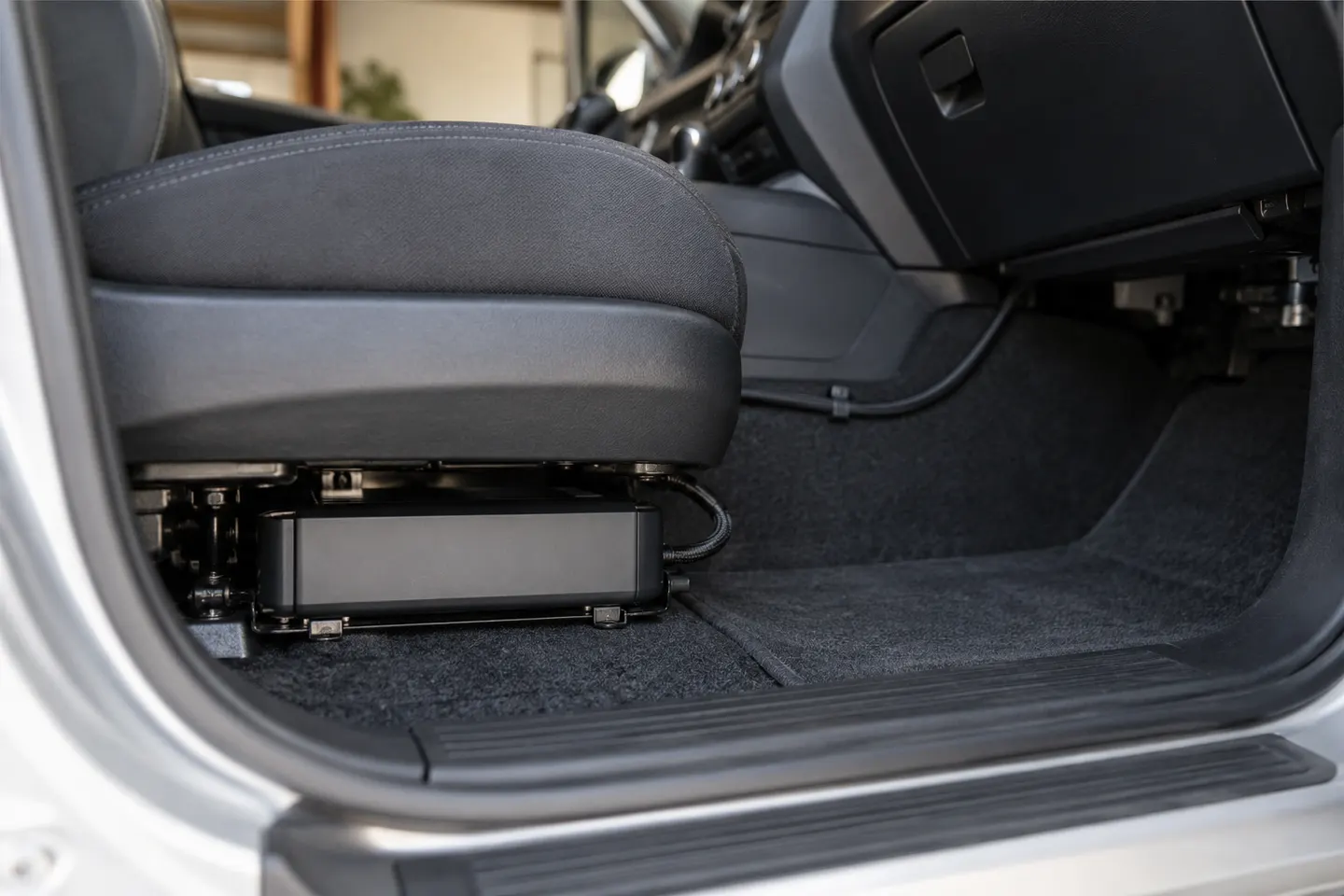 Battery
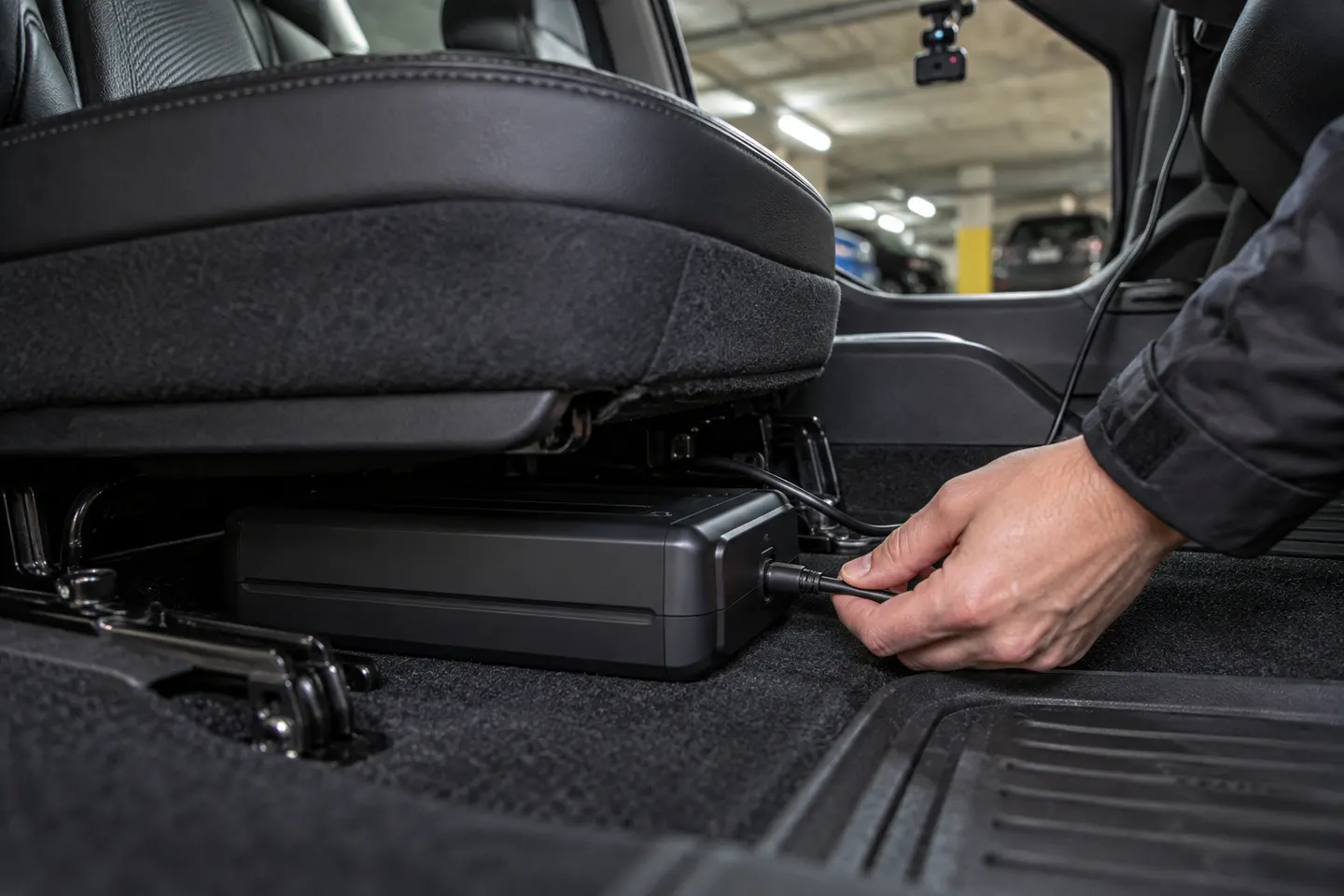 Rechargeable battery
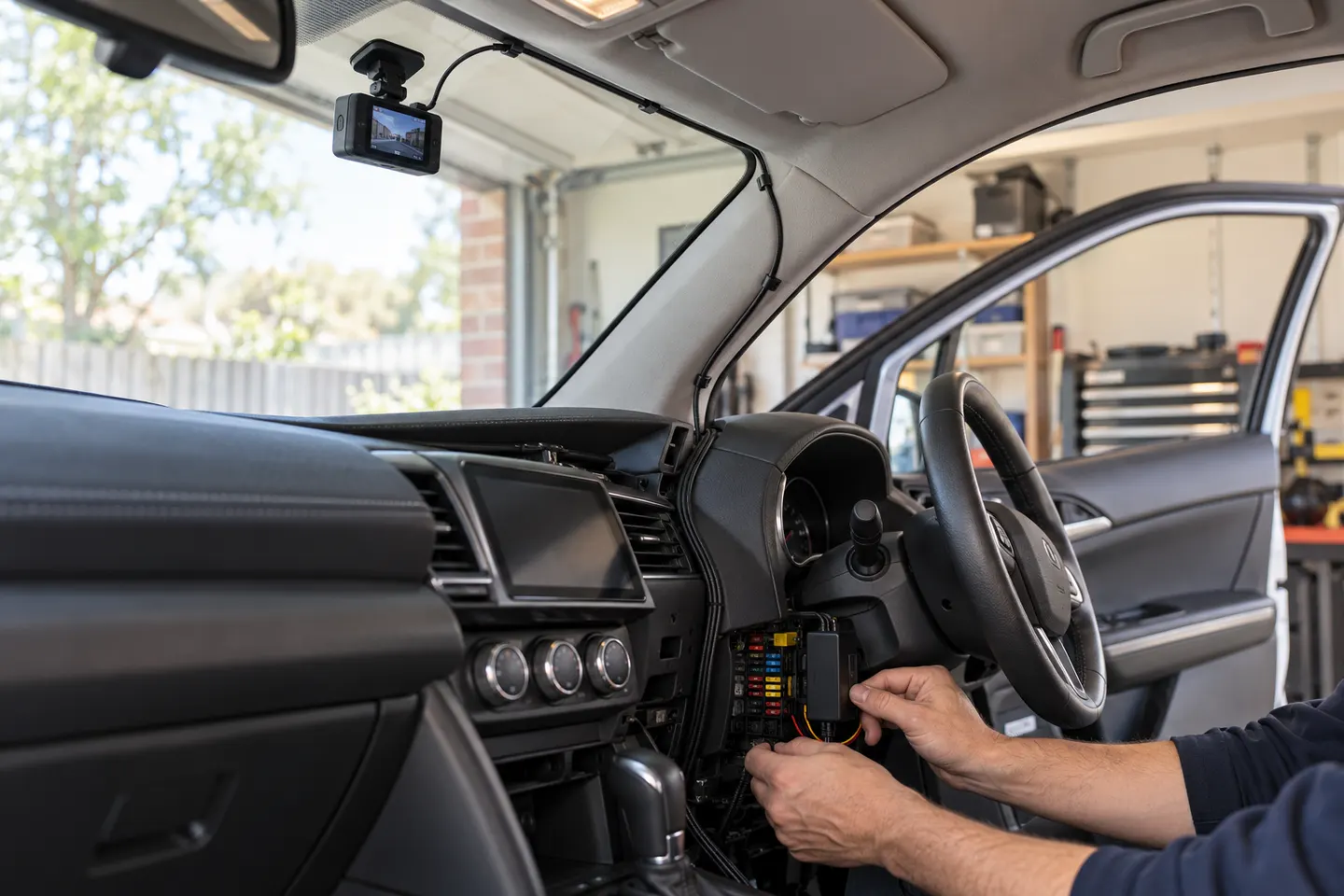 Battery powered
Common questions
Questions before you buy
Can a dash cam run on its own battery?
Only briefly in most cases. Continuous recording, Wi-Fi and a display draw more power than a small internal cell is intended to provide.
Why do dash cams use supercapacitors?
A supercapacitor helps the camera save files and shut down when power stops, and it generally tolerates heat better than a small lithium battery. It does not provide long cordless recording.
How can a dash cam record when the car is off?
Use a compatible hardwire kit with low-voltage protection or a purpose-built dash-cam battery pack. Parking mode must also be supported by the camera.
Can I power a dash cam with a portable power bank?
A general-purpose power bank may not be designed for vehicle heat, unattended charging or automatic ignition behaviour. Use equipment specifically designed and installed for dash cams.