







 Official manufacturer image
Our picks
Top picks
Official manufacturer image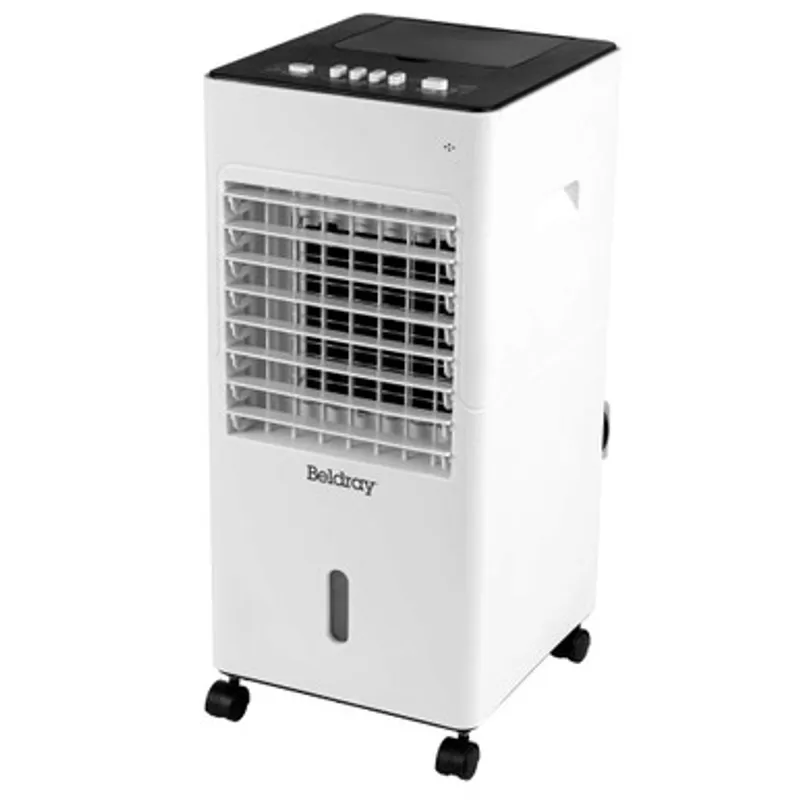 Official manufacturer image
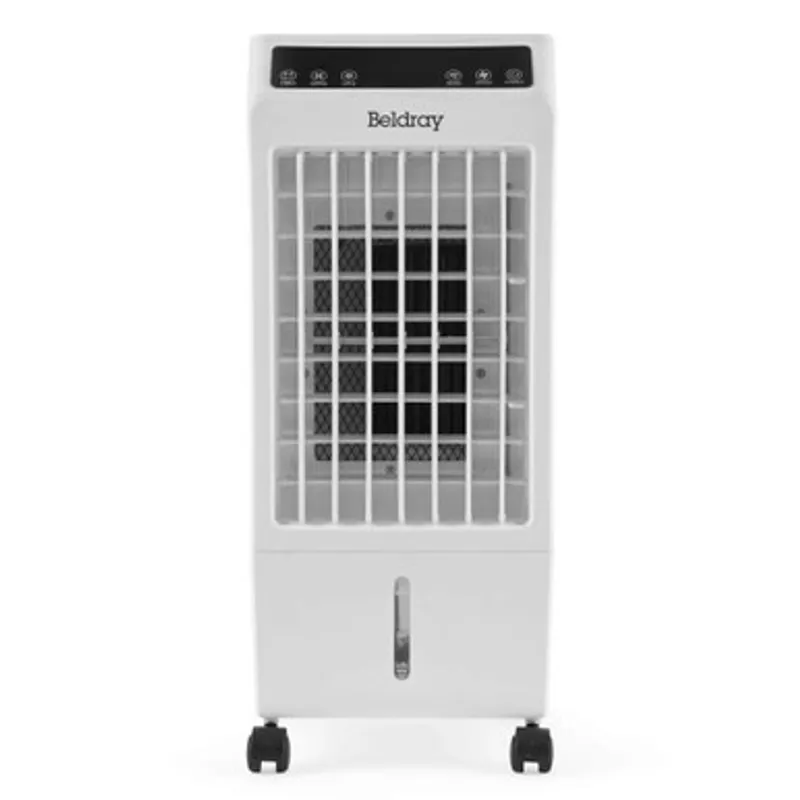
Beldray 6 Litre Air Cooler with Ioniser Function
Check price on Amazon UK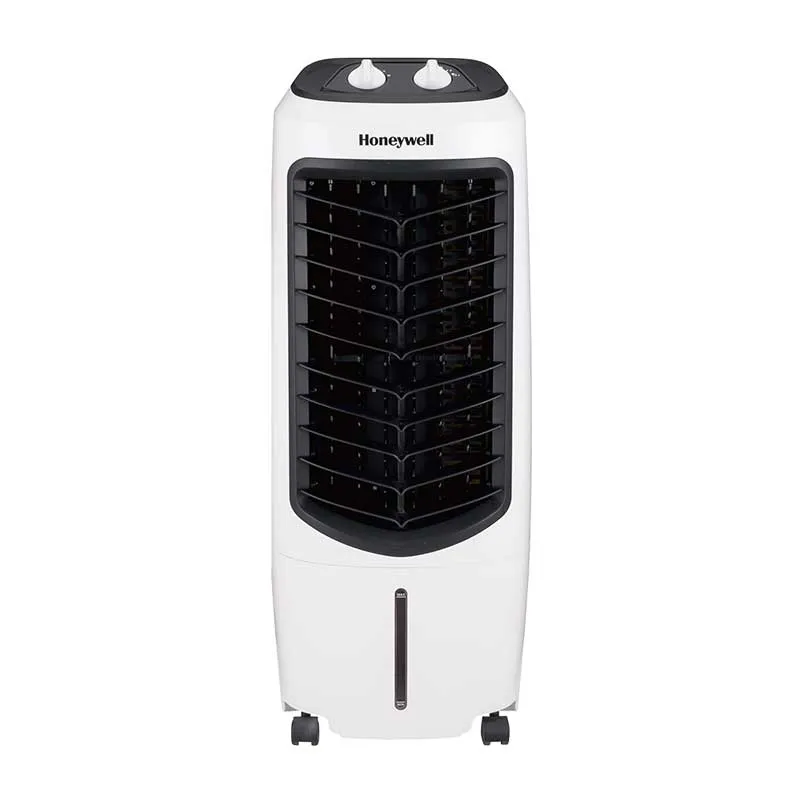 Official manufacturer image
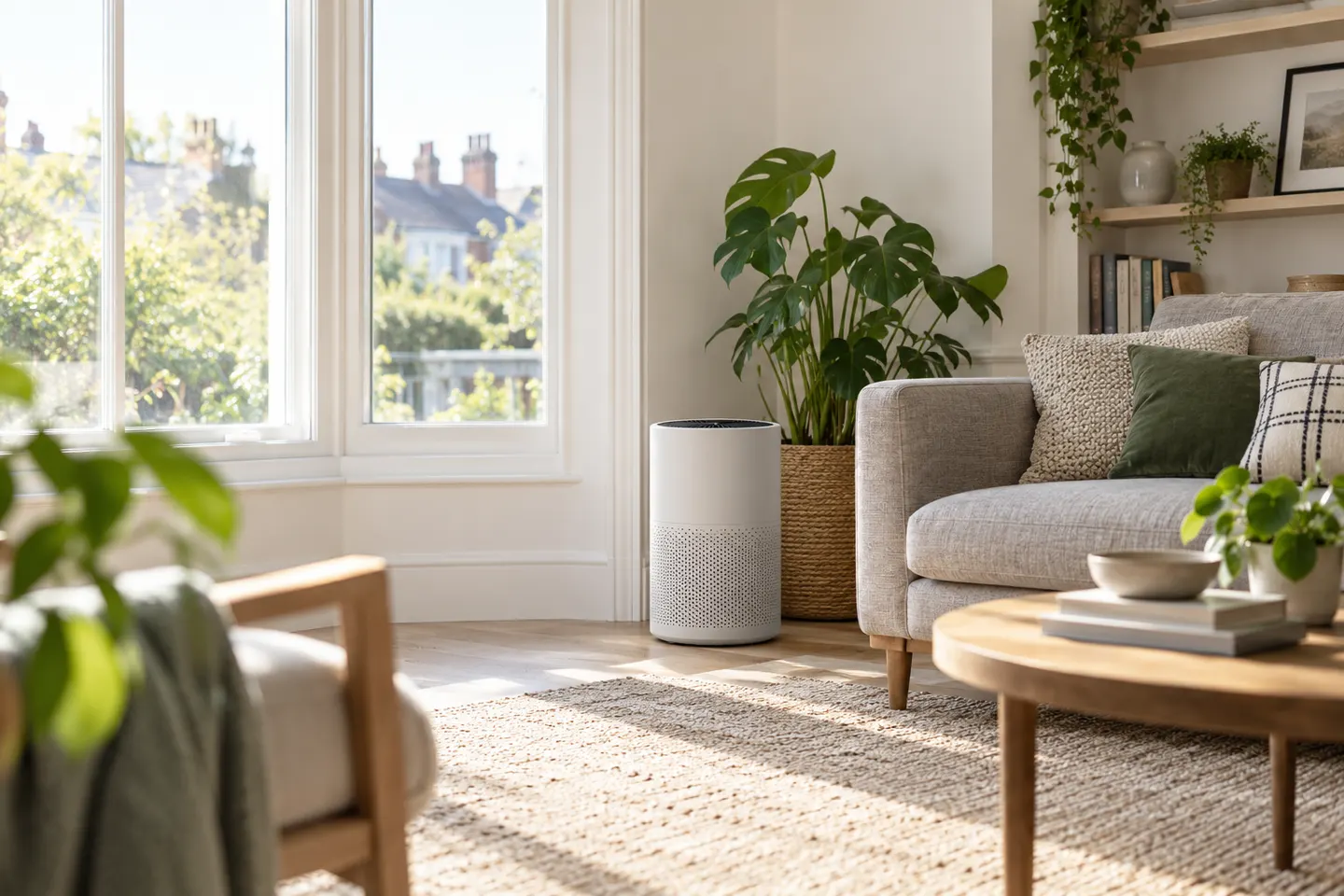
Honeywell TC10PM
Check price on Amazon UKBy type and size
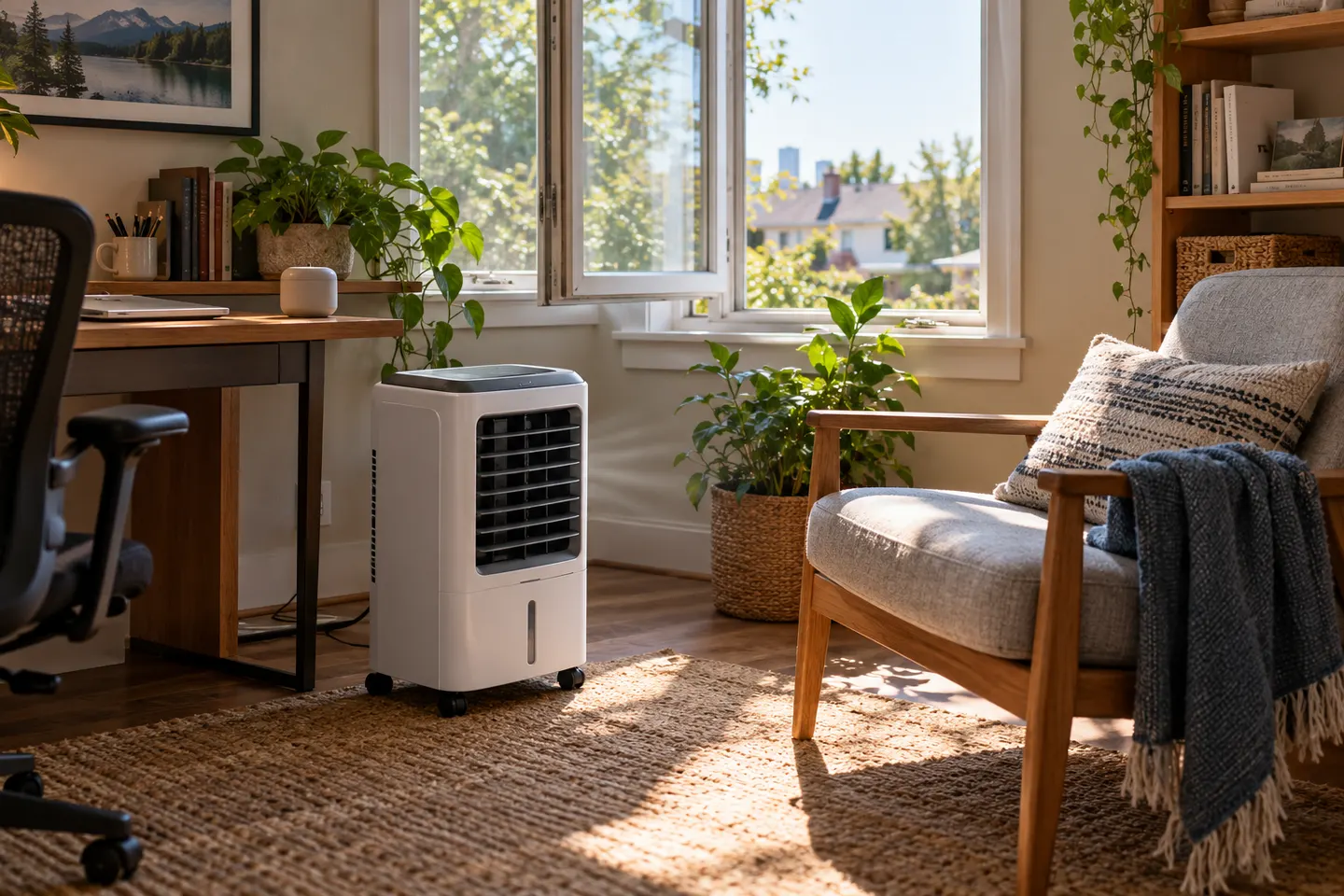
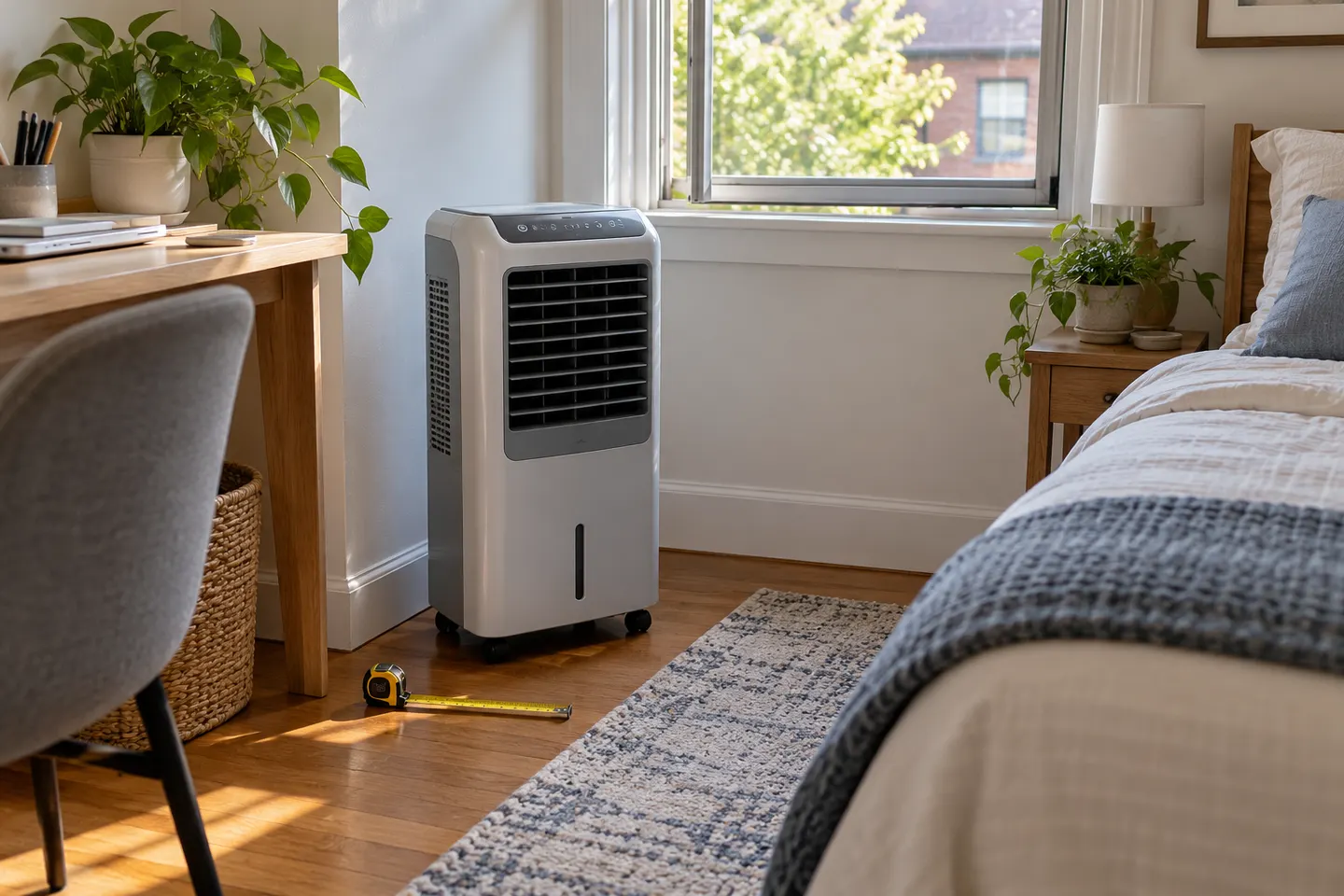 Small room
Common questions
Questions before you buy
Do evaporative air coolers lower room temperature?
They cool air passing through the appliance by evaporation, but are not equivalent to refrigerant air conditioning for controlling a whole room.
Do air coolers work in humid weather?
Their evaporative effect falls as humidity rises, and they add moisture to the room. Ventilation and room conditions matter.
Does an air cooler need ventilation?
Yes, suitable air exchange helps manage the moisture the unit adds. Follow the instructions for your specific appliance.
Can I use an air cooler instead of air conditioning?
Only if a directed, water-assisted breeze meets your needs. Choose air conditioning when active room cooling is the priority and you can vent its exhaust.