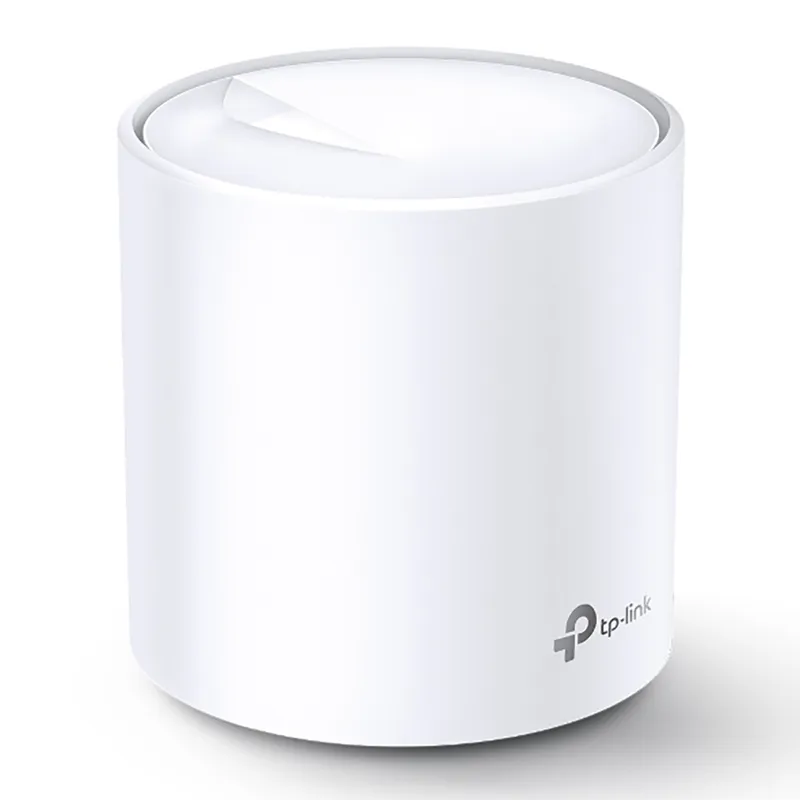
 Official manufacturer image
Several rooms and coordinated roaming
TP-Link Deco X50
Check price on AmazonSponsored link · no live price shown

 Best picksBest WiFi Extenders for Different Homes in Ireland
 Best picksThe Best Dashcams for Cars in 2026
 Best picksBest Headlamp Torches for Hiking, Work and Everyday Use
 Best picksBest Meat Thermometers for Cooking, Roasting and BBQ
 Best picksBest cordless strimmers for Irish gardens: compared
 Best picksBest Winter Gloves for Cold, Wet Days in Ireland (2026)
 Best picksBest Portable Air Coolers for Irish Homes in 2026
 Best picksBest air purifier for bedroom in Ireland: five models compared
Gearjury may earn a commission if you buy through a retailer link. This does not change our editorial criteria.
Head to head
Choose mesh when coverage is weak across several rooms and one coordinated network matters. Choose a range extender for a local dead spot when your existing router still serves most of the home.
Official manufacturer image
Several rooms and coordinated roaming
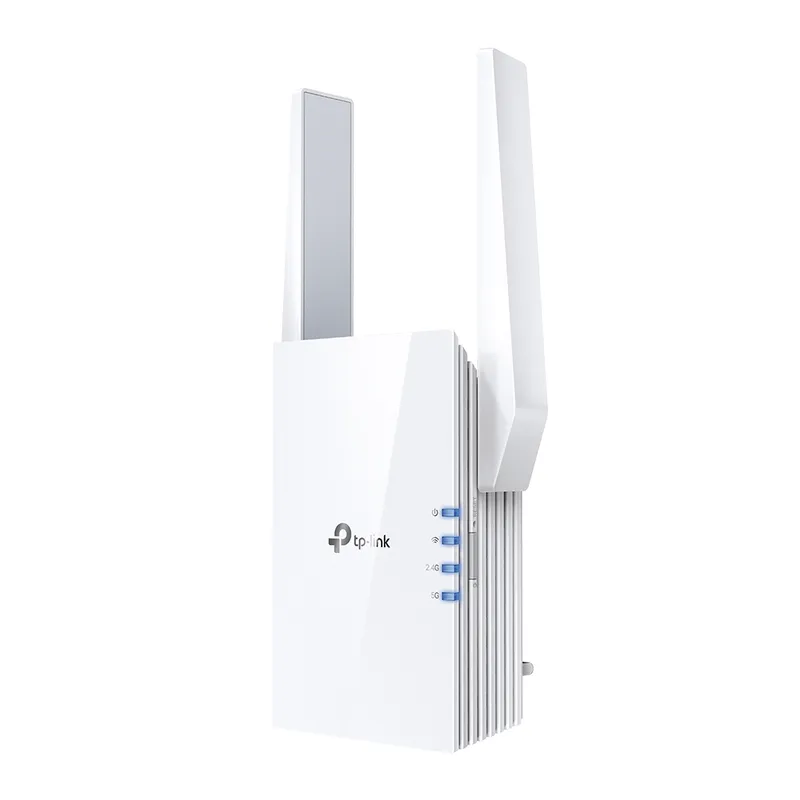 Official manufacturer image
One local weak-signal area
The verdict
TP-Link describes Deco as a unified mesh network in which units coordinate coverage.
RE505X is a standalone range extender with range-extender mode and a signal indicator for placement.
The official specification lists a Gigabit Ethernet port and access-point mode.
| Official manufacturer imageTP-Link Deco X50 | Official manufacturer imageTP-Link RE505X | |
|---|---|---|
| Product type | Coordinated mesh system | Single range extender / access point |
| WiFi class | AX3000 WiFi 6 | AX1500 WiFi 6 |
| Network behaviour | Unified Deco network | Can extend compatible router WiFi; mesh features require compatible ecosystem |
| Ethernet | — | 1 Gigabit port |
| Best suited to | Multiple rooms or floors | A local weak area or wired-client role |
| Setup | Deco app | Tether app, web interface or WPS |
| Check price on Amazon | Check price on Amazon |
Common questions
Mesh is generally the stronger fit when several areas need coverage and seamless roaming matters. A range extender is often simpler for one local dead zone if the router remains suitable elsewhere.
A mesh system is designed to operate as one coordinated network. A traditional extender may create a separate extended network; behaviour depends on the router and device features.
No. An extender usually relays an existing router signal, while a mesh node coordinates with other nodes in a system. Some extenders offer mesh compatibility with specific routers, so check the model details.
Neither category guarantees higher speed. The result depends on the broadband connection, backhaul, signal quality, interference, devices and system placement.
Often, but the correct configuration depends on whether the router can use bridge or access-point settings and how the mesh system is designed. Follow the manufacturer’s setup guidance for your broadband equipment.
Keep exploring
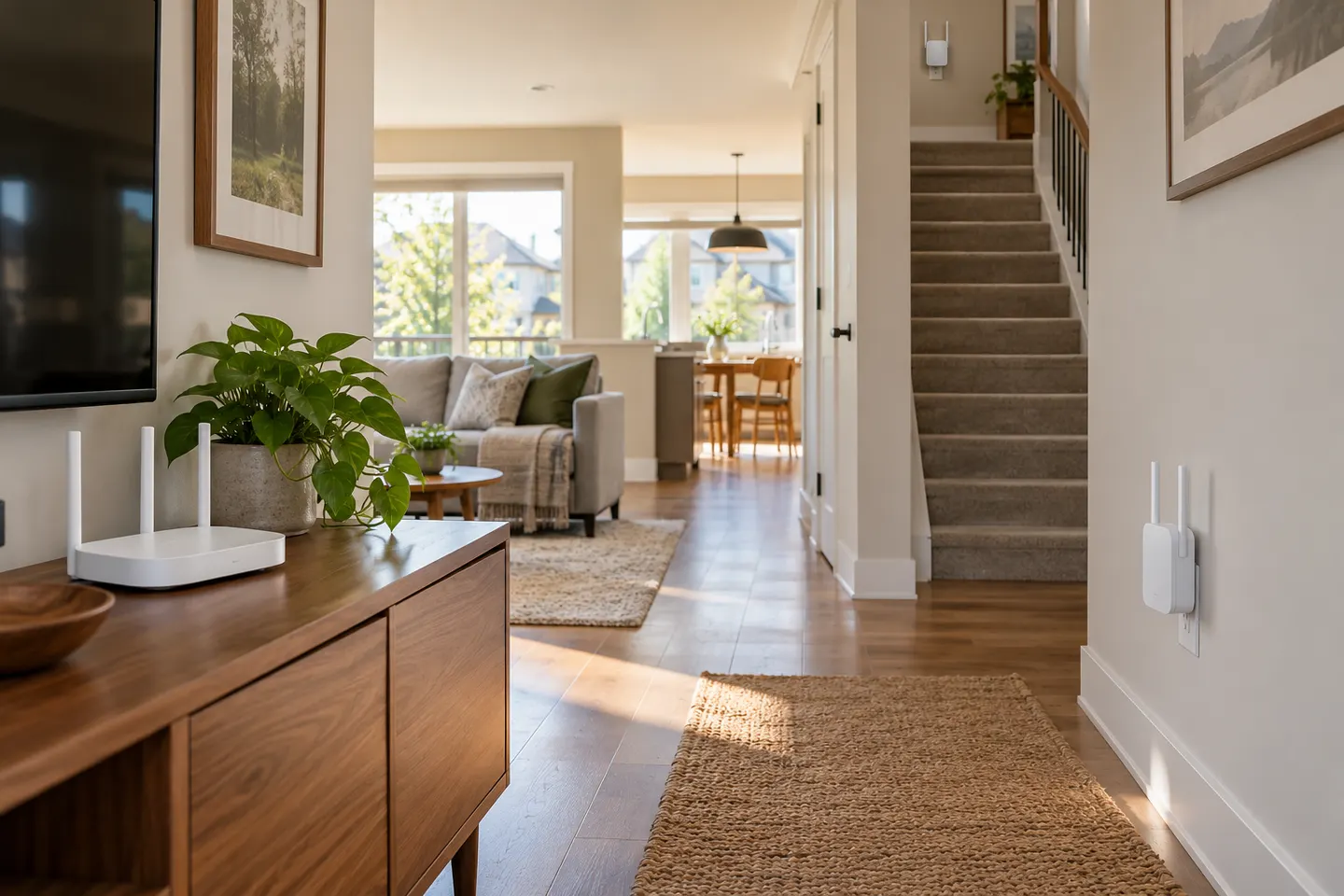
A mesh system replaces or works alongside a router to create one coordinated network; a range extender relays an existing signal. Choose by coverage pattern, compatibility and how you move around the home.
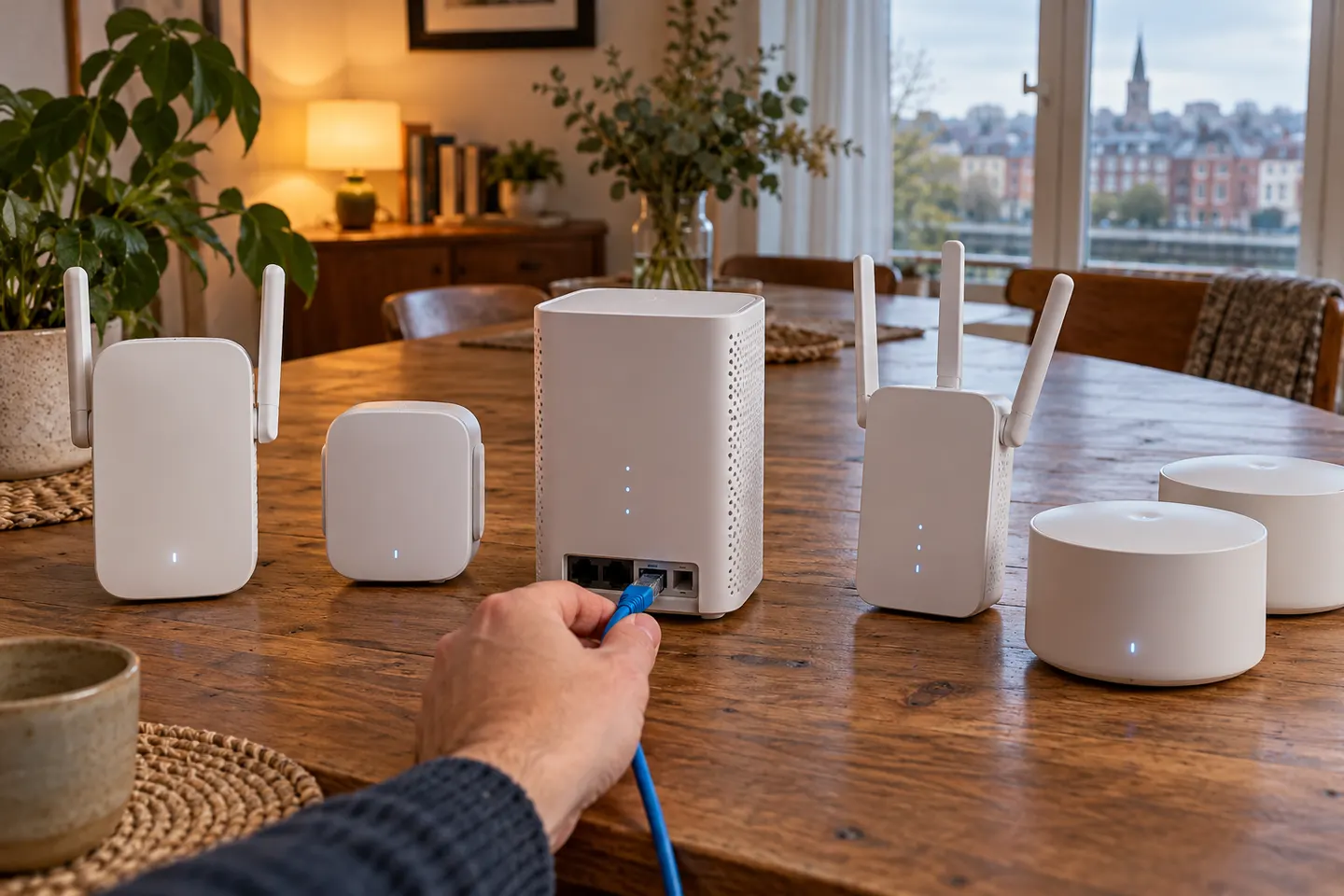
TP-Link RE505X is the most balanced pick here for WiFi 6 and a Gigabit Ethernet port. Choose RE315 for lower-tier mesh features, RE550 for three external antennas, or Deco X50 when you need a coordinated mesh system.
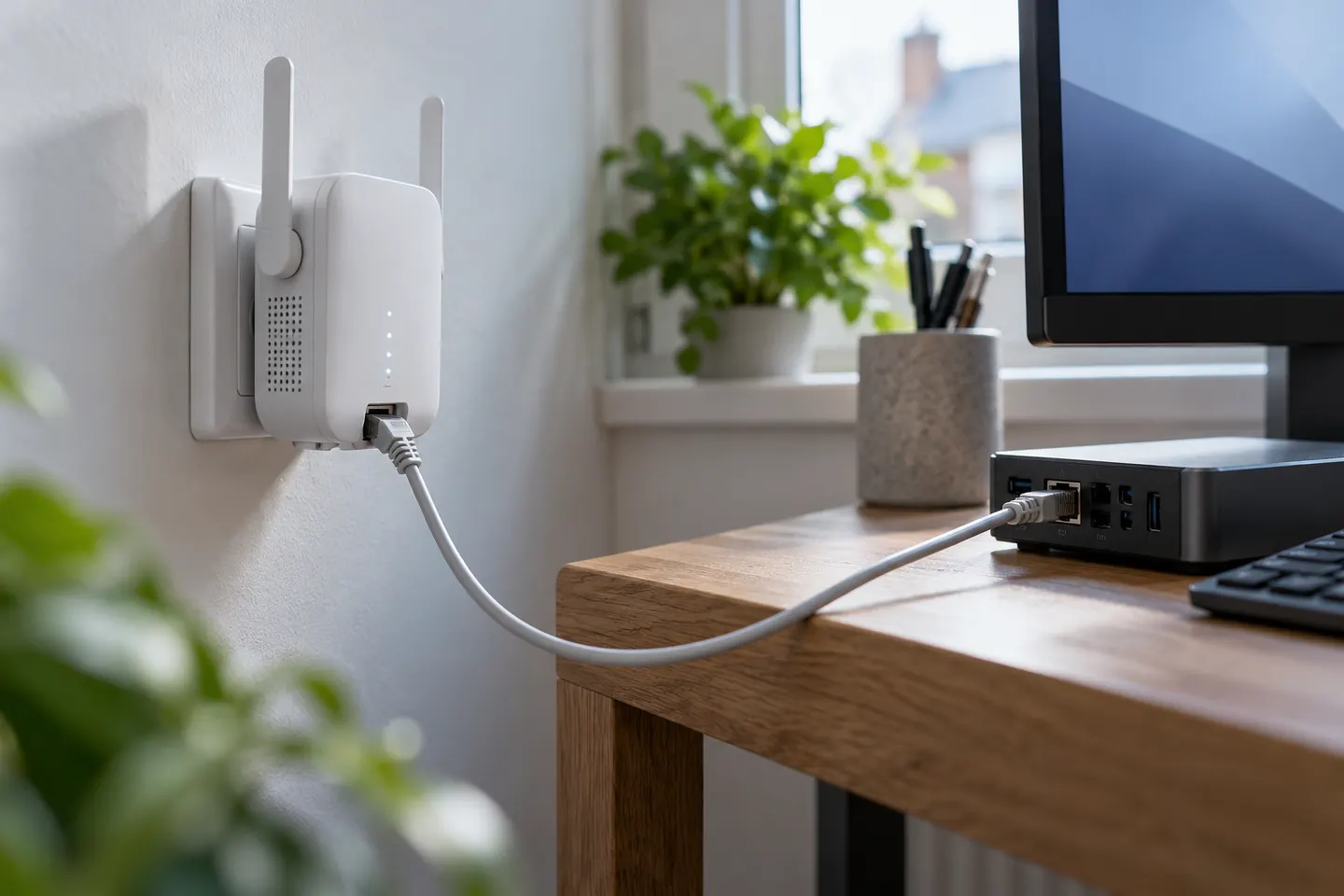
An Ethernet socket can connect a nearby device to the extended network, or let some extenders run as an access point from a wired connection. Check which mode and port speed the model supports.
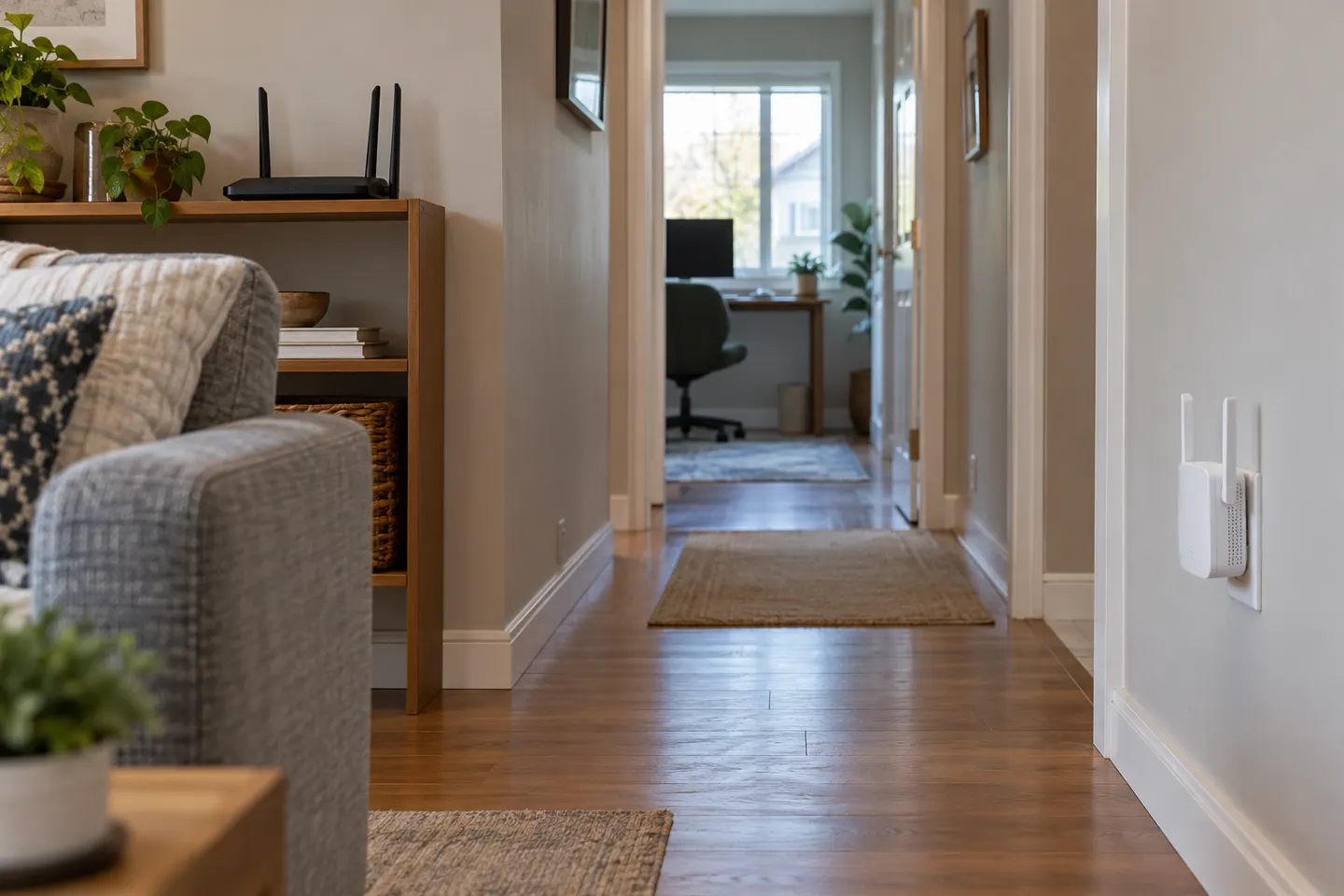
A WiFi extender can carry an existing router signal into a weak-coverage area. Choose a plug-in repeater for a simple dead zone, or consider powerline when walls make a wireless link unreliable.