









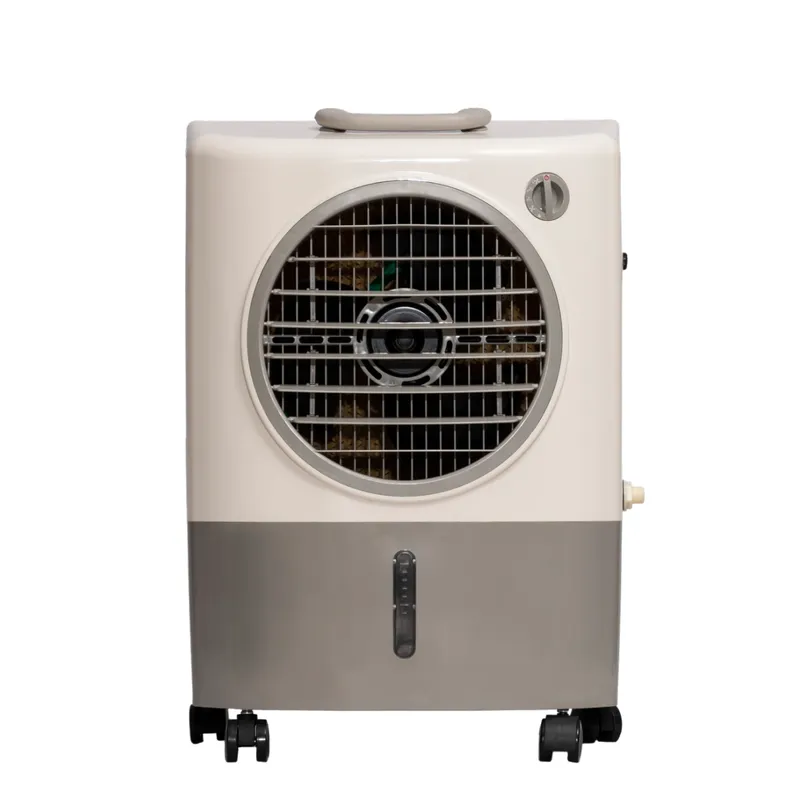
 Official manufacturer image
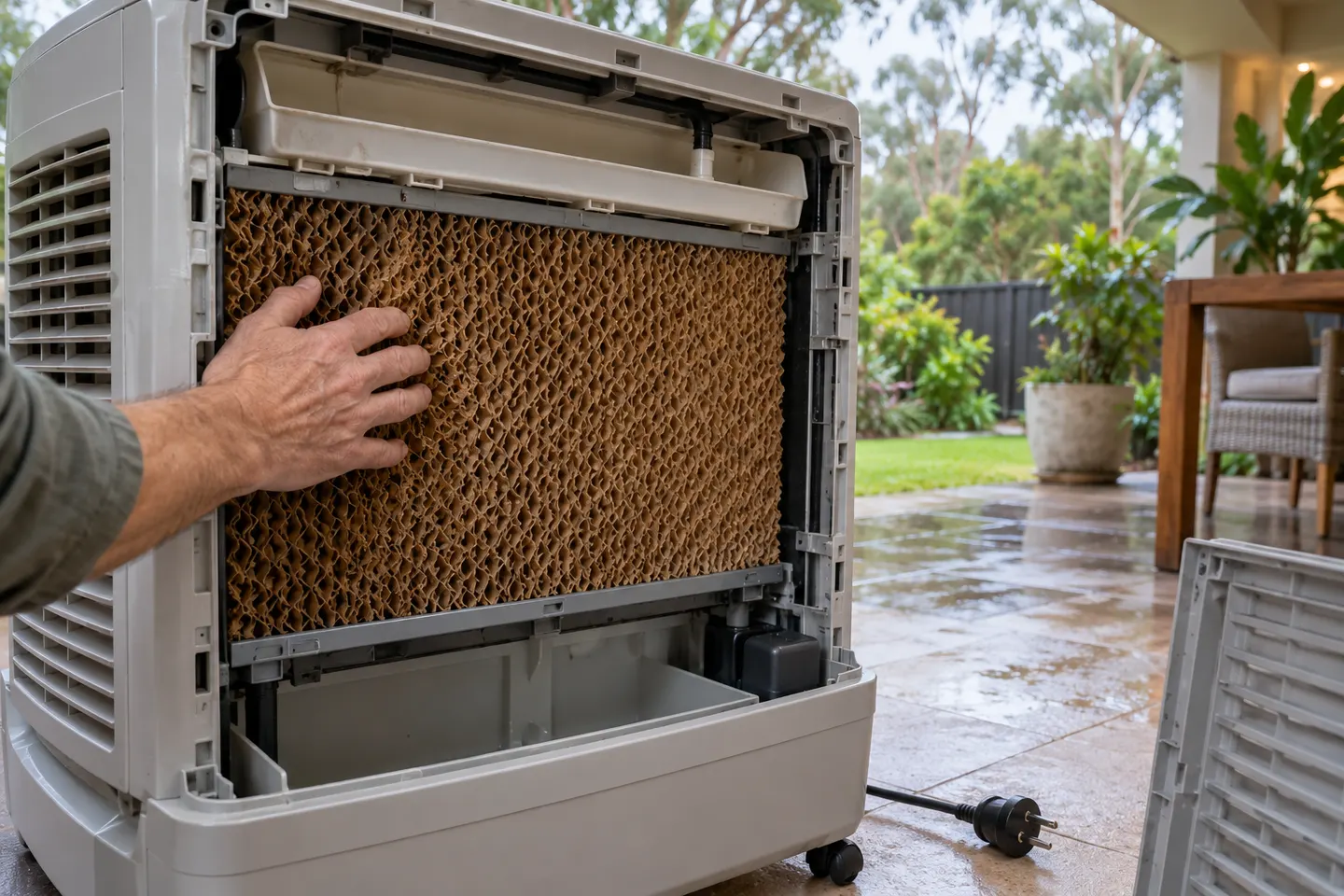
Our picks
Top picks
Official manufacturer image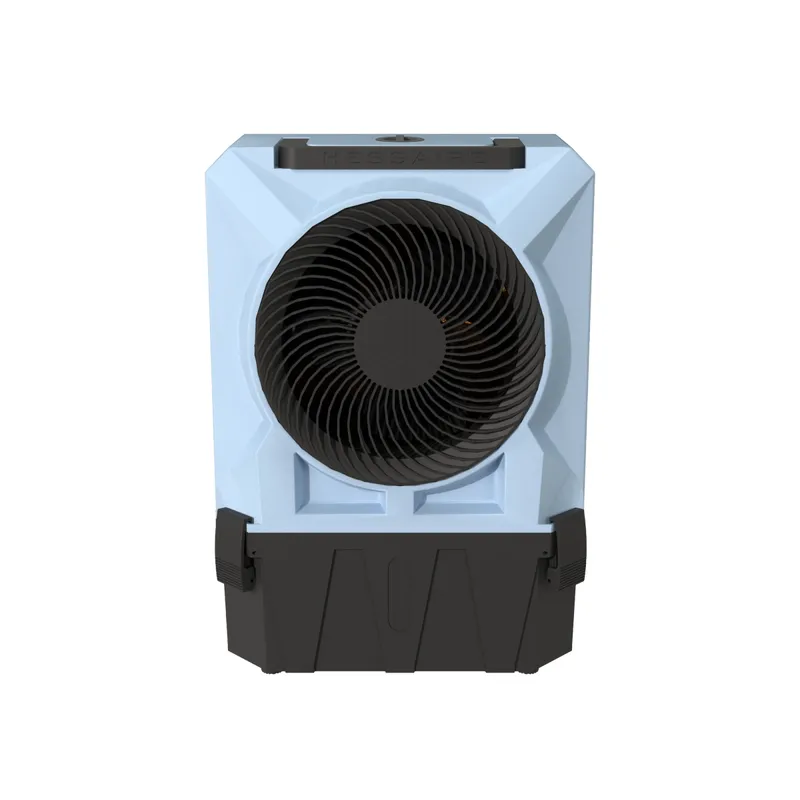 Official manufacturer image
Hessaire MC12V
Check price on Amazon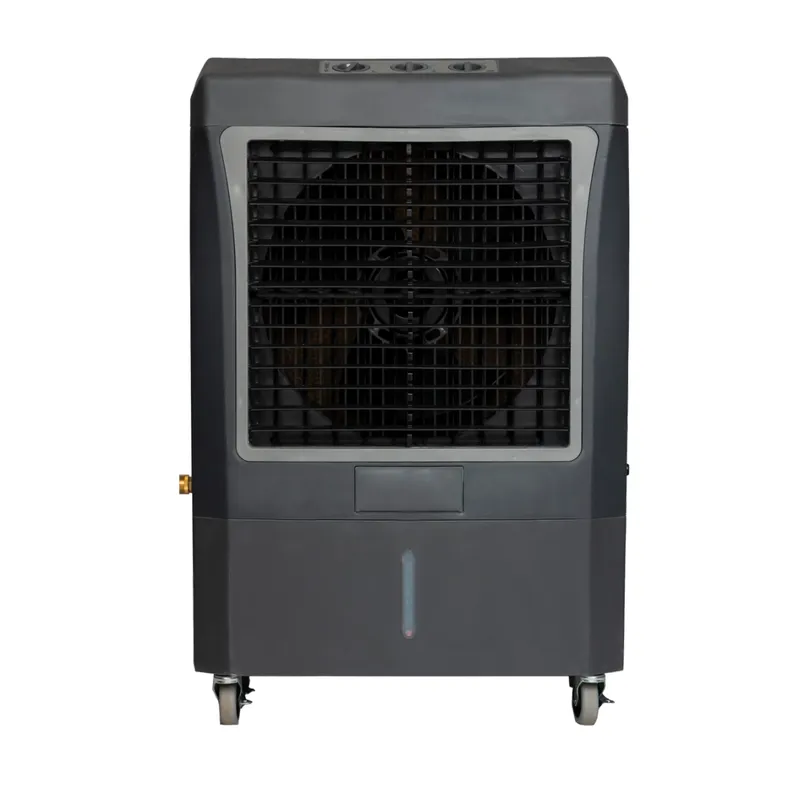 Official manufacturer image
Hessaire MC37M
Check price on AmazonHow-to guides
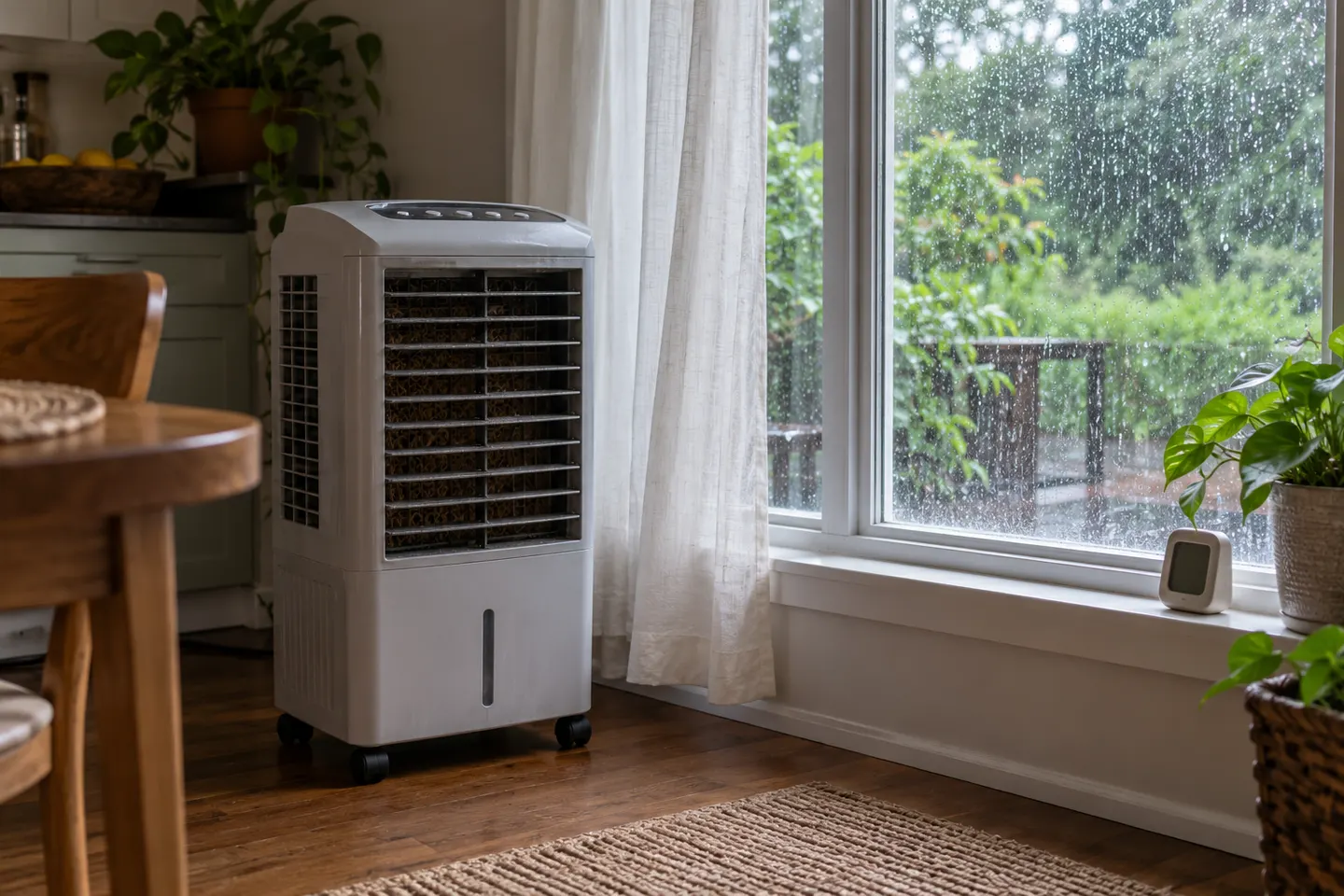 Why Is My Swamp Cooler Not Blowing Cold Air?…
More topics
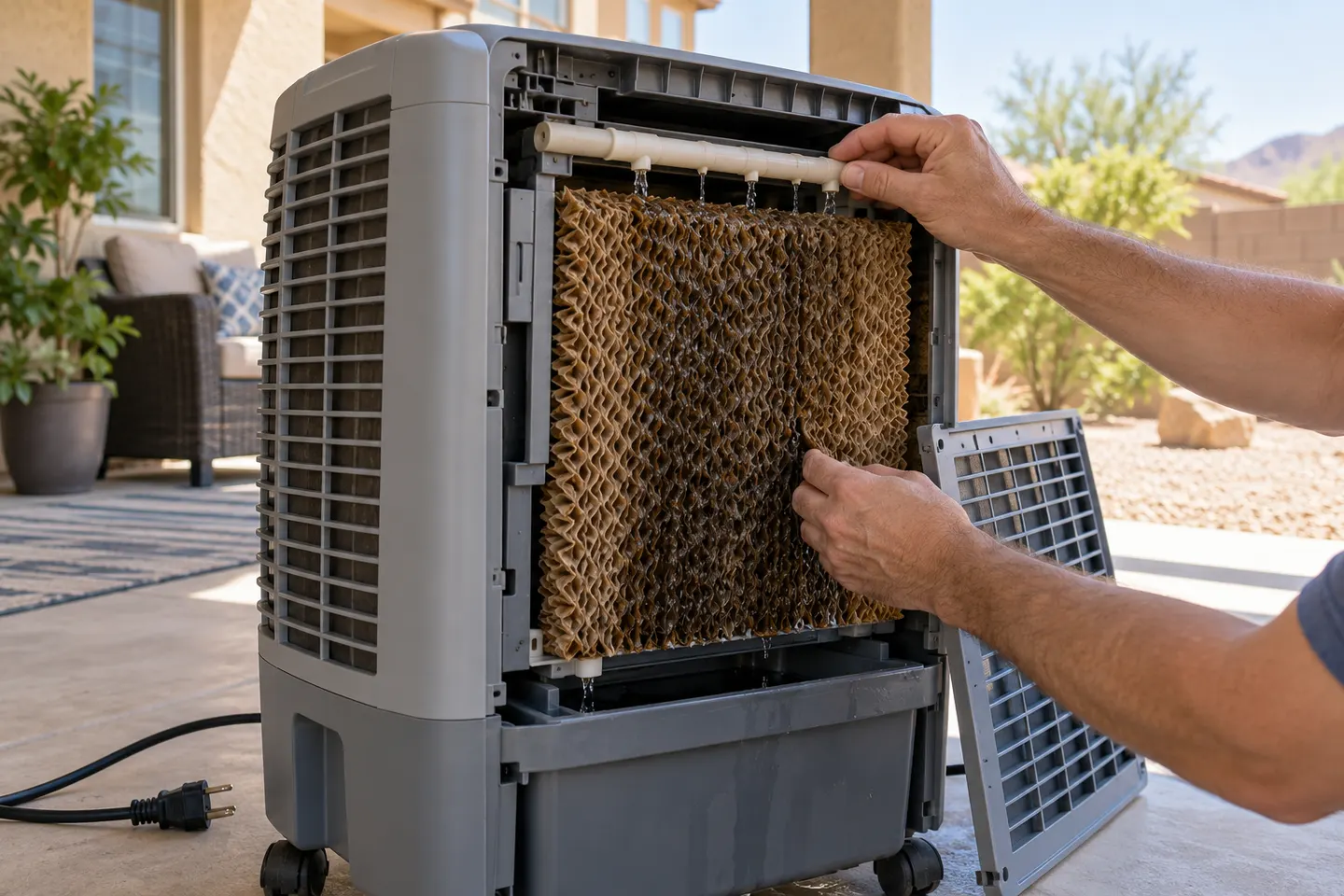 Swamp Cooler Not Blowing Cold Air
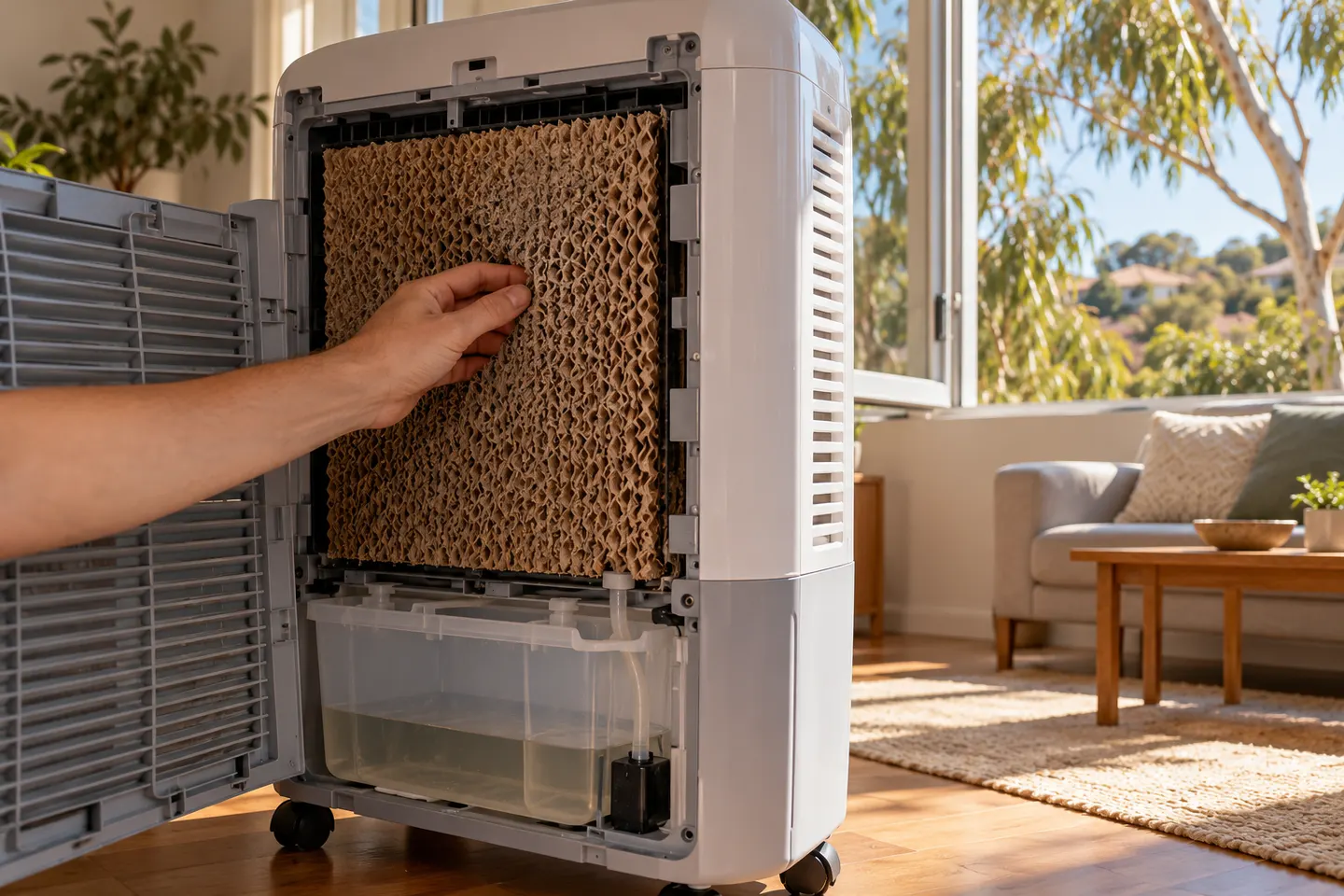 Why Is My Evaporative Cooler Blowing Warm Air?
Common questions
Questions before you buy
Why is my swamp cooler blowing hot air?
Possible causes include a dry or poorly wetted cooling pad, inadequate water delivery, blocked airflow or weather conditions that reduce evaporation. Check the model manual for diagnosis.
Should windows be open when using an evaporative cooler?
Evaporative coolers need air to move through and out of the space. Follow the manufacturer's ventilation guidance for your specific unit.
Can low humidity affect an evaporative cooler?
Evaporative cooling performance depends on air conditions, including humidity. The manufacturer may describe operating limits for the model.
When should I call for service?
Stop using the unit and seek qualified service if you find electrical damage, leaks near electrical parts, unusual burning smells or a fault the manual does not resolve.