









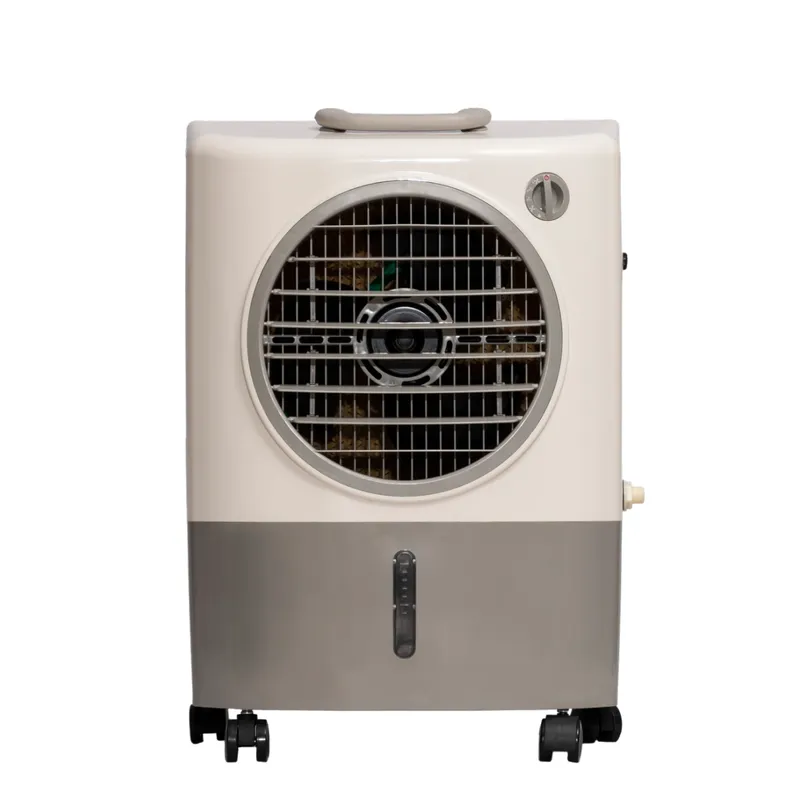
 Official manufacturer image
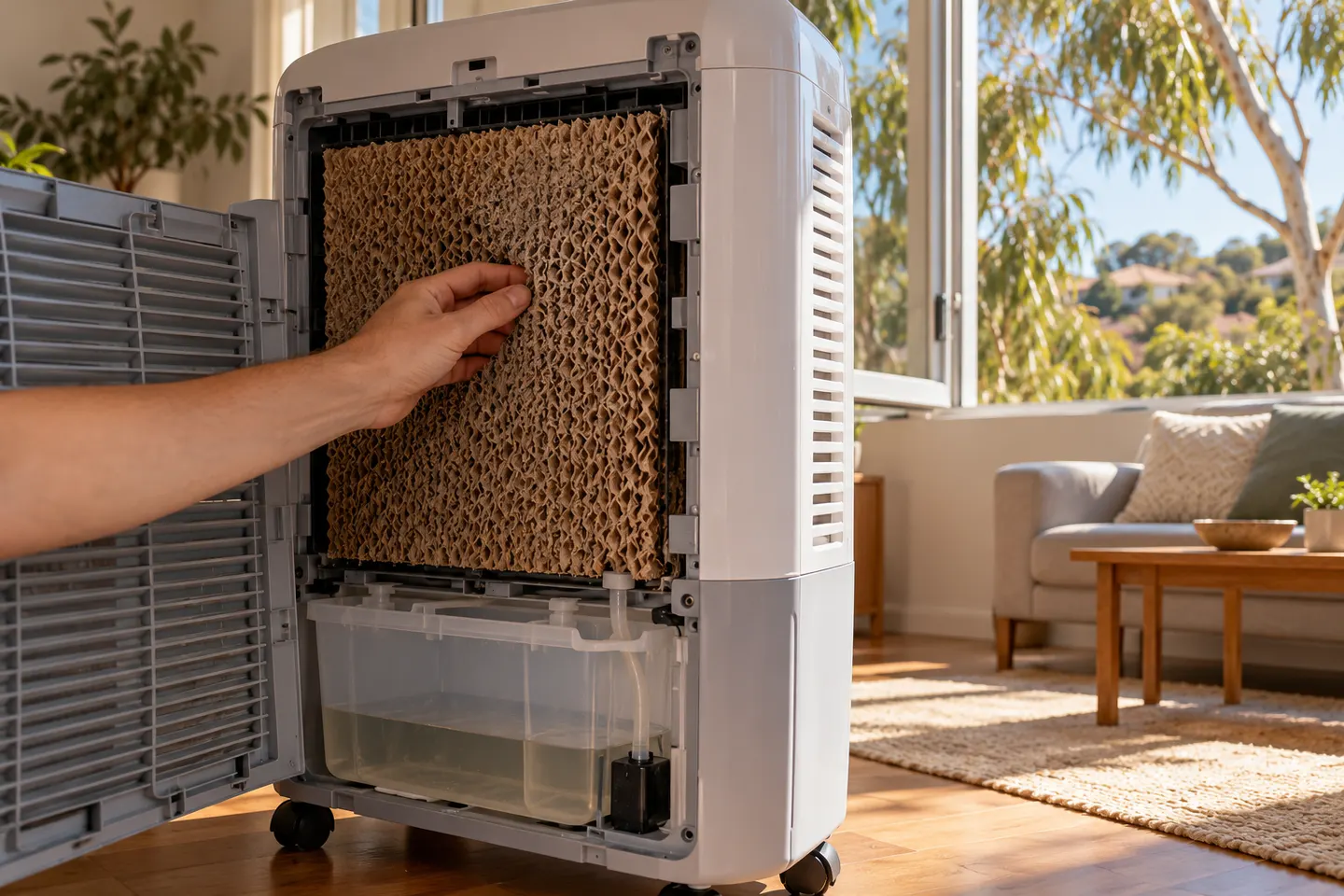
Our picks
Top picks
Official manufacturer image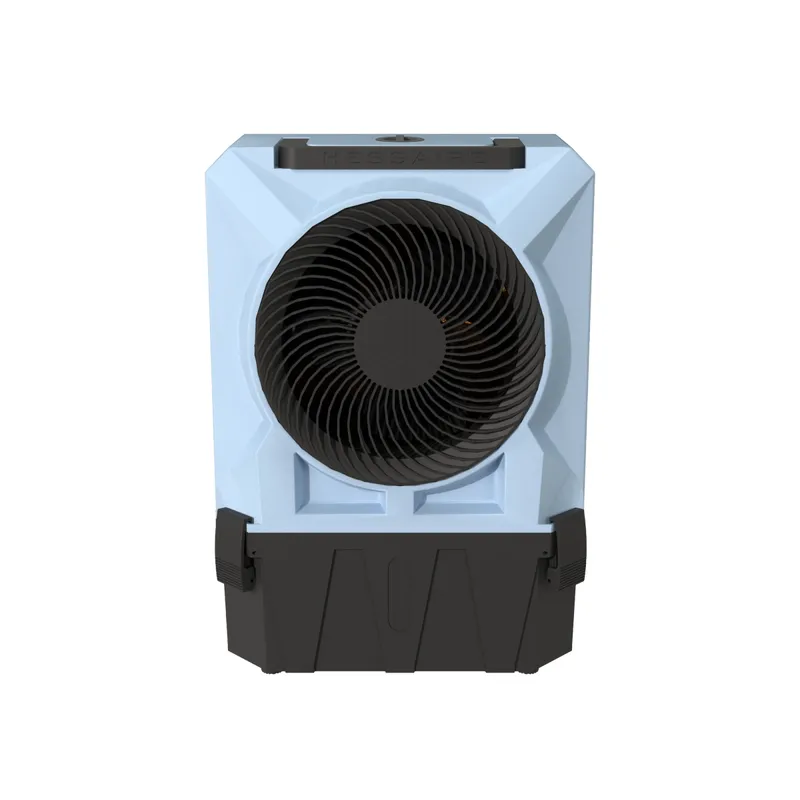 Official manufacturer image
Hessaire MC12V
Check price on Amazon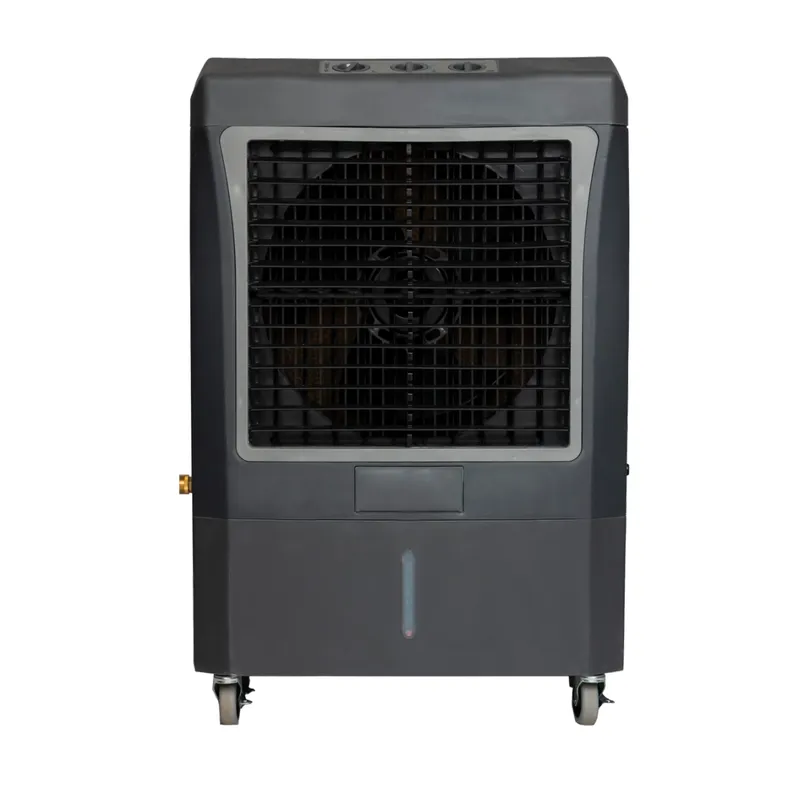 Official manufacturer image
Hessaire MC37M
Check price on AmazonHow-to guides
 Why Is My Swamp Cooler Not Blowing Cold Air?…
More topics
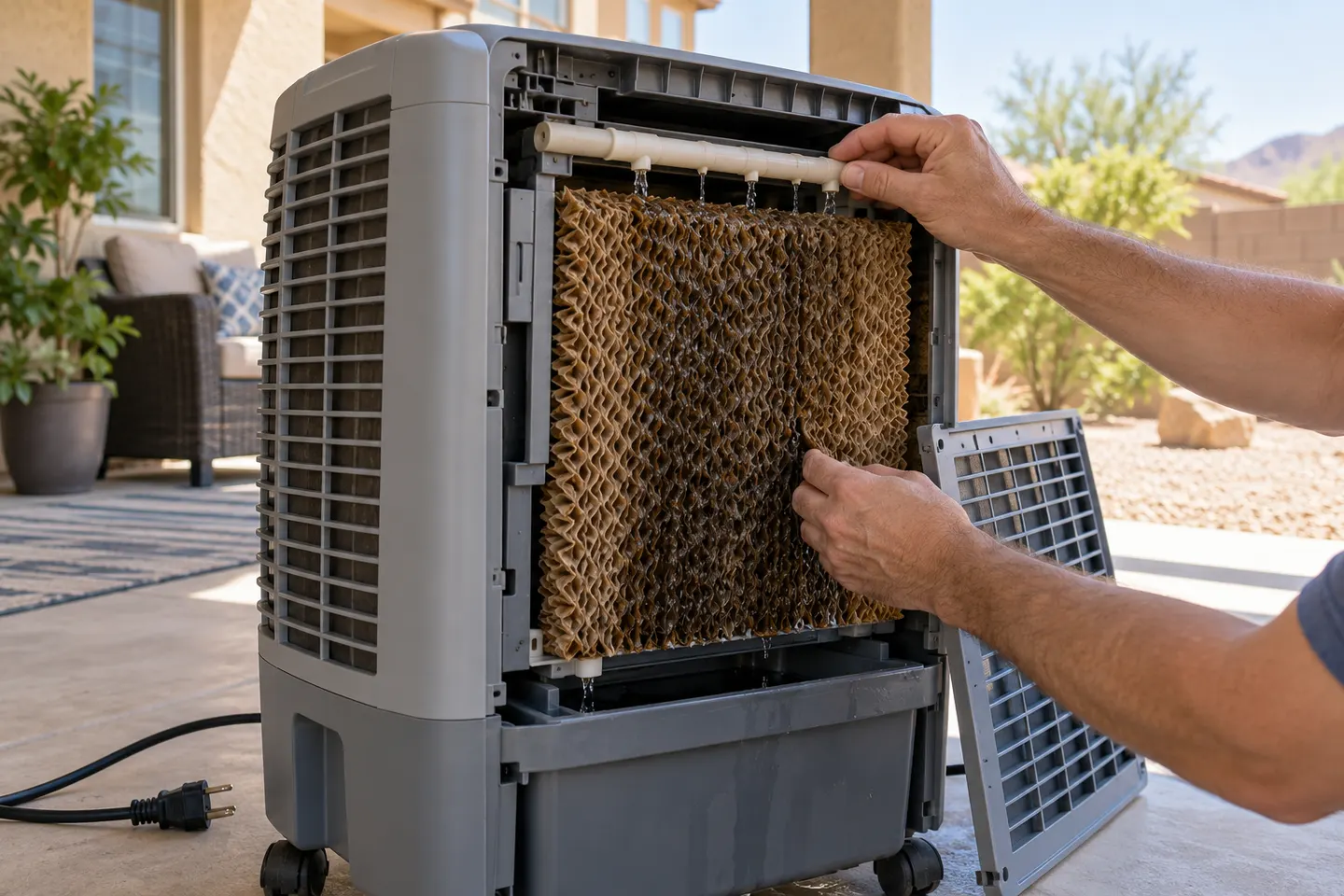 Swamp Cooler Not Blowing Cold Air
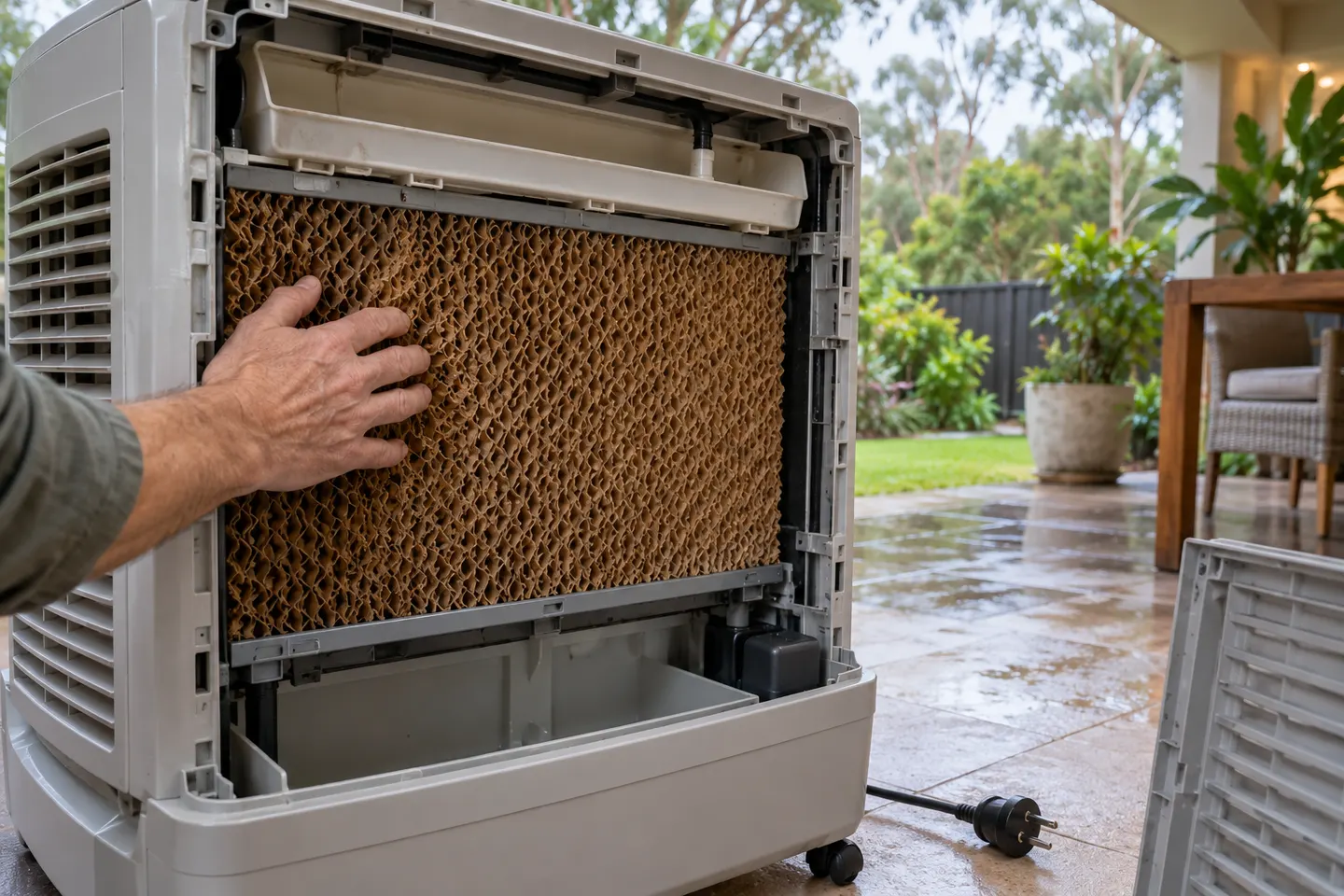 Swamp Cooler Blowing Hot Air
Common questions
Questions before you buy
Why is my evaporative cooler blowing warm air?
Check that the pump is on, the reservoir has water and the cooling media is evenly wet. High humidity, blocked airflow or an open hot-air path can also limit the cooling effect.
Should cooler pads be wet before using the fan?
For cooling mode, water must reach the media; follow the model’s startup instructions so the pads become evenly wet. Fan-only mode does not provide evaporative cooling.
Can high humidity make an evaporative cooler feel warm?
Yes. Moist air evaporates less readily, reducing evaporative cooling. These units generally work best with dry air and adequate ventilation.
When should I replace the cooling pads?
Use the manufacturer’s inspection and replacement guidance. Replace media that is damaged, persistently clogged or unevenly wet after cleaning and checking water flow.