









 Official manufacturer image
Our picks
Top picks
Official manufacturer image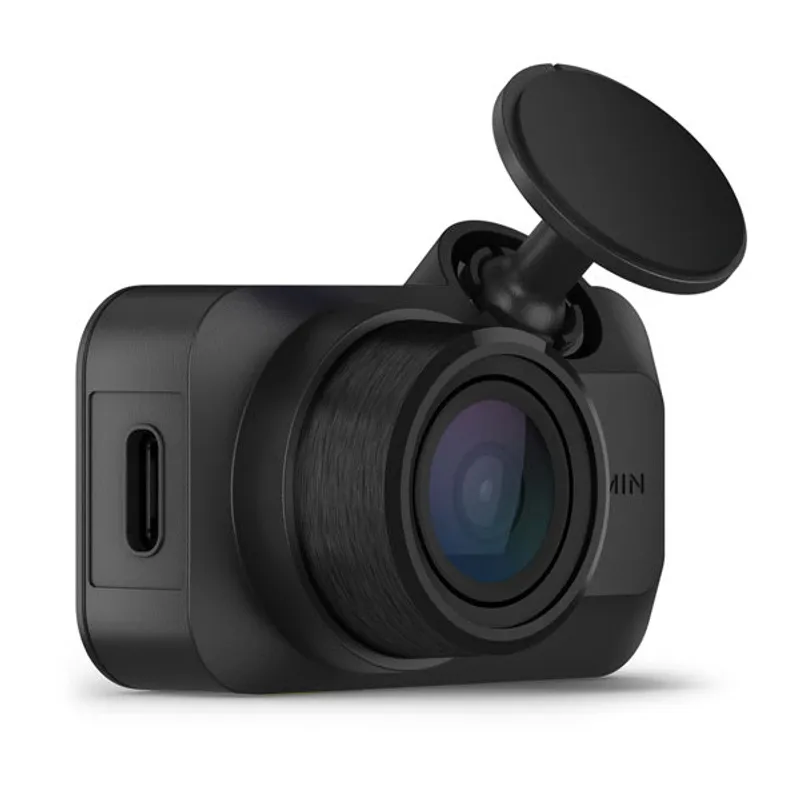 Official manufacturer image
Garmin Dash Cam Mini 3
Check price on Amazon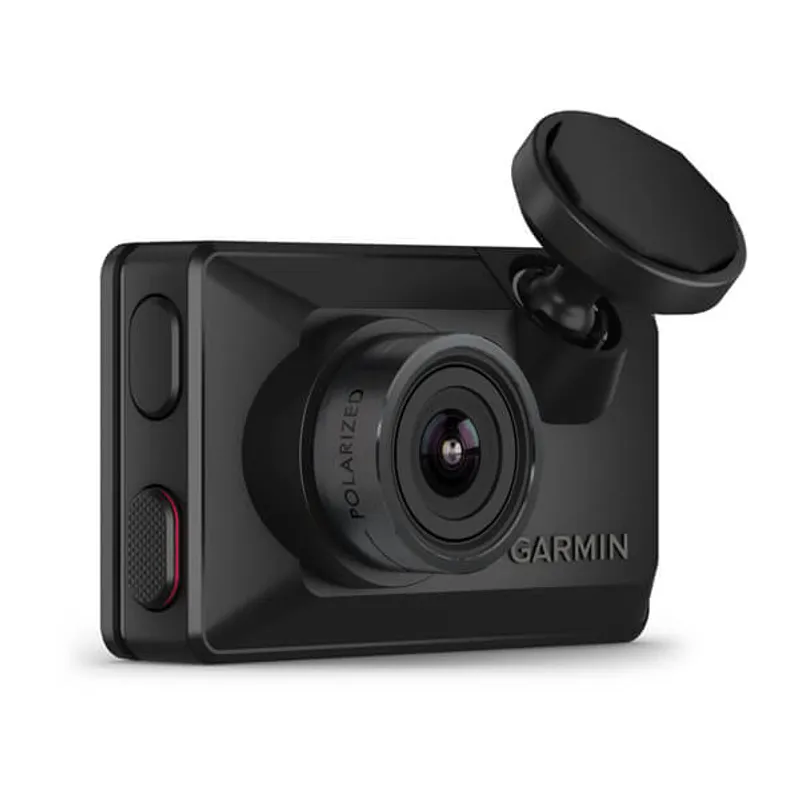 Official manufacturer image
Garmin Dash Cam X310
Check price on AmazonBy vehicle
Installation and accessories
How-to guides
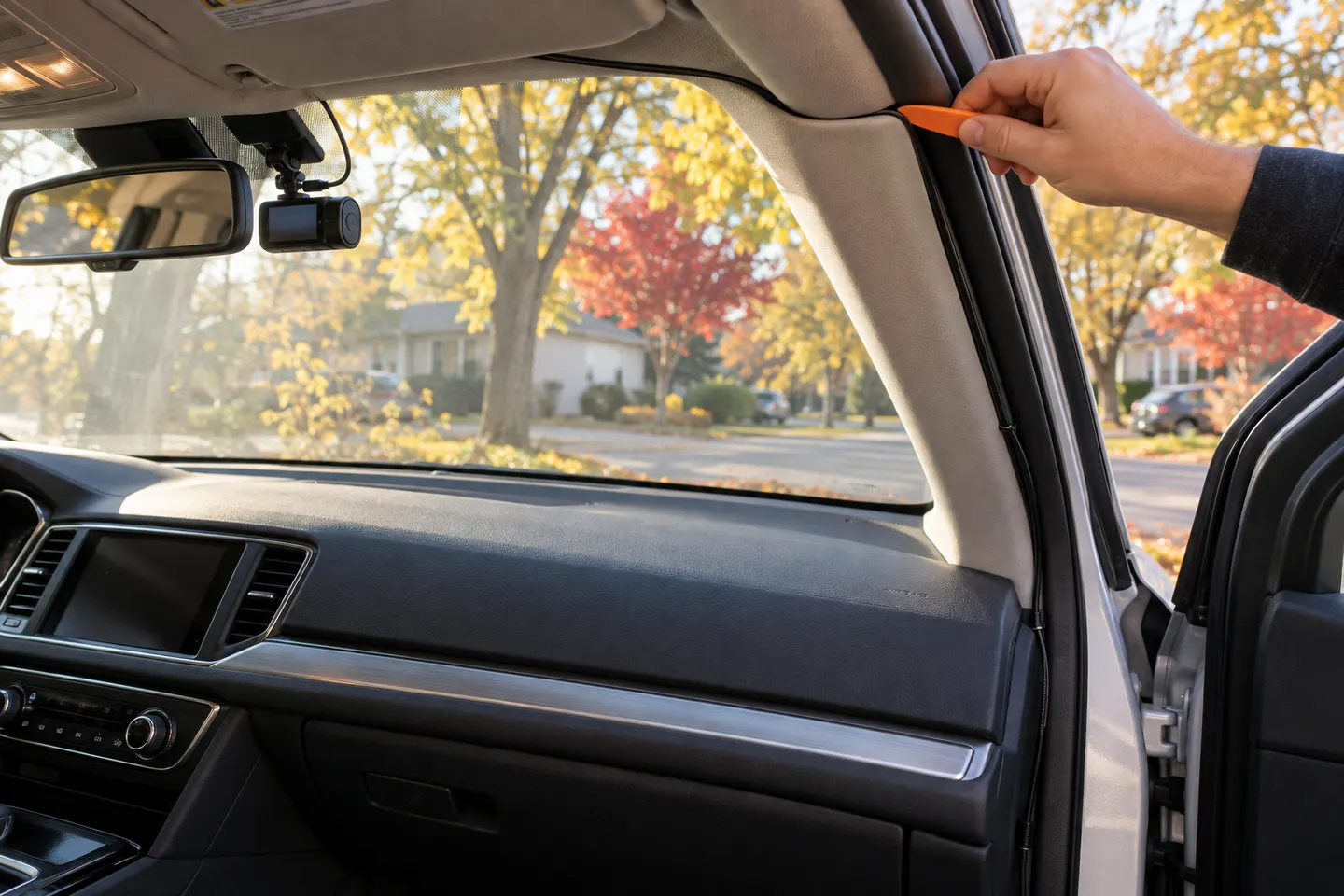 How to Wire a Dashcam Safely
More topics
Common questions
Questions before you buy
What size wire clips do I need for a dashcam?
Measure the cable's outside diameter and choose a clip whose channel holds it securely without pinching. Flat rear-camera cables may need a different clip from round power leads.
Do adhesive dashcam cable clips damage trim?
They can mark delicate, coated or aged surfaces. Check the adhesive maker's surface guidance and test an inconspicuous area before permanent placement.
Can dashcam wire go behind the A-pillar trim?
Only when routed according to the vehicle's guidance and clear of the curtain airbag. If the safe route is unclear, use a qualified installer.
How far apart should dashcam wire clips be?
Use enough clips to stop sagging and movement, adding support near direction changes. Exact spacing depends on cable stiffness, surface shape and adhesive instructions.