Independent buying guidance · US editionHow we work
Gearjury
All categories
All categories
Best picksGood Meat Thermometers for Every Kind of Cook
Best picksBest Dash Cams for Cars in 2026
Best picksBest WiFi Extenders: Which Range Extender Should You Buy?
Best picksBest Radar Detectors for Cars: Models Compared
Best picksGood Winter Gloves for Cold Weather: Five Useful Picks
Best picksBest Headlamps: Six Lights Compared for Different Uses
Best picksBest Portable Air Coolers for Patios, Workshops and Small Spaces (2026)
Best picksTop 10 Best Battery-Powered Weed Eaters for Different Yards
Best picksBest Air Purifier for Bedroom in the US: Quiet Models Compared
United StatesEnglish

Gearjury may earn a commission from qualifying purchases made through our links.

Best picks

The Best Place to Put a Meat Thermometer in a Turkey

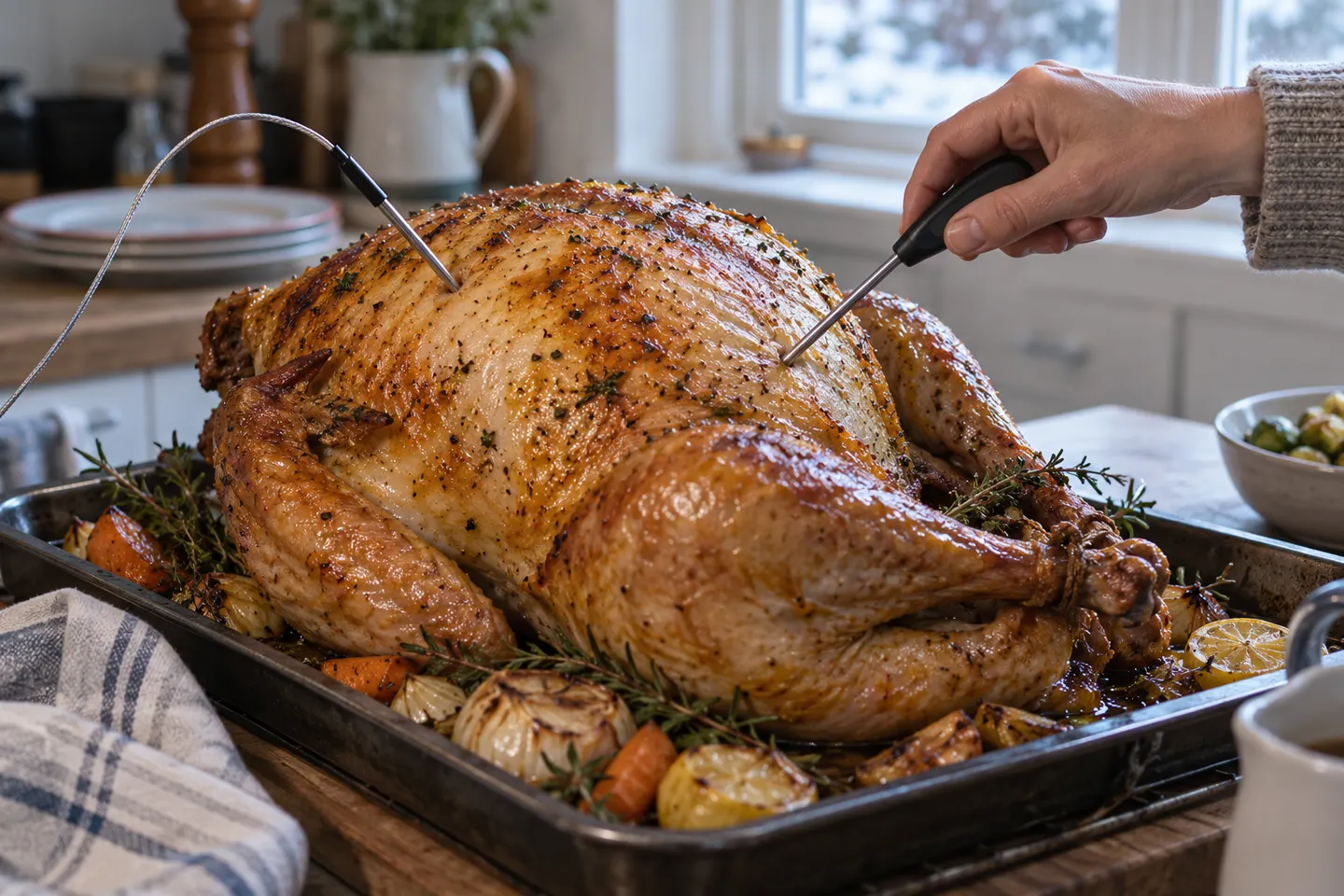
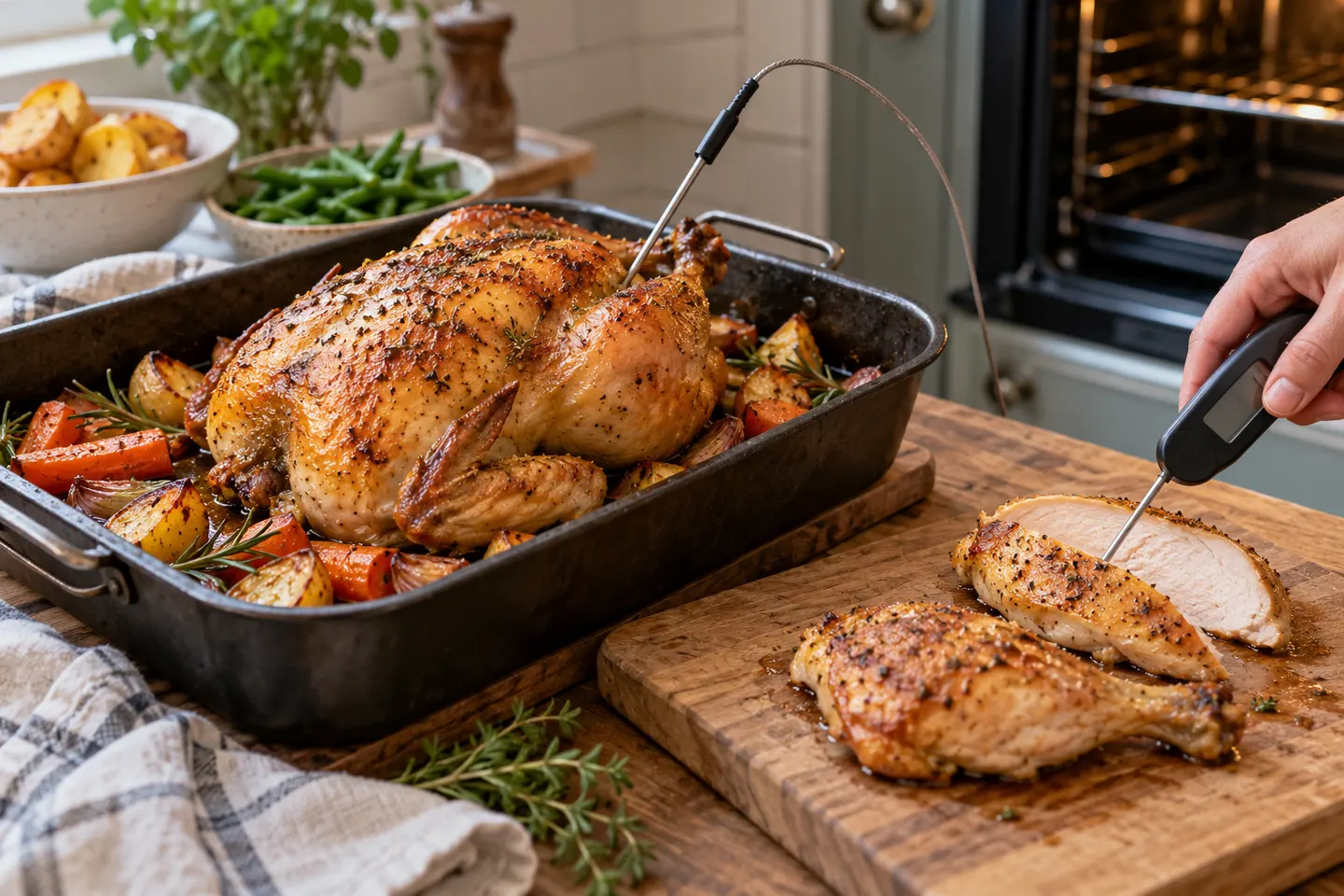
The best place to put a meat thermometer in turkey is not a single spot. Check the innermost thigh, innermost wing, and thickest breast; each must reach 165°F, and the probe must not touch bone.

Quick answer

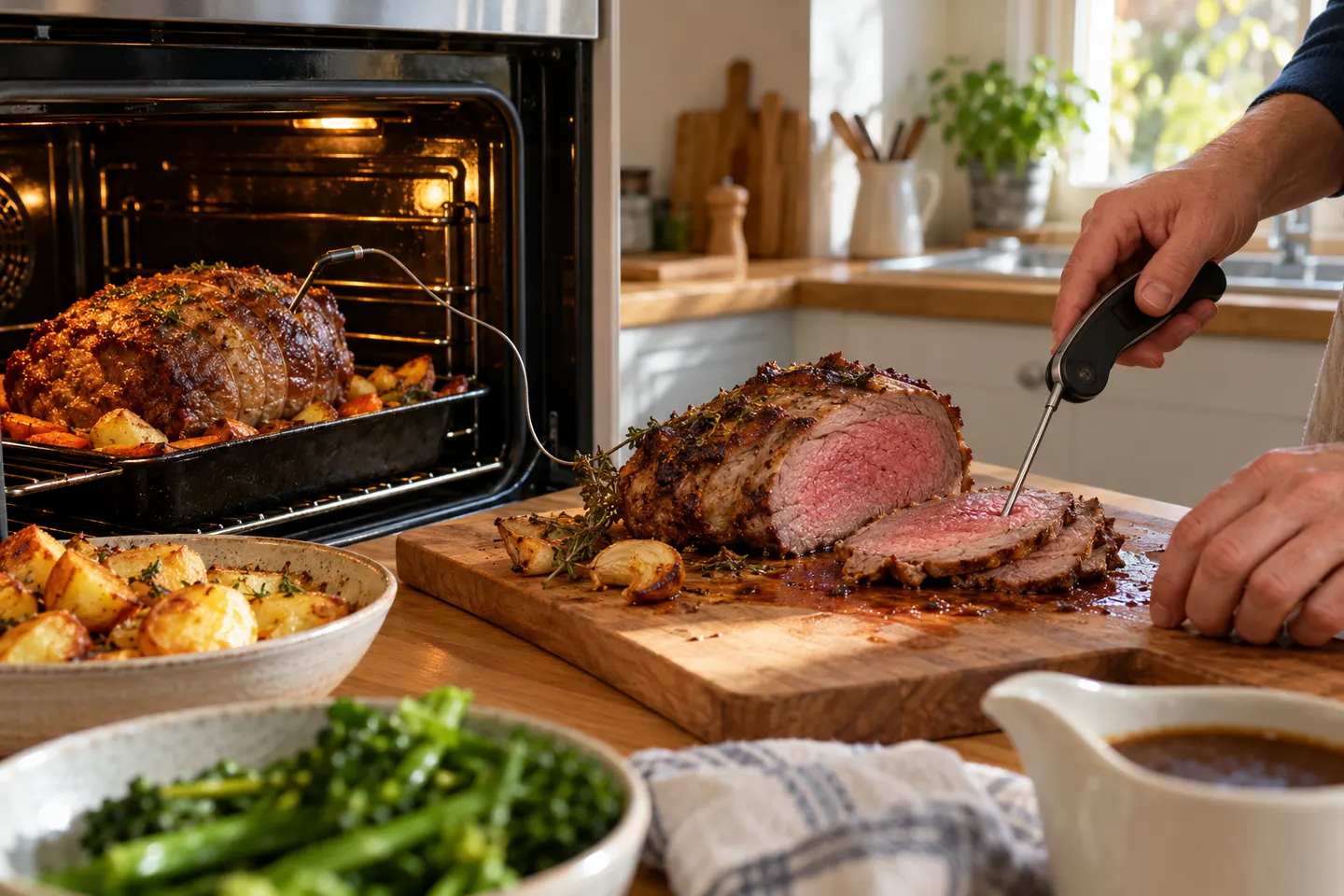
For a whole turkey, check three places: the innermost thigh, the innermost wing, and the thickest part of the breast. Insert the sensing area into the center of the meat without touching bone, and confirm 165°F in all three locations. ThermoWorks Thermapen ONE is our top pick for fast spot checks; ThermoWorks DOT suits continuous oven monitoring, while MEATER Pro removes the cable.

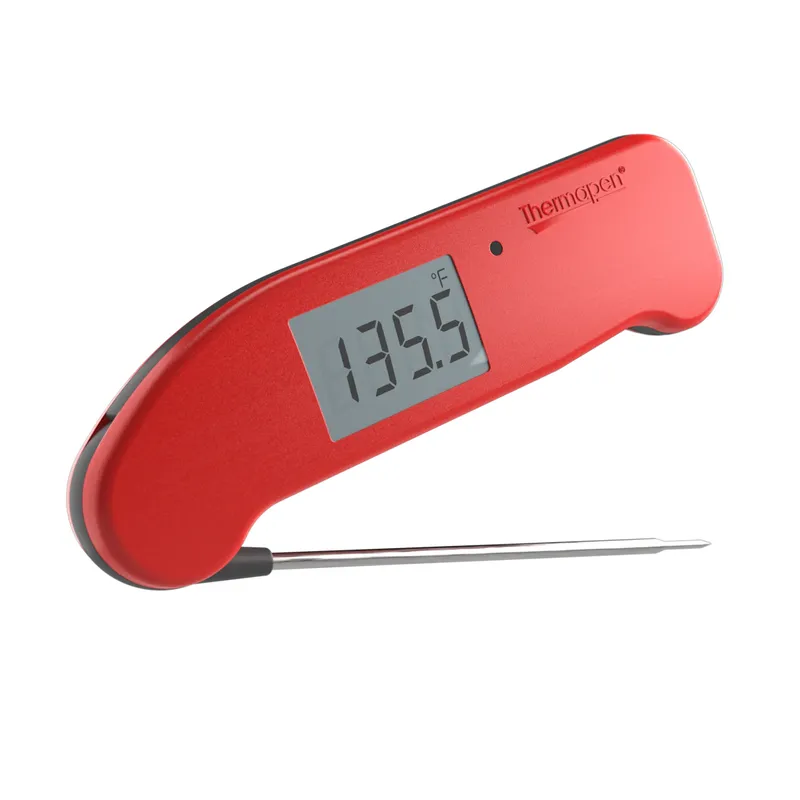
01ThermoWorks Thermapen ONEOfficial manufacturer image

Best for checking all three turkey locations

ThermoWorks Thermapen ONE

  • The manufacturer specifies a one-second response, which helps when mapping the coolest point across the breast and joints.
  • Its 4.3-inch folding probe is rated to ±0.5°F from -4°F to 248°F.

Drawback: It is an instant-read tool, so it cannot stay in the turkey during roasting.

Check price on AmazonSponsored link · no live price shown
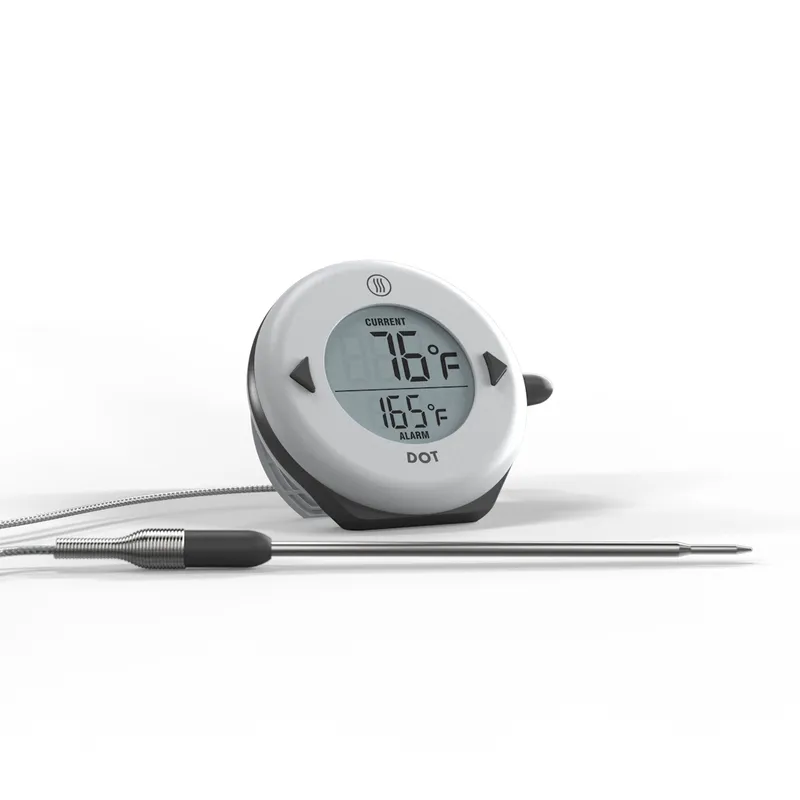
02ThermoWorks DOTOfficial manufacturer image

Best for simple leave-in breast monitoring

ThermoWorks DOT

  • The 4.5-inch probe can remain in the thickest part of the breast while the 47-inch cable reaches the display outside the oven.
  • A 70 dB alarm sounds at the temperature you set.

Drawback: Its single channel watches only one location, so the thigh and wing still need separate checks.

Check price on AmazonSponsored link · no live price shown
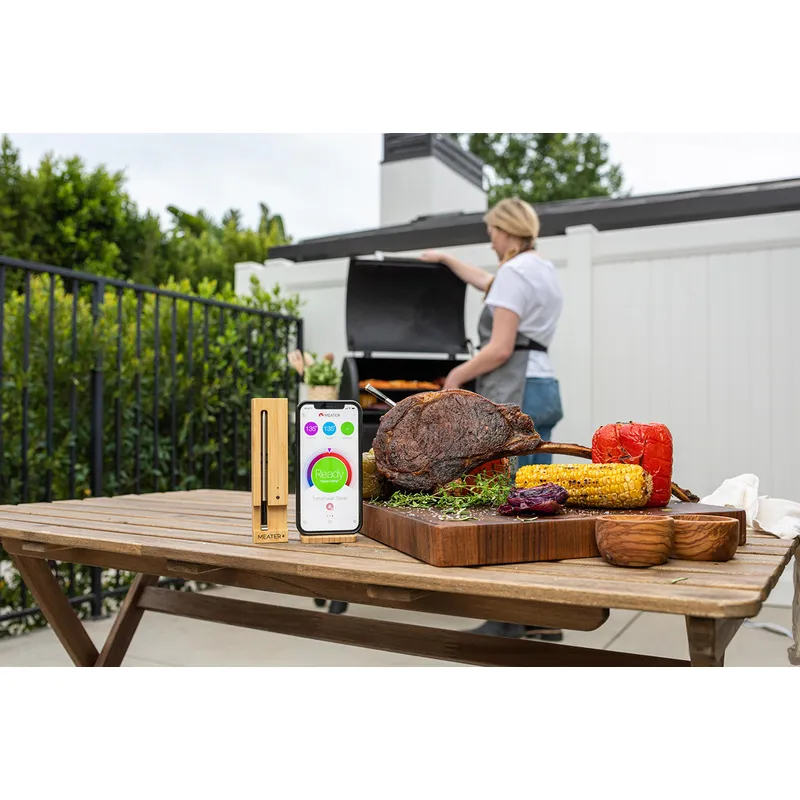
03MEATER ProOfficial manufacturer image

Best for cable-free roasting

MEATER Pro

  • Five internal sensors along the probe report the lowest internal reading, helping reduce placement error.
  • The probe is waterproof and uses Bluetooth 5.2 with a charger that acts as a range booster.

Drawback: One probe continuously follows one zone, so you must reposition it or use another thermometer to verify the other two required locations.

Check price on AmazonSponsored link · no live price shown
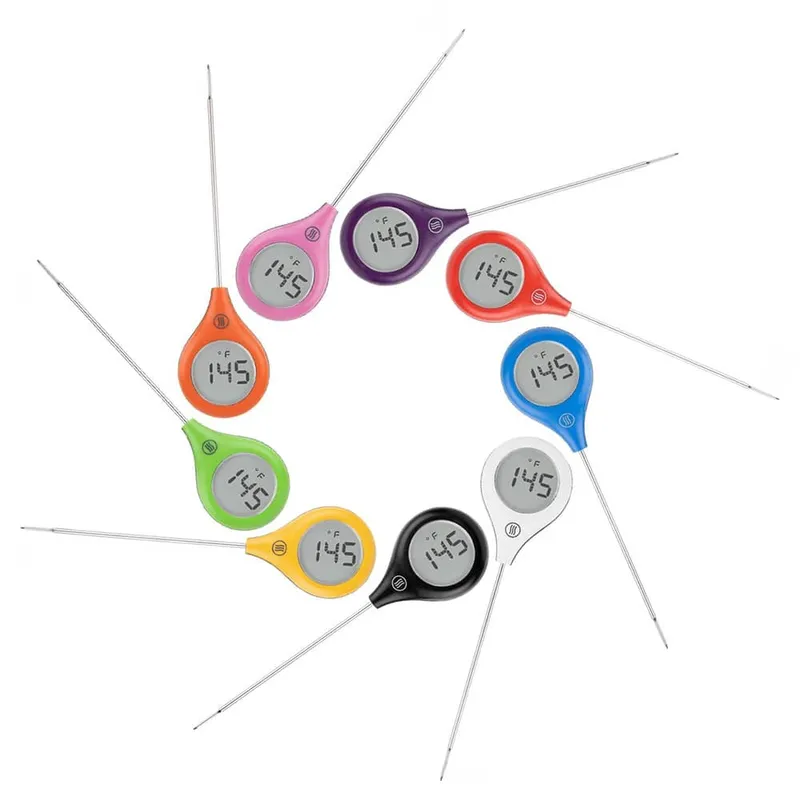
04ThermoWorks ThermoPop 2Official manufacturer image

Best for an easy instant-read check

ThermoWorks ThermoPop 2

  • The 4.5-inch version responds in two to three seconds and is specified to ±1°F across the main cooking range.
  • Its rotating backlit display is readable from different approach angles around a large roasting pan.

Drawback: It is slower than Thermapen ONE and should not be left inside the oven.

Check price on AmazonSponsored link · no live price shown
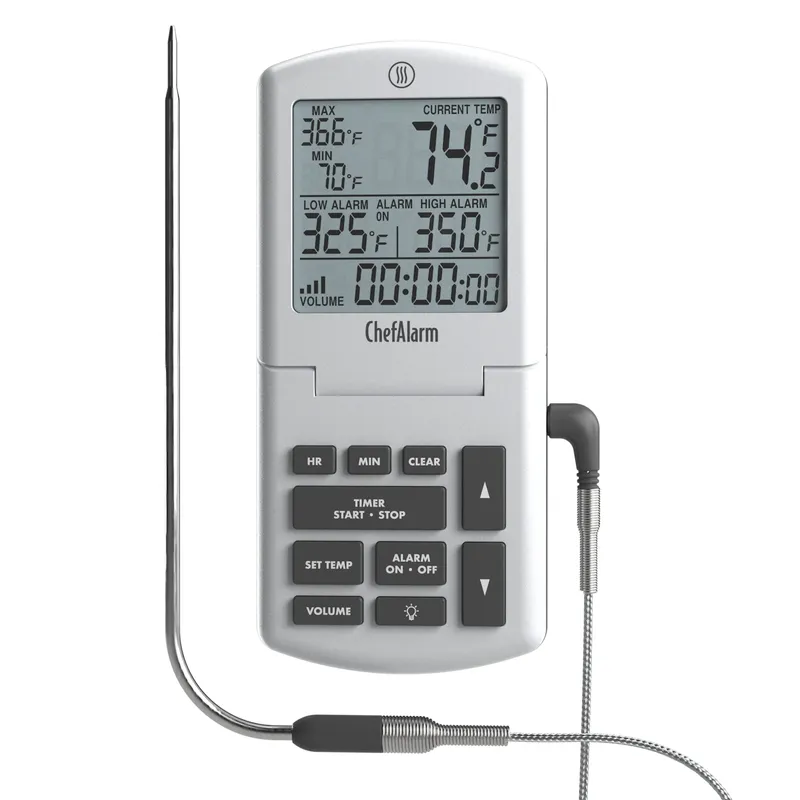
05ThermoWorks ChefAlarmOfficial manufacturer image

Best for a loud leave-in alarm

ThermoWorks ChefAlarm

  • Its adjustable alarm reaches 92 dB, useful when you are working away from the oven.
  • The 6-inch probe and 47-inch cable support continuous monitoring of the thickest breast area.

Drawback: The single probe does not replace final spot checks in the thigh and wing.

Check price on AmazonSponsored link · no live price shown

Compare them side by side

ThermoWorks Thermapen ONEOfficial manufacturer imageThermoWorks Thermapen ONEThermoWorks DOTOfficial manufacturer imageThermoWorks DOTMEATER ProOfficial manufacturer imageMEATER ProThermoWorks ThermoPop 2Official manufacturer imageThermoWorks ThermoPop 2ThermoWorks ChefAlarmOfficial manufacturer imageThermoWorks ChefAlarm
Thermometer styleInstant-readWired leave-inWireless leave-inInstant-readWired leave-in
Best turkey roleThree-location final checkContinuous breast monitoringCable-free breast monitoringThree-location spot checkContinuous monitoring with loud alert
Stated accuracy in turkey-cooking range±0.5°F±1.8°F±0.5°F±1°F±1.8°F
Probe length4.3 inches4.5 inches5.12 inches4.5 inches6 inches
Can remain in ovenNoYes, probe onlyYes, probe onlyNoYes, probe only
Main placement limitationRequires manual checksOne location at a timeOne location at a timeRequires manual checksOne location at a time
Check price on AmazonCheck price on AmazonCheck price on AmazonCheck price on AmazonCheck price on Amazon

Common questions

Questions before you buy

Where exactly should a meat thermometer go in a turkey?

Check the innermost part of the thigh, the innermost part of the wing, and the thickest part of the breast. Aim for the center of the meat and keep the sensing area away from bone.

Can the thermometer touch the turkey bone?

No. Bone conducts heat differently from the surrounding meat and can distort the reading, so pull the probe back and angle it into the center of the muscle.

What temperature should all three turkey locations reach?

USDA guidance sets a safe minimum internal temperature of 165°F for the innermost thigh, innermost wing, and thickest breast. If the turkey is stuffed, the center of the stuffing must also reach 165°F.

Should I put a leave-in thermometer in the breast or thigh?

The thickest breast is usually the easiest place for continuous monitoring, provided the probe tip stays centered and off the breastbone. Before serving, verify the innermost thigh and wing as well.

How do I find the correct spot in the turkey thigh?

Insert the probe into the innermost part where the thigh meets the body, targeting the thickest muscle. If the reading changes sharply as you move the tip, take several readings and use the lowest stable one away from bone.

Do I need to check both sides of the turkey?

USDA specifies the three anatomical locations rather than both sides, but checking the opposite breast and thigh is a sensible extra step when the bird has cooked unevenly or one side faced a hotter part of the oven.

Sources and how we chose