Read the thermometer's tolerance first
Find the model manual or specification sheet. The acceptable result is a range around the reference point, not necessarily a perfectly exact display.

 Best picksGood Meat Thermometers for Every Kind of Cook
 Best picksBest Dash Cams for Cars in 2026
 Best picksBest WiFi Extenders: Which Range Extender Should You Buy?
 Best picksBest Radar Detectors for Cars: Models Compared
 Best picksGood Winter Gloves for Cold Weather: Five Useful Picks
 Best picksBest Headlamps: Six Lights Compared for Different Uses
 Best picksBest Portable Air Coolers for Patios, Workshops and Small Spaces (2026)
 Best picksTop 10 Best Battery-Powered Weed Eaters for Different Yards
 Best picksBest Air Purifier for Bedroom in the US: Quiet Models Compared
Gearjury may earn a commission from qualifying purchases made through retailer links.
Guide
Use a dense ice-and-water mixture, keep the sensing area away from the container and compare the stable result with the model's published tolerance. A single casual glass of cold water is not a valid accuracy test.
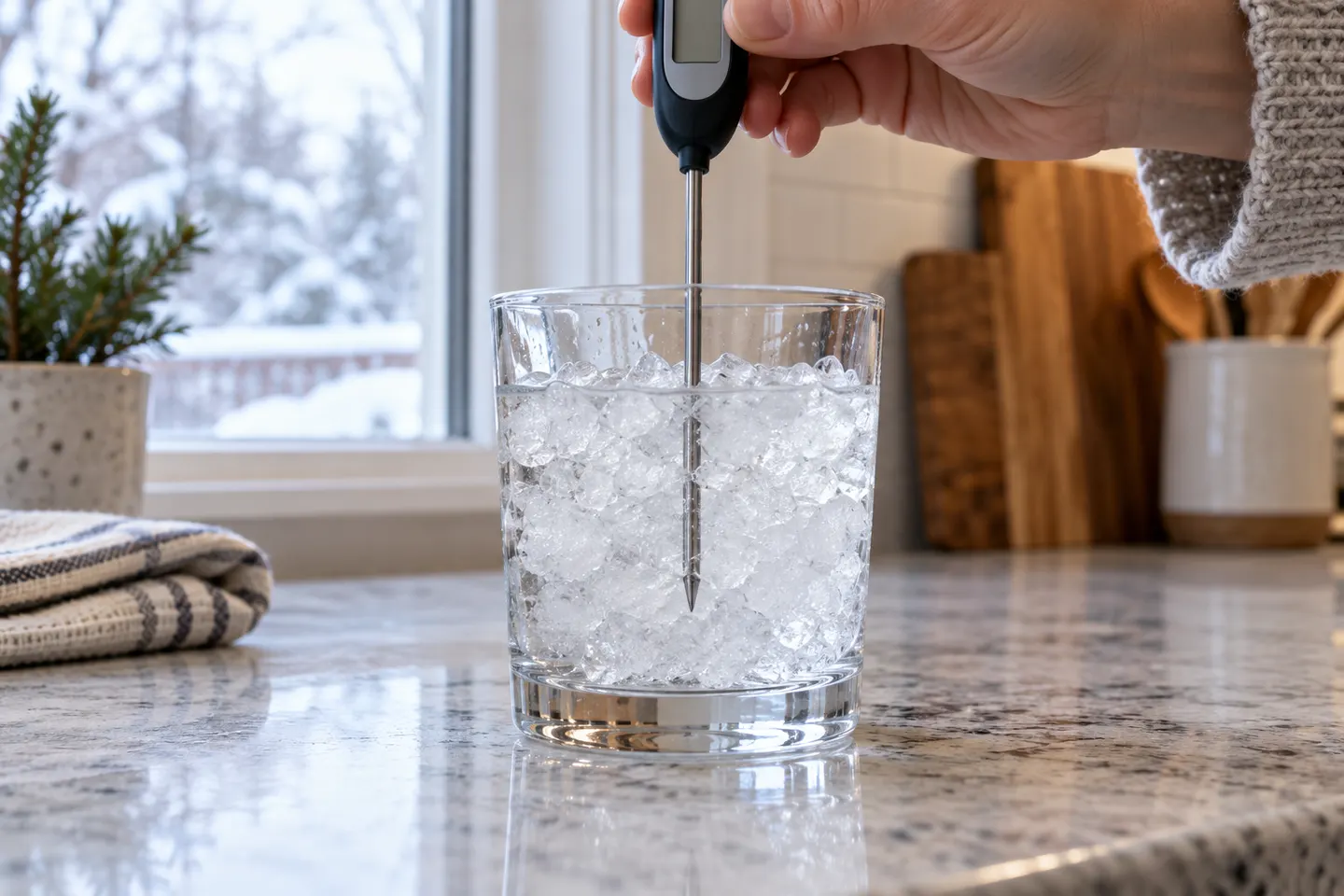
Find the model manual or specification sheet. The acceptable result is a range around the reference point, not necessarily a perfectly exact display.
Fill a container with crushed or small ice, add enough clean water to fill the spaces and stir. The mixture should remain packed with ice rather than becoming mostly water.
Immerse the probe to the required depth without touching the bottom or sides. Keep the connector and display dry unless their instructions permit immersion.
Stir gently and allow the display to settle for the time specified by the maker. Record the result while the probe remains in position.
At sea-level ice point, the reference is 32°F. Decide pass or fail using the instrument's published tolerance, not a tolerance borrowed from another model.
Turn a calibration nut or apply an offset only if the instructions allow it. Repeat the test afterward; a non-adjustable thermometer that remains outside specification needs manufacturer guidance or replacement.
Common questions
Use a densely packed ice-and-water mixture, immerse the sensing area without touching the container, stir and wait for a stable reading.
The reference point is 32°F, but the instrument may have a stated allowable tolerance. Judge it against the model's specification.
Yes, when its range and procedure permit it, but boiling point varies with altitude and atmospheric pressure and the process presents a burn risk.
Follow workplace rules and manufacturer guidance, and recheck after a drop, temperature shock, suspected damage or an implausible reading.
Keep exploring
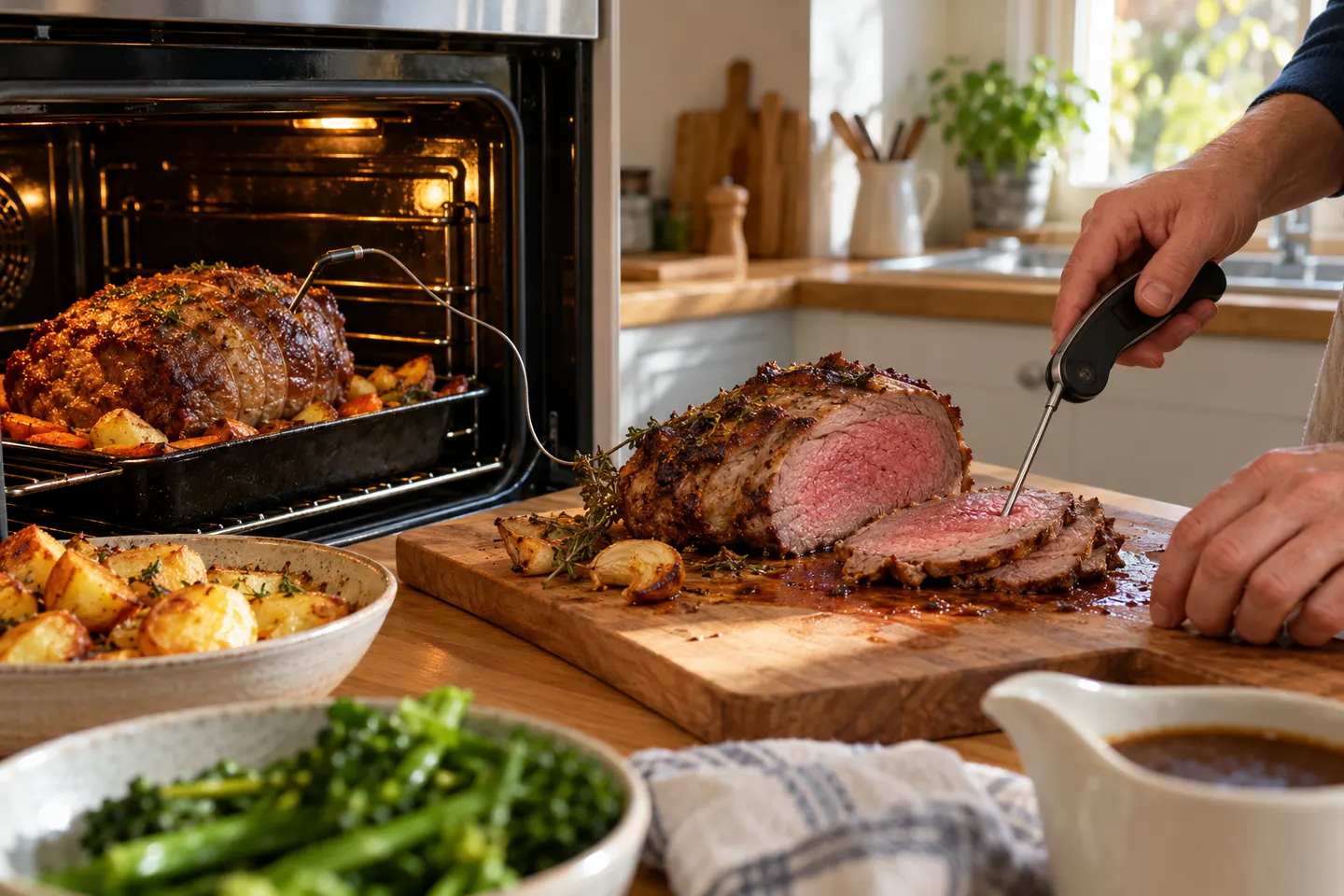
Start with a dependable instant-read thermometer; add a leave-in or wireless probe when you want continuous monitoring.
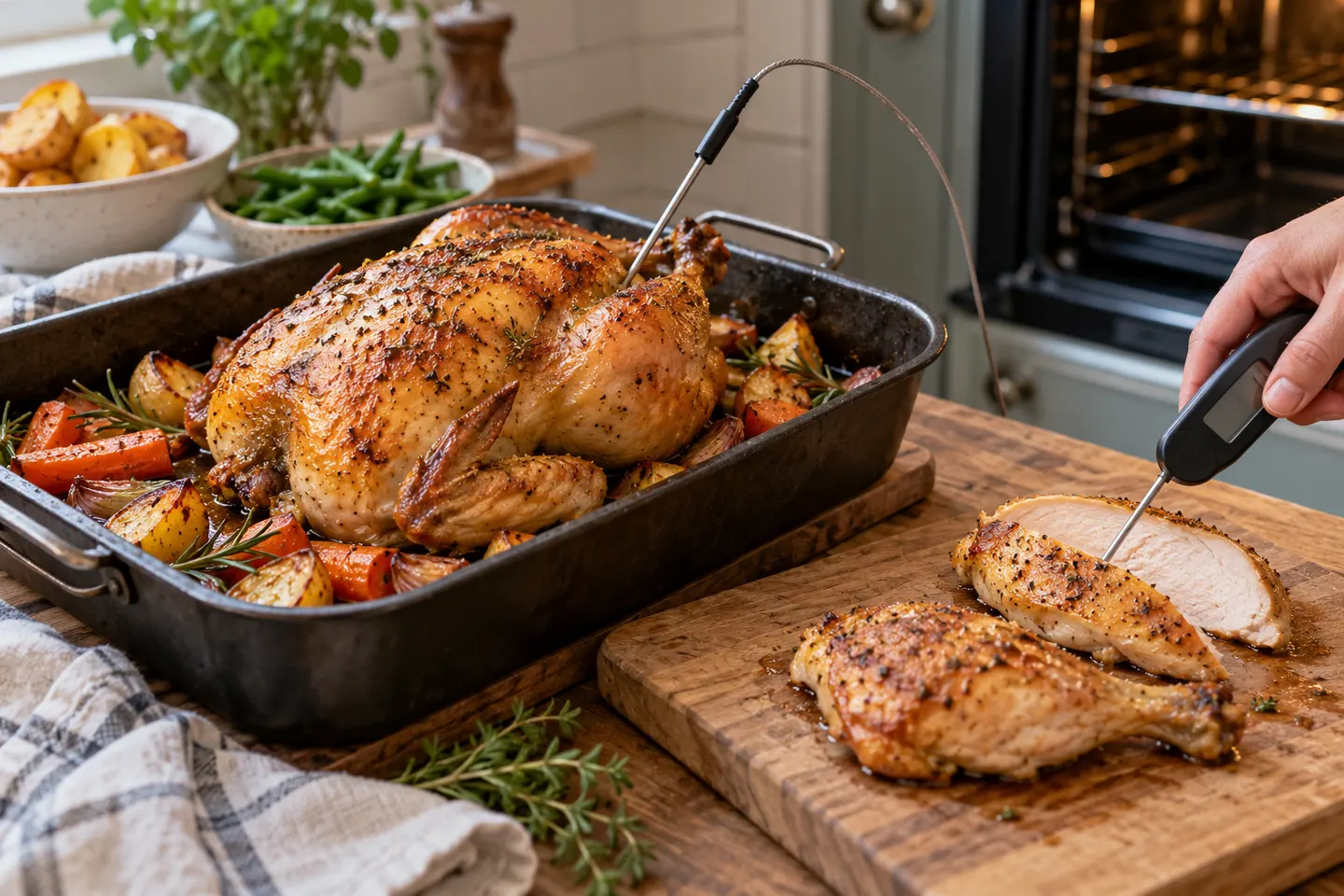
A fast, thin probe works well for portions; a heat-safe leave-in probe makes a whole roast easier to monitor.
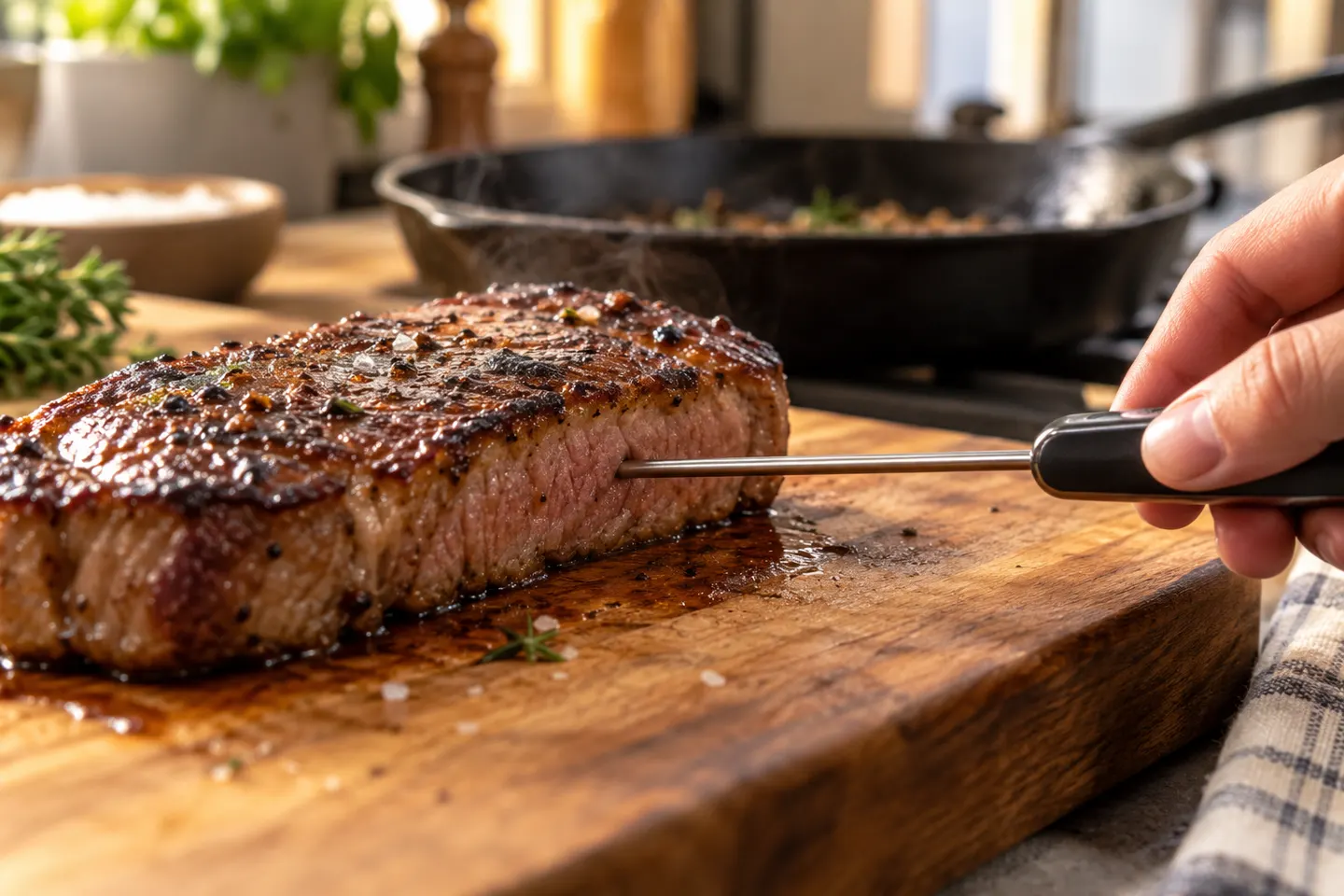
A fast instant-read probe is the most practical choice for steaks; insert it from the side into the center.
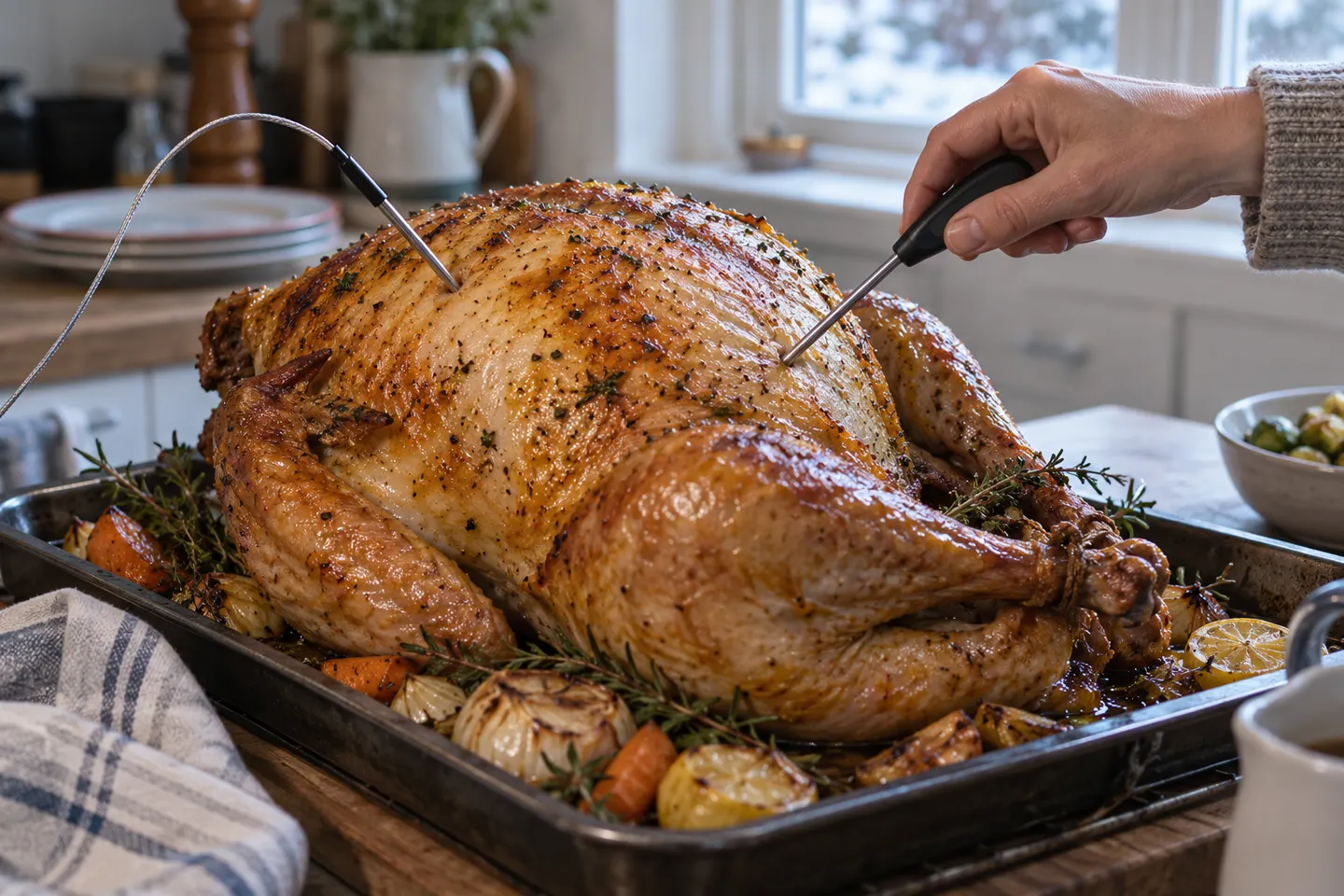
Use a leave-in probe to track the cook and an instant-read model to check more than one spot before serving.