









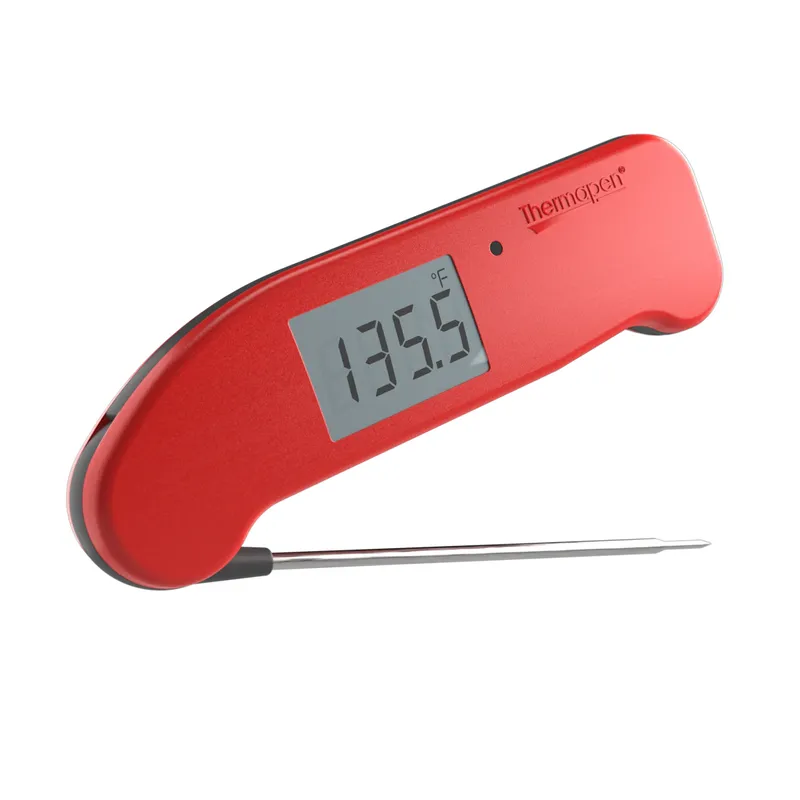
 Official manufacturer image
Our picks
Top picks
Official manufacturer image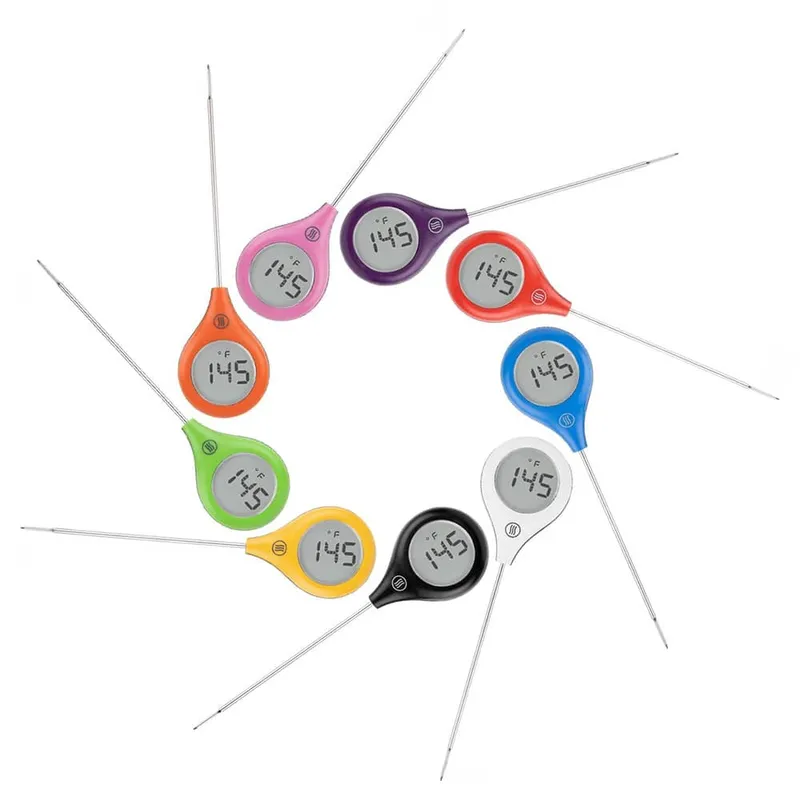 Official manufacturer image
ThermoWorks ThermoPop 2
Check price on Amazon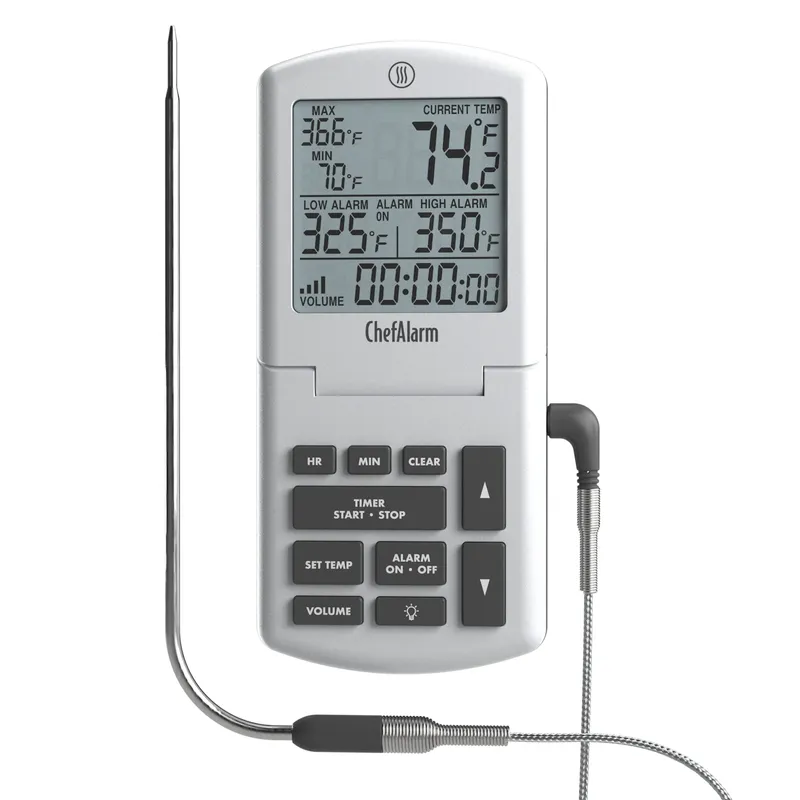 Official manufacturer image
ThermoWorks ChefAlarm
Check price on AmazonMore topics
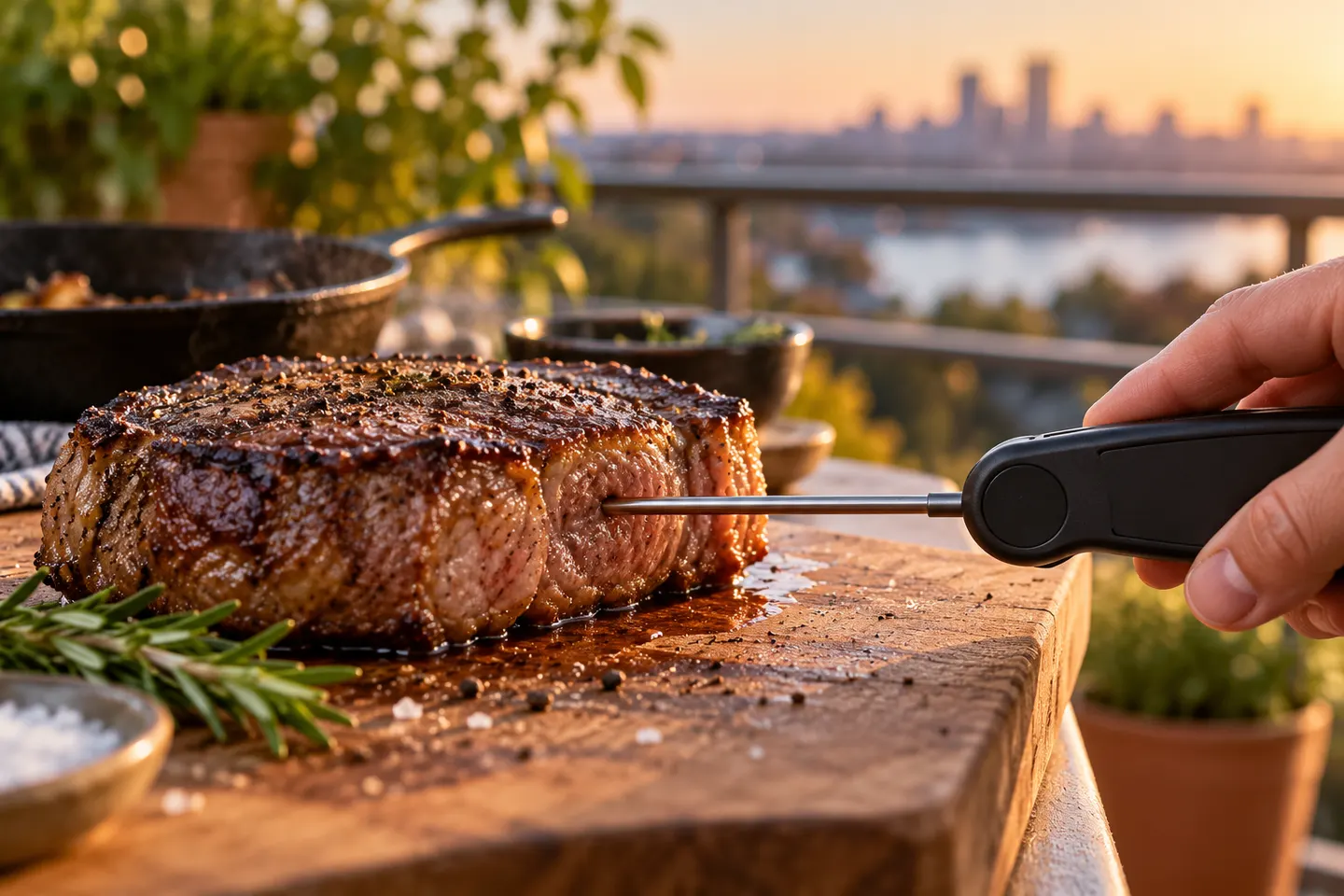 Meat Thermometers for Medium-Rare Cooking
Common questions
Questions before you buy
What thermometer works best for medium-well steak?
A fast, thin-tip instant-read thermometer is easy to place through the side into the center of a steak.
Should I remove meat before it reaches my final temperature?
Temperature may continue rising during rest, but the amount varies with size, heat and cooking method. Measure rather than relying on a fixed carryover allowance.
Is medium-well the same temperature for every meat?
No. Doneness language is commonly applied to intact beef steaks and roasts; safe minimum temperatures differ for ground meat, poultry and other foods.
Where should I probe a steak for medium-well doneness?
Insert from the side so the sensing tip reaches the center of the thickest section, clear of bone and large pockets of fat.