









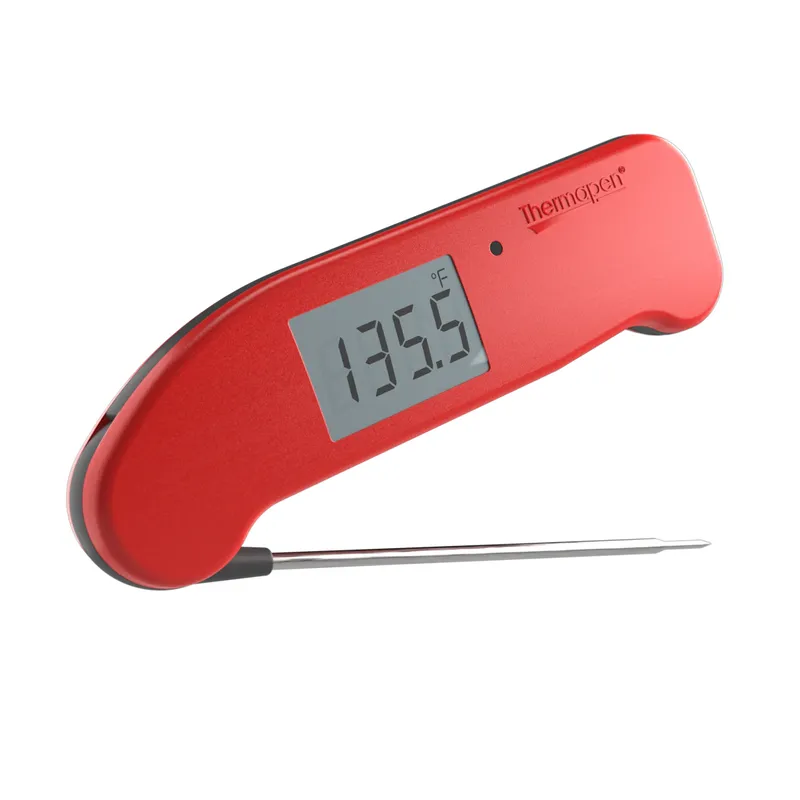
 Official manufacturer image
Our picks
Top picks
Official manufacturer image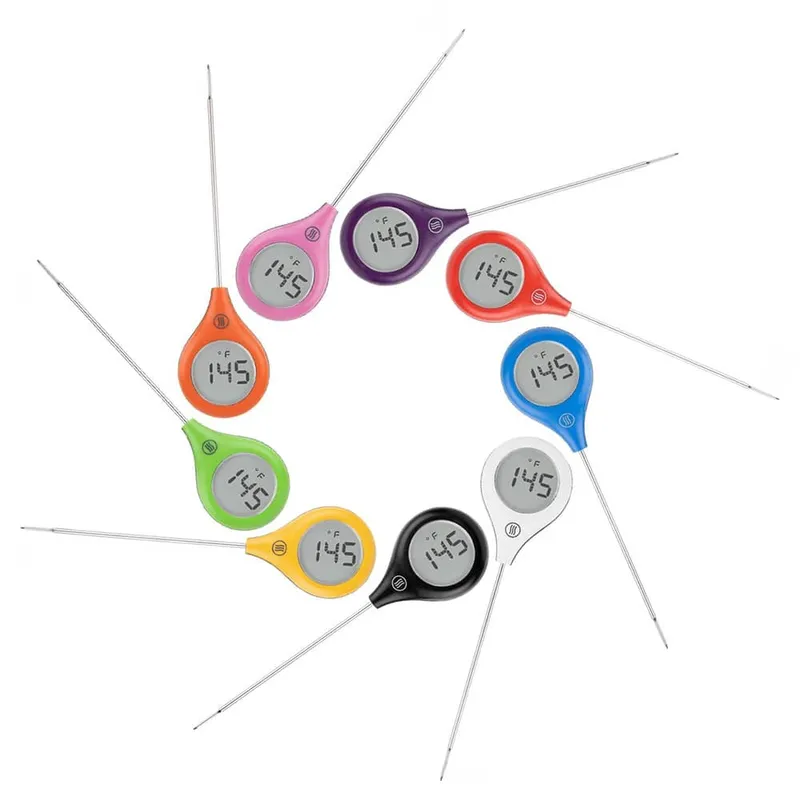 Official manufacturer image
ThermoWorks ThermoPop 2
Check price on Amazon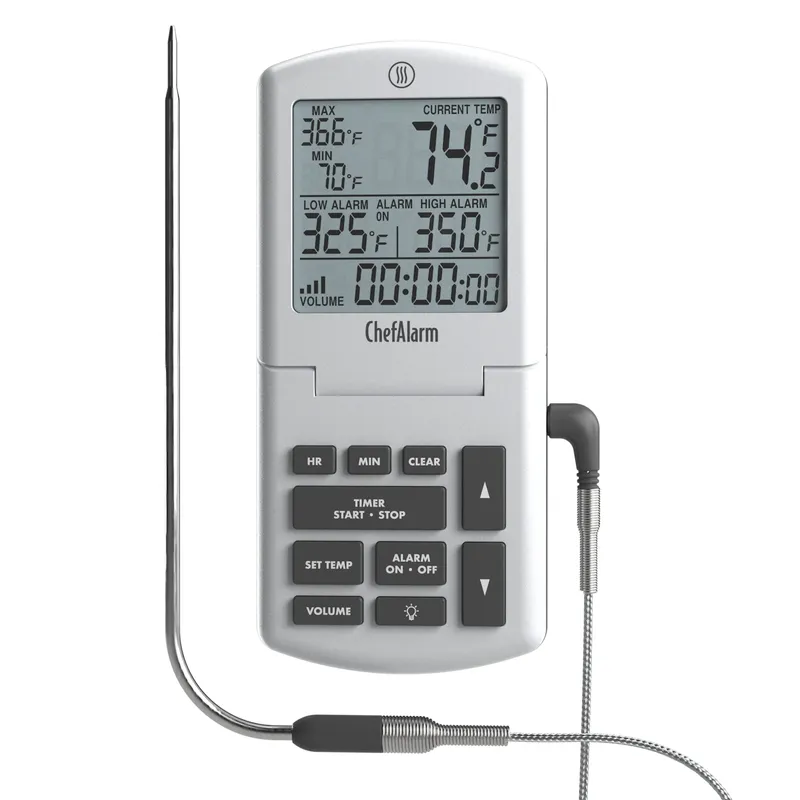 Official manufacturer image
ThermoWorks ChefAlarm
Check price on AmazonCommon questions
Questions before you buy
What is the smallest useful food thermometer?
A pocket instant-read thermometer can be very compact, but it still needs a probe long enough to reach the center of your food without putting your hand near the heat.
Can a small food thermometer measure a thin burger?
Yes, if it has a fine tip and a short sensing area. Insert it through the side so the sensor reaches the center.
Is a small dial thermometer suitable for chicken breast?
Many bimetal dial models sense along a long section of stem, which makes them a poor match for thin food. A tip-sensitive digital probe is usually easier to position.
How should a pocket food thermometer be stored?
Clean and dry the stem, fold it away or fit its sheath, and keep it where the probe cannot be bent or contaminate other utensils.