









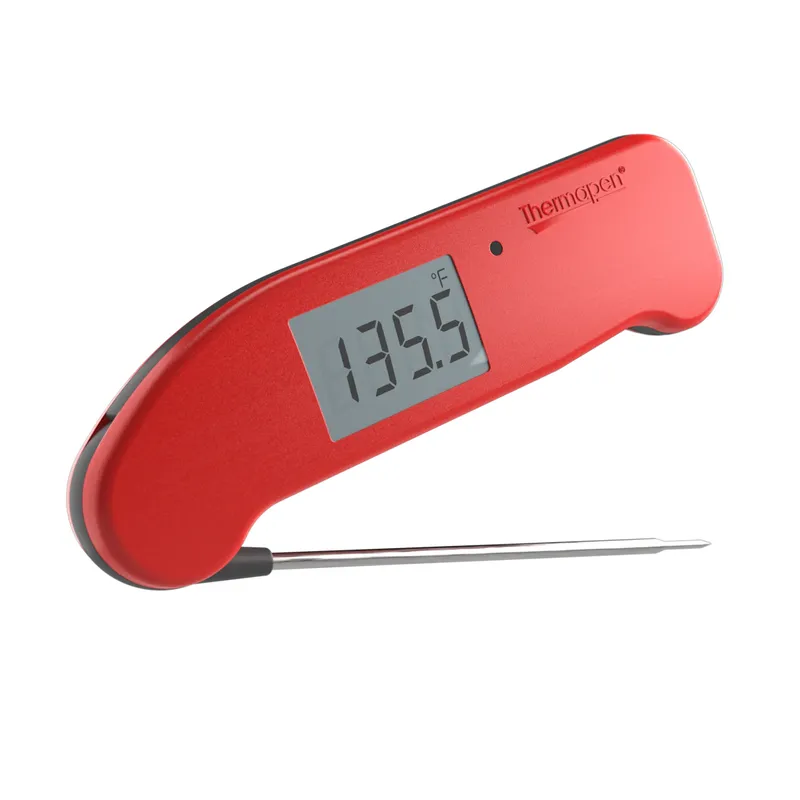
 Official manufacturer image
Our picks
Top picks
Official manufacturer image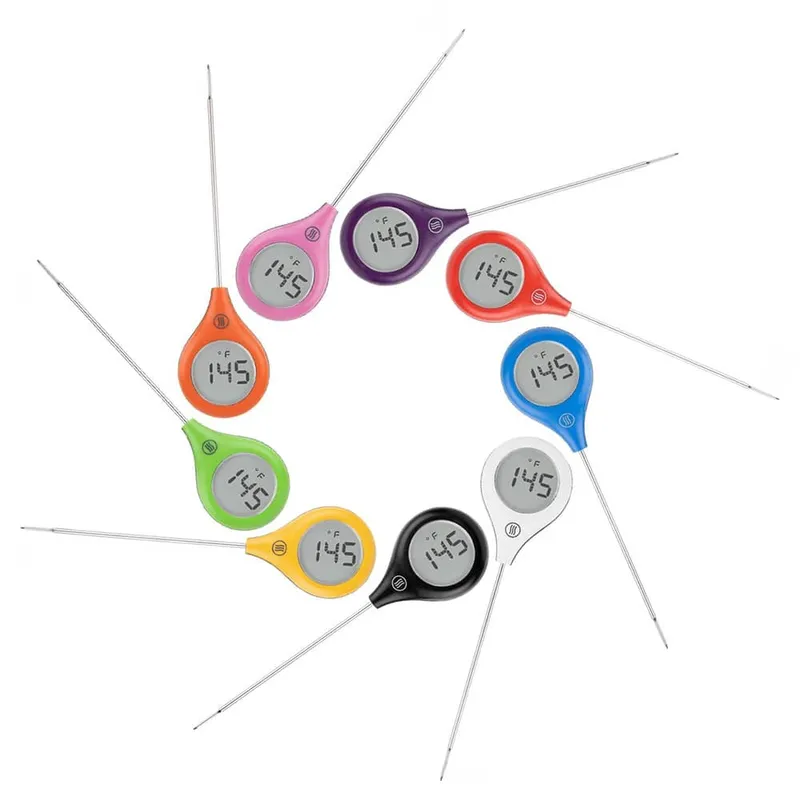 Official manufacturer image
ThermoWorks ThermoPop 2
Check price on Amazon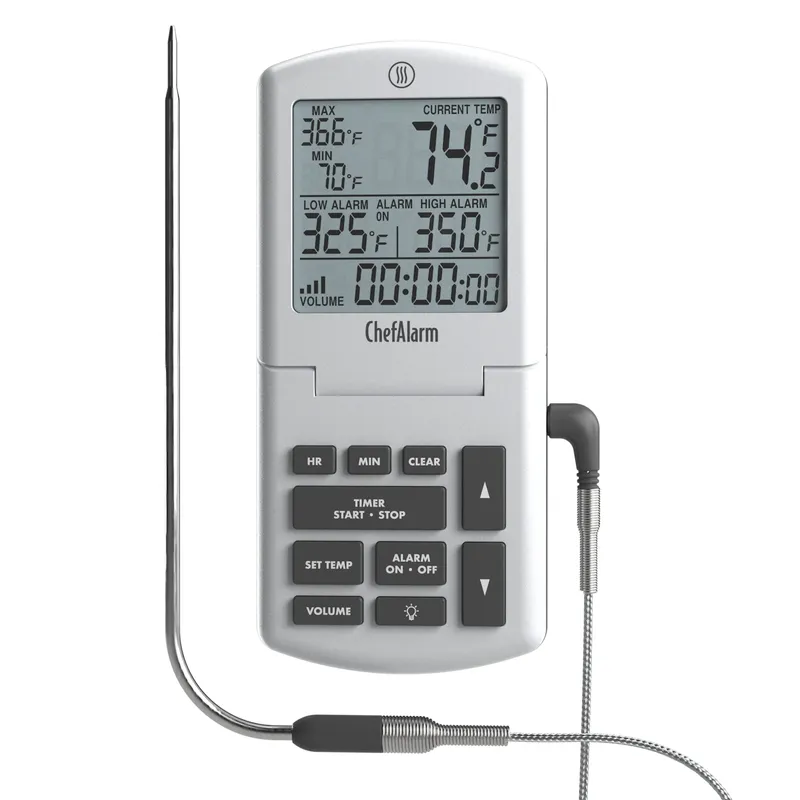 Official manufacturer image
ThermoWorks ChefAlarm
Check price on AmazonHow-to guides
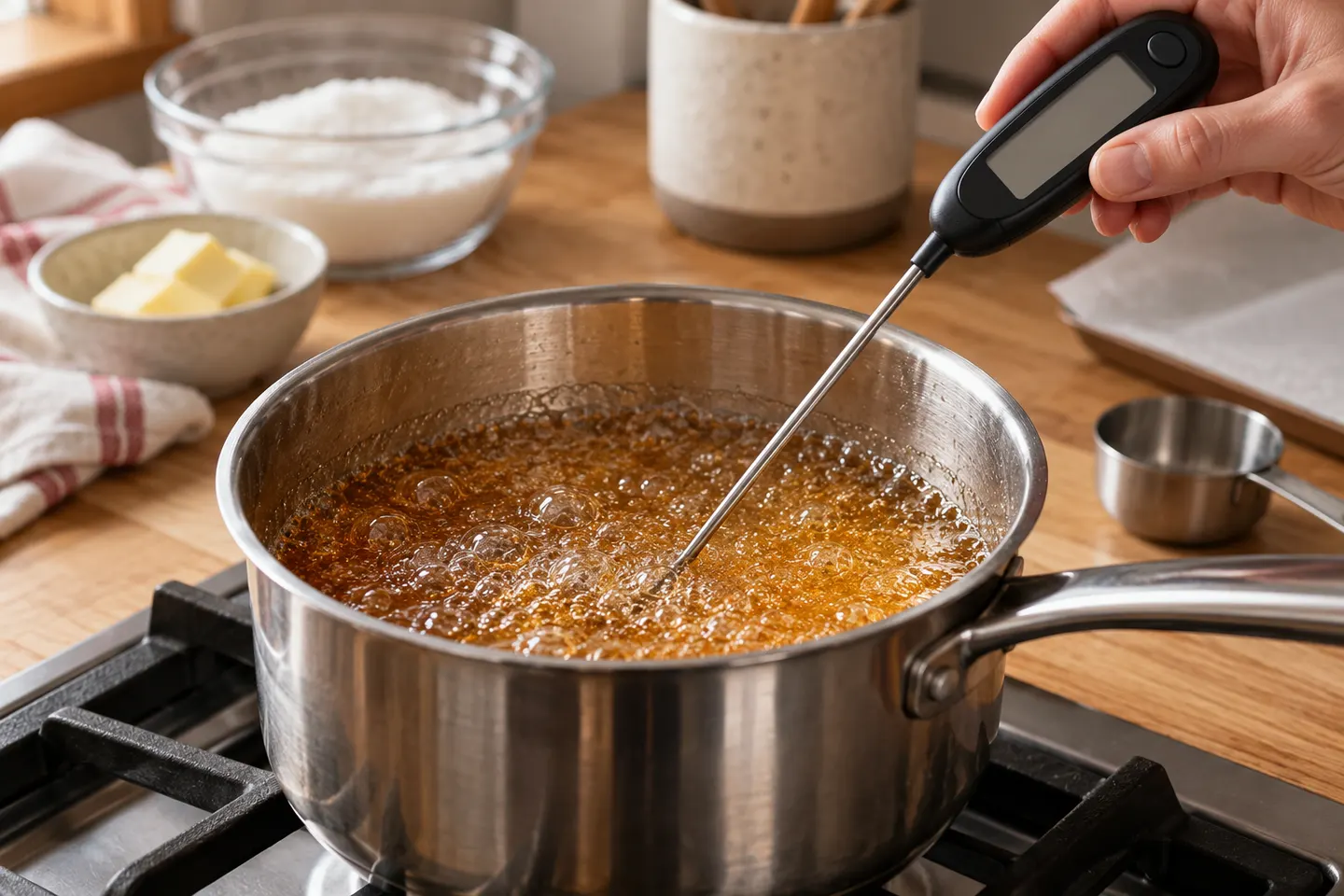 Can a Meat Thermometer Be Used for Candy?
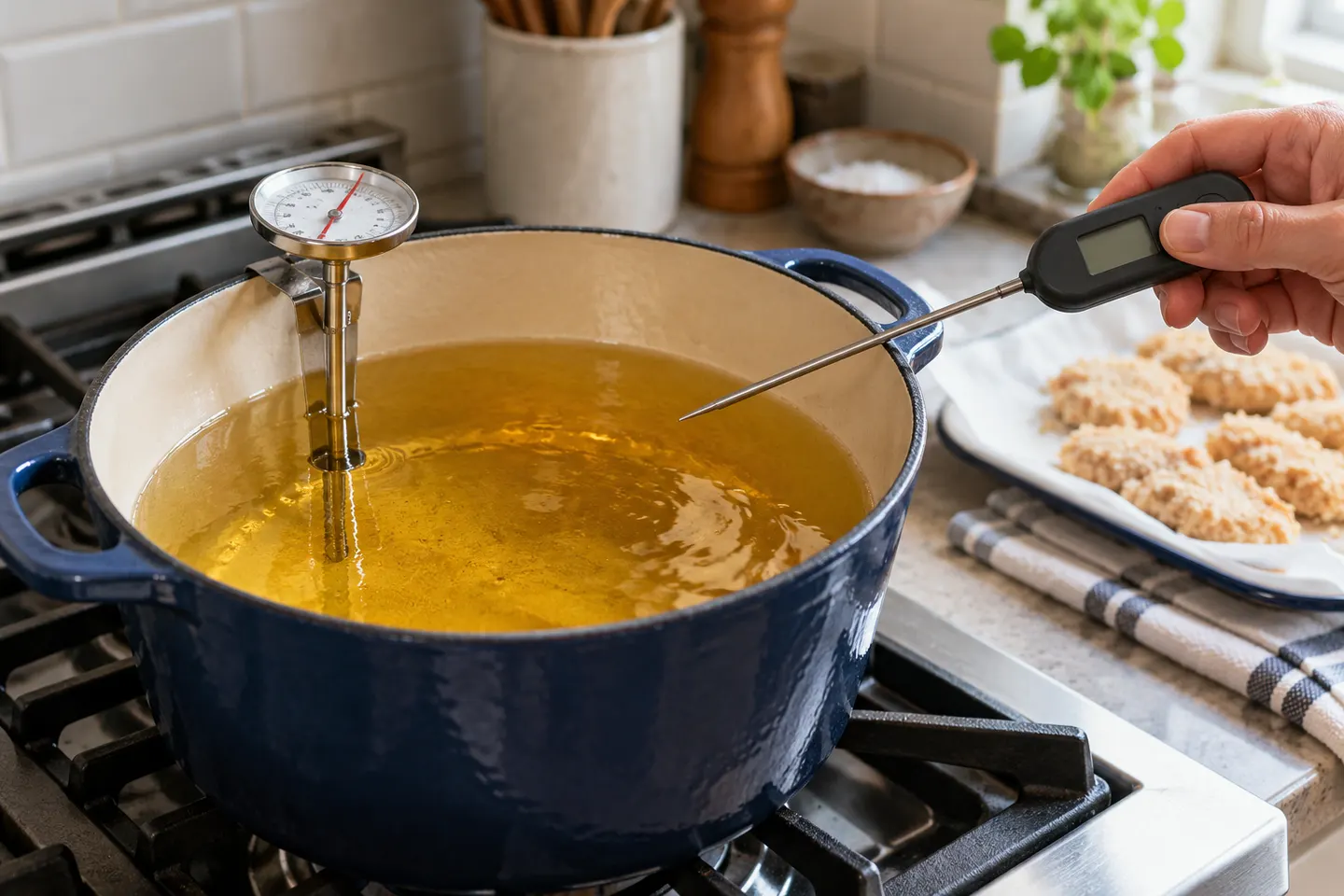 Can a Meat Thermometer Be Used for Oil and Other…
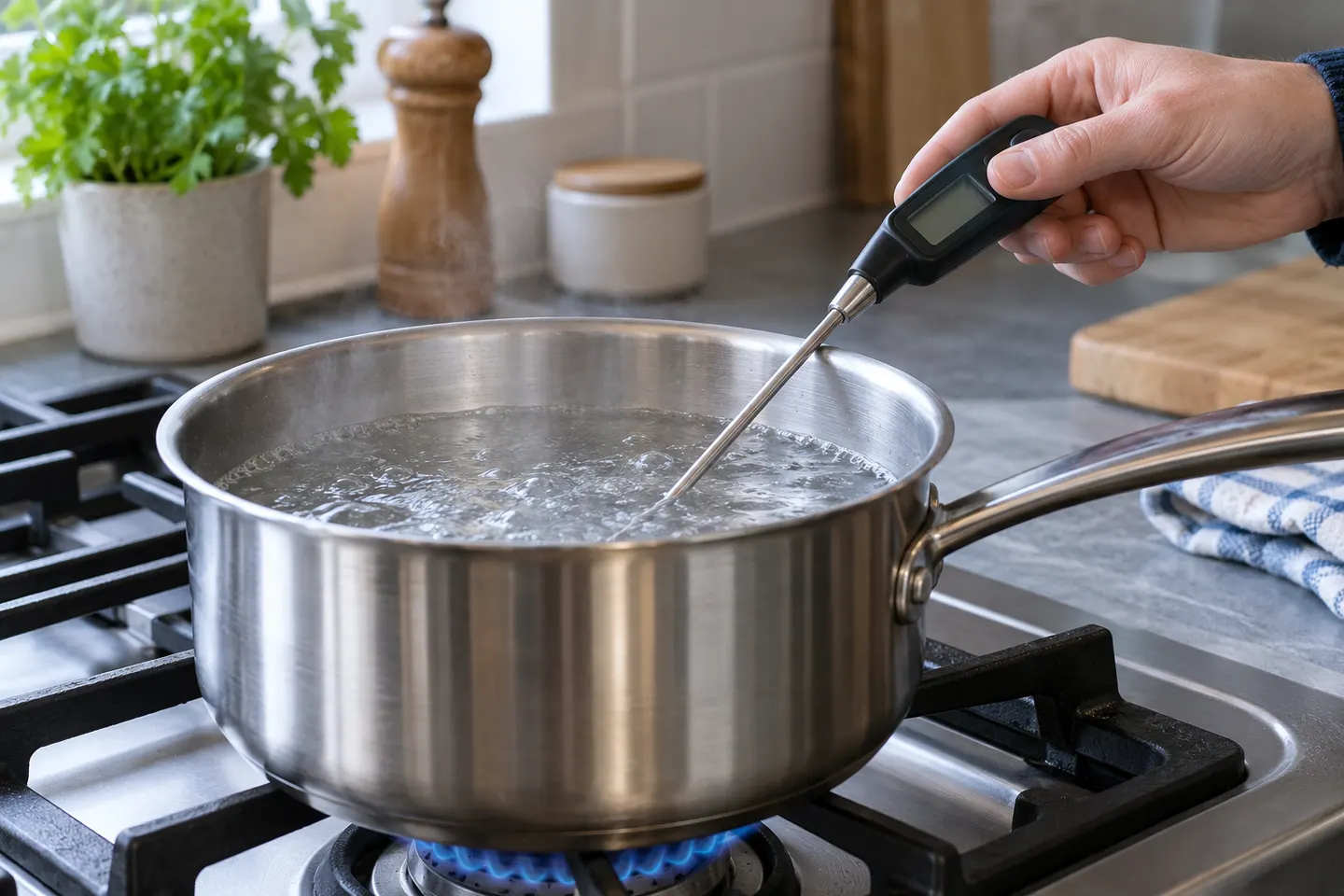 Can a Meat Thermometer Be Used for Water?
Common questions
Questions before you buy
The stem of a meat thermometer shall be constructed of what?
The FDA Food Code does not prescribe one universal metal. It prohibits glass sensors or stems unless the glass is enclosed in a shatterproof coating, so the device must be durable and not present a breakage hazard in normal use.
Can a food thermometer have a glass stem?
Only under the Food Code exception: a glass sensor or stem must be enclosed in a shatterproof coating, such as the coating used on some candy thermometers.
Why do cooking thermometers usually have metal probes?
A metal probe is durable, cleanable, and able to conduct heat to the sensing element. The manufacturer must still design the complete device for its intended food and temperature range.
What is a long stem cooking thermometer used for?
Its reach can help place the sensing area near the center of thick foods or deep containers. Confirm where the model senses temperature, because the active zone may extend beyond the tip.
Does a longer thermometer stem give a more accurate reading?
Not by itself. Accuracy depends on the device, calibration, placement, sensing-zone depth, and correct use; stem length mainly affects reach.