


What does a WiFi range extender do?
It connects to your existing router over WiFi and rebroadcasts that network from another point. Devices nearby can then use the rebroadcast signal, subject to the quality of the extender's link back to the router.

Gearjury may earn a commission from qualifying retailer links. Our guidance is based on the cited sources.
Guide
A WiFi range extender receives an existing wireless signal and rebroadcasts it to improve coverage in another area. It can help with a coverage gap, but it does not create a faster internet plan or repair a weak source connection.
It connects to your existing router over WiFi and rebroadcasts that network from another point. Devices nearby can then use the rebroadcast signal, subject to the quality of the extender's link back to the router.
A booster or extender is an addition to the existing network. A router directs traffic between your home devices and internet connection; the extender relays the router's wireless access into a harder-to-reach area.
It does not increase the speed delivered by your provider. It may improve a device's connection where the router's signal was weak, but each wireless hop and local conditions can affect throughput.
It needs to sit within usable coverage from the router and close enough to the area that needs better reception. Putting it at the far edge of a dead zone leaves little signal to relay.
A mesh system coordinates compatible nodes as one network, while a powerline kit sends traffic between adapters over electrical wiring. Consider these when roaming or the wireless path to the extender is unreliable.
Common questions
The term usually refers to a repeater or range extender that relays an existing WiFi signal to reach an area with weak coverage. It does not improve the underlying internet service speed.
It can extend coverage from the location where it receives the router's signal. The result depends on placement, building materials, interference and the extender's capabilities.
Only if the slow experience is caused by poor wireless coverage in a particular area. It will not fix a slow broadband connection, network congestion or an overloaded router.
Many are designed to work with standard WiFi routers, but supported bands, security settings and mesh features vary. Check the exact extender and router specifications before buying.
Keep exploring
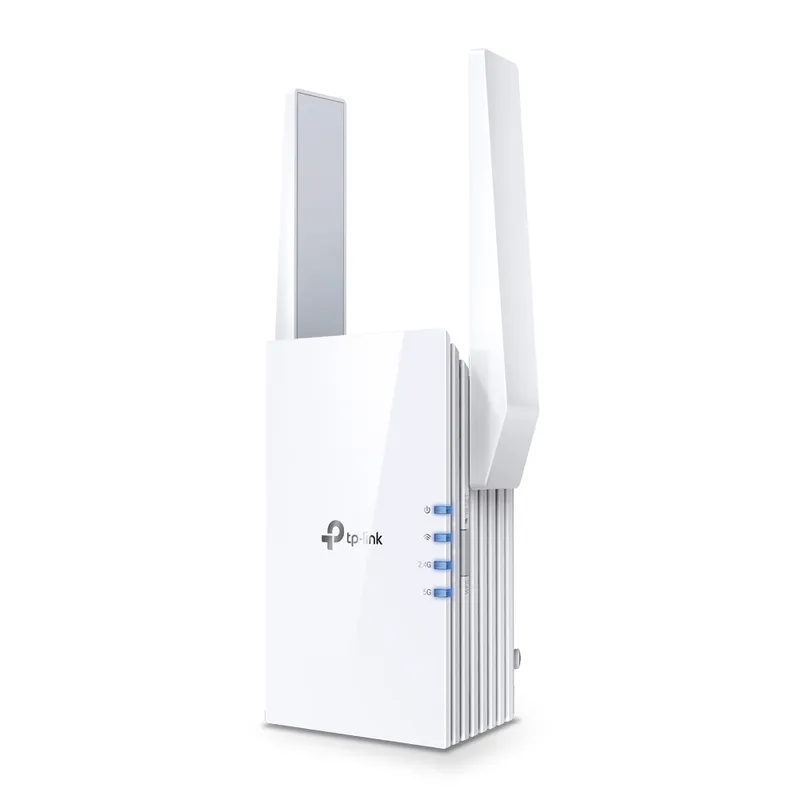
RE705X and RE715X are Wi-Fi 6 options; RE315 is an AC1200 alternative. Choose by router compatibility and the connection you need.
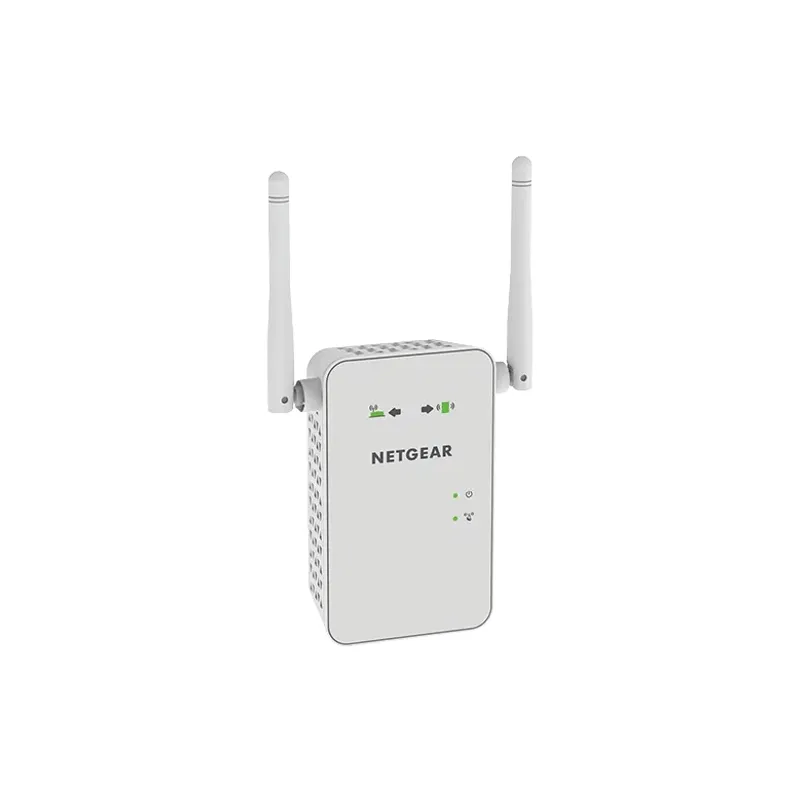
Start with the network standard and location of the dead spot. NETGEAR?s EX6120 is a dual-band AC model, while EAX15 adds WiFi 6; check exact router and firmware compatibility before buying.

The right Wi-Fi extender depends on the router signal at its location, your home layout and whether you need Ethernet, outdoor placement or powerline networking.
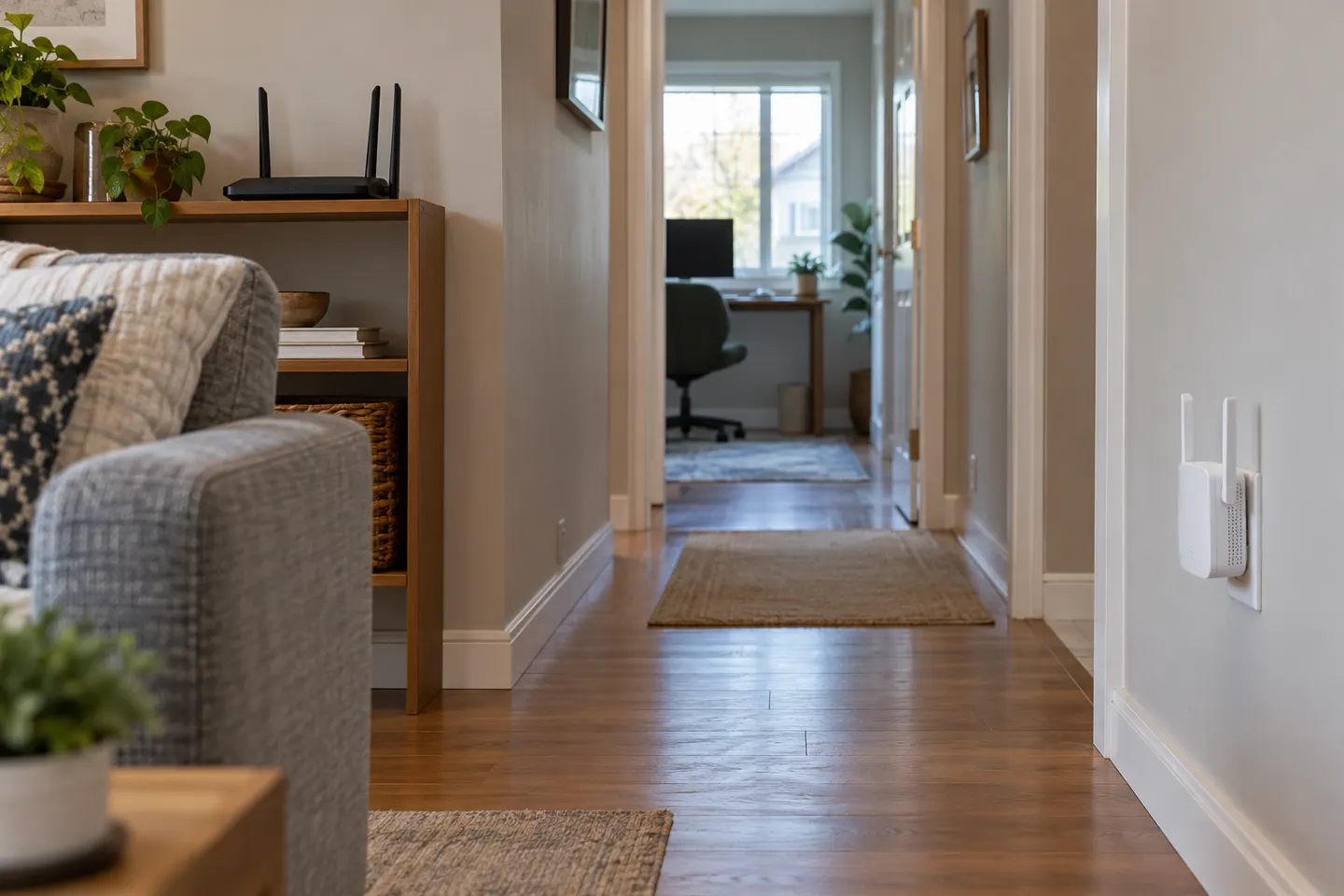
A Wi-Fi extender can help reach a weak-signal room when positioned within range of your router. Compare plug-in repeaters, mesh-compatible models, outdoor units and powerline kits by how they connect.