







 Official manufacturer image
Our picks
Top picks
Official manufacturer image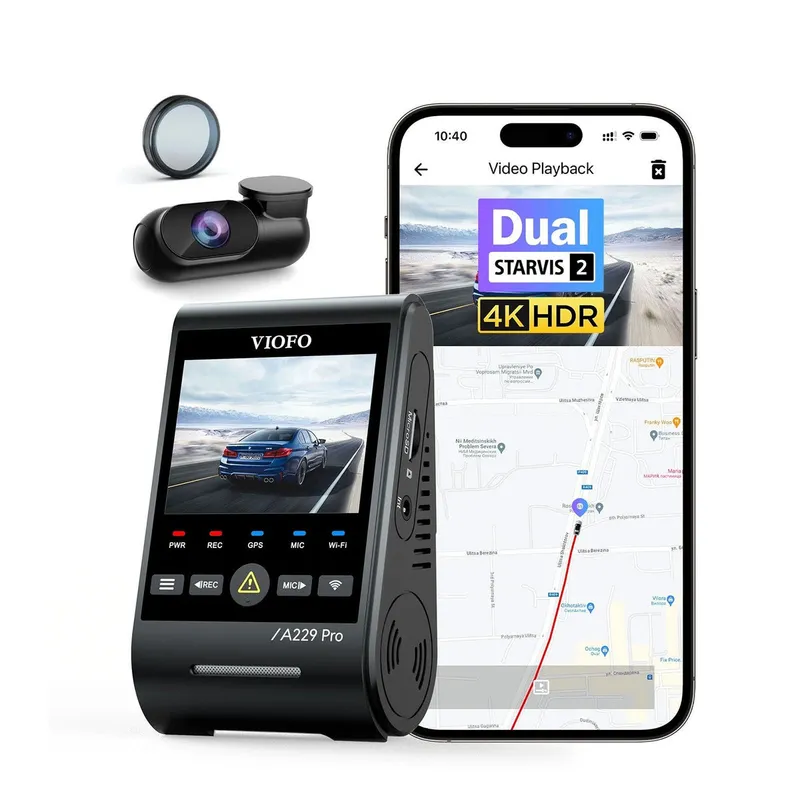 Official manufacturer image
VIOFO A229 Pro 2CH
Check price on Amazon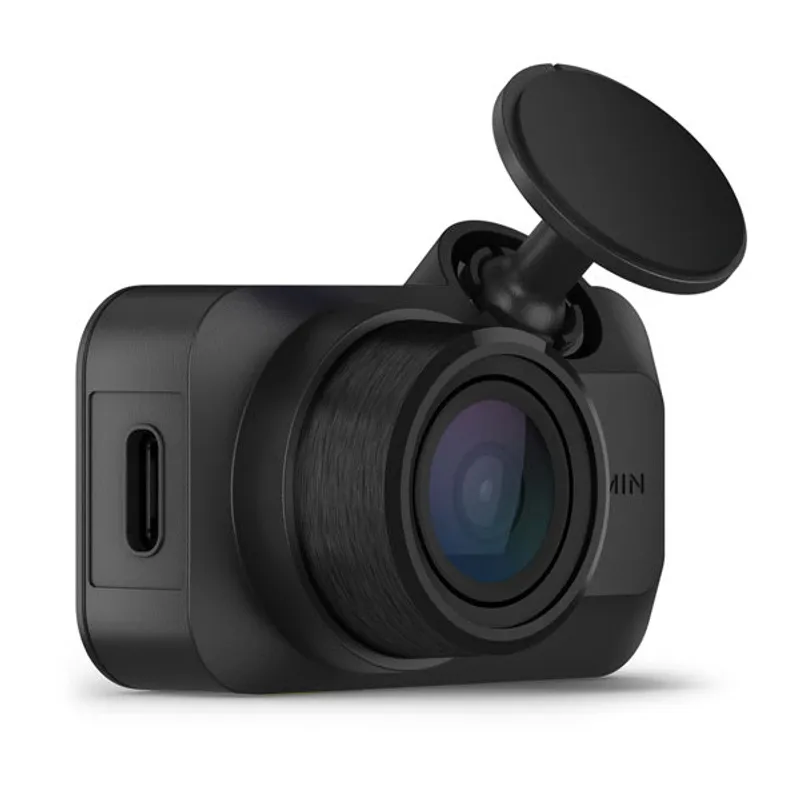 Official manufacturer image
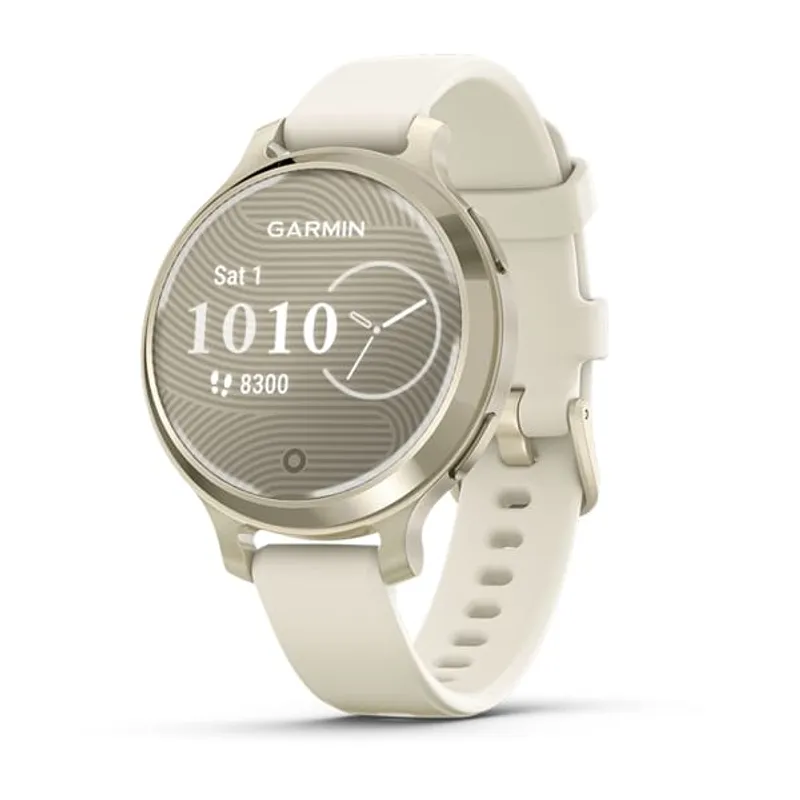
Garmin Dash Cam Mini 3
Check price on AmazonBy feature
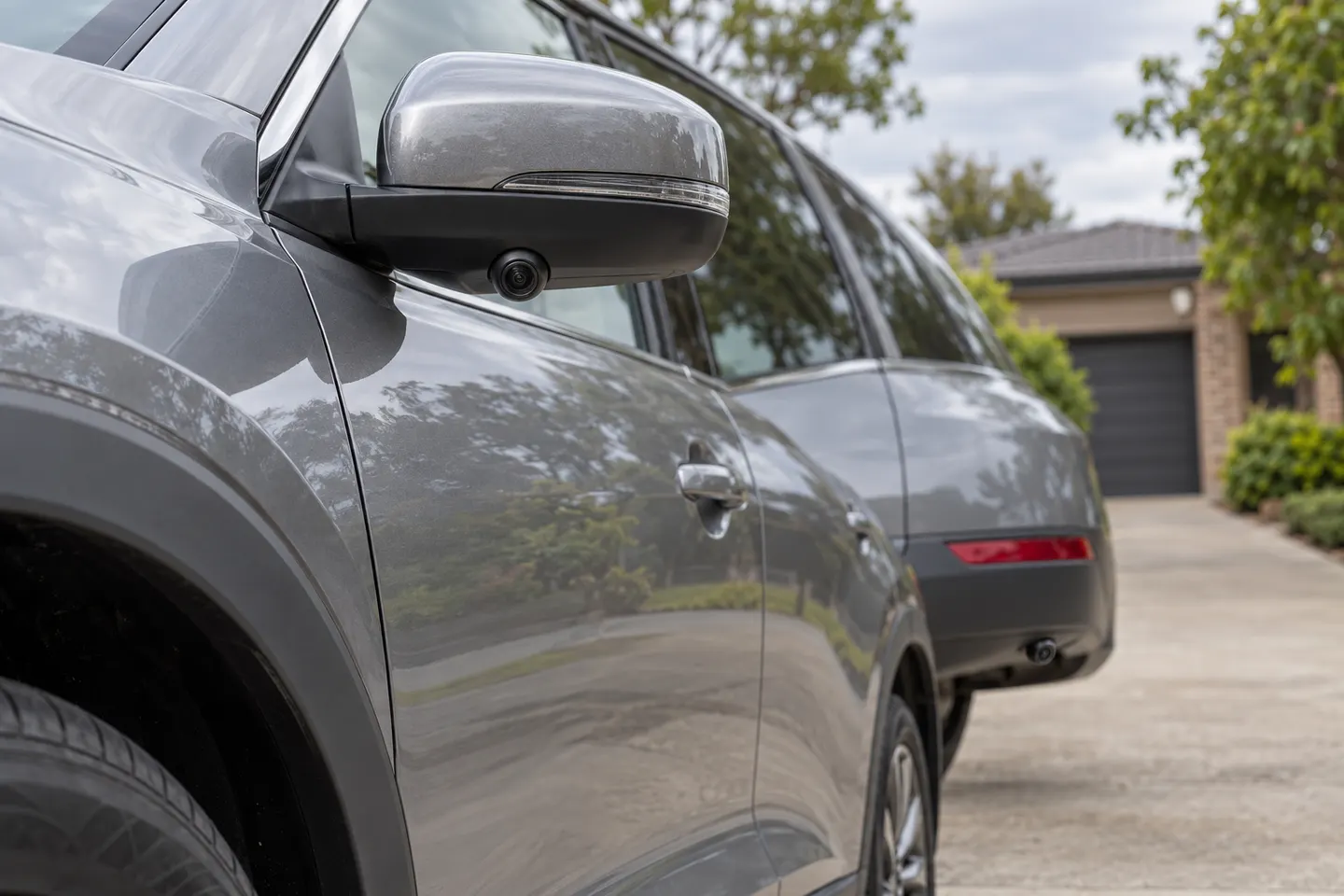
 360
Common questions
Questions before you buy
Can an in-car camera record 360 degrees?
Some multi-lens cameras create near-spherical cabin coverage, while multi-channel systems cover several exterior directions. No mounting position guarantees an unobstructed view around the whole vehicle.
Is a 170-degree dash cam the same as a 360-degree camera?
No. A 170-degree figure normally describes one lens's field of view; it does not mean the camera records a complete circle.
Does a 360-degree dash camera record while parked?
Only if the model supports parking recording and receives suitable power. Check the required hardwire kit, low-voltage protection and operating instructions.
How much storage does a multi-camera system need?
It depends on channel count, resolution, bitrate and recording time. Use the manufacturer's card-capacity guidance and choose an endurance-rated compatible card.