









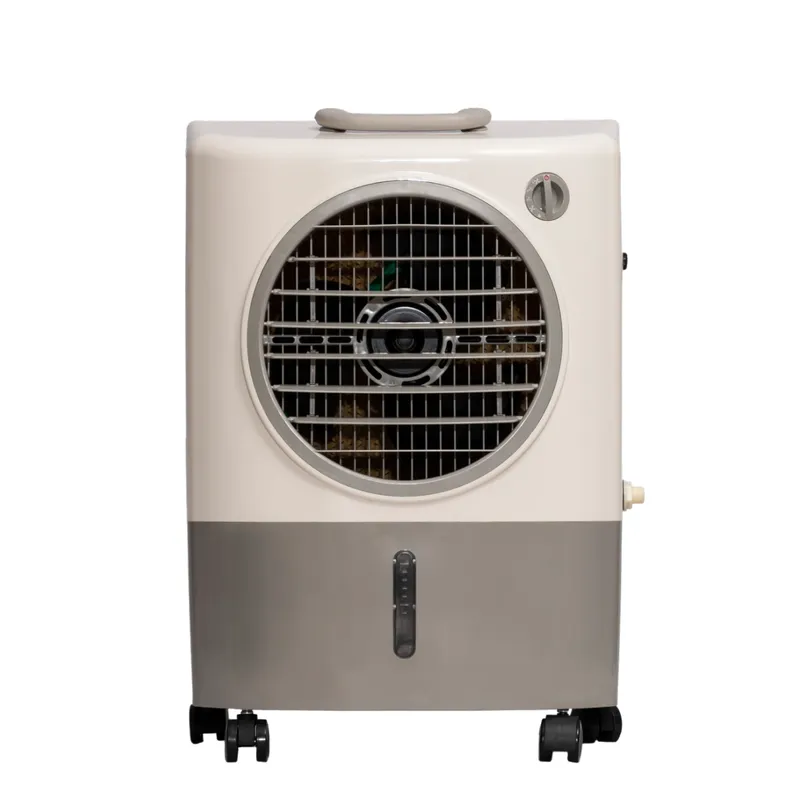
 Official manufacturer image
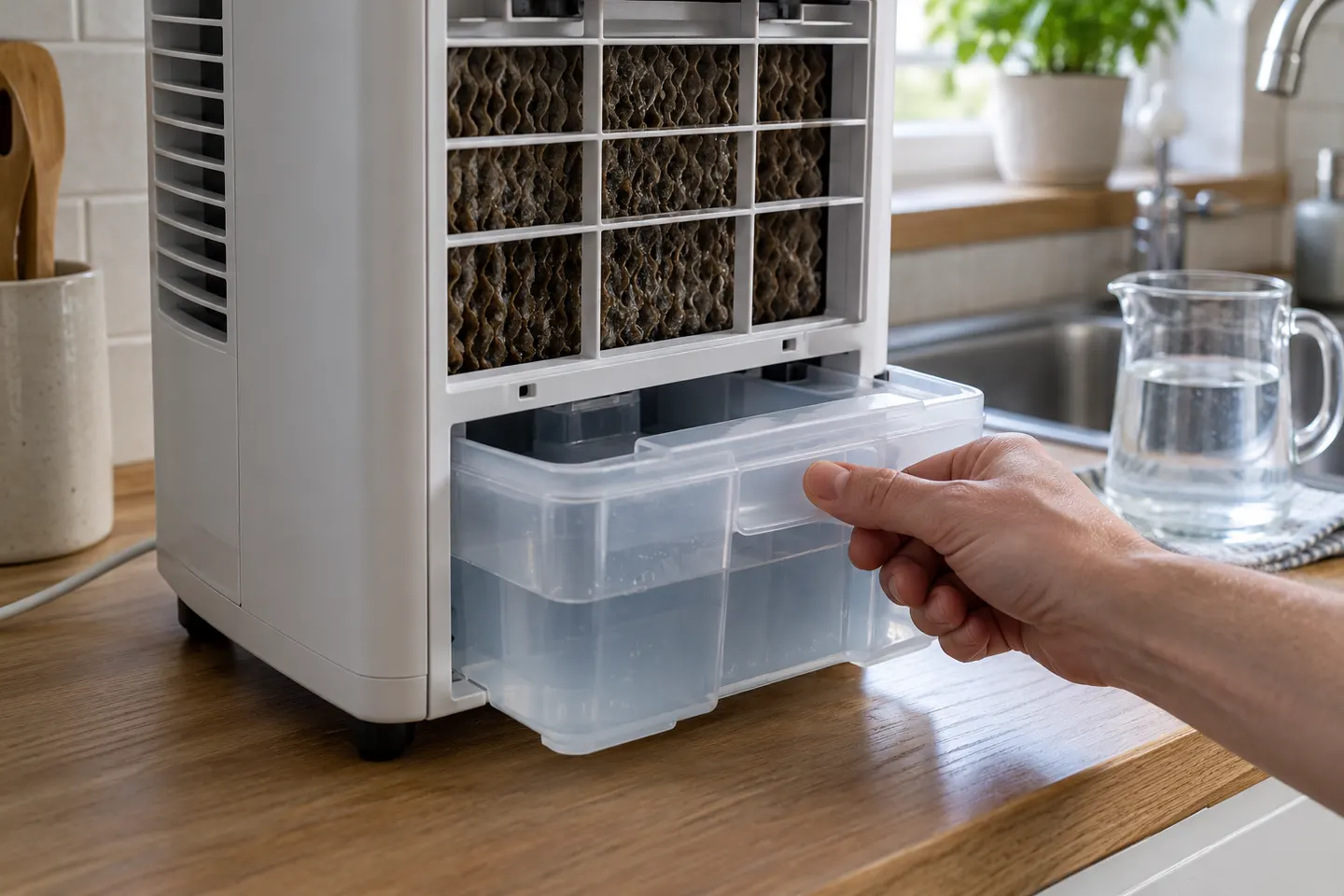
Our picks
Top picks
Official manufacturer image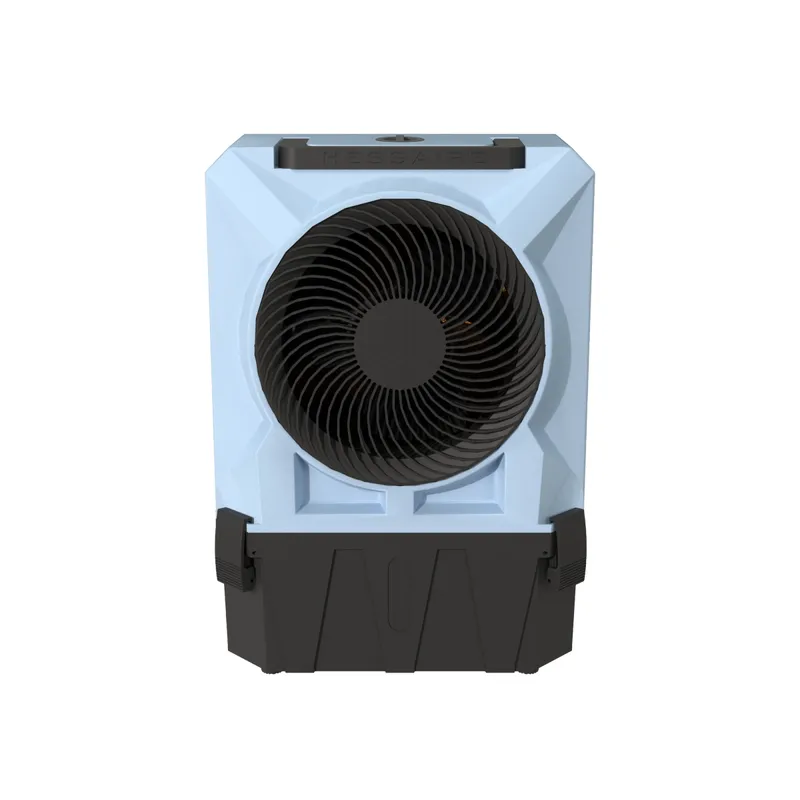 Official manufacturer image
Hessaire MC12V
Check price on Amazon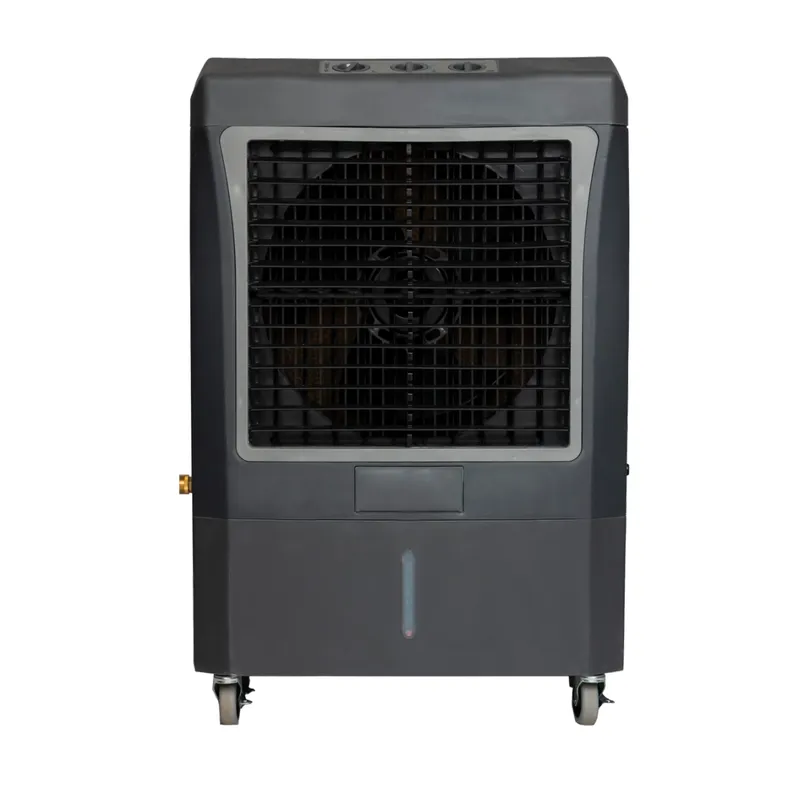 Official manufacturer image
Hessaire MC37M
Check price on AmazonBy type and size
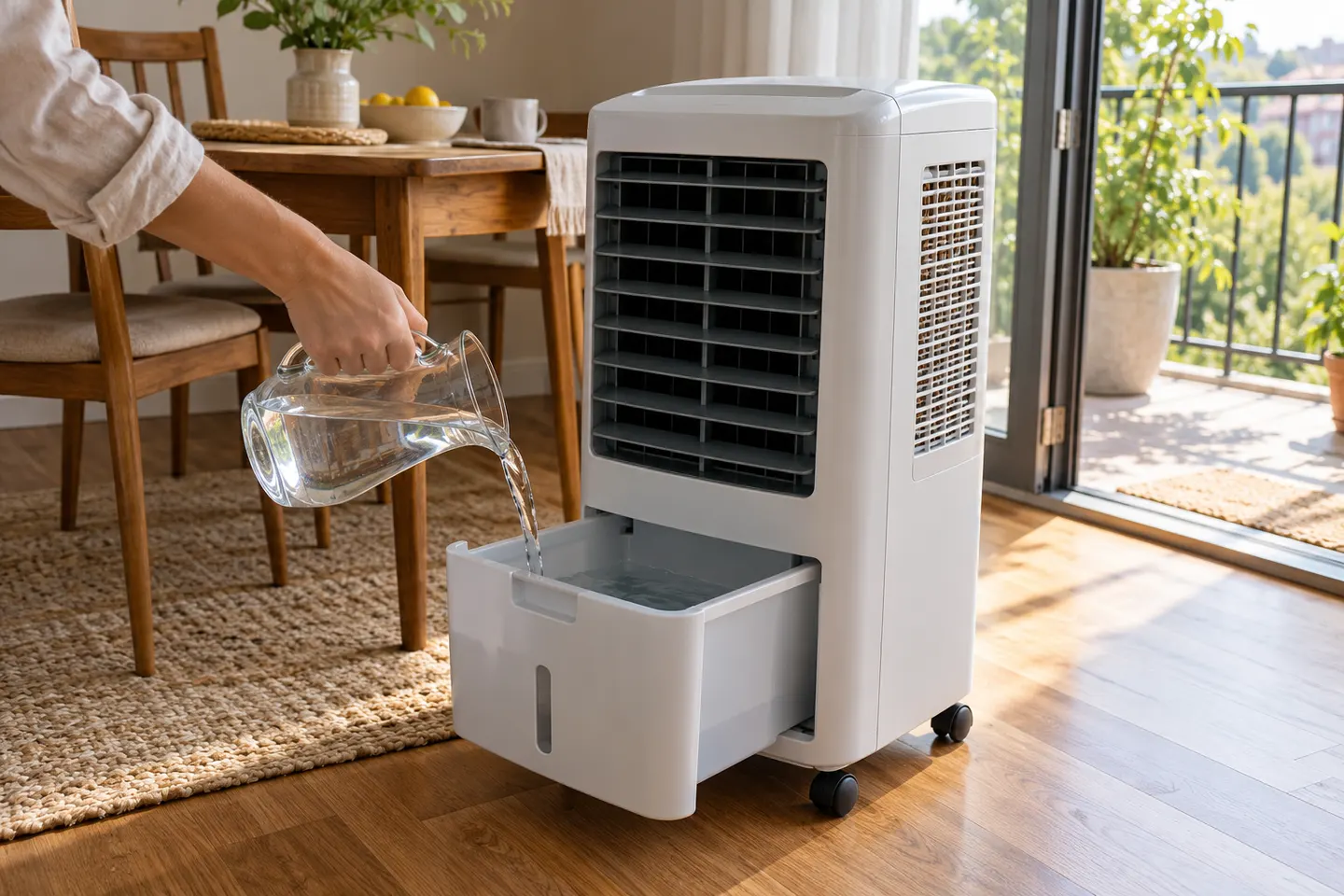 Water tank
By place and use
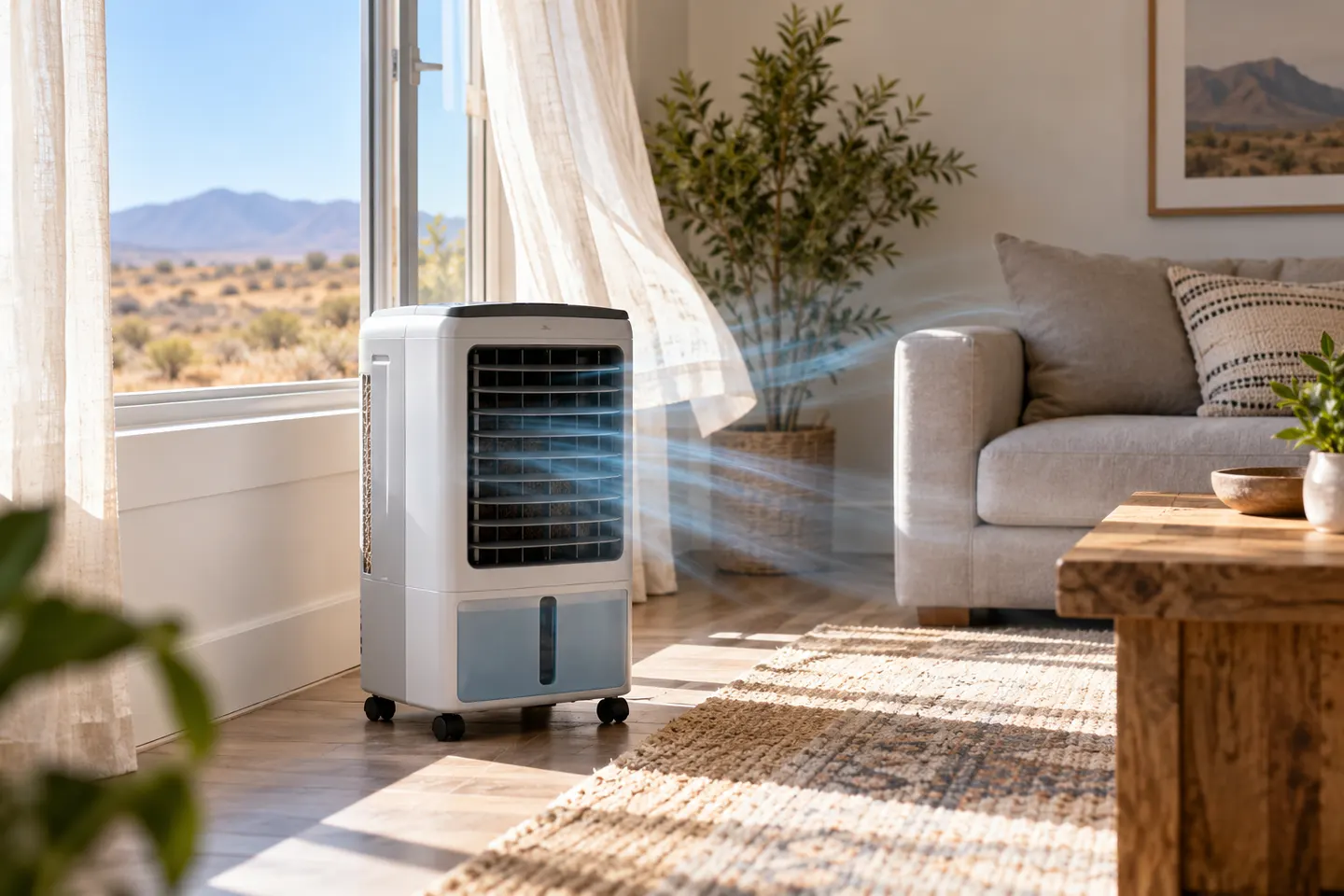 Water home
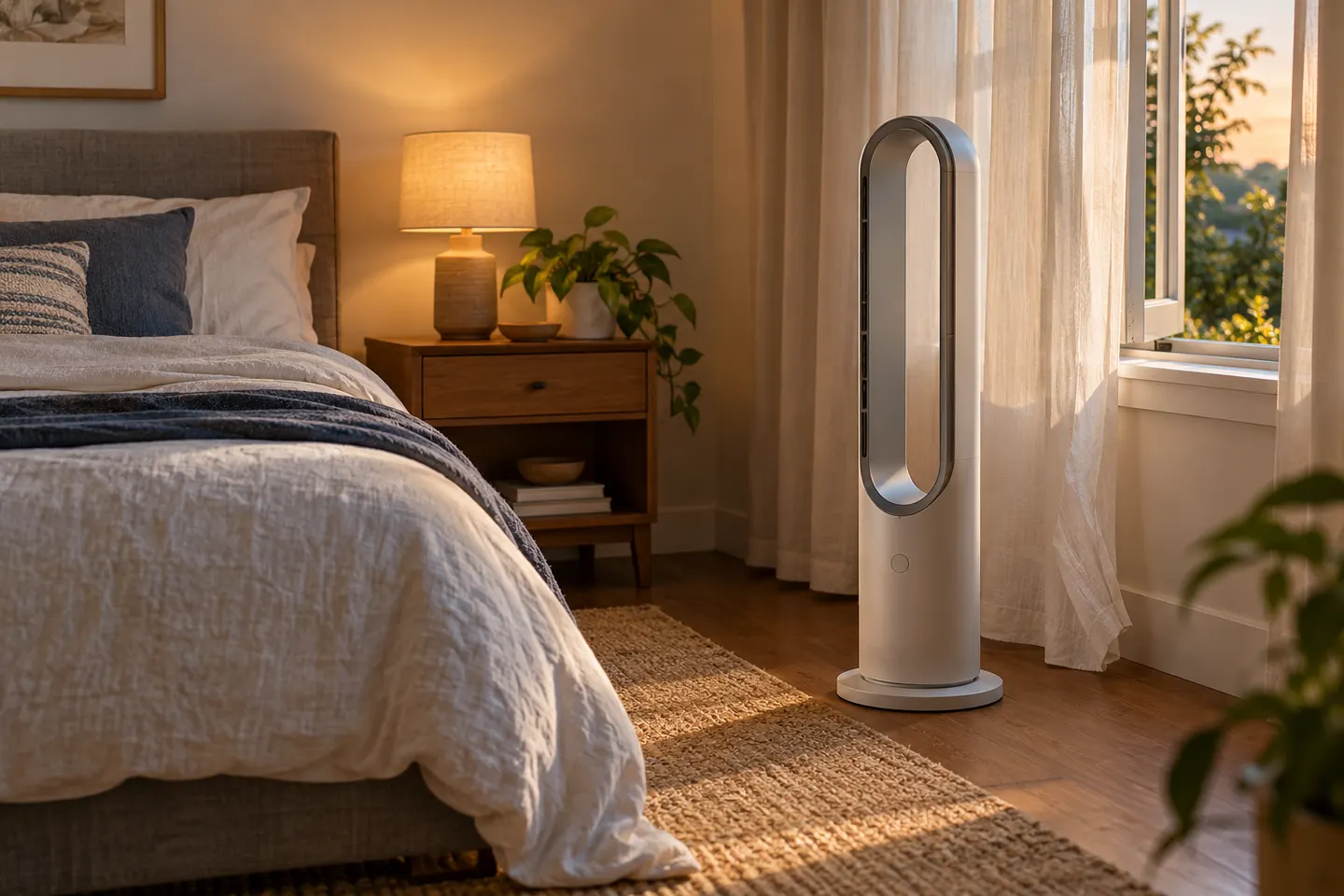 Without water home
How-to guides
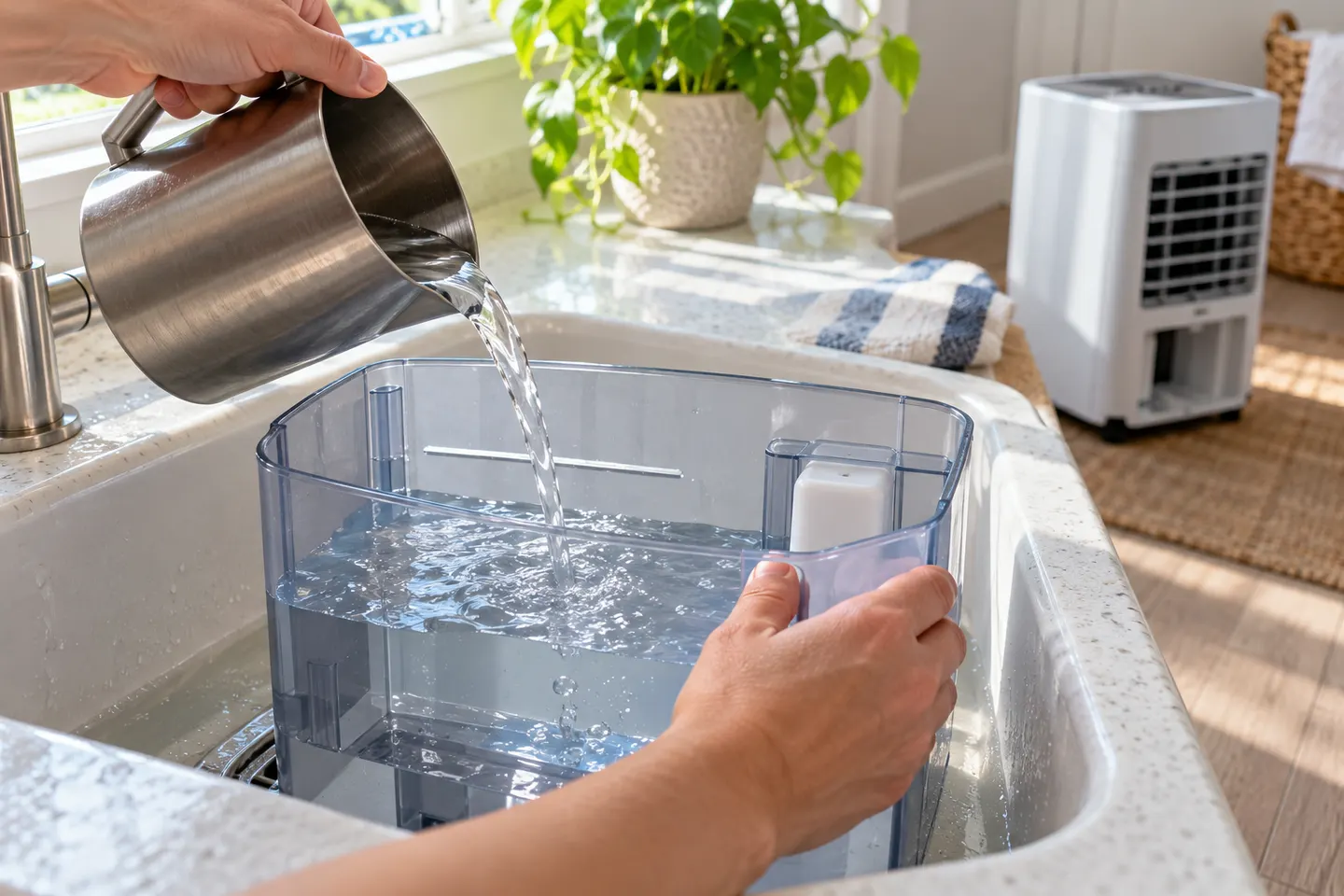 How to Use an Air Cooler with Water Safely
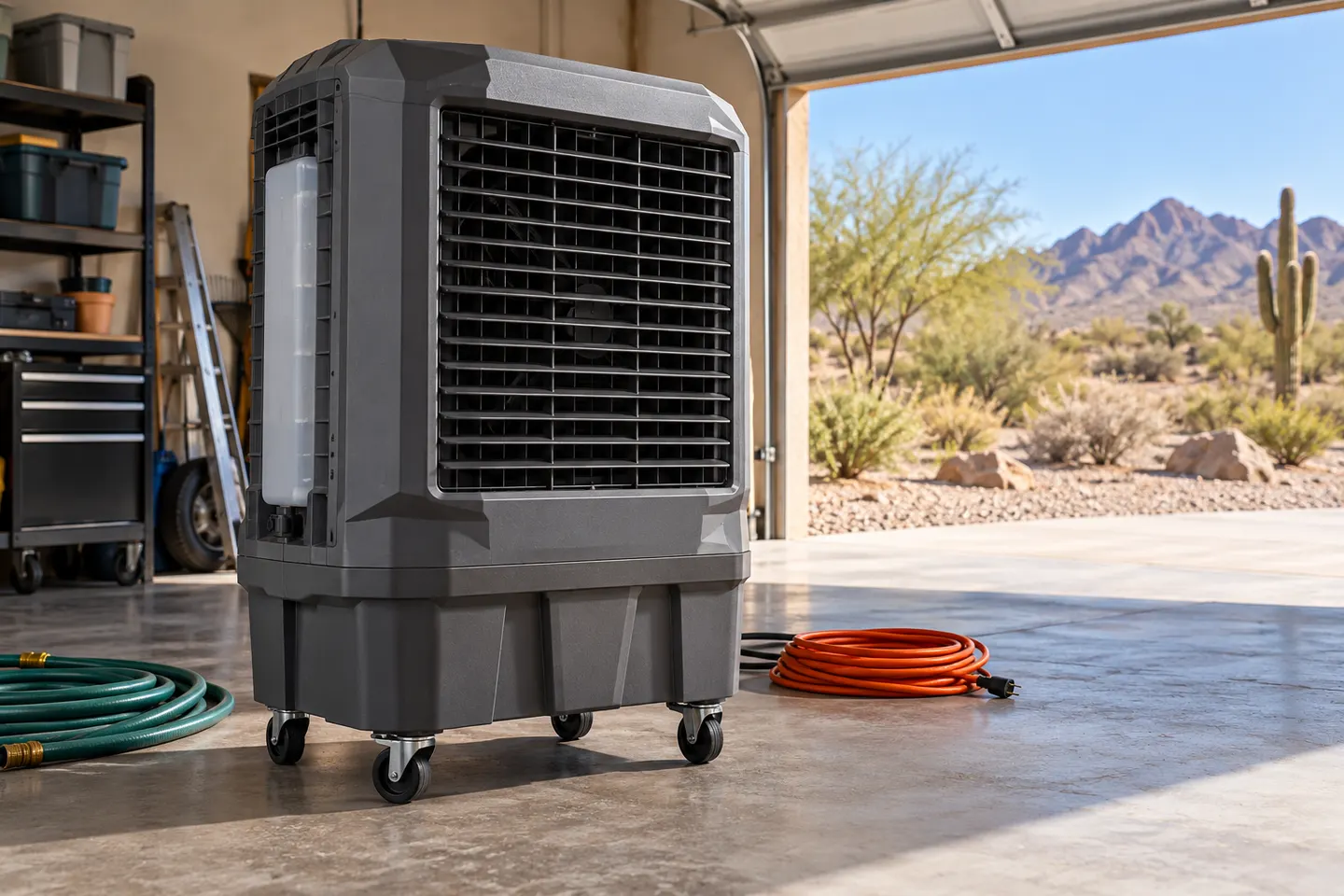 How to Use an Air Cooler Without Water
More topics
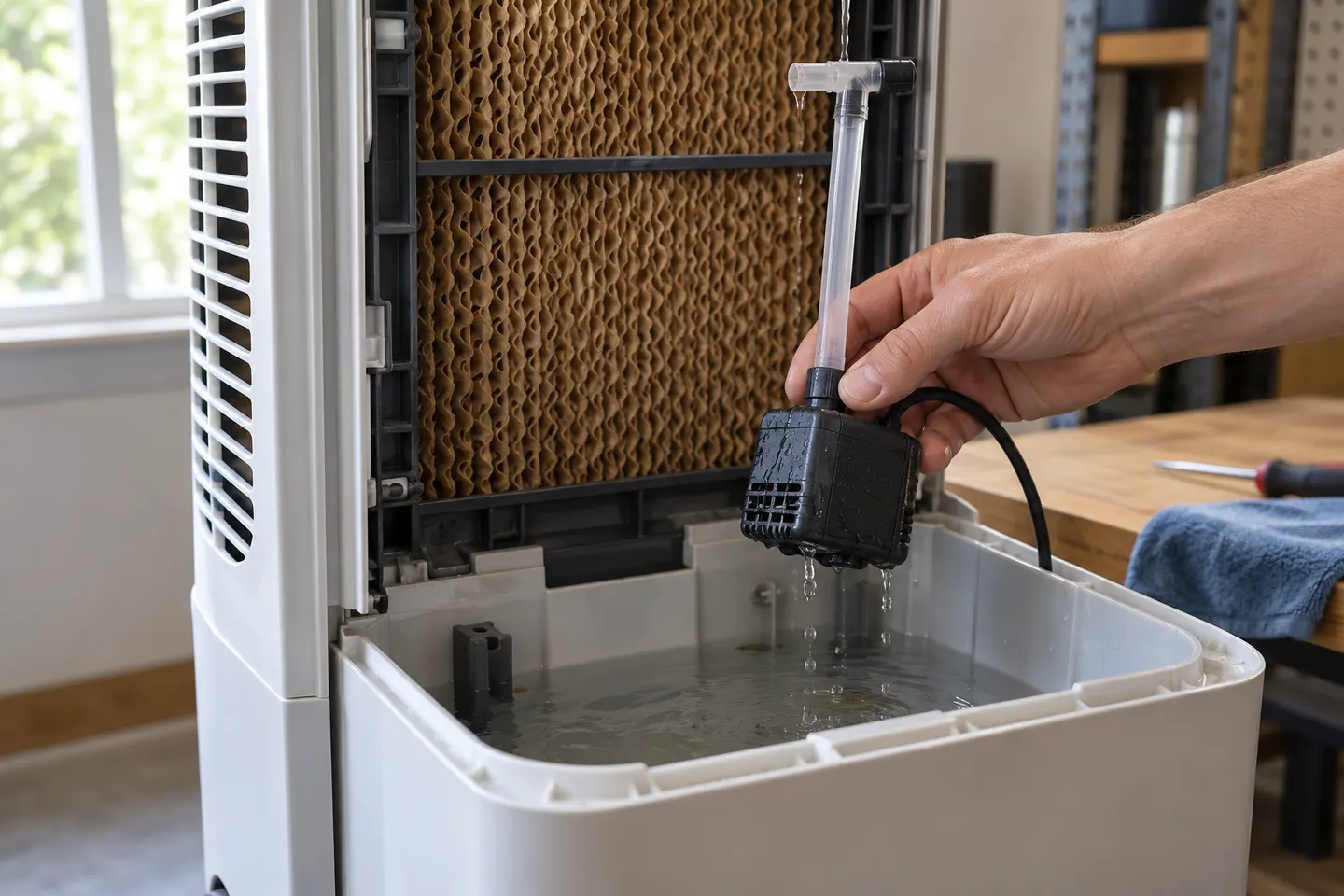 Evaporative Air Cooler Water Pump
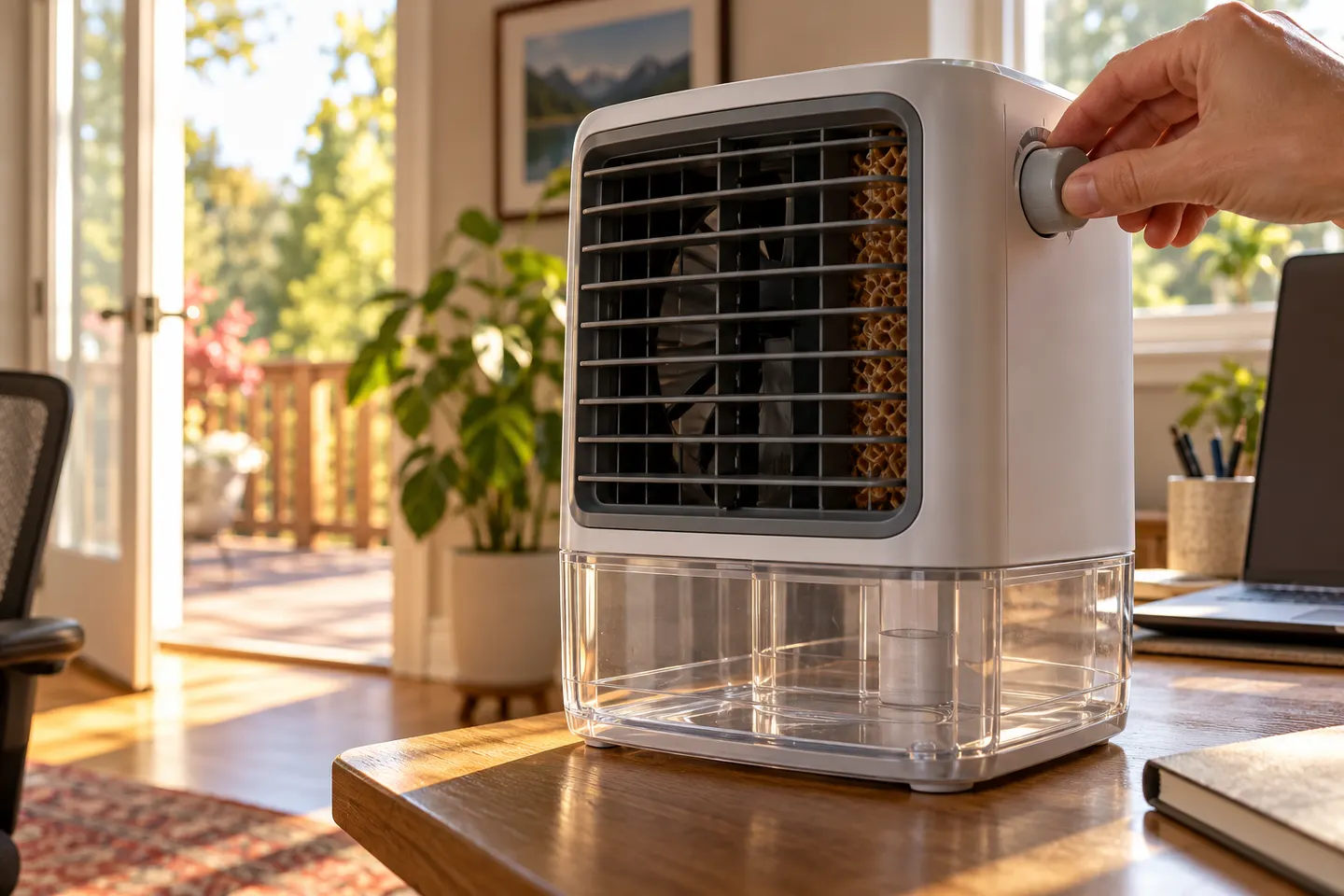 Air Cooler Without Water
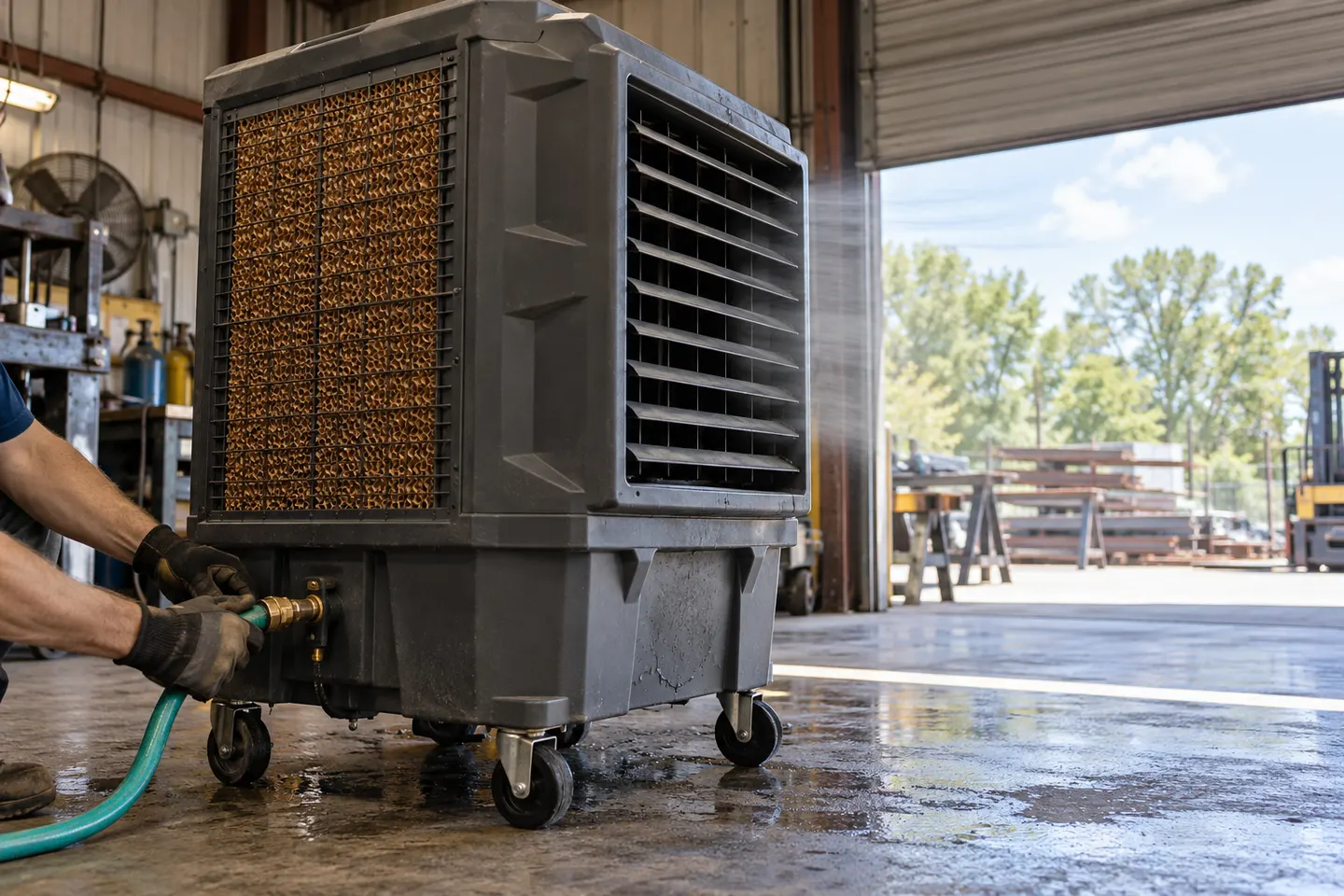 Industrial Water Cooling Fans
Common questions
Questions before you buy
How does a water air cooler cool air?
A fan moves air across wet cooling media, where water evaporates and cools the passing air under suitable conditions. The process adds water vapour to the room.
Does an air cooler need ice in its water tank?
Usually not unless the maker provides an ice compartment and recommends using it. Normal operation relies on water and evaporative media.
How long does water last in a portable air cooler?
Run time depends on tank capacity, pump and fan settings, climate and water use. Use maker capacity and refill guidance; do not infer a fixed duration.
Can a water air cooler be used in a humid room?
High humidity limits evaporation and the unit adds moisture. Ventilation helps, but another cooling approach may suit persistently humid conditions better.