









 Official manufacturer image
Our picks
Top picks
Official manufacturer image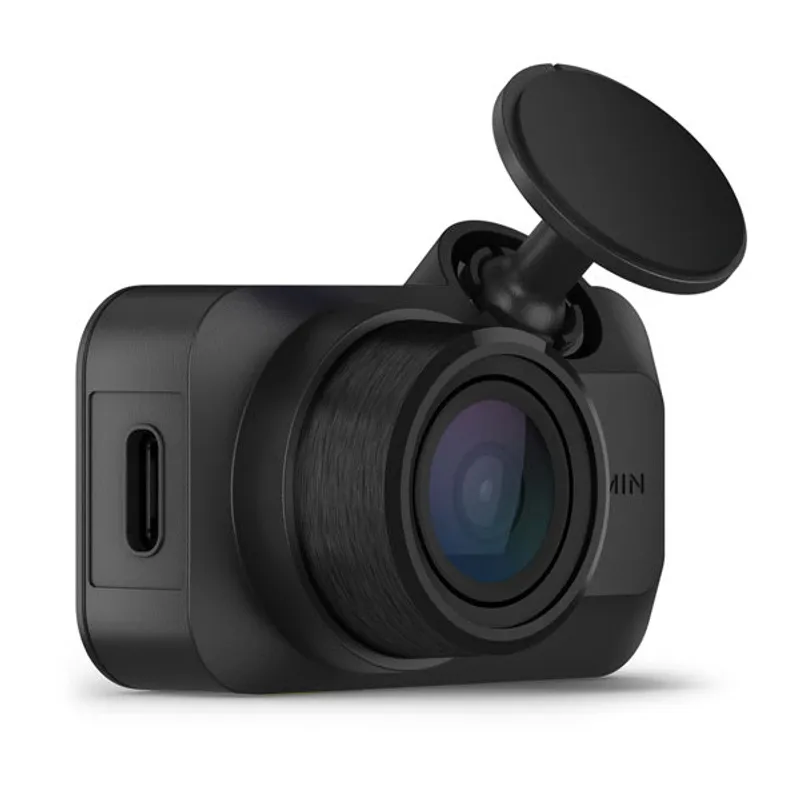 Official manufacturer image
Garmin Dash Cam Mini 3
Check price on Amazon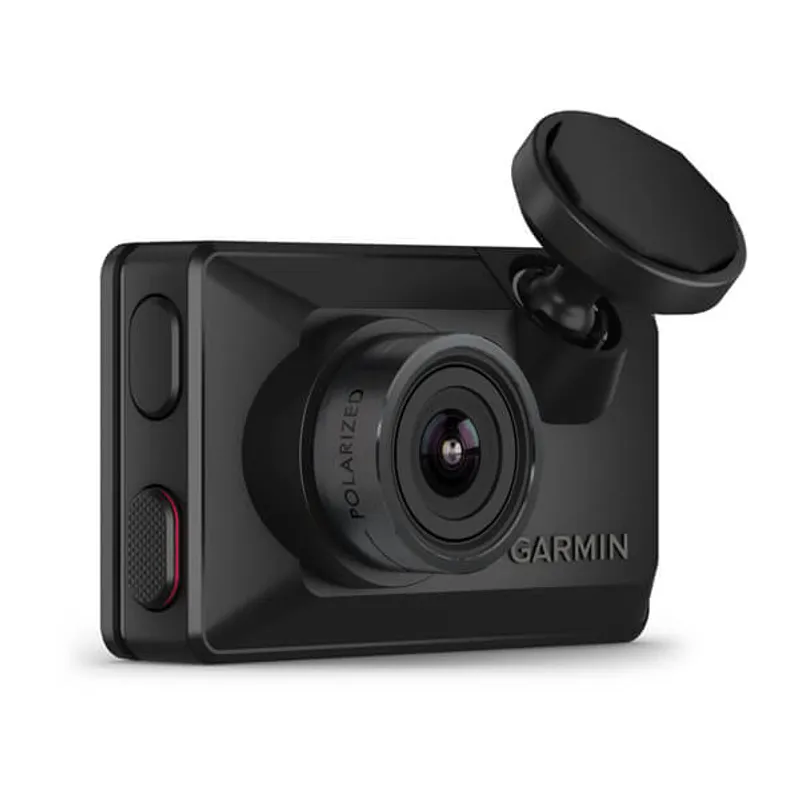 Official manufacturer image
Garmin Dash Cam X310
Check price on AmazonBy feature
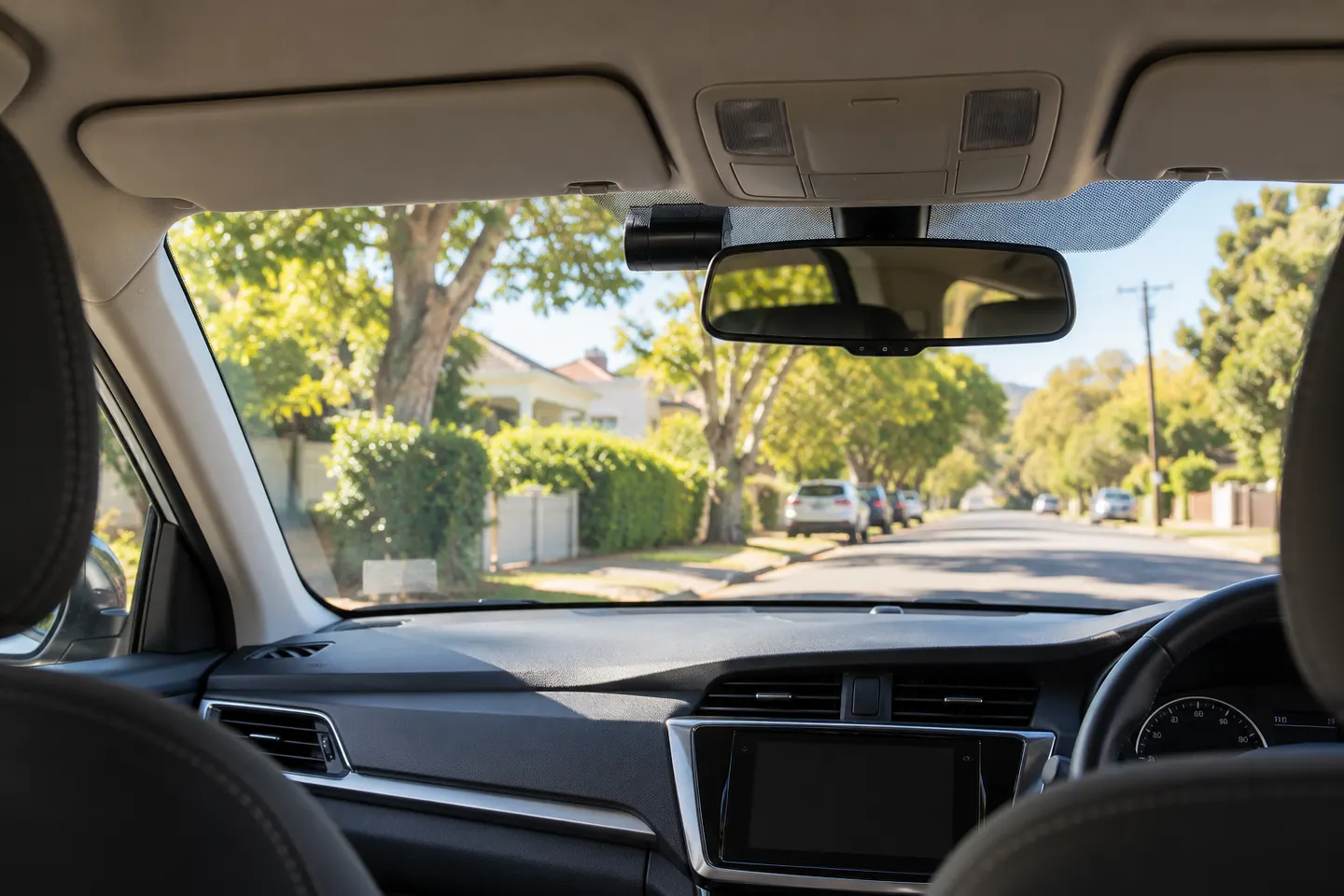 Battery powered no wires
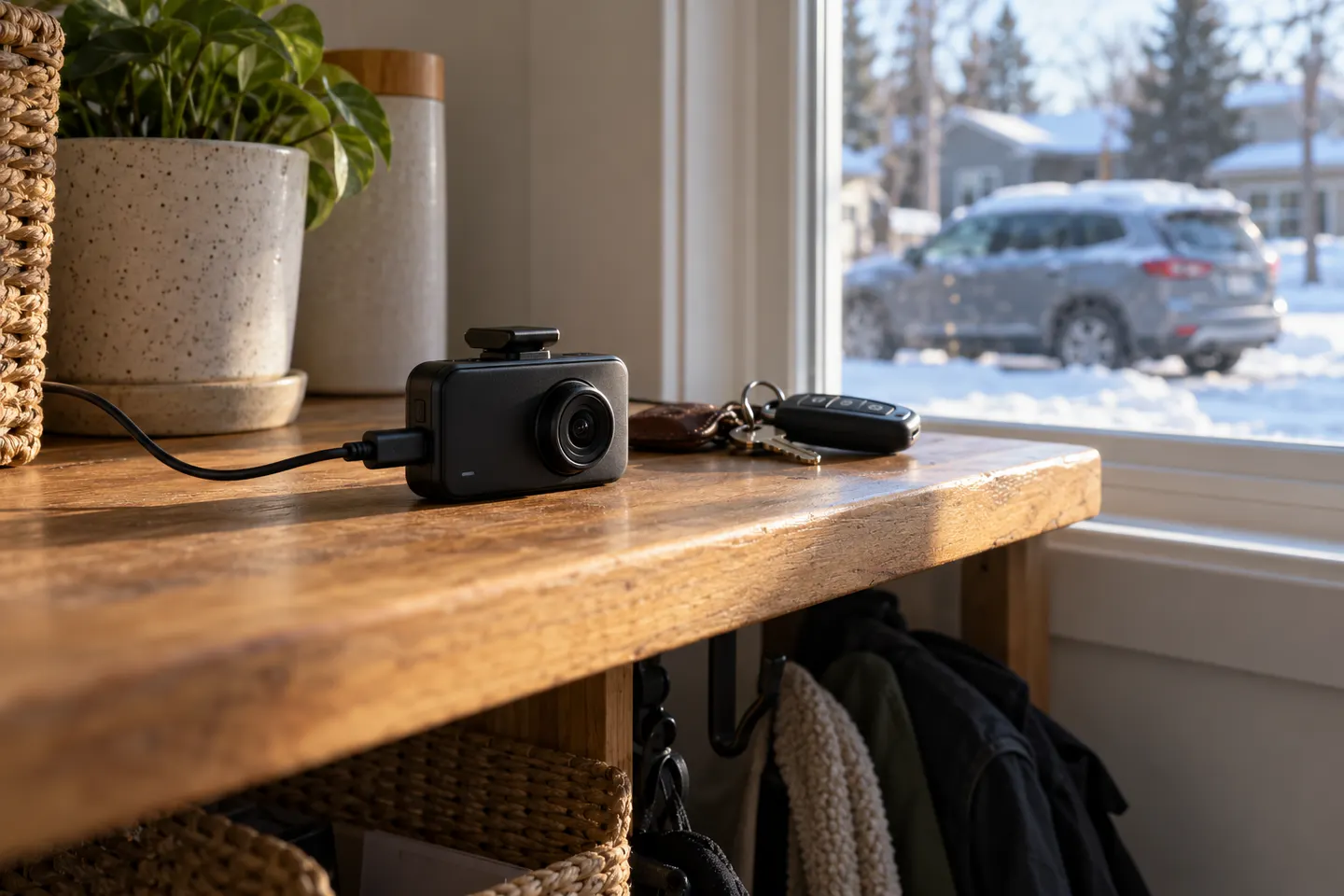 Rechargeable no wires
How-to guides
More topics
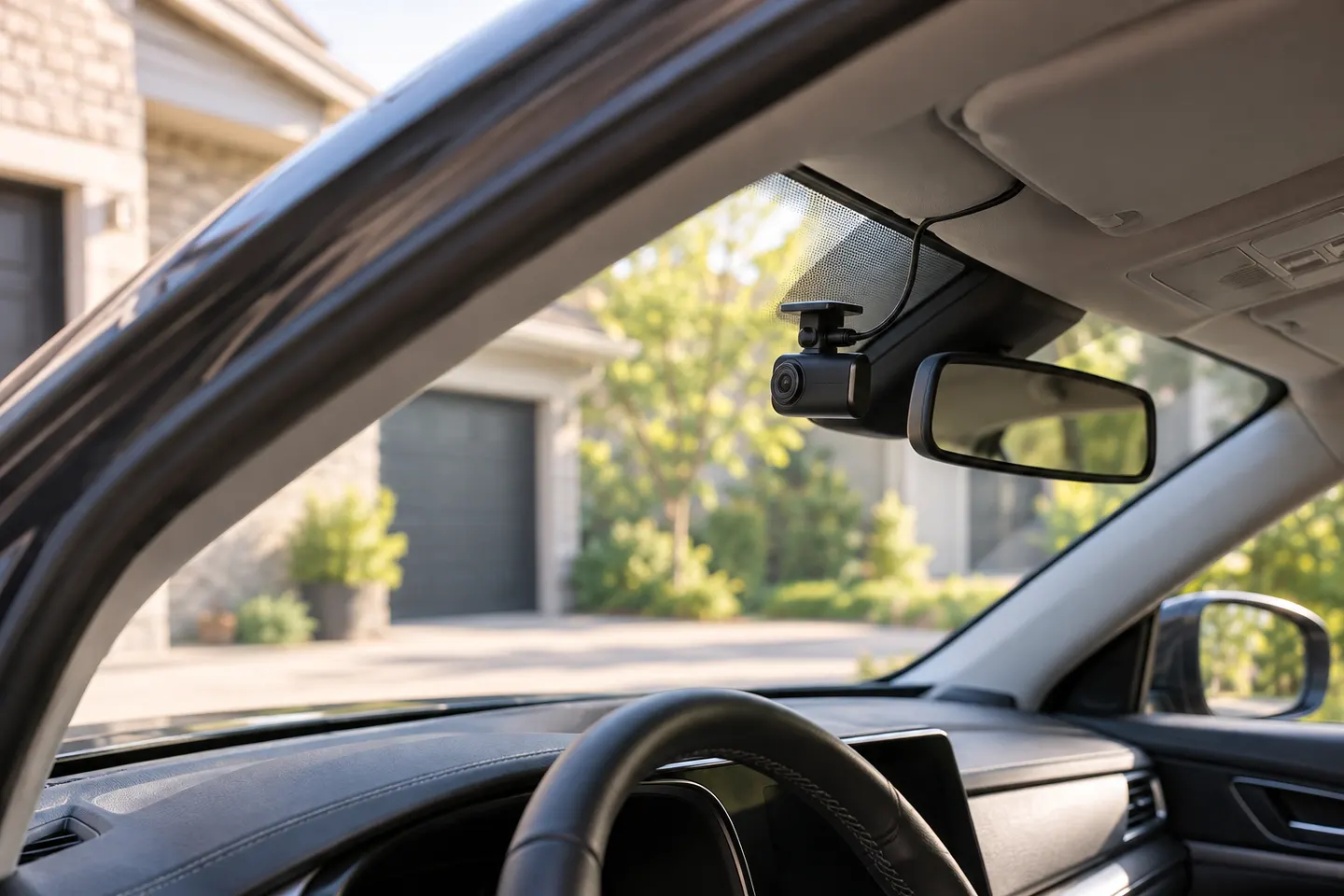 Dashcams With No Wires
Common questions
Questions before you buy
Can you tuck dashcam wire into the headliner?
A cable can often sit at the headliner edge, but do not push it into an airbag path or disturb safety components. Follow vehicle-specific guidance.
Where should dashcam wire go around a side-curtain airbag?
Routing depends on the vehicle. The lead must not obstruct deployment; a professional installer is the safest choice when the path is not documented.
How do you hide a rear dashcam cable?
Follow fixed interior trim toward the rear, protect the cable from pinching and allow appropriate movement at a hatch or liftgate. Keep it away from moving seat hardware.
Can I use metal tools to hide dashcam wires?
Use the methods and tools specified by the camera and vehicle guidance. Metal tools can mark trim or contact wiring, so purpose-made nonconductive trim tools are generally the cautious option.