









 Official manufacturer image
Our picks
Top picks
Official manufacturer image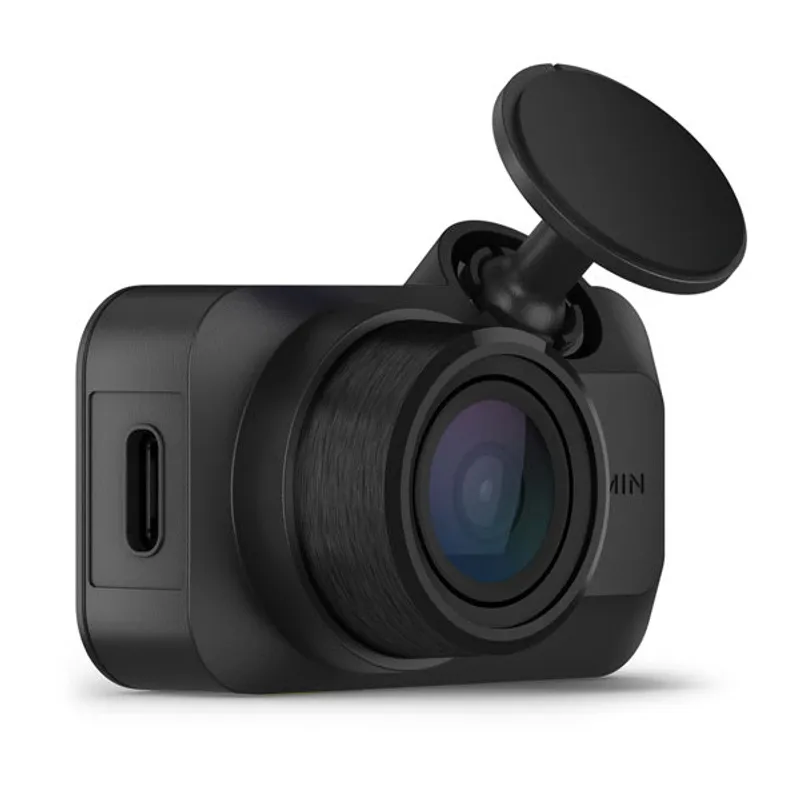 Official manufacturer image
Garmin Dash Cam Mini 3
Check price on Amazon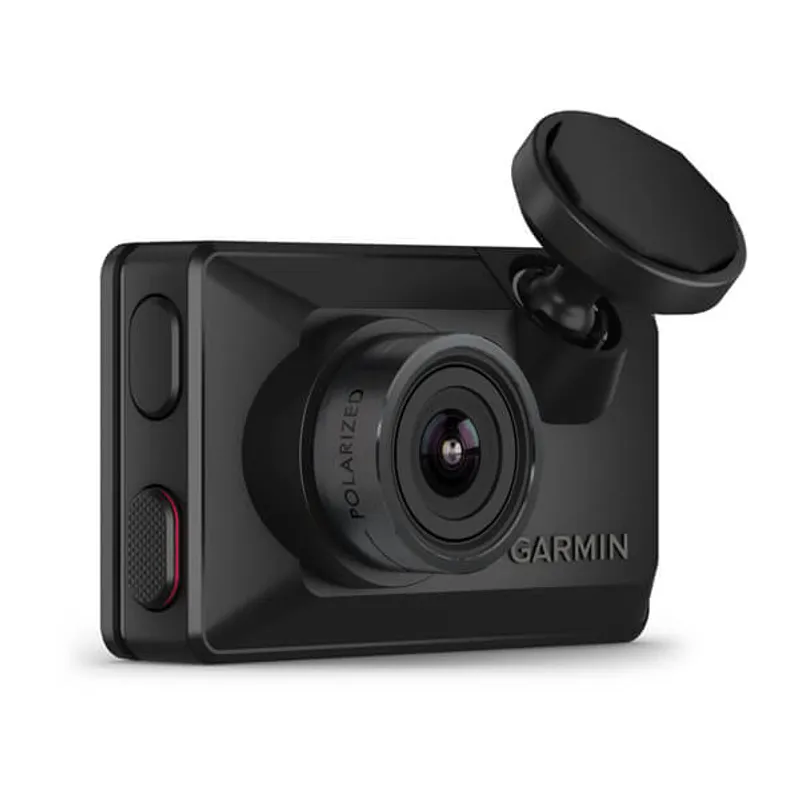 Official manufacturer image
Garmin Dash Cam X310
Check price on AmazonBy vehicle
 Tesla
Show all (6)
More topics
Common questions
Questions before you buy
Does the Tesla Model S have a built-in dashcam?
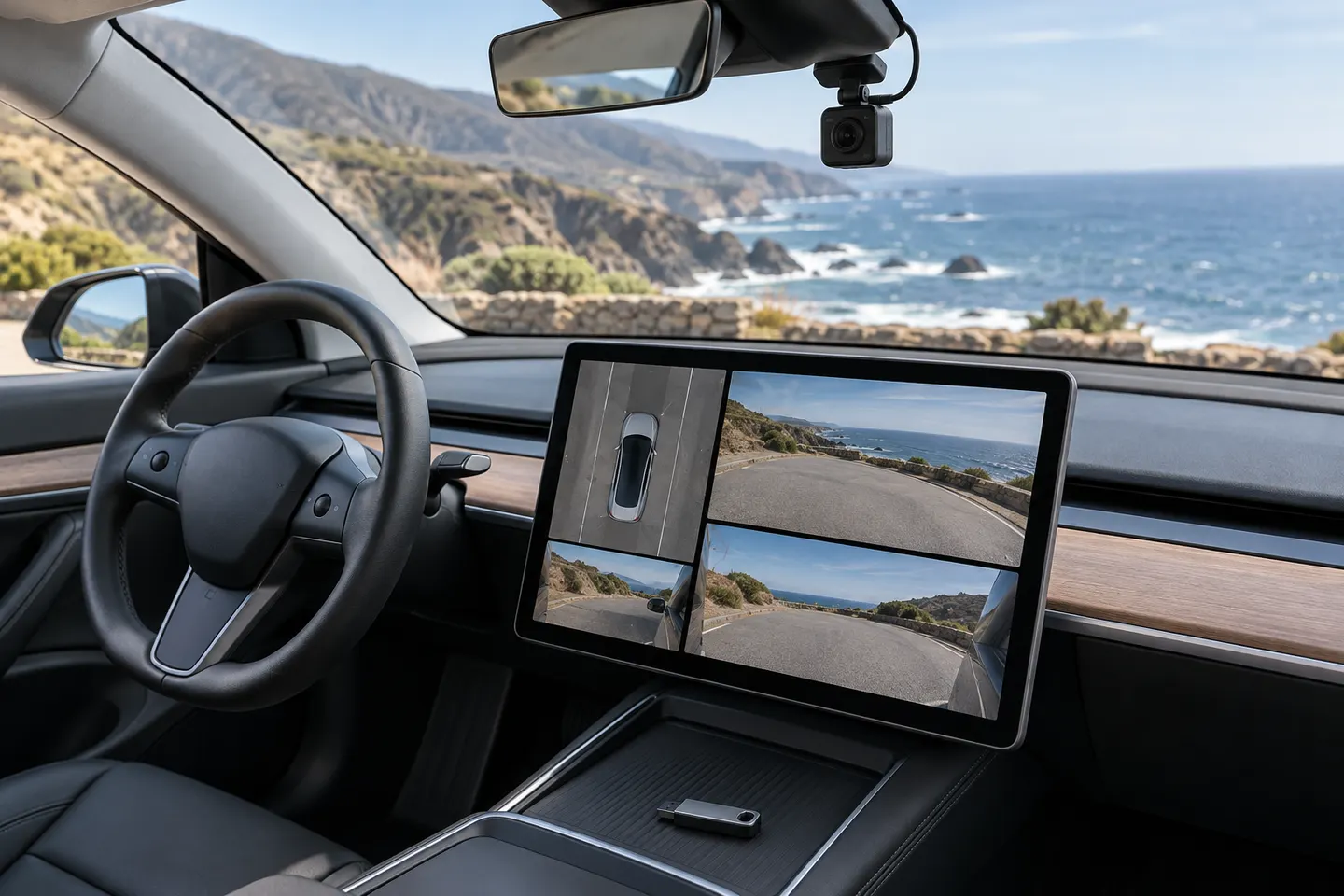
Supported Model S hardware includes Tesla Dashcam functionality. Features and camera views vary, so verify the current manual for the specific vehicle.
What USB drive does Tesla Dashcam need?
Use storage that meets Tesla's current speed, capacity and formatting guidance. The vehicle can format supported media in applicable software versions.
Does Tesla Dashcam record audio?
Tesla's owner documentation describes the saved camera video. If audio is essential, verify the current manual and consider local consent laws before using a separate recorder.
Why install another dashcam in a Model S?
A separate unit can provide independent storage, a different viewing angle or features not supplied by the built-in system. It also creates extra installation work.