







 Official manufacturer image
Our picks
Top picks
Official manufacturer image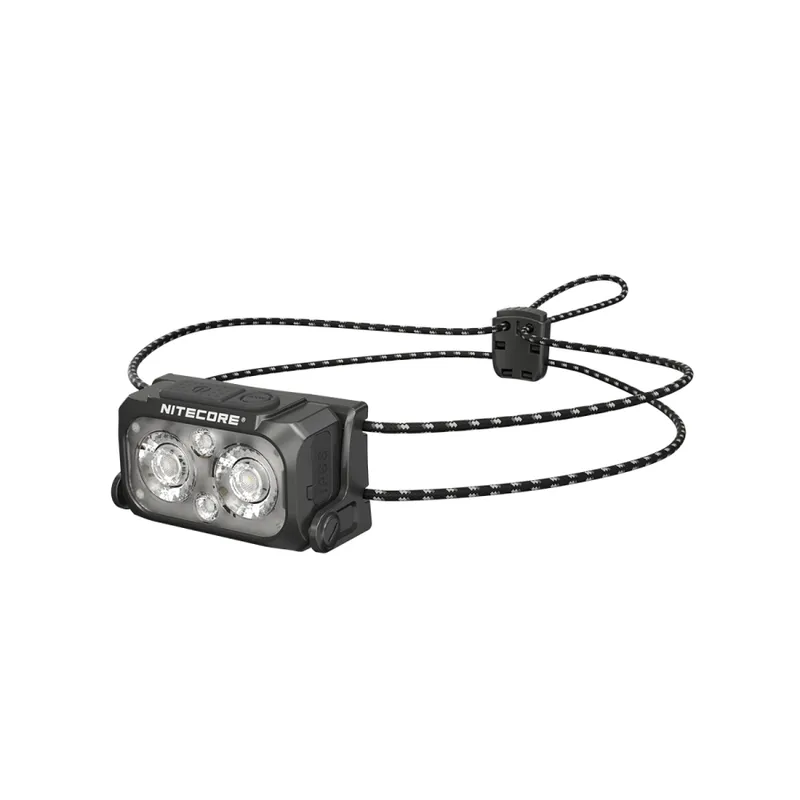 Official manufacturer image
NITECORE NU25 MCT UL
Check price on Amazon AU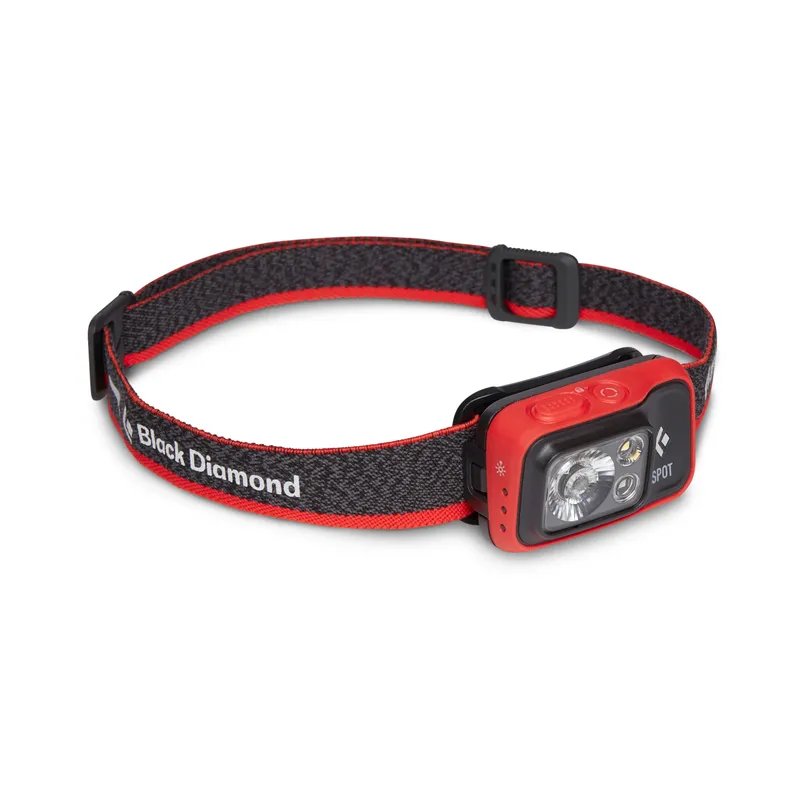 Official manufacturer image
Black Diamond Spot 400 Headlamp
Check price on Amazon AUCommon questions
Questions before you buy
Can I use a regular headlamp underwater?
Only if its manufacturer explicitly rates it for submersion at the depth you intend to reach. A weather-resistant rating alone does not confirm that it can withstand underwater pressure.
What makes an underwater headlamp suitable for diving?
Look for a manufacturer-stated depth rating, sealed construction and instructions covering battery installation and maintenance. Select a rating that covers your planned dive conditions.
Is an IPX4 headlamp waterproof for diving?
No. IPX4 indicates splash resistance, not a dive depth rating. Do not infer submersion suitability from a rain or splash rating.
Should a dive light be worn on the head?
Use a mounting method intended for the dive light and activity. Keep it secure and follow the manufacturer’s guidance; many divers prefer a handheld primary light with a separate backup.