









 Official manufacturer image
Our picks
Top picks
Official manufacturer image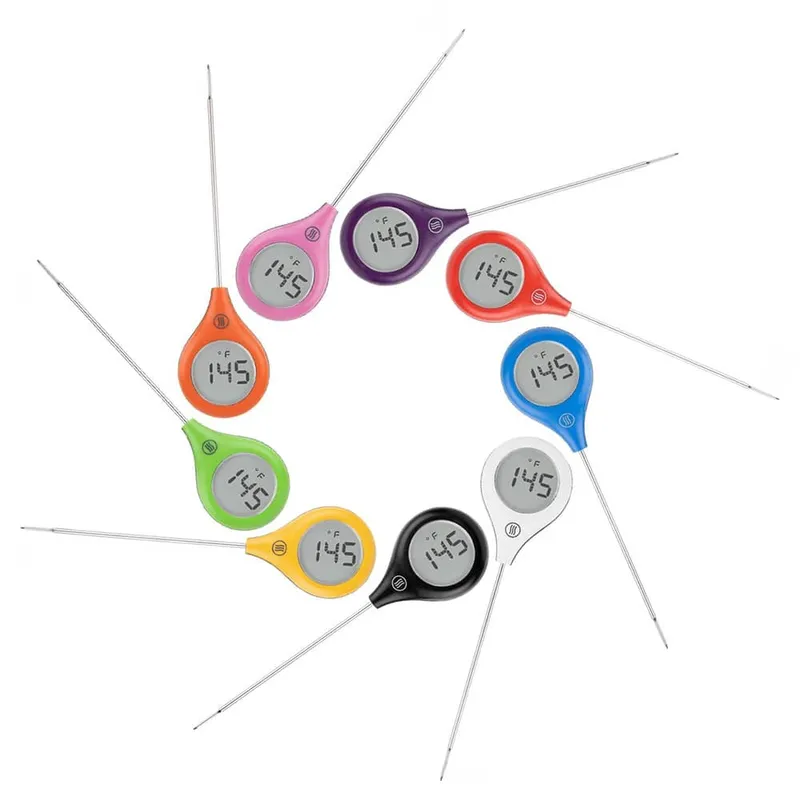 Official manufacturer image
ThermoWorks ThermoPop 2
Check price on Amazon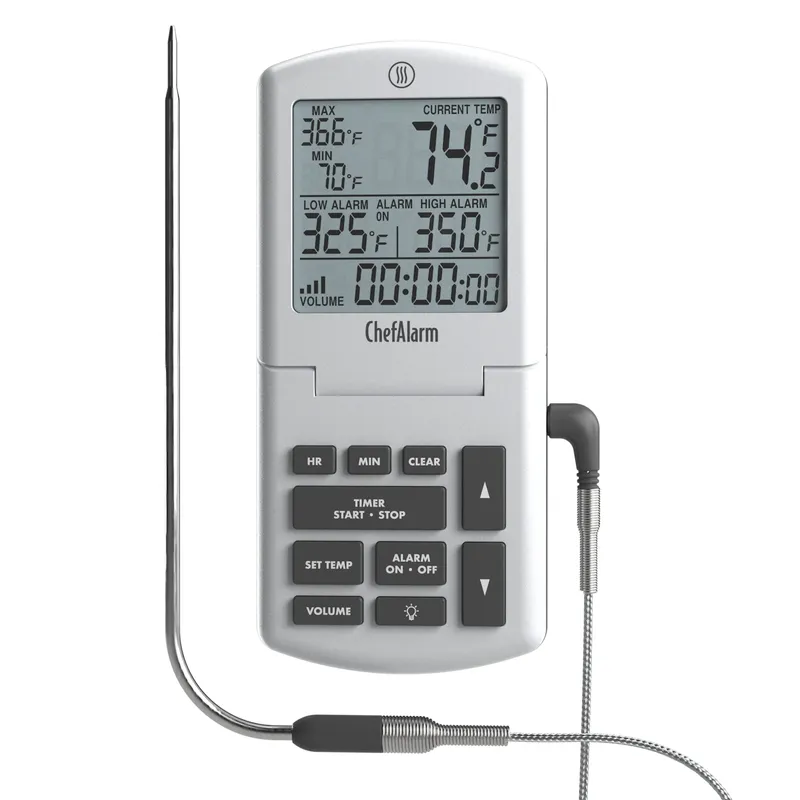 Official manufacturer image
ThermoWorks ChefAlarm
Check price on AmazonBy food
 Turkey
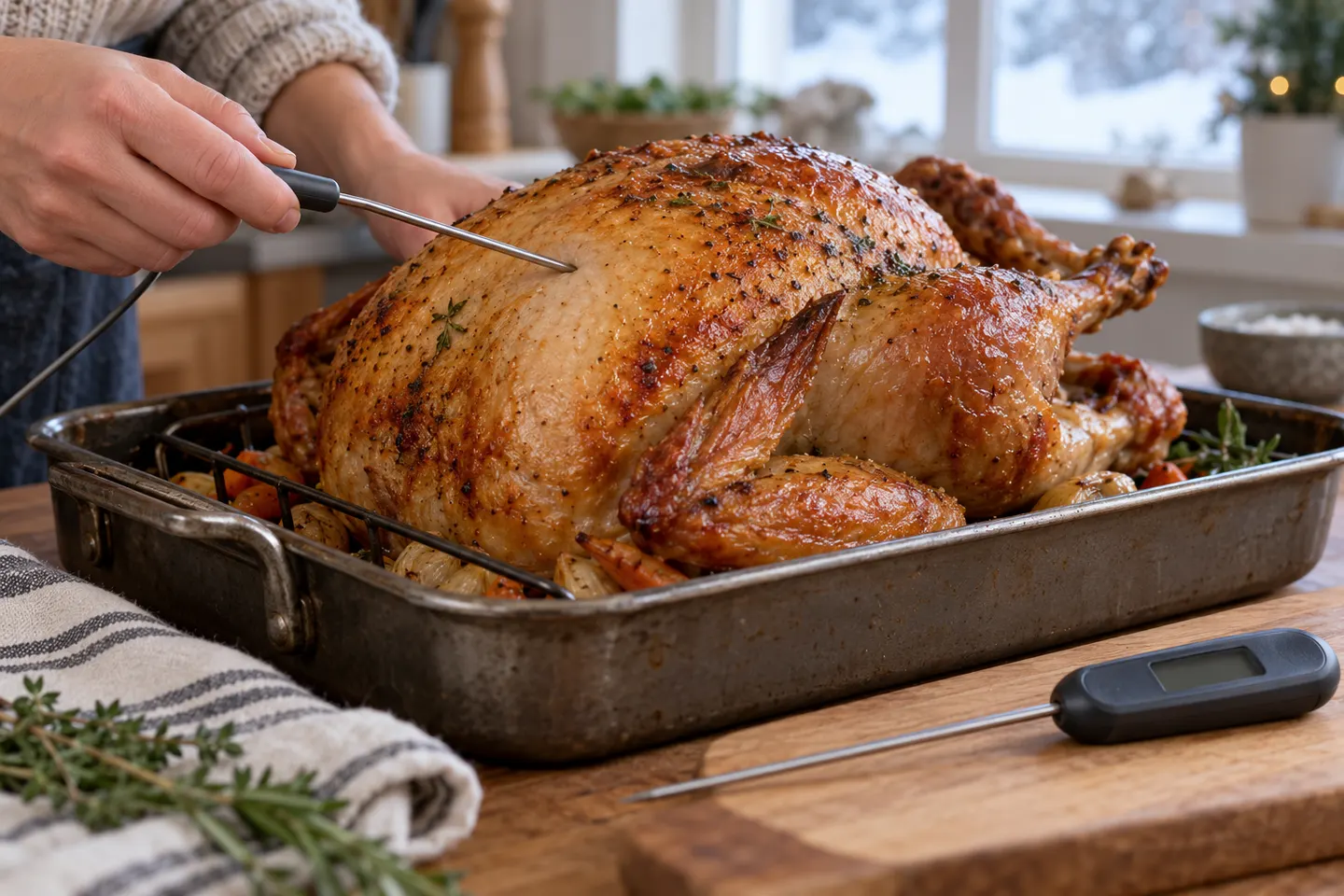 Turkey breast
How-to guides
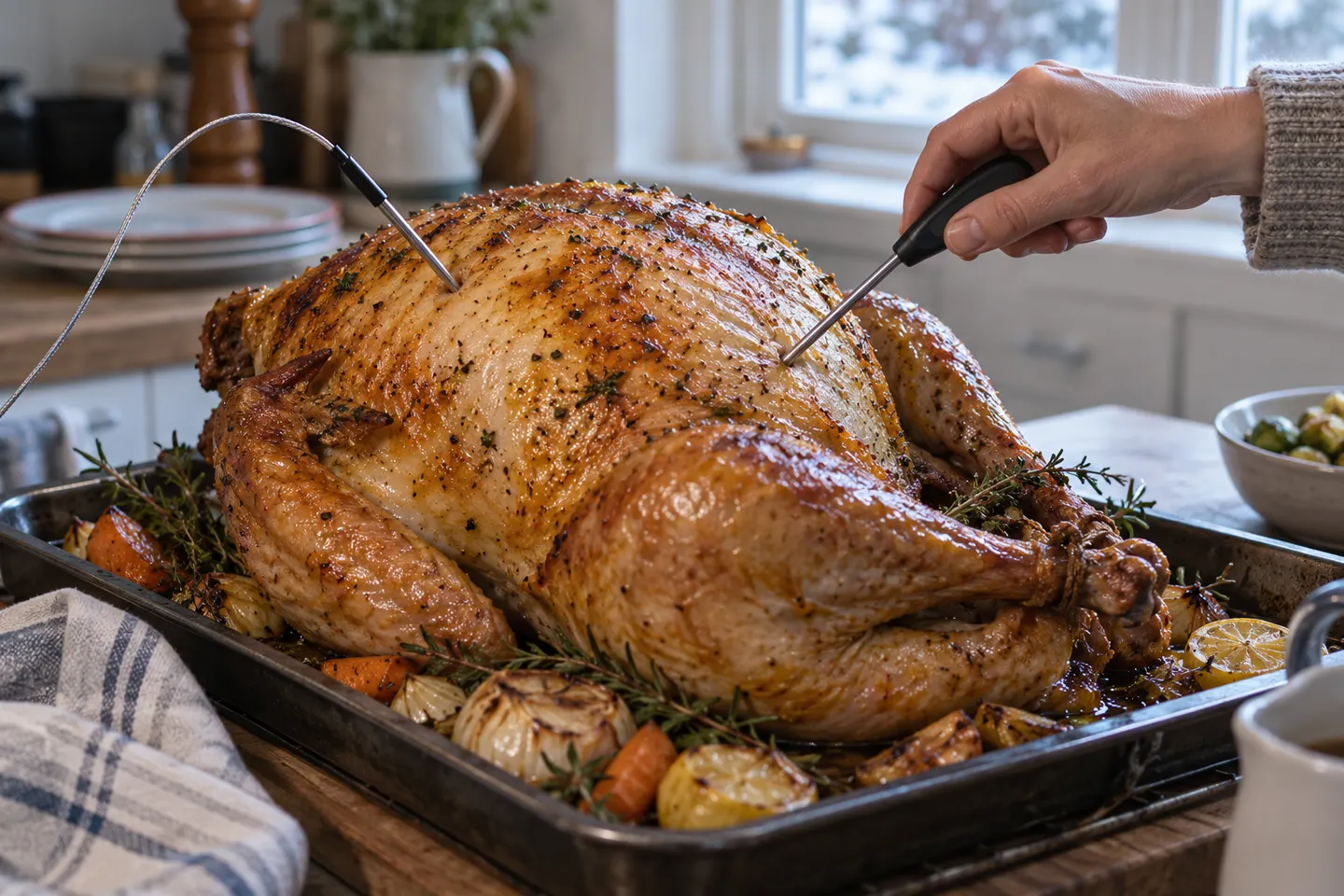
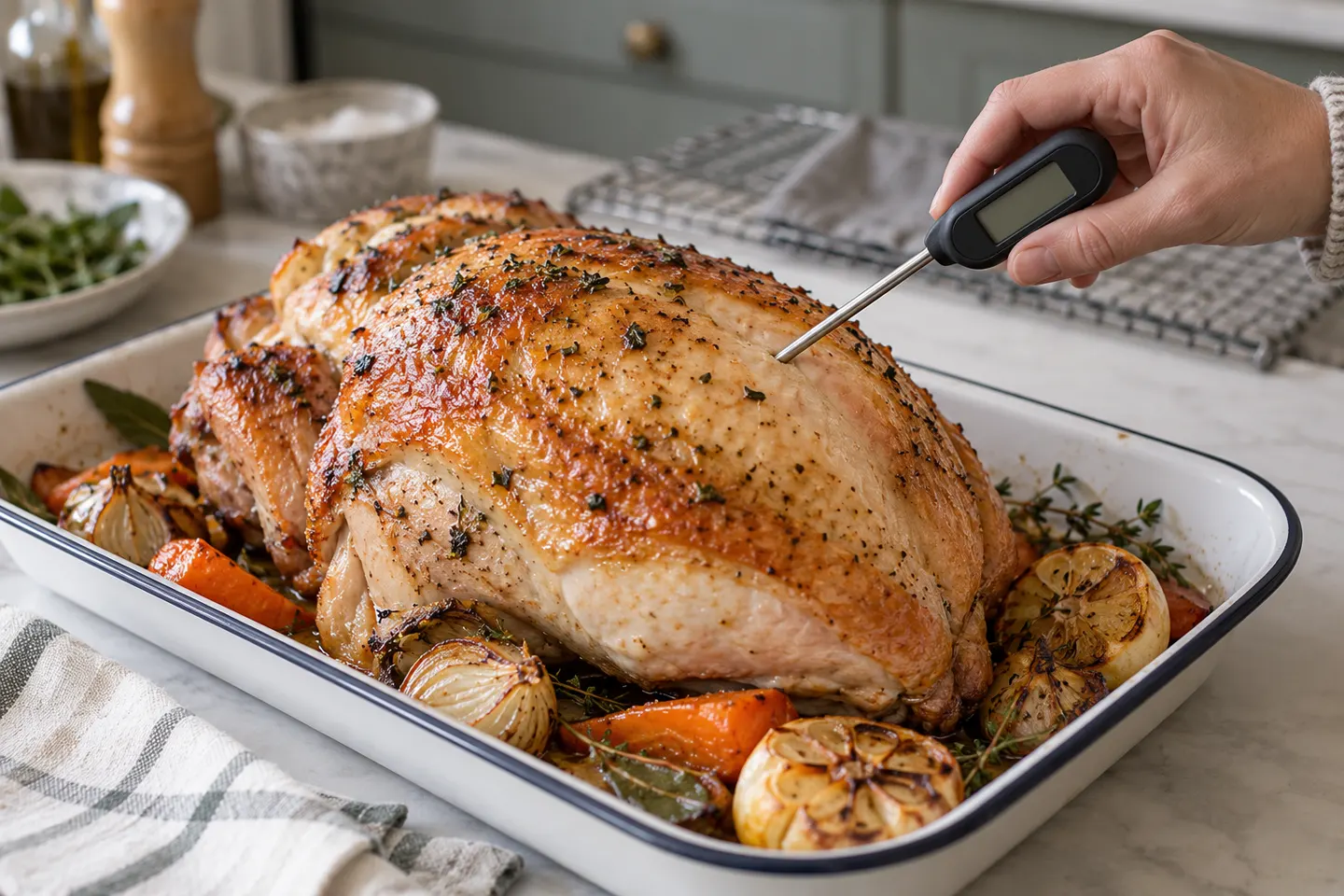 Where to Put a Meat Thermometer in a Turkey
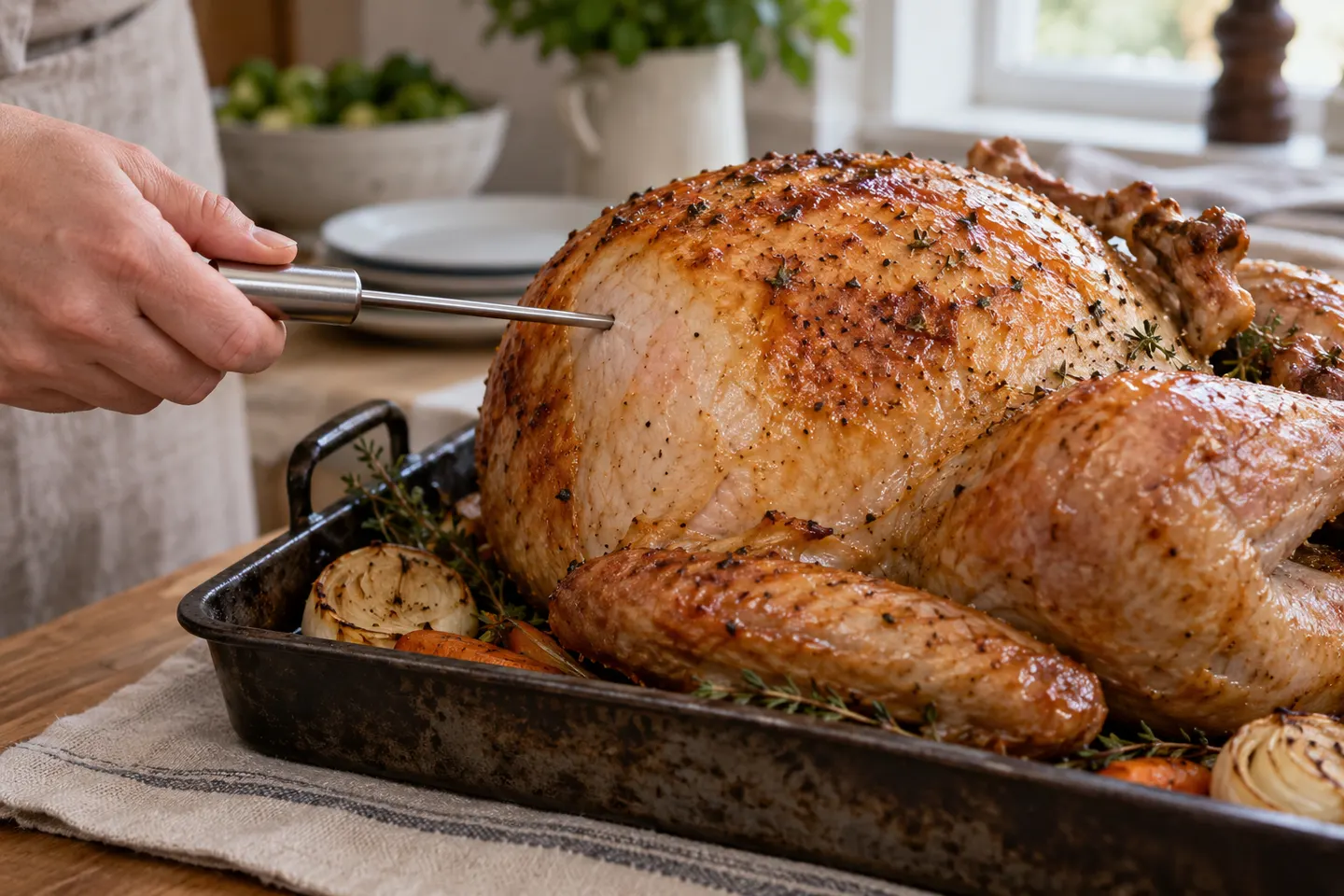 Where to Insert a Meat Thermometer in a Whole Turkey
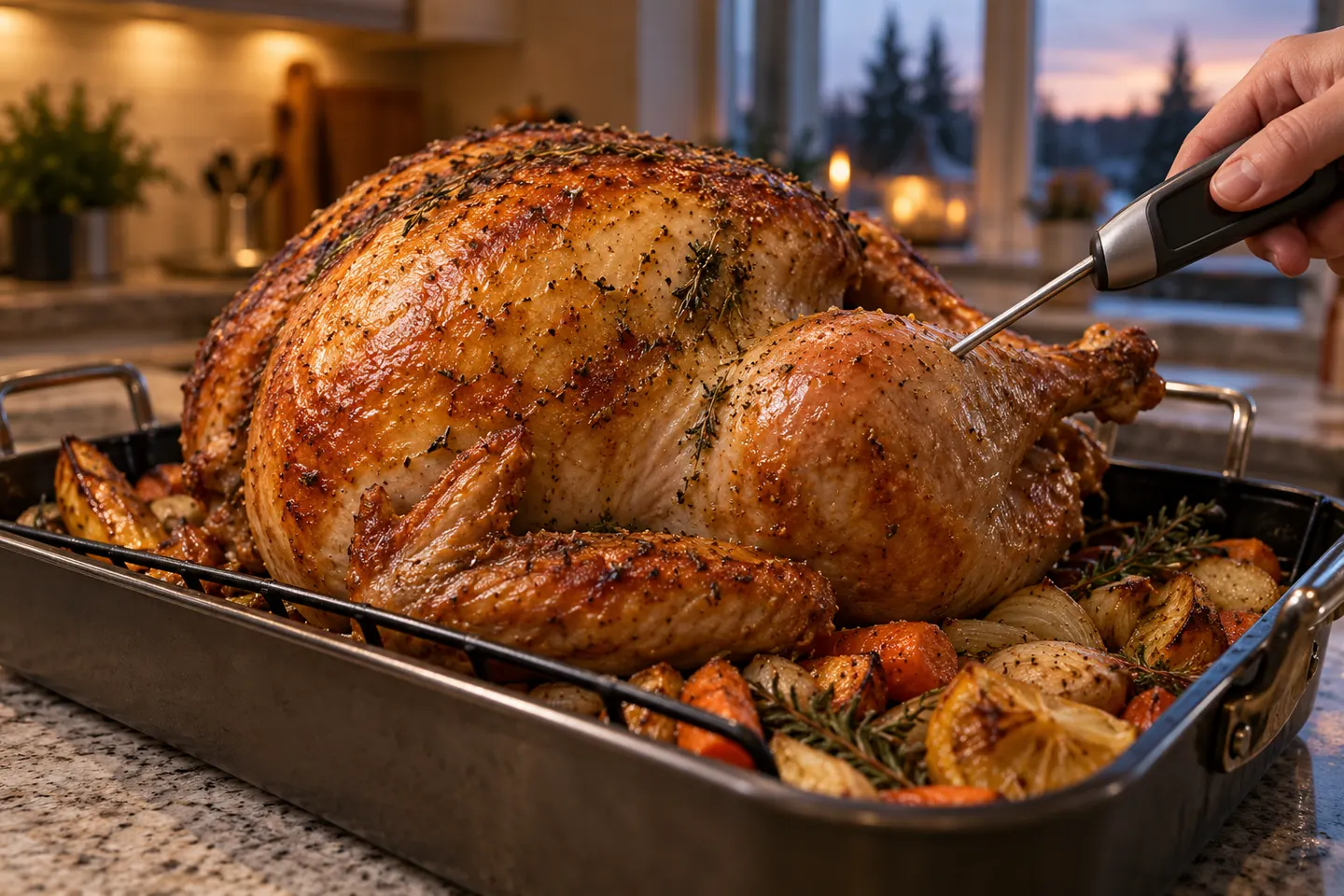 Where to Stick a Meat Thermometer in a Turkey
Common questions
Questions before you buy
Where exactly does the thermometer go in a turkey thigh?
Insert it into the innermost meaty portion of the thigh near the body. Aim for the center of the muscle and keep the probe away from bone.
Should a meat thermometer touch the turkey bone?
No. Bone may conduct heat differently from the surrounding meat and produce a misleading reading, so reposition the probe if it touches bone.
What temperature should the turkey thigh reach?
USDA says all parts of a whole turkey must reach at least 165°F internally. Confirm this in the innermost thigh and wing and the thickest breast.
Do I need to check more than one place on a turkey?
Yes. A large bird can heat unevenly, so check both sides when practical and always verify the thigh, wing, and breast locations identified by USDA.