Gearjury may earn a commission from qualifying retailer links. Buying advice is based on cited evidence and specifications.
Guide
What Dash Cam Is Best for Your Car?
What dash cam is best depends on the evidence you want to capture. For most drivers, choose reliable front recording first; add a rear camera for wider coverage and protected parking power only when you need parked surveillance.
GGearjury editorial team · Updated 15 October 2026· 7 min
01
What is a dash cam?
A dash cam is a compact video camera mounted in or on a vehicle to record journeys and road incidents. It normally saves short looped files to removable storage and protects selected clips after a detected impact or manual command.
02
Decide which views you need
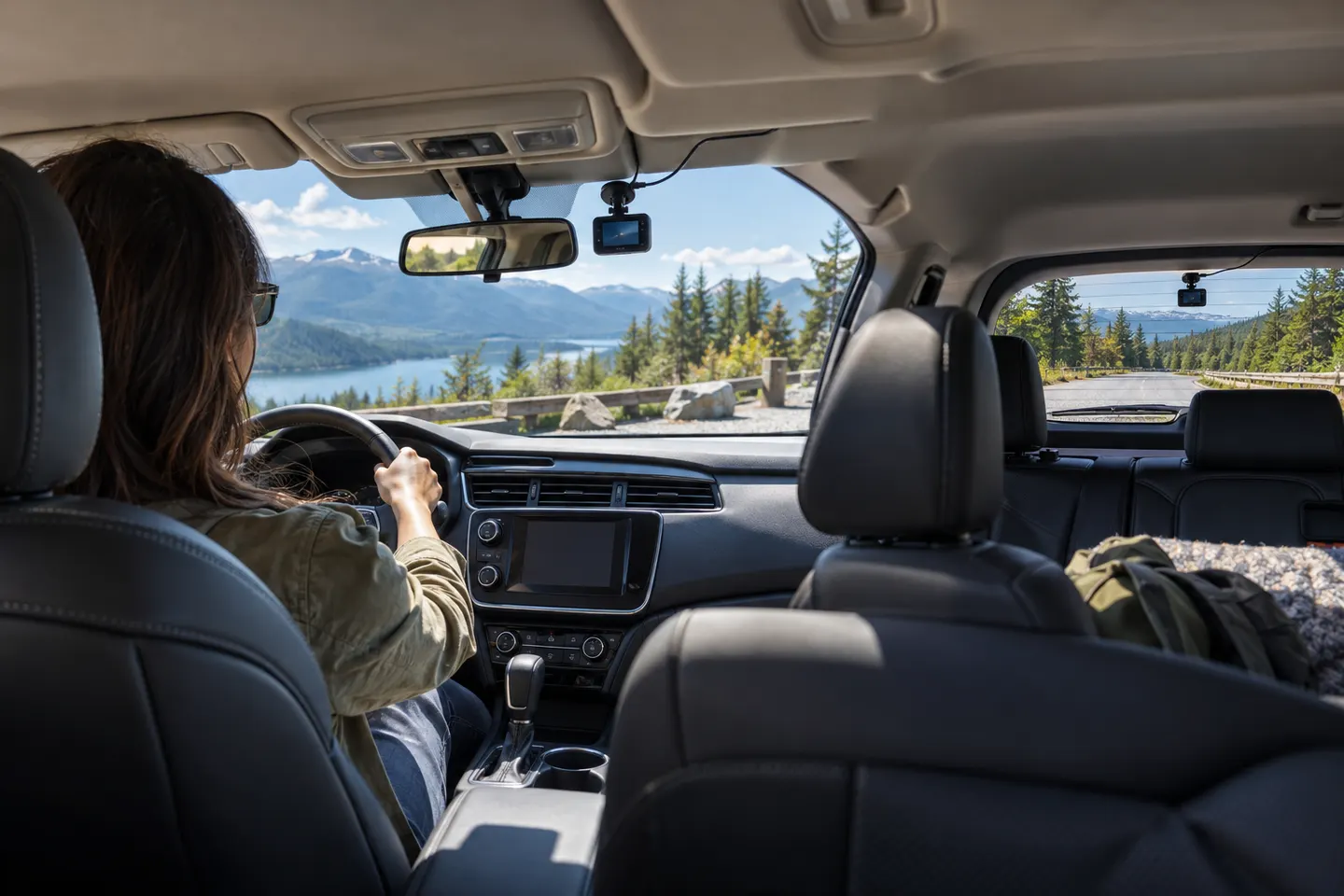
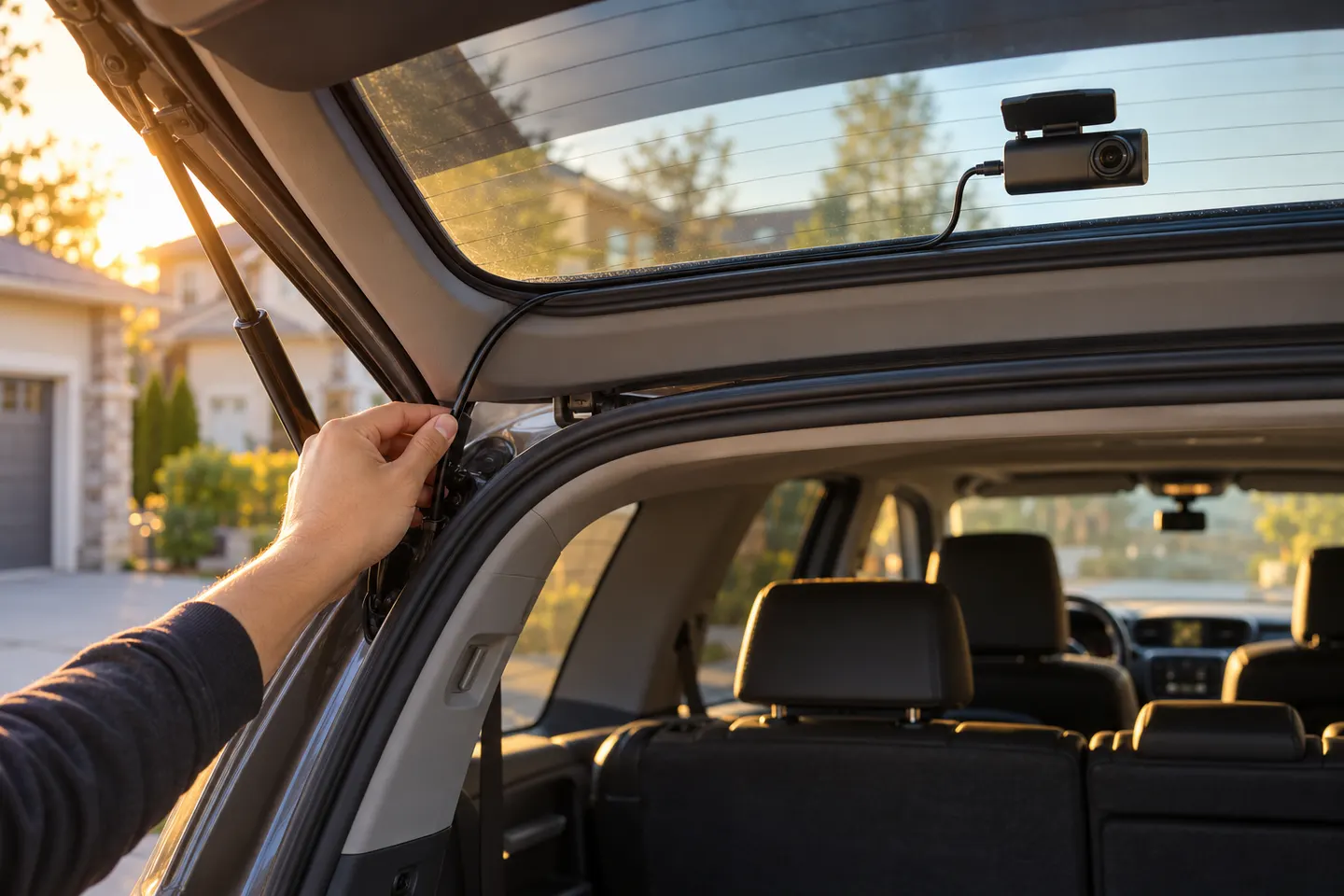
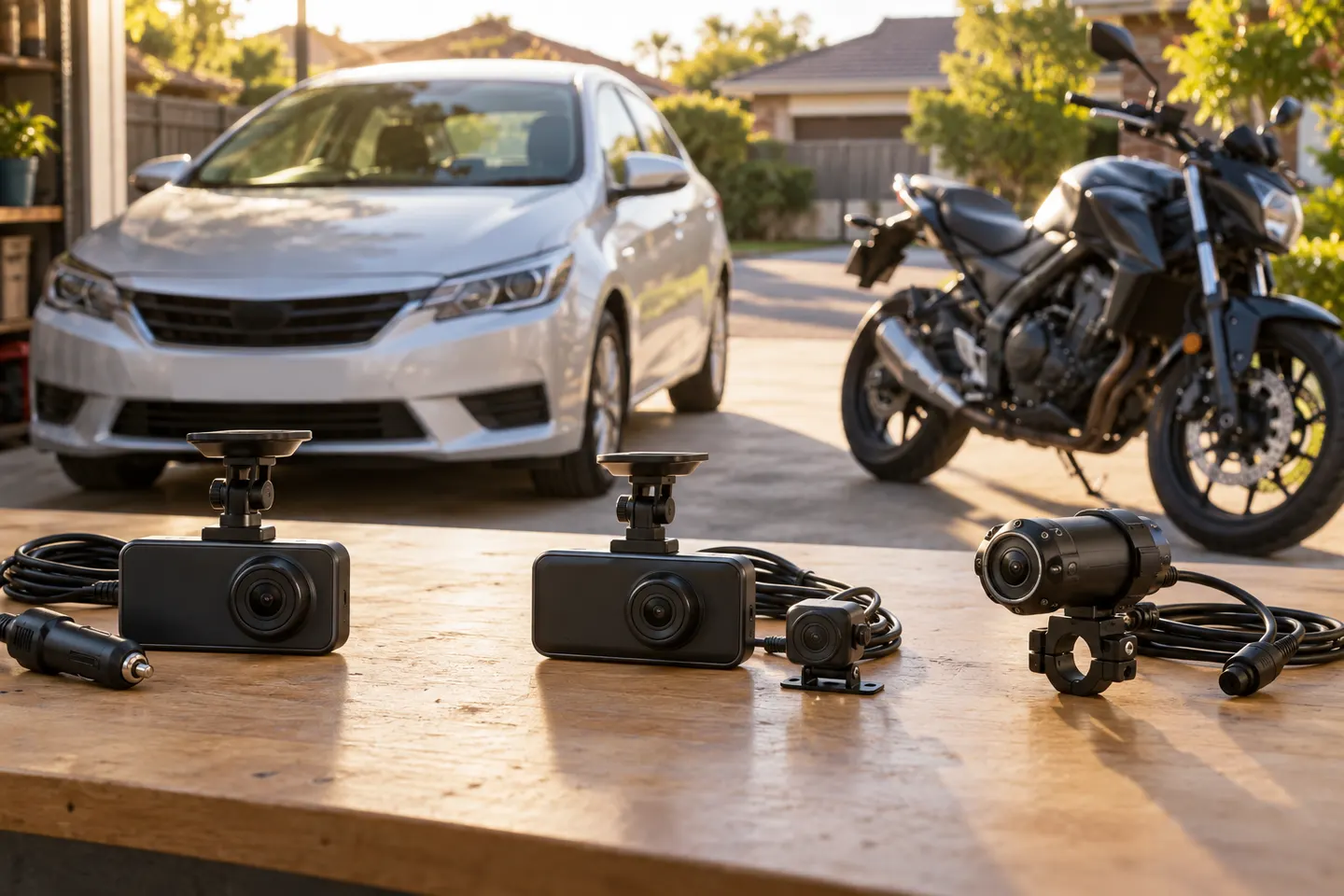
A front camera covers the direction of travel and is enough for many drivers. Front-and-rear systems add context behind the car, while an interior camera is aimed at the cabin and suits different needs. More channels mean more cable routing, storage use and power demand.
03
Choose useful video quality, not a badge
Full HD can record useful incident context; 2K or 4K may retain more detail. Compare sample footage, frame rate, bitrate, exposure and night performance because resolution alone cannot guarantee readable number plates.
04
Match parking mode to how you park
Impact-only, motion, time-lapse and buffered modes behave differently. Parking recording needs an approved hardwire kit or battery pack with discharge protection, and long unattended recording may require more storage.
05
Check storage, power and mounting
Use the supported capacity and an endurance-rated memory card recommended by the camera maker. Position the camera without obstructing the driver's view, keep cables away from airbag paths and use a qualified installer when hardwiring is uncertain.
06
Treat phone and cloud features separately
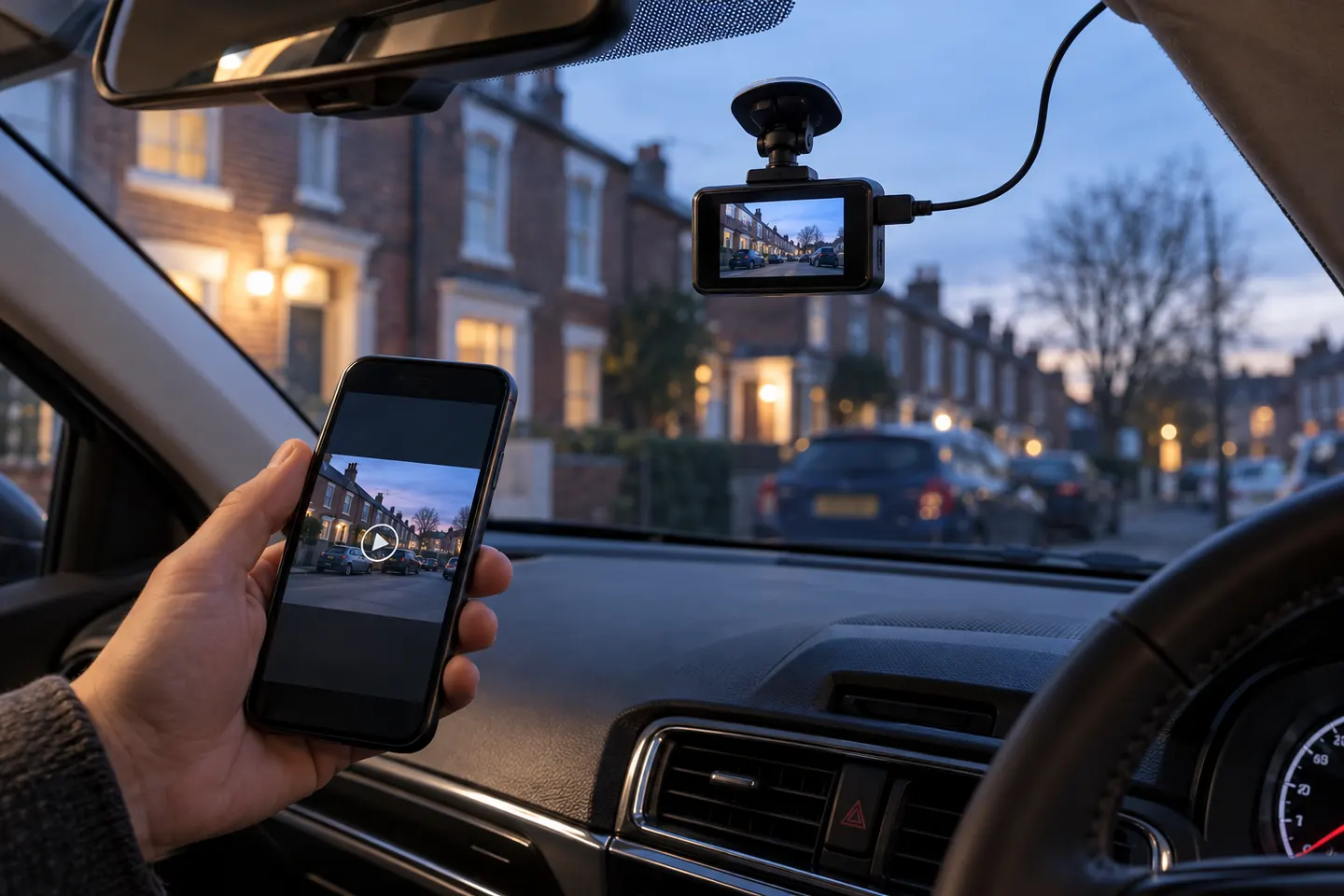
Local Wi-Fi helps with setup and clip transfer but may not provide remote access. Cloud alerts need compatible hardware, a live data connection and sometimes an ongoing service, so verify the complete requirement before buying.
Common questions
Questions before you buy
What dash cam is best for everyday driving?
A reliable front camera with clear loop recording, a stable mount and supported endurance storage suits most drivers. Add rear coverage or parking features only for needs you can define.
What is a dash cam used for?
It records road and journey footage that may provide context after a collision, near miss or other incident. It is not a substitute for attentive driving.
What car dash camera resolution should I choose?
Full HD is a practical baseline, while 2K or 4K can preserve more detail in favourable conditions. Sensor, bitrate, exposure and placement are equally important.
Should I get a front and rear dash cam?
Choose one if rear impacts, parked incidents or broader context matter enough to justify extra cost and installation. A well-installed front camera remains the simpler starting point.
Does a dash cam record when the car is off?
Only if the camera supports parking mode and has a suitable protected power source. Ordinary plug-in power often switches off with the ignition.
A dual-channel kit records ahead and behind from one system. Prioritise rear-camera quality, cable length and supported memory capacity rather than judging the front unit alone.
Most ‘wireless’ dash cams still need a power cable. The term usually means Wi-Fi transfer to a phone, so check the power and rear-camera connections before buying.
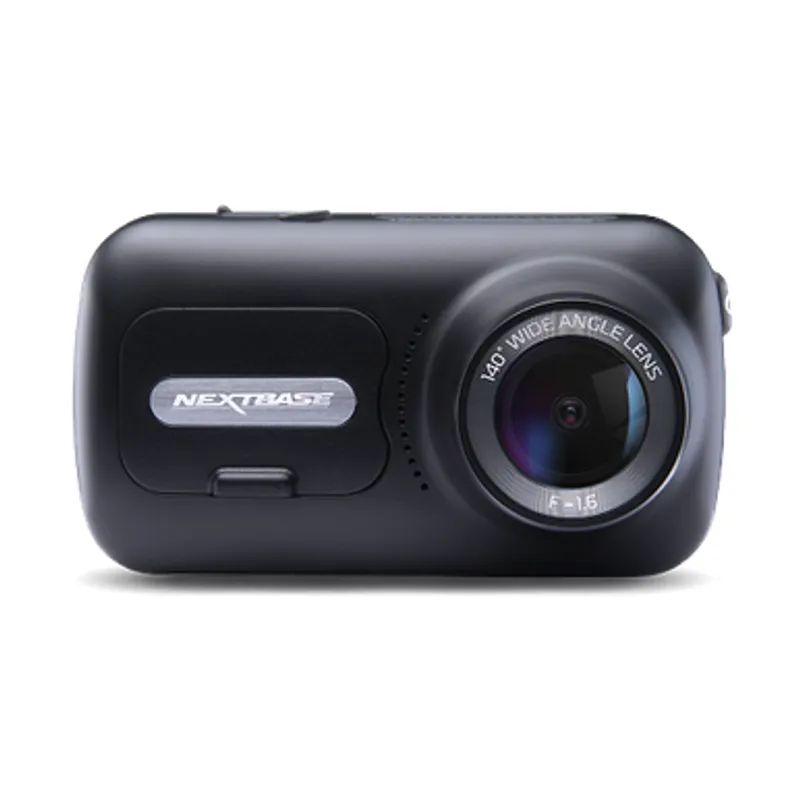
The 322GW covers core recording needs, the 522GW adds a larger touch display and the 622GW raises capture resolution. Choose by footage needs, not model number alone.
Start with the coverage you need: front-only is simplest, while front-and-rear systems record more of an incident. Then check power, storage and mounting.
Your privacy
We use cookies and similar technologies. Necessary ones keep the site working. With your permission we also use statistics cookies (Google Analytics and Microsoft Clarity) to understand which guides help readers. You can accept all, reject all or choose. You can change your choice at any time from "Cookie settings" at the bottom of every page. Cookie policy