


Independent buying guidance · UK editionHow we work
Gearjury
All categories
All categories
Best picksBest Meat Thermometers in the UK for 2026
Best picksBest WiFi Extenders in the UK: Compare Five Practical Options
Best picksThe Best Dashcams in the UK for 2026
Best picksBest Headlamp Torches in the UK: Five Choices for 2026
Best picksBest Air Purifiers in the UK for Different Rooms and Needs
Best picksBest Radar Detectors in the UK: Models Compared for 2026
By type and sizeSmallMini
By place and useCarHomeBedroom
Best picksBest Portable Air Coolers: Five Models to Compare for 2026
By who wears themMenWomenLeather men
By feature and materialWaterproof
Best picksBest Winter Gloves in the UK: Five Activity-Based Choices for 2026
United KingdomEnglish

Category hub

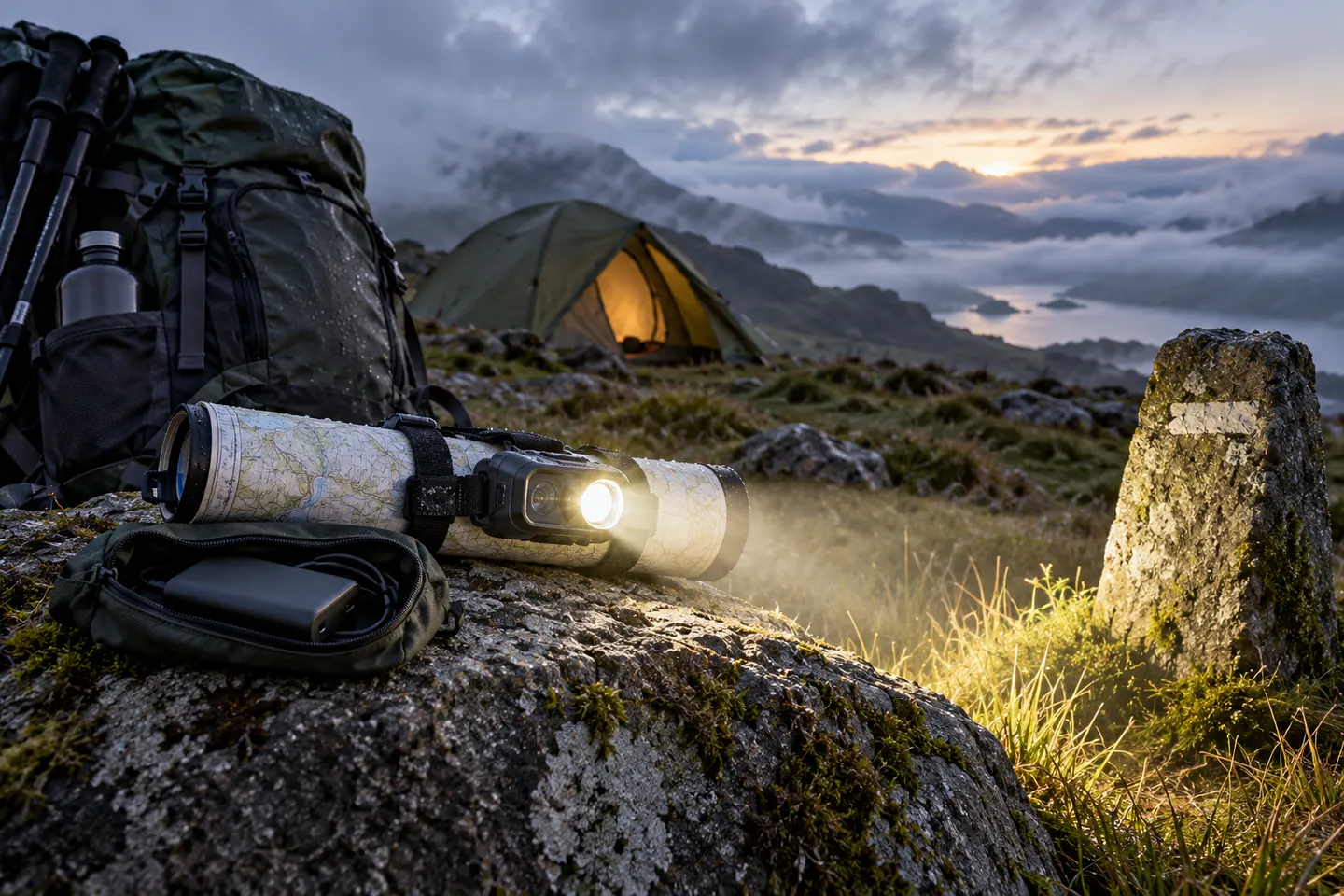
Head Torches for Trekking: Choose Light for Trail and Camp

A mixed beam, dependable power plan and comfortable fit are practical starting points for trekking.

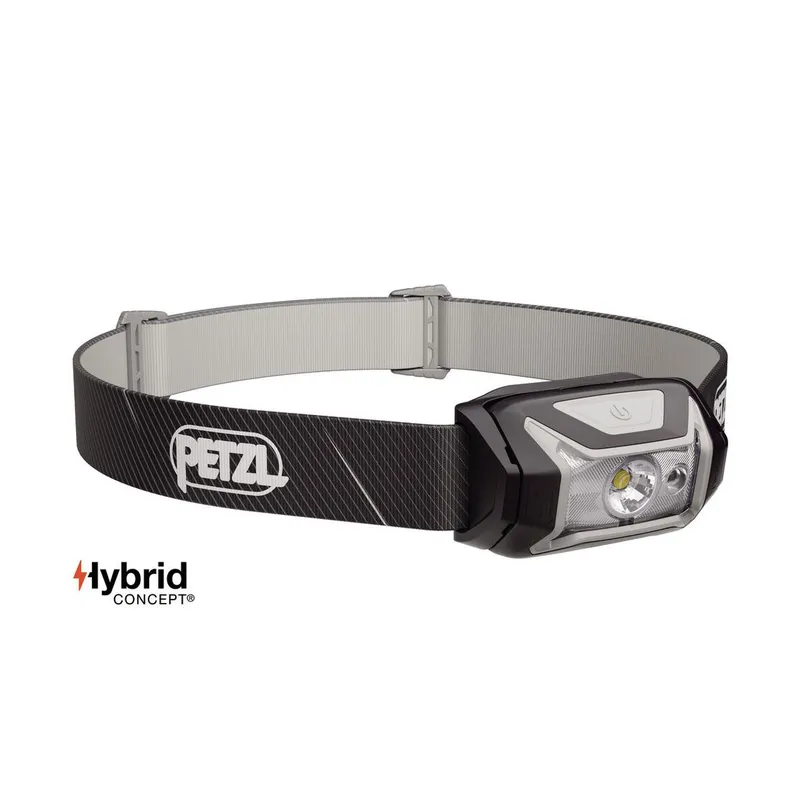
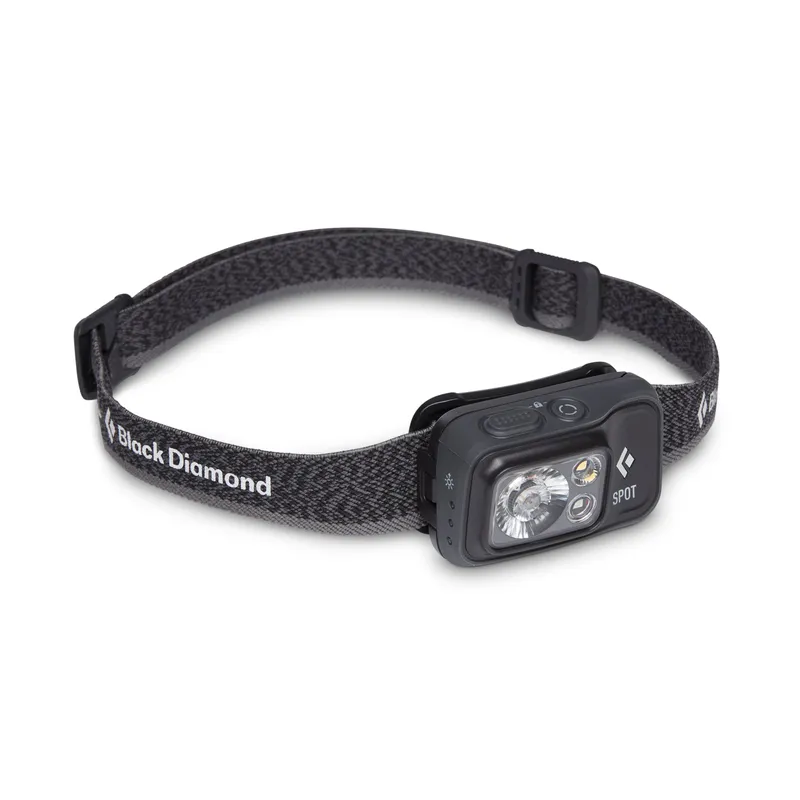
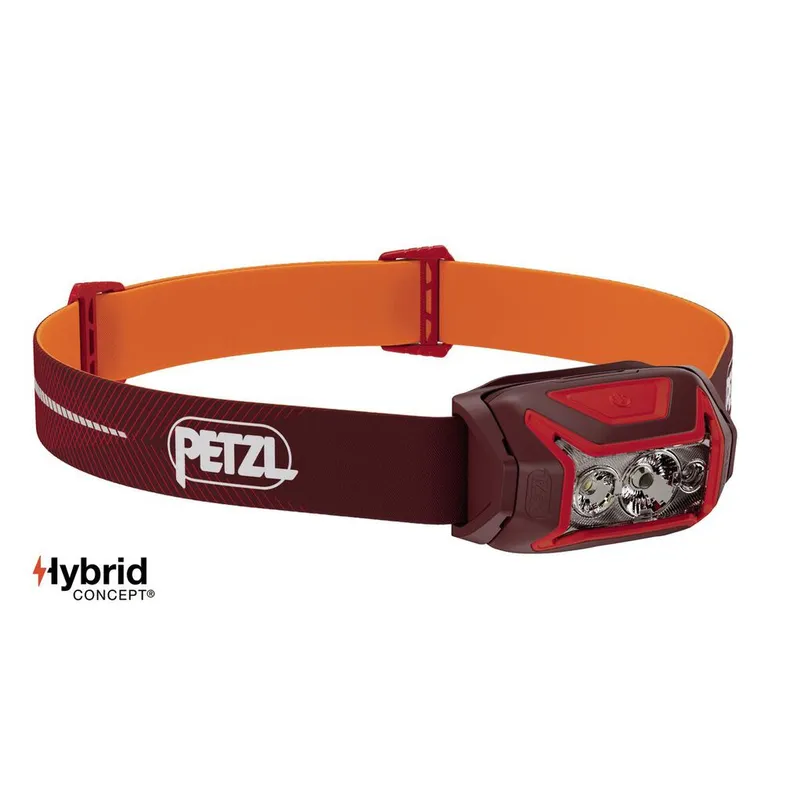
A head torch for trekking should help you see both the path and obstacles close to your feet. A wide-and-focused or mixed beam can cover both distances, while a lower mode is useful around camp. Check weight and strap adjustment if you will wear it for hours, then compare runtime at the mode you expect to use. Rechargeable power is convenient if you can top up before departure; hybrid power can provide another option. Match water rating to expected weather and follow the product instructions.

Head Torches for Trekking: Choose Light for Trail and Camp

Common questions

Questions before you buy

What brightness is suitable for trekking?

Choose by terrain and pace rather than a single lumen target. Technical ground may need more output than a clear trail; compare beam distance and runtime as well.

Do I need red light for trekking?

It can help with close tasks without a bright white beam, but is optional. Decide whether preserving night vision or reducing glare matters to your group.

Is a rechargeable head torch enough for a multi-day trek?

It may be if you can recharge or carry a suitable power bank. Otherwise consider hybrid or replaceable cells and plan for cold conditions and high-output use.

What water rating should I look for?

Use the maker IP rating and explanation to judge likely rain exposure. Weather resistance is not permission to submerge a lamp.