




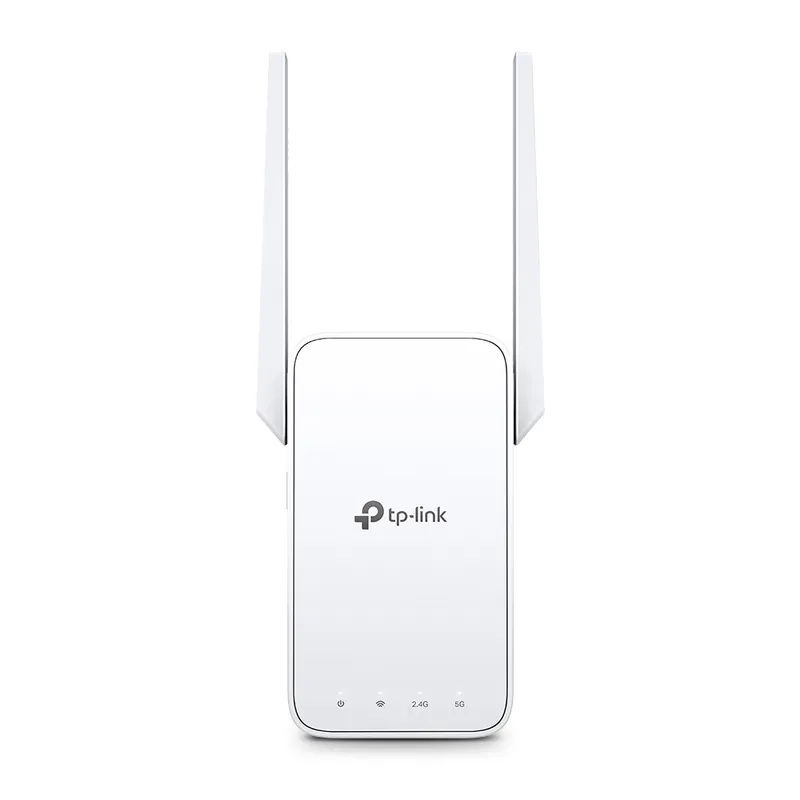
 Official manufacturer image
Our picks
Top picks
Official manufacturer image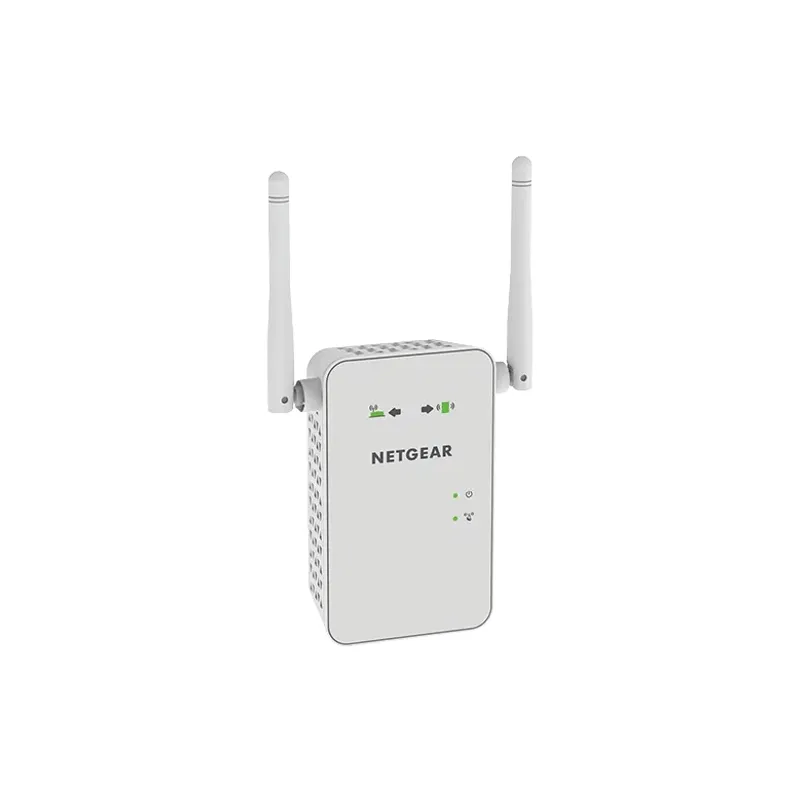 Official manufacturer image
NETGEAR EX6120
Check price on Amazon UK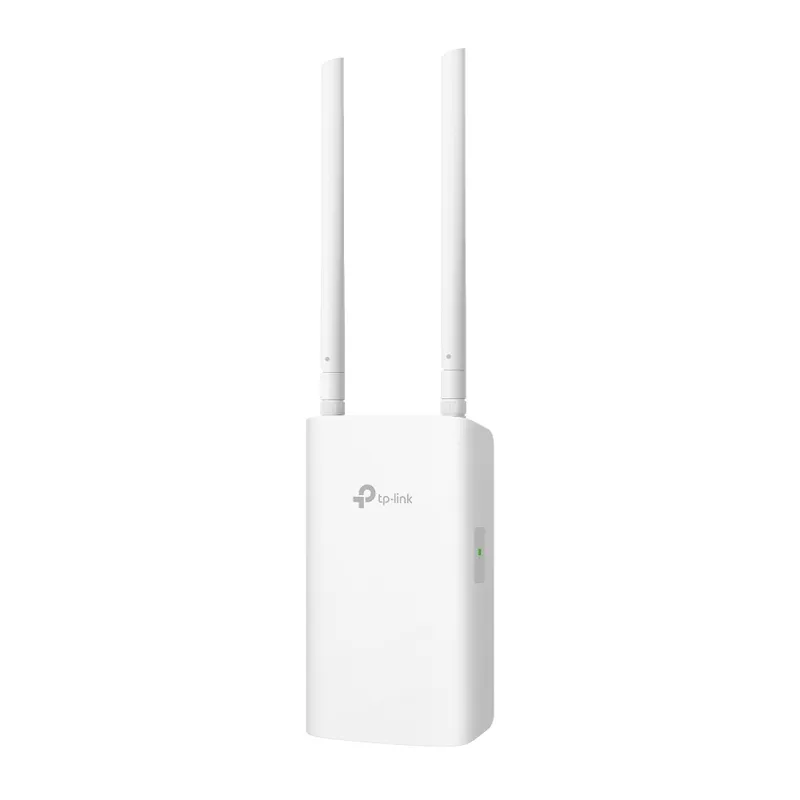 Official manufacturer image
TP-Link RE705X-Outdoor
Check price on Amazon UKCommon questions
Questions before you buy
Will a Wi-Fi extender reach a detached garage?
It may if a usable router signal reaches the extender's location, but distance alone does not predict coverage. Building materials and the route between buildings can block or weaken the wireless link; test the signal before deciding.
Where should I put an extender for garage Wi-Fi?
Put it inside the house or near the garage entrance where it still receives a strong router signal, rather than at the far end of the weak area. Use the model's indicator and check the garage coverage after placement.
Can I leave a plug-in extender in a cold garage?
Only if the manufacturer's operating temperature and humidity limits suit that location. Many household extenders are intended for indoor environments, so check the manual and keep the device away from damp and condensation.
Is a mesh node better than an extender for a garage?
A mesh node can coordinate coverage with a compatible system, but it still needs a sound link unless connected by cable. For a difficult route, an Ethernet-connected access point may avoid relying on a weak wireless backhaul.