Gearjury may earn a commission from qualifying purchases made through links on this page.
Best picks
Transcool 12V Air Cooler Reviews: What to Know Before Buying
The Transcool E3 is the current compact 12V model highlighted by the maker. Compare its published details with older range names and check availability before ordering.
GGearjury editorial team · Updated 22 October 2026· 7 min
Quick answer
For a current Transcool 12V portable evaporative cooler, start with the E3: the maker describes it for camping, caravans and other off-grid settings. Older Transcool names may appear in reviews, but confirm the exact model and parts availability before buying.
Transcool E3: Best for compact 12V personal cooling
Transcool EC3: Best for shoppers researching the earlier EC3 name
Transcool describes the E3 as a personal portable evaporative cooler for settings such as camping, caravans, 4WDs and truck sleepers. It is intended for nearby personal airflow rather than whole-home refrigerated cooling.
Does a Transcool 12V air cooler need an open window?
Evaporative cooling works best with ventilation and fresh air exchange. Follow the instructions for the specific model and avoid treating it like a sealed-room refrigerated air conditioner.
Is the Transcool EC3 the same model as the E3?
They are different model names. Transcool has published older EC3 material and currently lists the E3; check the label and documentation for the exact unit being offered.
Can the Transcool E3 run from a vehicle battery?
The manufacturer describes 12V operation and vehicle-related use. Follow its operating instructions and battery guidance for the exact model and power source.
A portable evaporative cooler suits hot, dry air and a ventilated room; a fan-only unit avoids adding moisture. Start with climate, airflow and cleaning needs.
Bonaire Crown 10i is a practical shortlist choice for its published room guidance and portable design. Bonaire Duet suits a smaller spot; Dimplex DCEVP6WT adds a purifier function.
Evaporative air conditioning cools incoming air through water evaporation and needs an exhaust path. Its suitability depends strongly on outdoor humidity and the building layout.
An evaporative cooler uses water and ventilation; a refrigerated air conditioner uses a compressor and can dehumidify. Climate and the result you need decide between them.
Your privacy
We use cookies and similar technologies. Necessary ones keep the site working. With your permission we also use statistics cookies (Google Analytics and Microsoft Clarity) to understand which guides help readers. You can accept all, reject all or choose. You can change your choice at any time from "Cookie settings" at the bottom of every page. Cookie policy









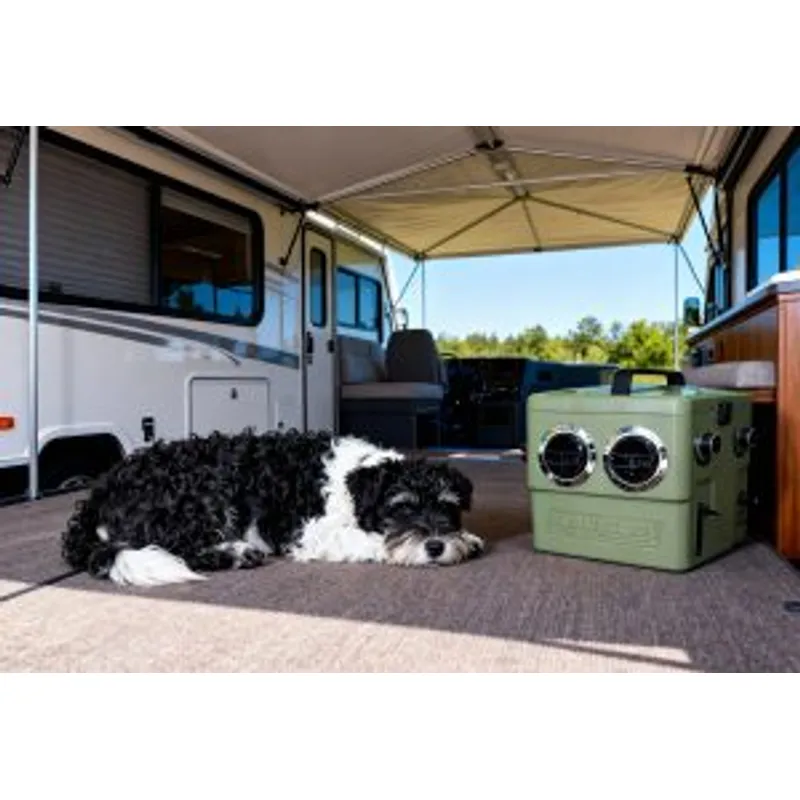 Official manufacturer image
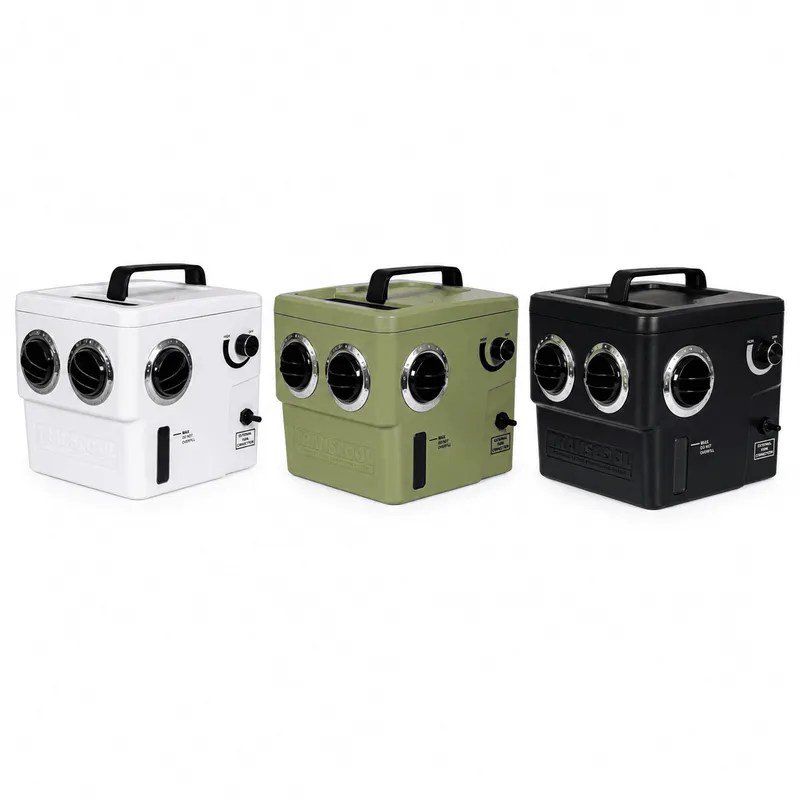 Official manufacturer image