







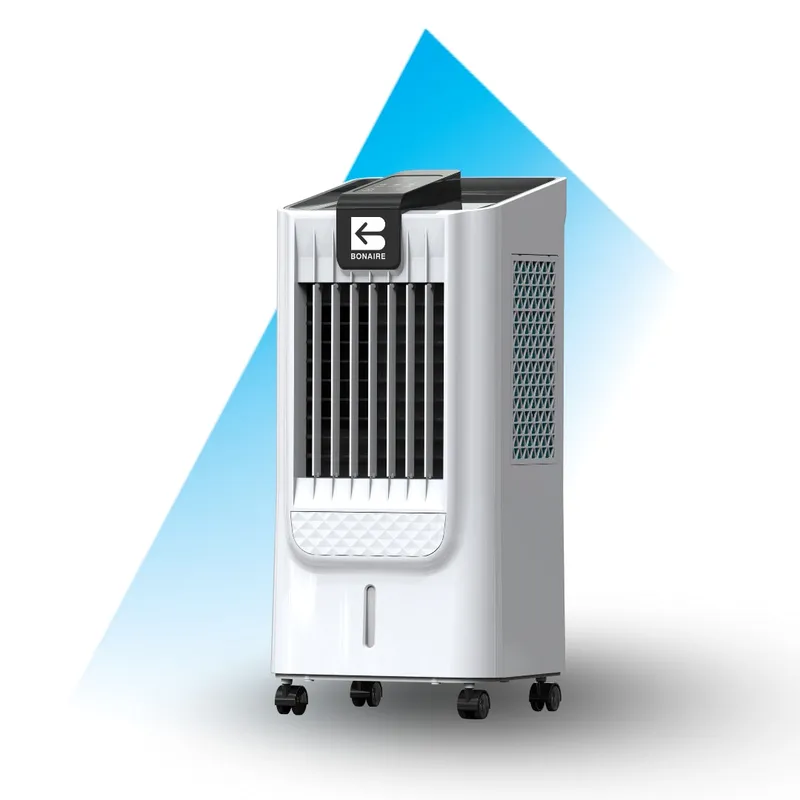
 Official manufacturer image
Our picks
Top picks
Official manufacturer image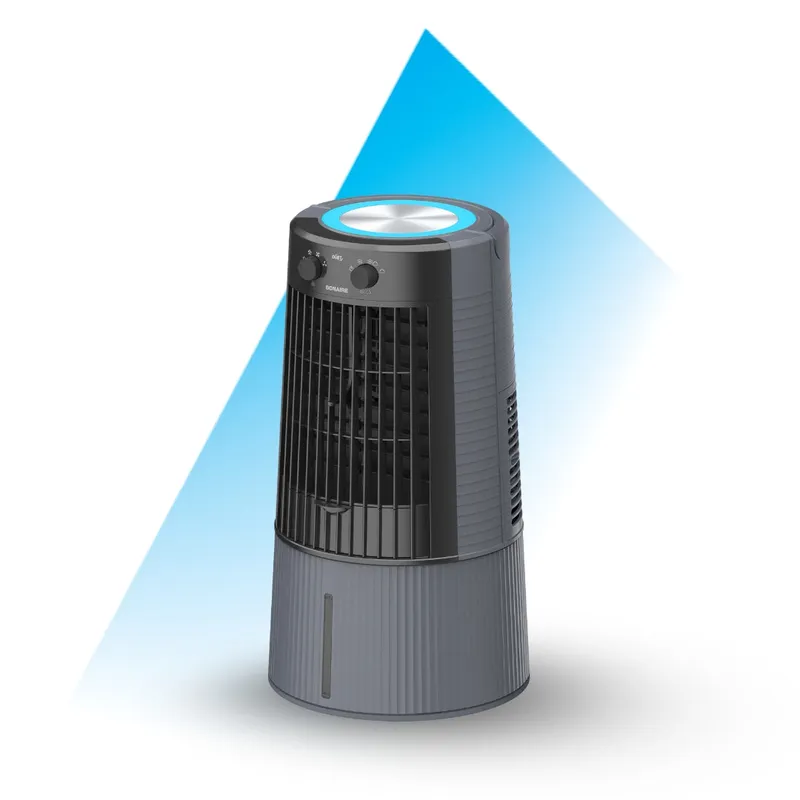 Official manufacturer image
Bonaire Duet Portable Evaporative Air Cooler 6L
Check price on Amazon AUCommon questions
Questions before you buy
How do I find the right filter for an evaporative cooler?
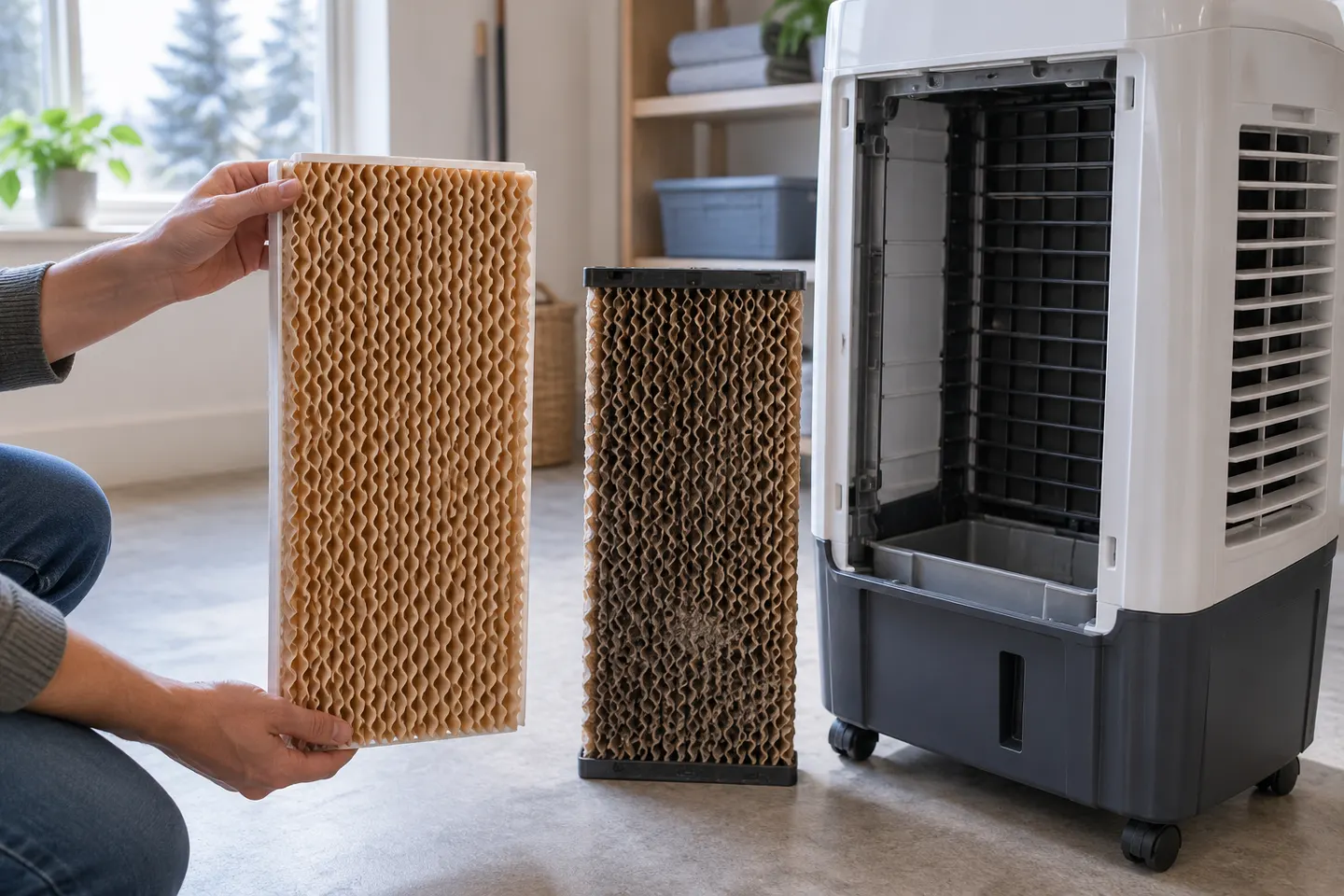
Use the complete model number from the rating plate to search the manufacturer’s accessories or parts catalogue. Compare the replacement part number and dimensions with the old component.
Can I wash an evaporative cooler filter?
Some dust filters and cooling media are washable, while others have different replacement instructions. Follow the manual and let parts dry as directed before reinstalling.
Does a washable air cooler filter remove fine particles?
Washability alone does not indicate particle filtration performance. Look for a named filter class and test information if fine-particle removal is important.
When should cooler media be replaced?
Replace it when the manufacturer’s schedule calls for it or when inspection shows persistent deposits, damage or deteriorating fibres. Water quality and usage affect maintenance needs.